Obsidian Essay | Leadership] Behind the Curtain: What Sense and Sensibility (2026) Taught Me About the Female Leadership Archetype
![Obsidian Essay | Leadership] Behind the Curtain: What Sense and Sensibility (2026) Taught Me About the Female Leadership Archetype](https://storage.ghost.io/c/2a/9e/2a9e2b04-30f6-4166-8010-a3730d2eb719/content/images/size/w1200/2026/09/Sense-and-Sensibility.jpg)
EJ's note
I've written two essays now about women who stayed silent — Jackie, who burned her own letters and let history author her. Jeongsun, whose own accounts were not left behind (we don't know what happened) and got remembered as a villain because someone else held the pen. Both times I was looking at someone else's silence from the outside, trying to guess what she'd say if she could.
This time, a film - Sense and Sensibility (2026) - did something to me I didn't expect, and I want to write it down honestly before I explain it away.
Enjoy!
I. Disarmed
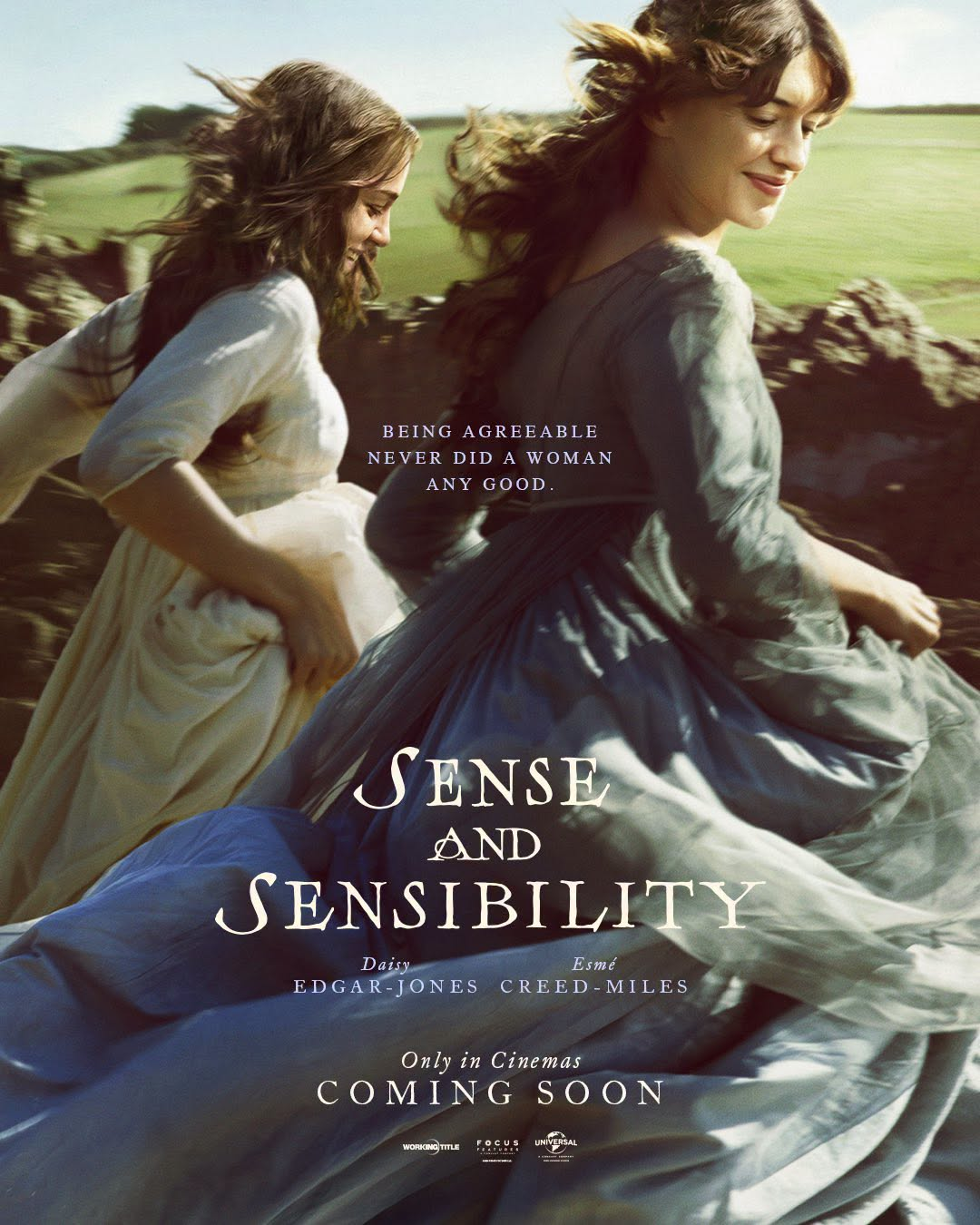
I went into Sense and Sensibility not expecting much, and came out completely disarmed.
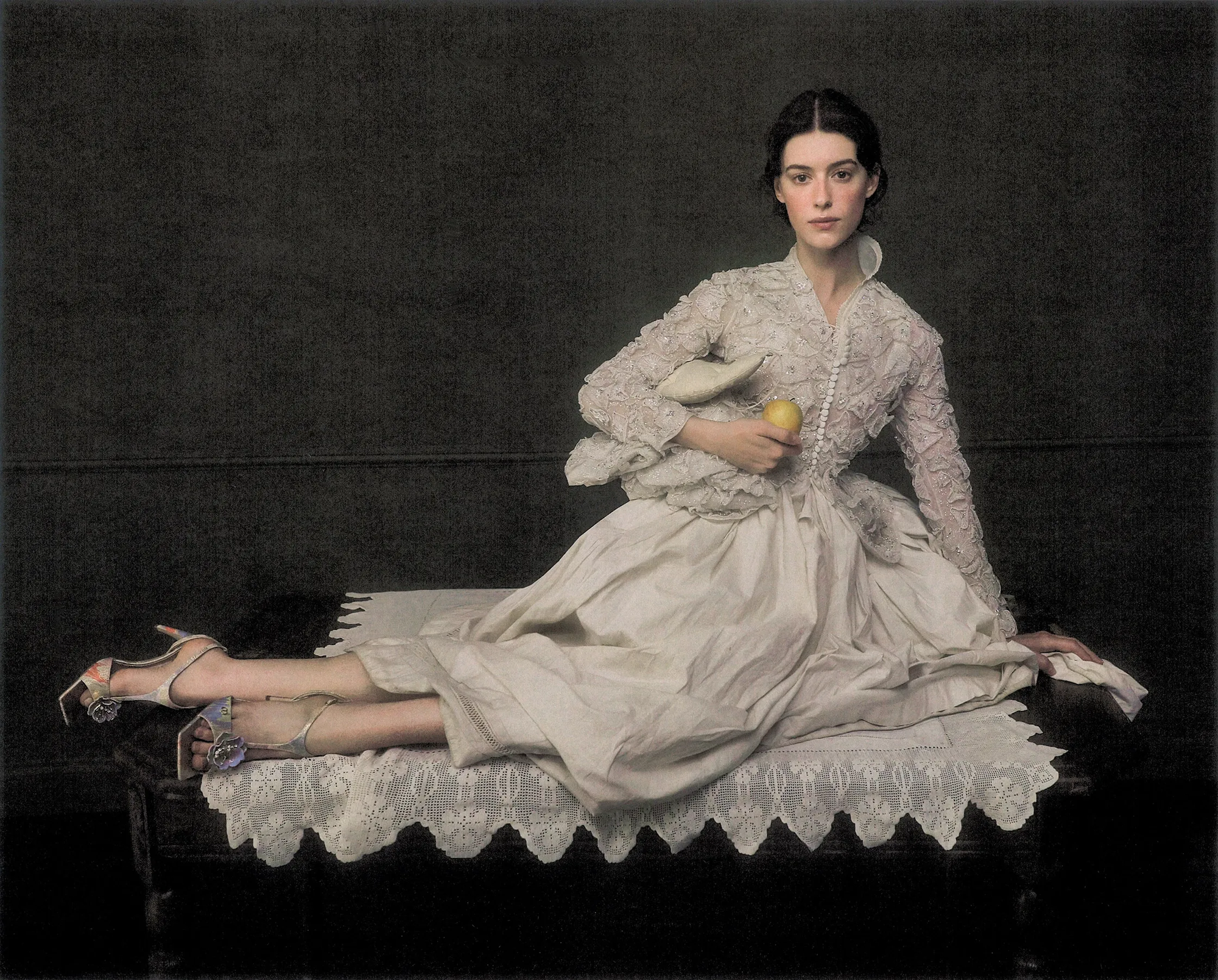
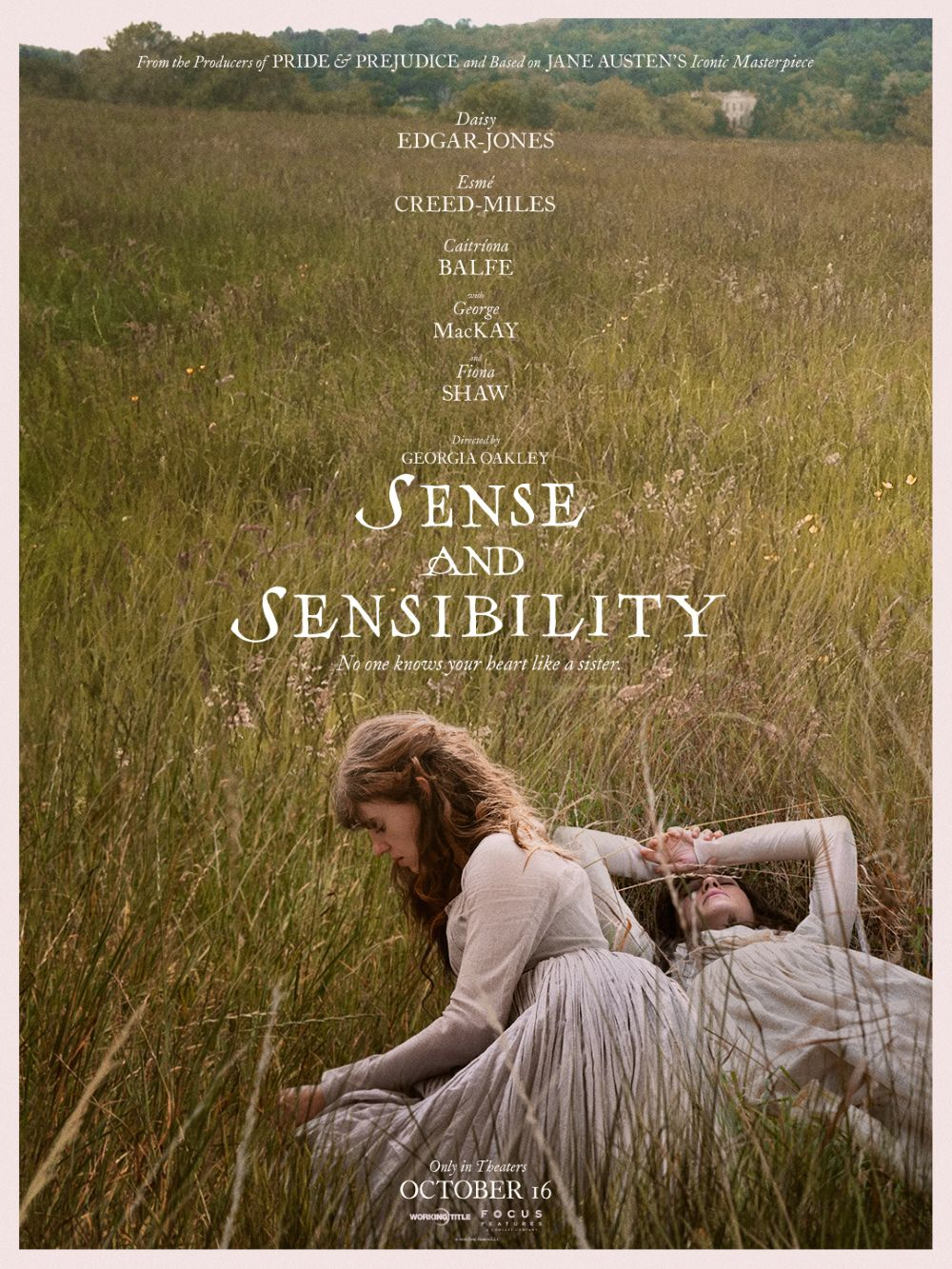
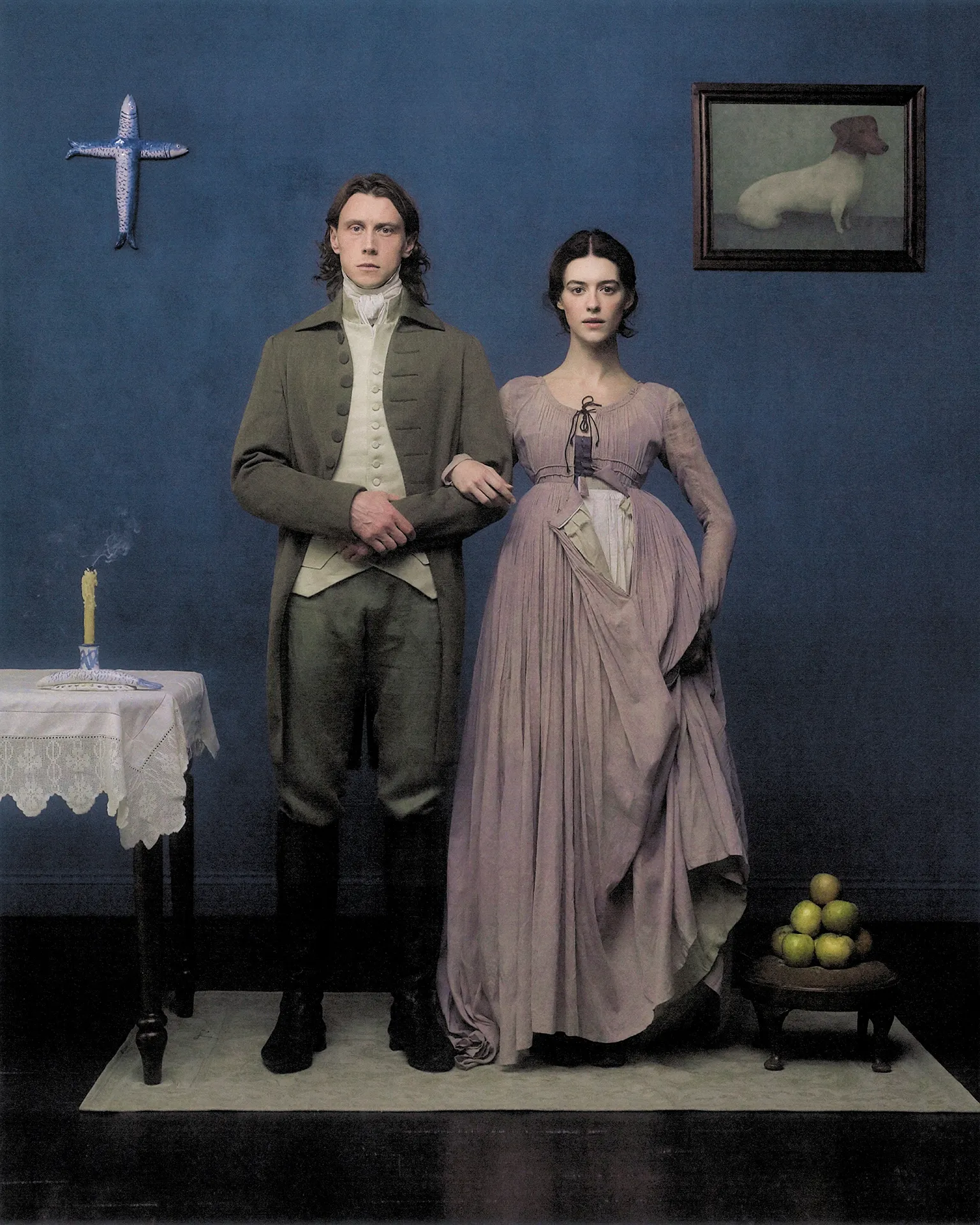
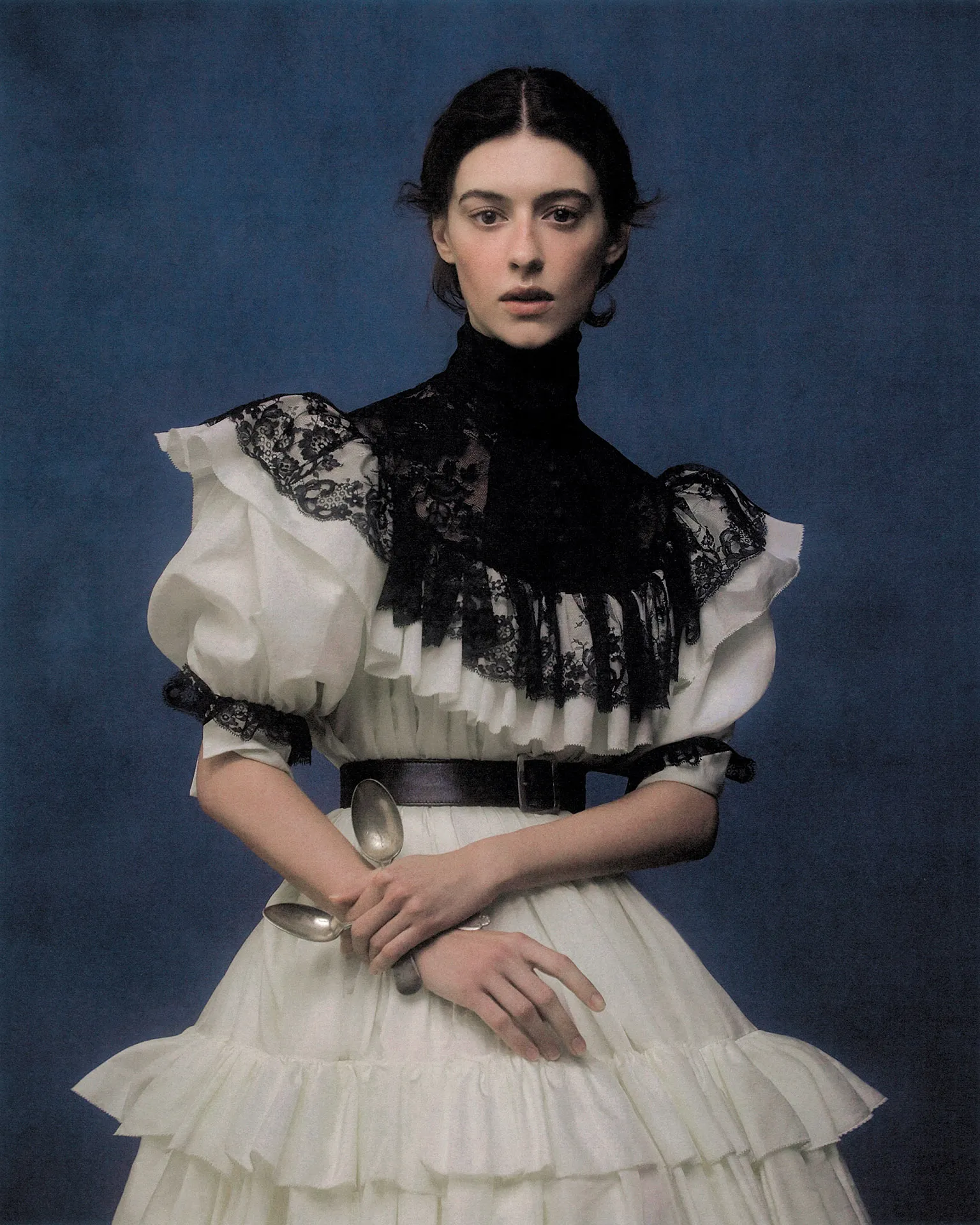
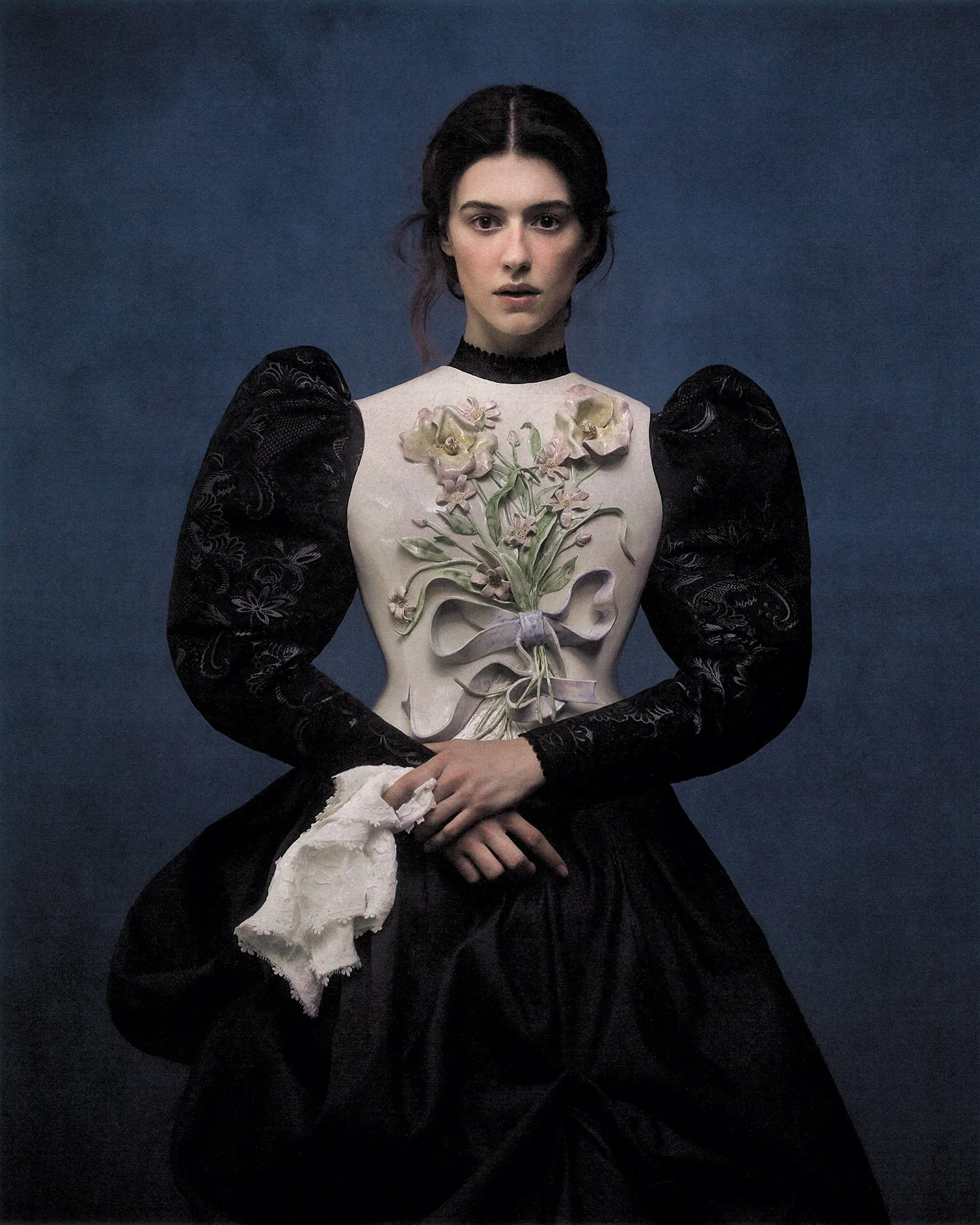
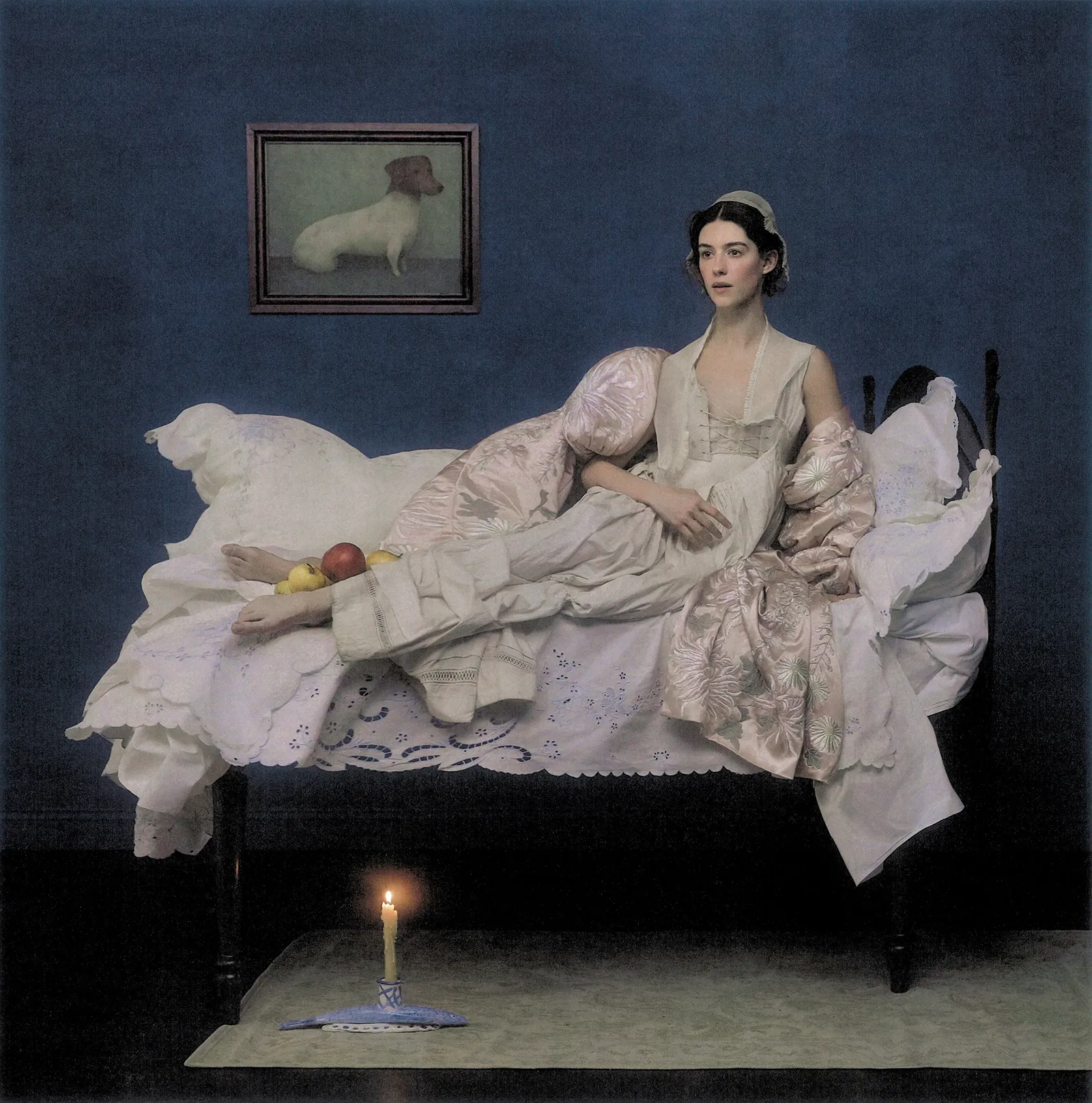
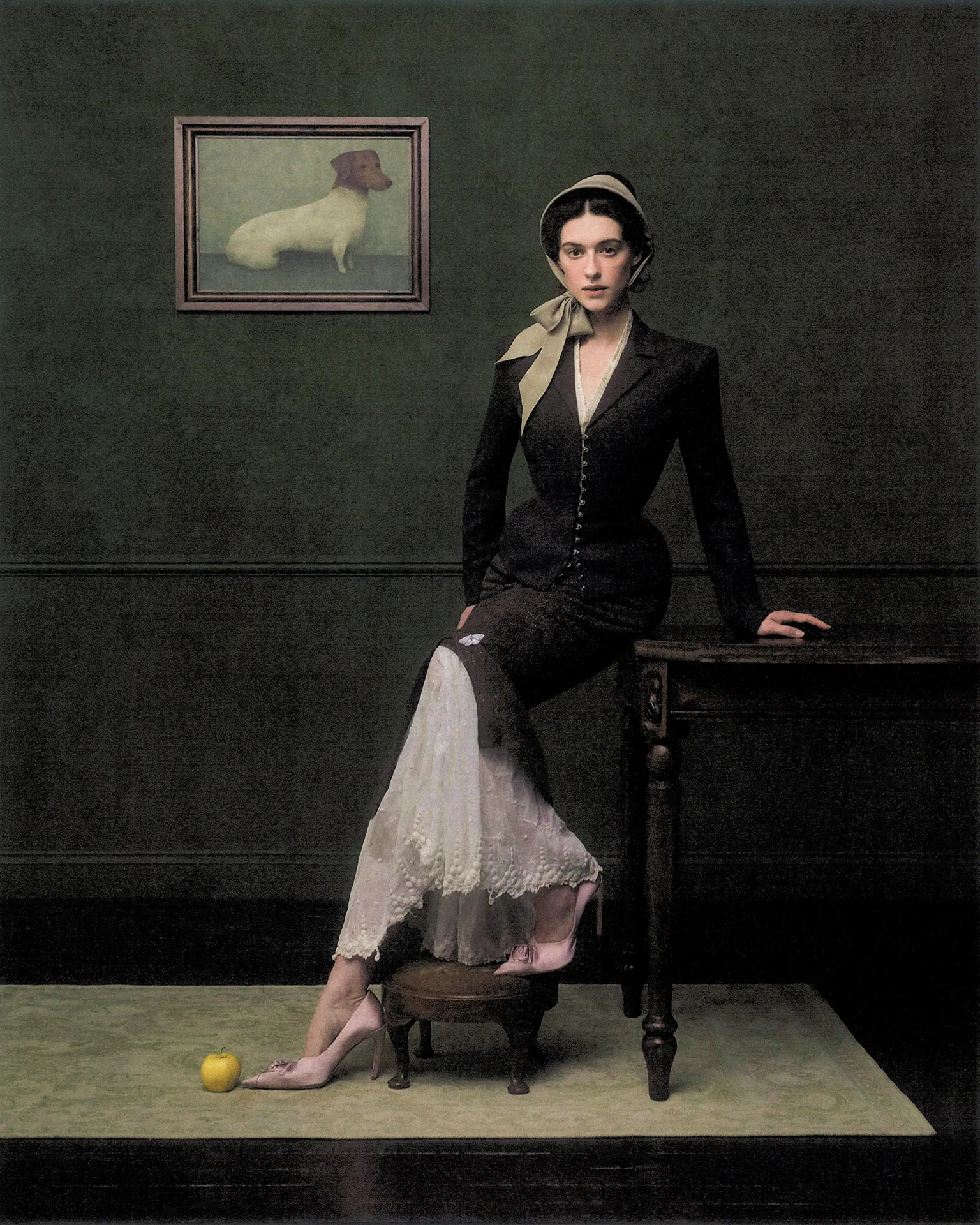
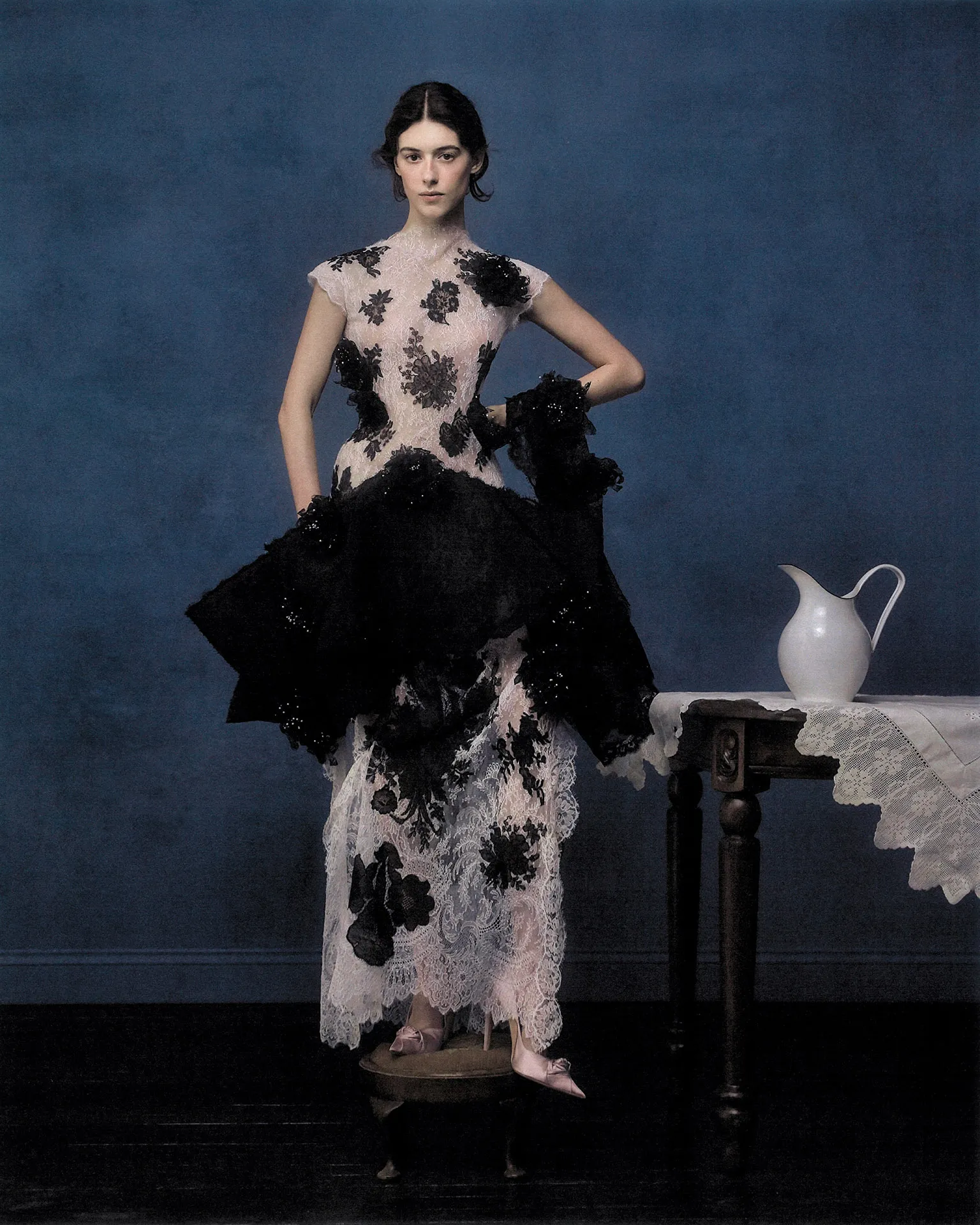
It wasn't really about the film, if I'm honest. It was what the film let me feel, that I don't normally let myself feel. The color grading alone does so much work — soft, muted, nothing oversaturated, nothing forced. Silhouettes instead of faces. Nothing spelled out, and somehow everything said. And there was a nurturing quality running through the whole thing; pure, delicate, softness that doesn't read as fragile. Just intentional.
Somewhere in the middle of it I remember thinking: I haven't let myself look at this in years.
II. The currency I grew up in
I grew up around power. Literally, sporty, broad-shouldered, tall — rugby players, baseball players — where strength was the thing that got taken seriously, and everything else was decoration at best. Also, figuratively, generations of diplomacy and politics. I was a tomboy through and through. Sports, not dresses. I loved to draw, write, dance, and sing — and I intentionally put them away; under the box 'not serious enough,' because that's what the room around me had trained me to categorise it under. To be taken seriously, I refused anything that read as girlish. It wasn't a rule anyone stated. It didn't need to be.
And then I spent 13 years inside a room that ran on the same currency in NYC and London, just with better tailoring. American institutional finance — alpha-male energy, Navy SEAL discipline, big egos, winning as the only unit of account. "Shark" isn't an insult in that world. People say it like a compliment. I know plenty of women — in Private Equity, at law firms, in finance — who've armoured up the same way I did, and I have seen women who won't even try New York because they can already see, correctly, that it would ask this of them, too. I used to assume some people on those floors were simply cruel by nature. 13 years in, I understood it differently: it isn't cruelty. It's a system that used to reward one narrow archetype so consistently that everything outside it starts to look like a liability, including in yourself.
You don't see many female MDs on those floors. You see even fewer who are visibly happy, with children, and a husband who is actually present rather than a name on a holiday card. I used to think that was a fairytale archetype — something I'd eventually meet if I just kept working hard and climbing. I'm not sure anymore that it exists in the numbers I once assumed it did. I still haven't seen the working example. Perhaps I haven't looked enough. I don't want to sound too pessimistic, but also one cannot be so naive about how things work. That's not a complaint. It's just the honest observation.
III. A different kind of power
What the film put in front of me, unbeknownst to me, was a different answer to the same question I'd been carrying for years: does power have to be loud to be real?
One doesn't need to shout to be taken seriously. One doesn't need to act tough to be let into the room the alpha males built. Maybe there's a different archetype of leadership — feminine groundedness, call it — that doesn't perform strength, and isn't any less strong for not performing it.
I'm certainly not romanticising the Victorian world this story is set in — women whose entire shape of life depended on a marriage, on inheriting even their own money through a man's permission. That world was a cage with good lighting. I'm not asking to go back to it.
What I'm pointing at is something narrower: a female director, shedding light on women's beauty, women's nurturing quality, women's daily life — shot the way women actually live it, not the way it's usually performed for someone watching. And somewhere in that, I found a small opening. Not an answer. An opening — into a question I've been circling for a while: what would an empowered feminine leadership actually look like, if I ever got to see it working?
How breathable would that be?!!
III. The archetype is loosening, even if slowly
To be fair, the picture isn't static. The narrow model I grew up inside — white, charismatic, mid-career man, disciplined, extroverted, loud enough to fill a room — isn't the only one being let through the door anymore. Not gone. Loosening. Especially since the pandemic, I've watched the scene change in front of me, close enough to see it rather than read about it. A broader set of leadership archetypes are being invited in now — quieter styles, different backgrounds, different ways of holding a room — where a decade ago they simply weren't on the shortlist.
Of course, loosening isn't the same as solved. The numbers at the top still tell an old story more than a new one. But I can see that things have changed a lot since I first walked onto a fixed income trading floor on Wall Street 15 years ago. The archetype I was handed as a young woman is not quite the same archetype being built today.
You can see it in the names, too. Christine Lagarde at the ECB, Kristalina Georgieva at the IMF, Ursula von der Leyen heading the European Commission. Angela Merkel governing Germany for 16 years through consensus rather than combat. Sanna Marin, until recently the world's youngest head of government in Finland. Gwynne Shotwell running SpaceX's operations as President and COO. Jane Fraser as Chair and CEO of Citi, Mary Barra doing the same at GM.
And then there's Jacinda Ardern — who led New Zealand through a terror attack, a volcano, and a pandemic with a style that actually looked like what I'd been searching for: warm, plain-spoken, unarmoured. Still, she resigned, saying plainly that she had nothing left in the tank. I don't know what to do with that yet, except to notice it honestly: even the leader who seemed to prove the archetype could exist also became the clearest evidence of what it costs to hold it without the old armour on. Maybe that's not a counterexample. Maybe that's the actual finding.
IV. The search
So I went looking.
Elizabeth II first — seventy years of holding a country together mostly through what she chose not to say. Then Jackie, who authored an entire era and burned her own letters so history would have to guess. Then Jeongsun, forty years behind a screen in Joseon-era Korea, remembered as a villain because someone else held the pen.
I went back further, too. Elizabeth I, who talked her way out of the Tower one letter at a time. Maria Carolina of Naples, married off at fifteen to a king who preferred hunting to governing — so she governed instead for thirty years. The king had the throne. She had the state.
And then closer to home: my own ancestors. Wives of kings, scholars, politicians, diplomats. Women who knew everything and said nothing.
Here's what stopped me: it was the same woman, every time. Different centuries, different palaces — the same shape. Know all, say nothing. Carry all, reveal nothing.
But I caught my own bias before I trusted the pattern. Every name on that list married or was born into power with no independent base of her own — a consort, a dowager, a First Lady. Of course that woman learns to rule invisibly. It's often the only tool in the box.
Widen the lens and the shape breaks. Catherine the Great took her throne in a coup and ruled overtly for thirty-four years. Indira Gandhi was never quiet a day in office. Angela Merkel governed Germany for 16 years in her own name, not a husband's — and did it through consensus and restraint rather than combat, which is closer to what I've been looking for than anyone else on this list, even if "quiet competence" isn't quite the same as the groundedness I saw on screen. Thatcher complicates things differently: she reached the top by out-hardening the men in her own cabinet. "Iron Lady" isn't feminine groundedness — it's the same currency I grew up trading in, just spent, for once, by a woman. In former communist countries - whether in China or Latin America - women's rights and status are often equal to men.
And then the harder question I can't resolve from where I sit: does holding the position mean you're heard? Hillary Clinton reached the edge of the presidency twice, criticised in the same breath for being too cold and too ambitious — a bind that has nothing to do with silence and everything to do with whether a woman in visible power gets read the way a man does.
The price of breaking away
I've talked about this with friends for years, without having the words for it until recently. There are only two lanes on offer: fit the mold, or break from it — and breaking away always costs something. Forge a new path and you're not just leading, you're inventing the archetype and leading at the same time. That's an unfair assignment to hand anyone who just wants to exist as herself.
Part of the cost is isolation. The community that raised you doesn't always follow you out — partly disapproval, partly something harder to admit: watching someone claim a freedom you never reached for isn't easy to witness. So you end up building a new community from scratch.
And the lament isn't only a woman's tax. Men, and non-gender-conforming people navigating their own version of the same narrow mold, pay it too. Women have just been paying it longer, and more visibly.
There's a second cost, closer to the ground. The moment a woman plays the other lane — speaks up, pushes, disagrees openly — the label arrives fast: difficult, bossy, entitled, too loud. It collapses, eventually, into one word: disagreeable. In an organisation, disagreeable doesn't mean incorrect. It means you've lost the standing that keeps you in the room — a quieter, procedural version of the same old witch hunt.
So here's what I found: the silent model is the one modelled for me, so it's the one I kept finding. Sample population bias. Women who married into courts with no throne of their own. It doesn't tell me much about women who held power outright, or whether holding the position is the same as being trusted with it.
It still isn't what I saw in that film. The film wasn't a woman holding power while performing invisibility for her own protection. It was women just being women, without needing a strategy for it — un-defended, and still commanding the whole frame.
That's the gap I can't close yet. I have plenty of examples of women who held power by disappearing, and a few who held it by matching the men at their own game, and now, in Merkel, one who held it plainly and still led with restraint rather than force. I still don't have a clean example of a woman who led by staying visible, soft, and unarmoured the whole way through. Maybe she exists and I haven't found her. Maybe she's being built right now. Or maybe I'm looking for something with no precedent yet — which makes it not a discovery, but a design problem.
V. What I'm still looking for
So, no tidy lessons this time. Just the honest shoreline of where I've landed.
- The armour was rational, not a character flaw: I didn't put it on because something was wrong with me. I put it on because it was the only currency the room I was in accepted. That's worth remembering before you judge anyone — including yourself — for wearing it.
- The old archetype is real, and it's also already loosening: Both things are true at once. I'd rather hold that tension than pick the version that makes a better headline.
- Silent power was a real, effective strategy inside a specific trap — consorts and dowagers with no throne of their own — not a universal law about women and power: Jackie, Jeongsun, Elizabeth I, Maria Carolina, my own ancestors... they show me what's possible from behind a curtain. Catherine the Great and Thatcher show me a different route entirely — matching the existing archetype rather than replacing it. None of them show me what I'm actually still looking for.
I don't have a working example yet, and I'm done pretending that's a small admission. Not finding your archetype modelled anywhere is its own kind of information. It might mean I haven't looked hard enough. It might mean the thing genuinely doesn't have a precedent yet, and someone has to be first.
VI. In Closing...
I want to end where I started. What really got me, watching it again in my head while writing all this, was the attention to detail — you can tell every frame was considered, nothing accidental. There's a feminine gaze running through it, plainly, once you have the word for it: the way the women are shot, silhouettes used instead of just faces and bodies. Romantic without being try-hard. Nostalgic in a way that feels earned, not manufactured. The color sits in warm, natural tones that feel like they belong to the season and the story, not slapped on in post.
I haven't seen women's beauty portrayed this earnestly and purely in a long time — the texture of the dress materials, the lighting, the sceneries, natural and organic and gentle, all those words that get thrown around a lot but actually apply here. "No wonder it was directed by a woman," we all said afterward, half-joking, not joking at all.
Honestly, it's been a while since a film felt this elevated. Just quietly, confidently beautiful.
That's the whole essay, really, in one sentence about a film.
Never have I ever longed to put on a feminine dress!
![Obsidian Essay | Leadership] The Queen Behind the Screen ft. Jeongsun of Joseon (정순왕후) - Life and Leadership Lessons](https://storage.ghost.io/c/2a/9e/2a9e2b04-30f6-4166-8010-a3730d2eb719/content/images/size/w720/2026/09/Screenshot-2026-09-13-024407.png)
![Leadership] The Odyssey and Superhuman](https://images.unsplash.com/photo-1728076992371-659f5540a27c?crop=entropy&cs=tinysrgb&fit=max&fm=jpg&ixid=M3wxMTc3M3wwfDF8c2VhcmNofDJ8fGl0aGFjYSUyMGdyZWVjZXxlbnwwfHx8fDE3ODg0MTA0OTZ8MA&ixlib=rb-4.1.0&q=80&w=720)
![Obsidian Essay | Leadership] JFK.](https://storage.ghost.io/c/2a/9e/2a9e2b04-30f6-4166-8010-a3730d2eb719/content/images/size/w720/2026/08/231120172101-lead-image-john-f-kennedy-life-career.webp)
Comments ()