Obsidian Essay | Leadership] A Summer Breeze, a Rooftop, and the Life of a Habsburg Daughter - Maria Carolina of Austria
![Obsidian Essay | Leadership] A Summer Breeze, a Rooftop, and the Life of a Habsburg Daughter - Maria Carolina of Austria](https://storage.ghost.io/c/2a/9e/2a9e2b04-30f6-4166-8010-a3730d2eb719/content/images/size/w1200/2026/07/Maria-Carolina-1.png)
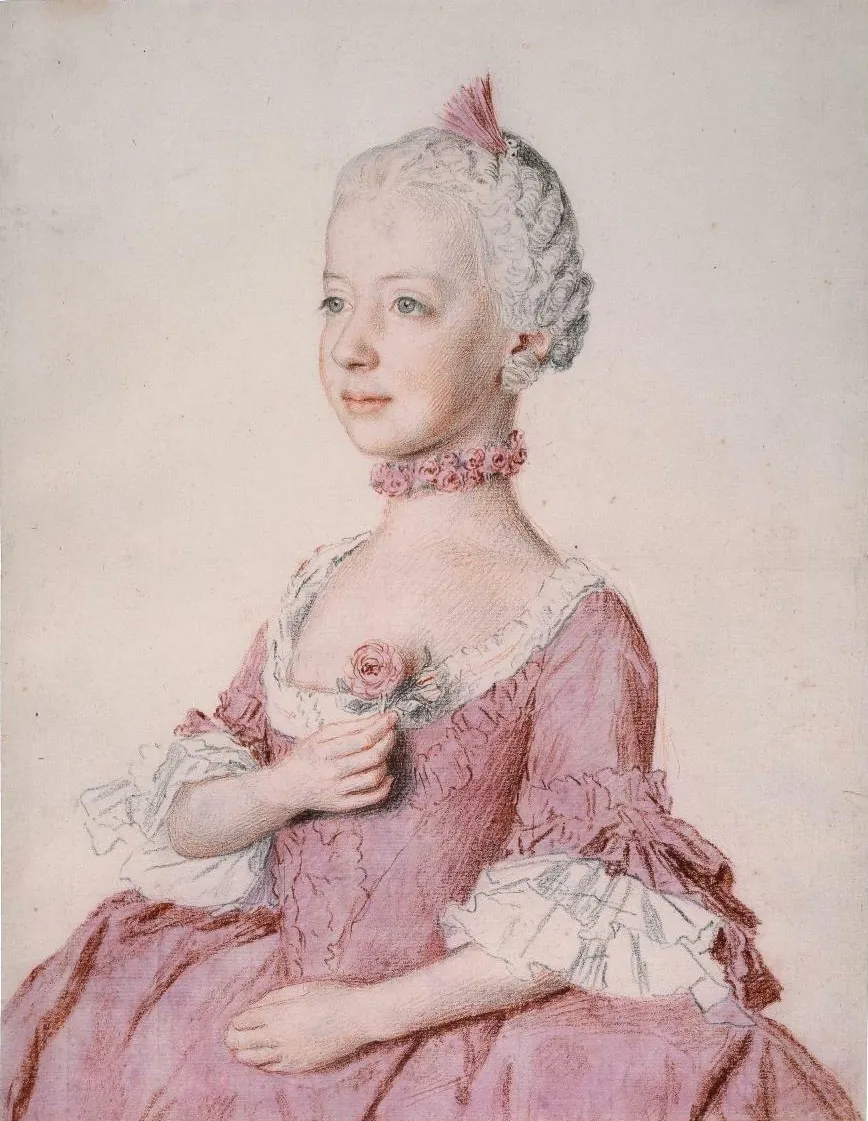
EJ's note
"Bella gerant alii, tu felix Austria, nube." — Let others wage war; you, happy Austria, marry. — the Habsburg family motto, wielded like a pun (and a strategy) by Empress Maria Theresa
A summer breeze, a rooftop, a birthday. We were looking out over the horizons of the land from my friend's rooftop terrace on a Friday evening — one of those gatherings I treasure most: picture-perfect drowsy slow summer evening, intimate, down-to-earth, wonderfully non-flashy. Academics deep in conversations (from AI to the philosophy of human virtues to one perfect governing principle for humanity to Aspen and Peter Thiel's world), summer fruits, cheese and crackers spread on the table, summer dresses, small babies being passed from lap to lap, dogs weaving between our legs, friends/colleagues who had flown in from the US and Stockholm for conferences. Nobody is performing, relaxed, and everybody is simply present (beyond the first facade of Academics' distinctive intellectual superiorities-after all, these are all professors and I was the only anomly in the group as a non-academic).
Somewhere between the toasts and the sunset, I started talking about an idea I have been mulling over for a while: a literary salon — something like the Literary Rendezvous at Rue Cambon that Charlotte Casiraghi hosted years ago, where writers, actors, and readers gathered around one text and one conversation at a time. Just a little less serious or too french. (Or maybe just a very ambitious book club — the branding is still under negotiation.)
In the background, we could hear people talk about the games. It is that season in London, after all. Every four years, the city turns into this wonderful mix-match of celebrations: the FIFA World Cup spilling out of every pub and while across town, Wimbledon carries on in its whites and strawberries as if the roaring in the sports bars were happening on another planet. I love this season. For a few weeks, it genuinely feels like the whole world comes together in London.
And as the salon idea took shape on that rooftop, the conversation drifted to my old best friends. One is Austrian — or rather, half Italian and half Austrian, from Bolzano, that in-between city in the Alps where people identify themselves as Austrians more so than Italians. The Habsburg crest is still there in her family's village. The other is from Paris, French through and through. Books and empires in the evening breeze, while the whole world played football below us.
And somewhere in that conversation, it struck me. Today, nations come together every four years on a pitch. Two and a half centuries ago, they came together at the altar — and the ones who paid the price of those unions were almost always women.
Which is how we ended up talking about a Habsburg daughter most people have never heard of. Maria Carolina of Austria.
Enjoy!
I. Let others wage war; you, happy Austria, marry
Her mother was Maria Theresa, Empress of Austria — one of the most formidable rulers Europe ever produced, and mother to sixteen children. Sixteen! And here is the part of this history that fascinates me most: the family's entire approach to power was compressed into a single Latin line that was half motto, half pun, and the empress lived by it. Bella gerant alii, tu felix Austria, nube. Let others wage war; you, happy Austria, marry.
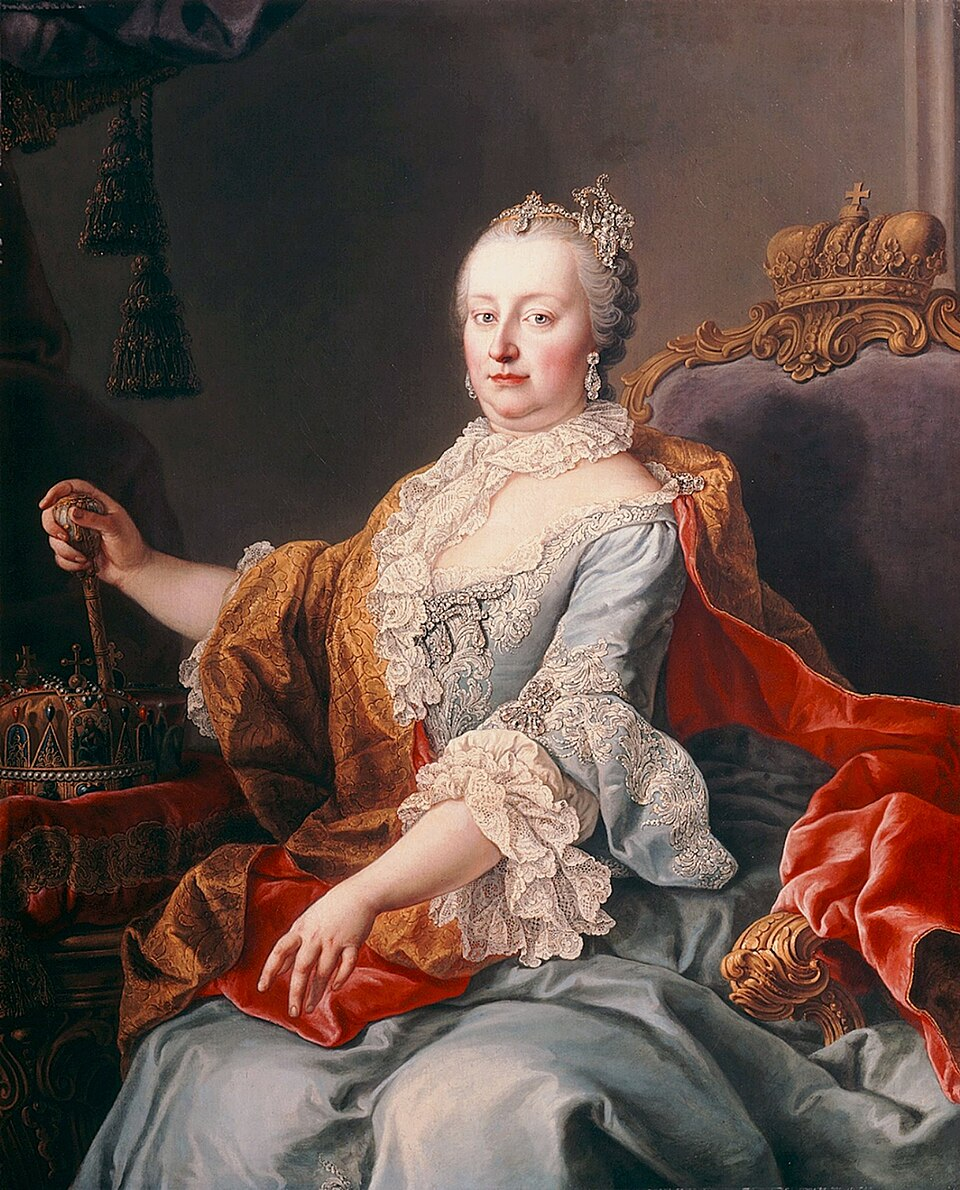

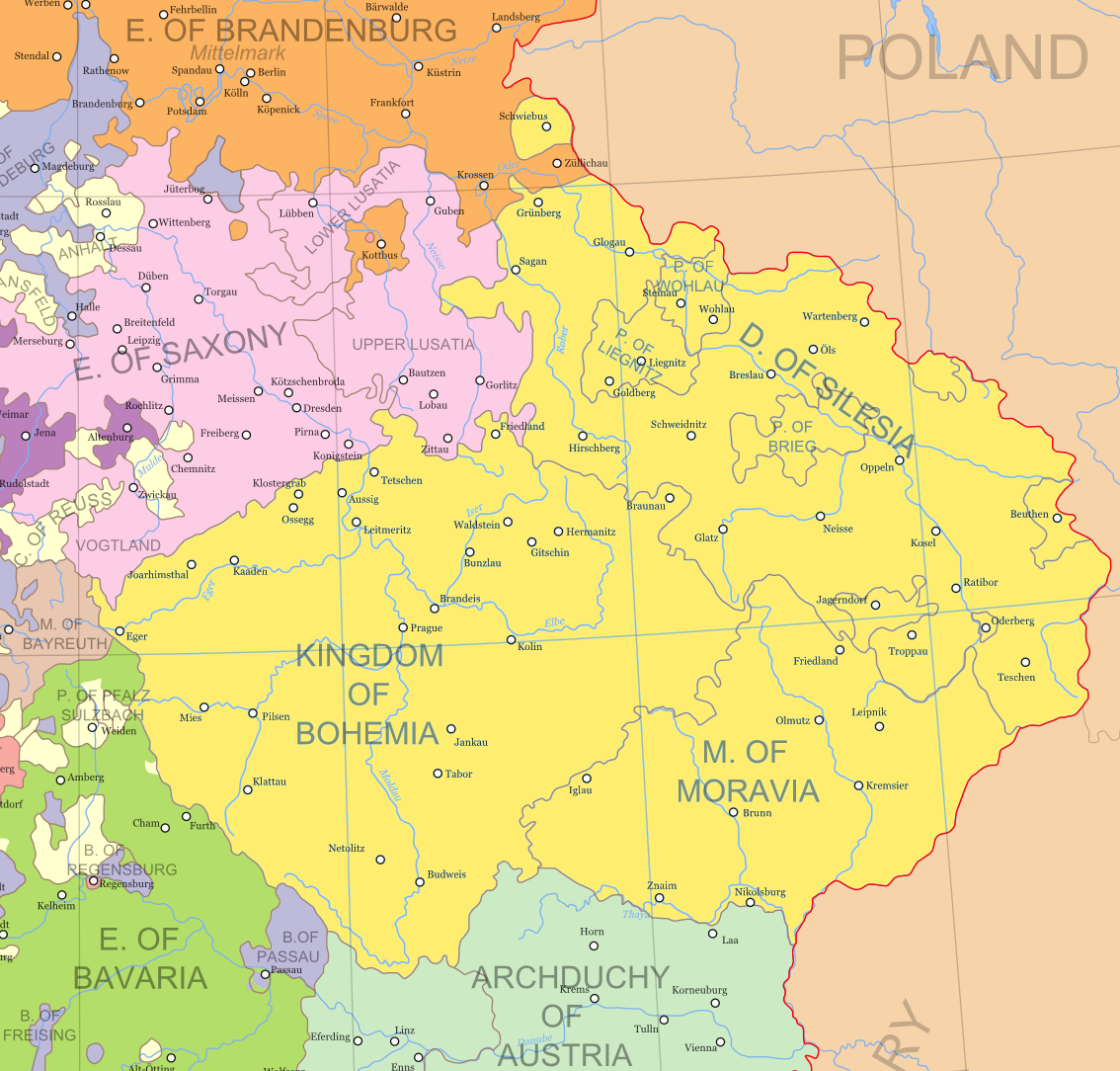
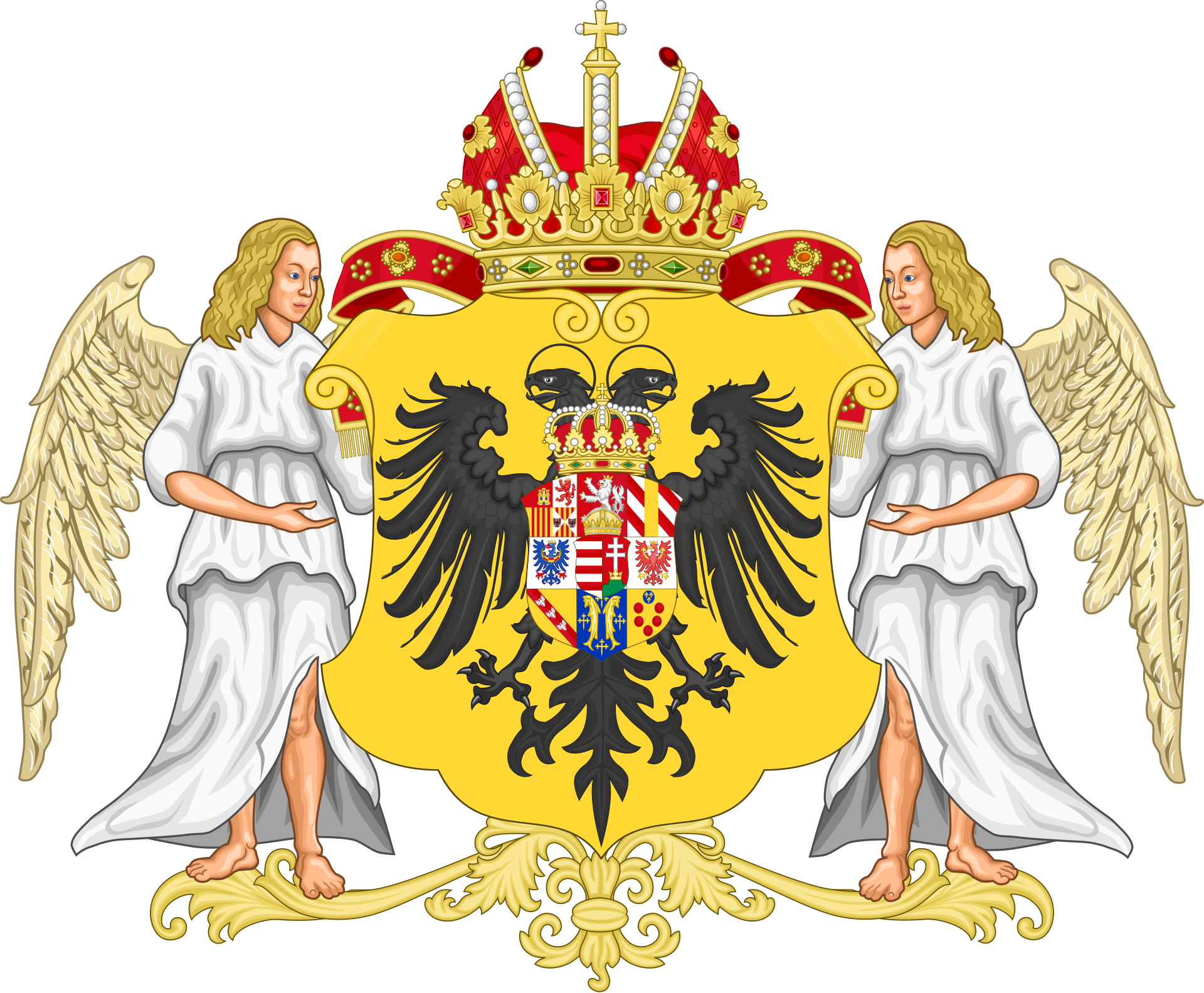
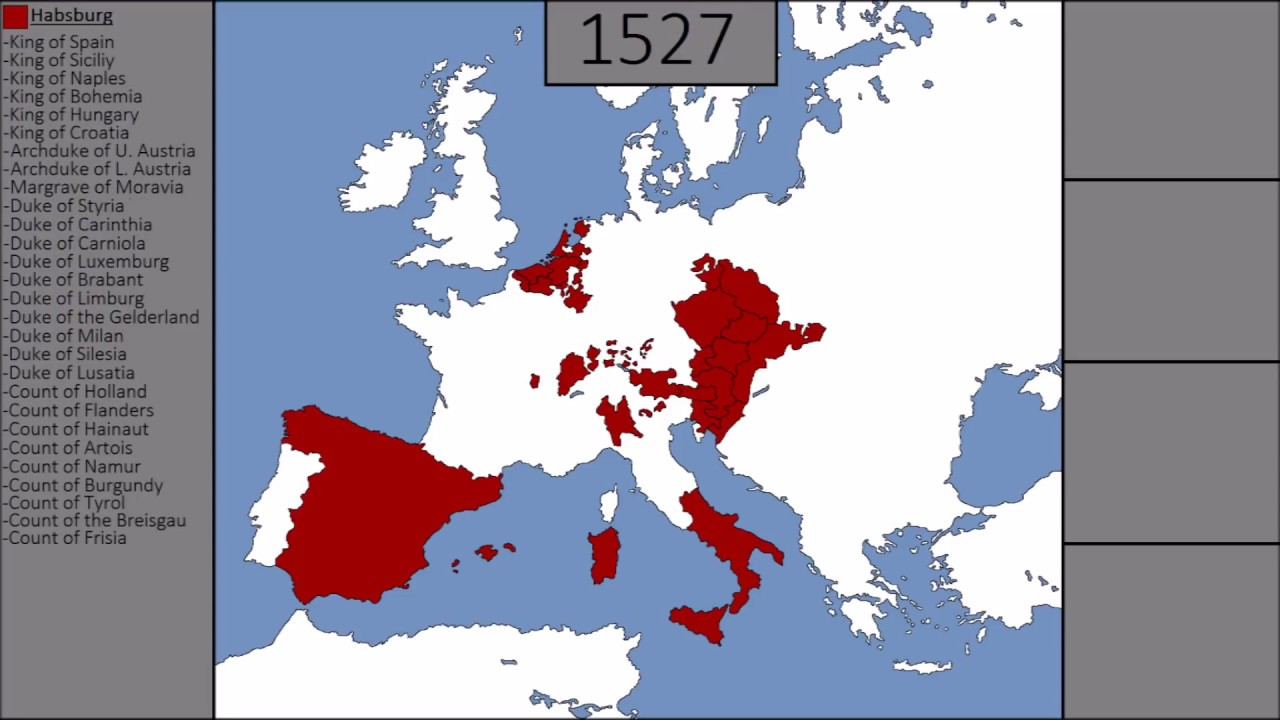
It sounds almost charming until you understand what it meant in practice. Maria Theresa's daughters were not raised to be women; they were raised to be treaties. Each archduchess was a signature waiting to be placed on an alliance — a border secured, a rival neutralised, a throne bound to Vienna. Their weddings were negotiations. Their bodies were diplomacy. The empress loved her children — her letters make that painfully clear — and she dispatched them anyway, one by one, to foreign courts: each daughter renamed, redressed, and required to be exquisite.
Love was not the point. Austria was the point.
One daughter went to France. Her name was Maria Antonia, though history remembers her by the French version: Marie Antoinette.
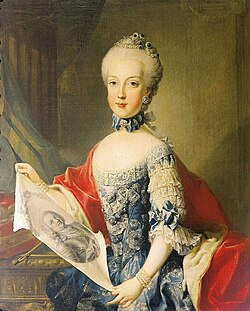
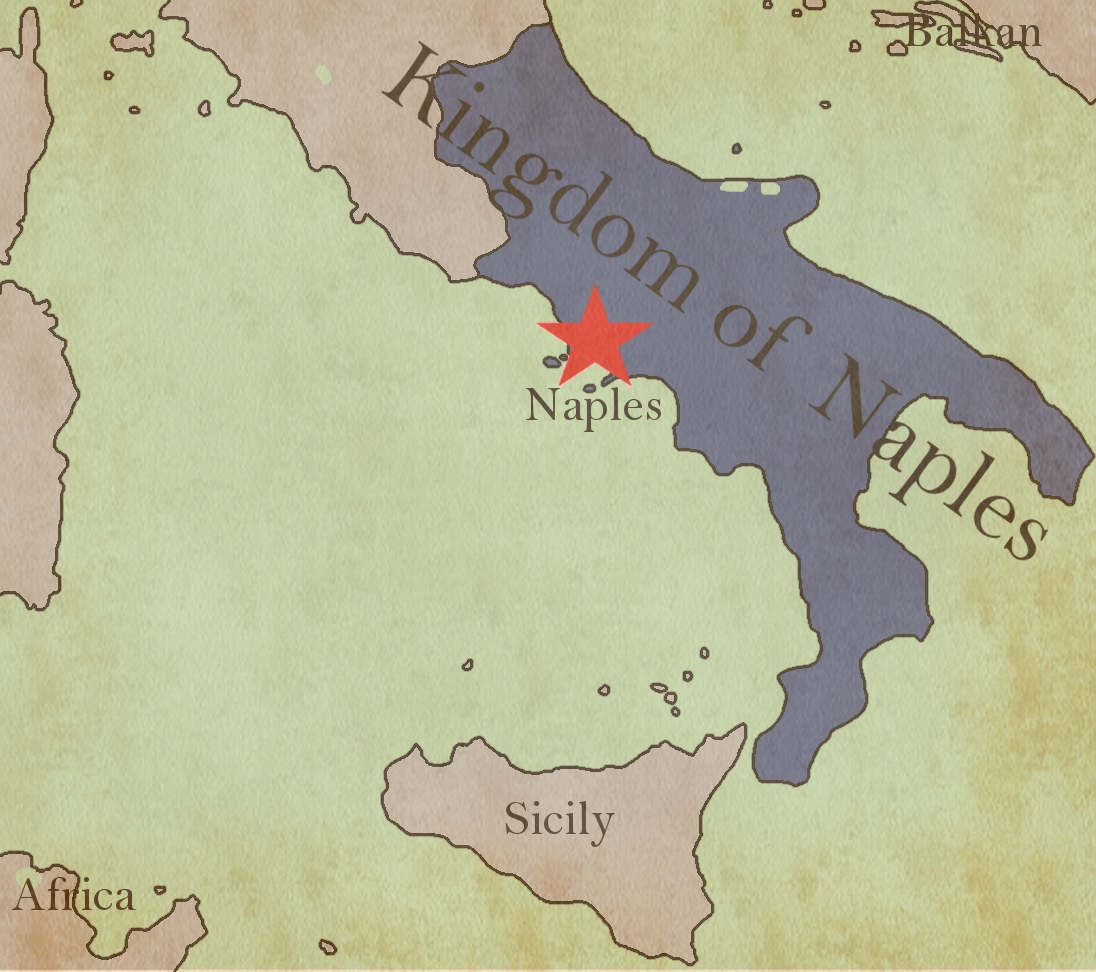
Another went south, to Naples. Her name was Maria Carolina. She is the one I cannot stop thinking about.
II. Sixteen, and a queen in a foreign land
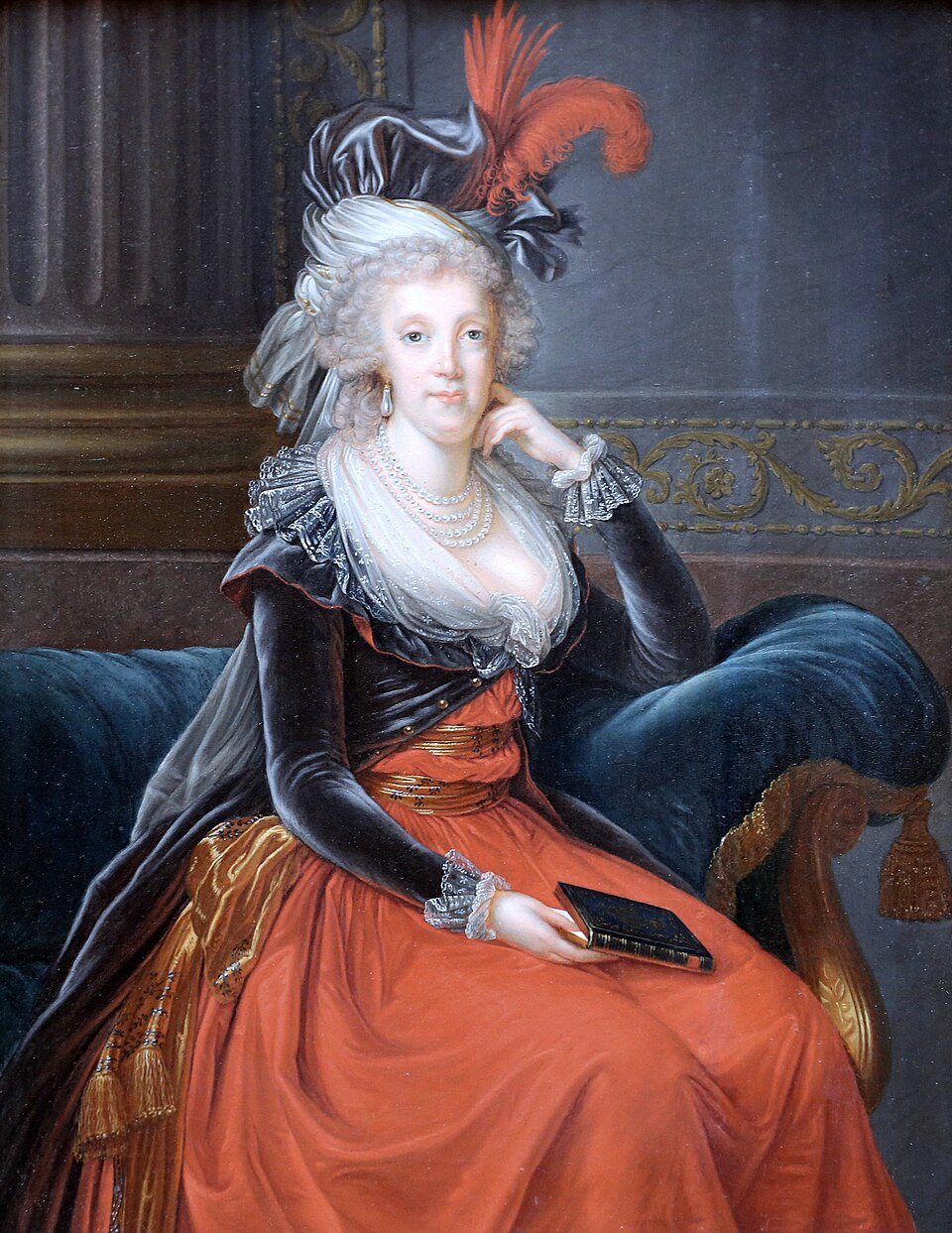
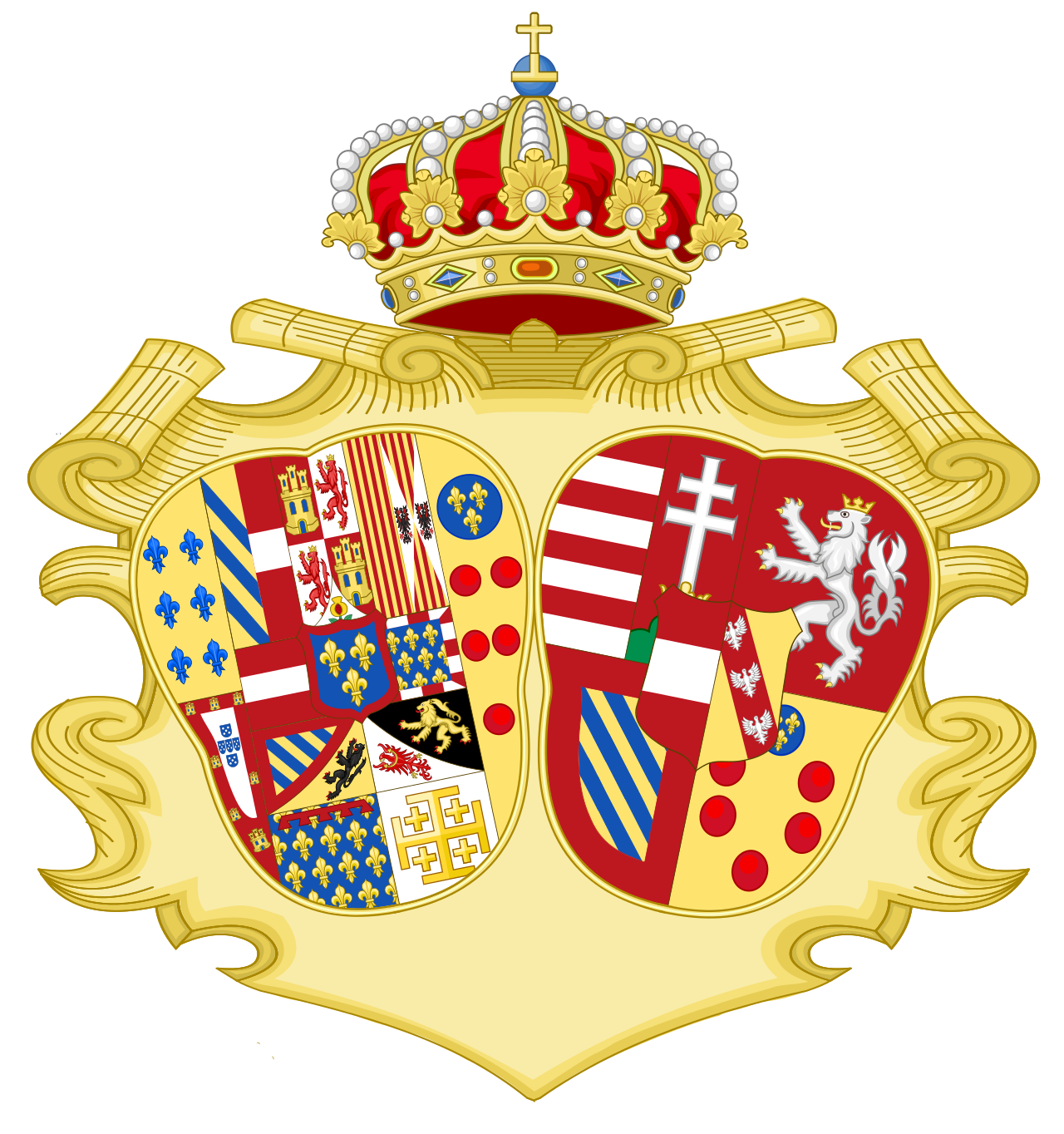
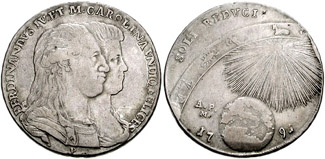
Maria Carolina left the Austrian court as a teenager — a girl who had grown up in the gardens of Schönbrunn among a crowd of siblings — and at sixteen she was Queen of Naples, married to King Ferdinand, a man she had never met before the wedding was already a settled fact. And here is a detail that surprised me: Ferdinand was hardly the older monarch you might picture. He was born just seventeen months before her — a teenager himself, seventeen to her fifteen when they wed, a boy-king who had technically sat on the throne of Naples since the age of eight. Two teenagers, handed a kingdom. She wept when she learned her fate. Her mother sent her anyway, with instructions, with prayers, and with the unspoken understanding that a Habsburg daughter's homesickness was not a matter of state.
And the shock of that relocation was by design total. A Habsburg bride surrendered her homeland at the border — quite literally. Tradition demanded a handover ceremony at the frontier, where the departing archduchess was undressed of everything Austrian and re-dressed, head to toe, as a subject of her new country. When Marie Antoinette made her own crossing into France two years later, she was famously stripped of her Austrian clothes on an island in the Rhine and made to leave behind even her little dog. One did not merely move to a new country; one was ceremonially unmade at its edge, and remade on the other side.
I keep thinking about that age. At sixteen I was on a similar boat as her - so there is an element of sympathy in me here, although my sudden uprooting and relocation to Canada was not for a political alliance or loveless marriage. Not even comparable. At sixteen, she crossed the Alps to run a kingdom — unmade and remade at the border on her way.
Naples must have been a shock: loud, sun-struck, chaotic — and a husband who preferred hunting, fishing, and roaming among his subjects to anything resembling the business of ruling. Ferdinand was out and about, endlessly. And so, discreetly at first and then not so discreetly, his young Austrian wife began to govern. Her marriage contract had even foreseen it — once she gave the kingdom an heir, she earned a seat on the Council of State. She took that seat and never really left it. For decades, the real politics of Naples ran through her: the correspondence, the appointments, the alliances, the reforms. The king had the throne; the queen, behind the scenes, had the state.
She built her own world inside that foreign court. Her confidantes and ladies-in-waiting were French — the language of her letters, her intimacies, her private self. And she formed a close, sustaining friendship with an Italian noblewoman of the court — one of those rare bonds in which a queen could, for an hour, be simply a person. In a life where nearly everyone who approached her wanted something, those friendships were the closest thing she had to home.
III. Holding, not raising; Love, not expressed
Here is the detail that led me to the thinking cave.
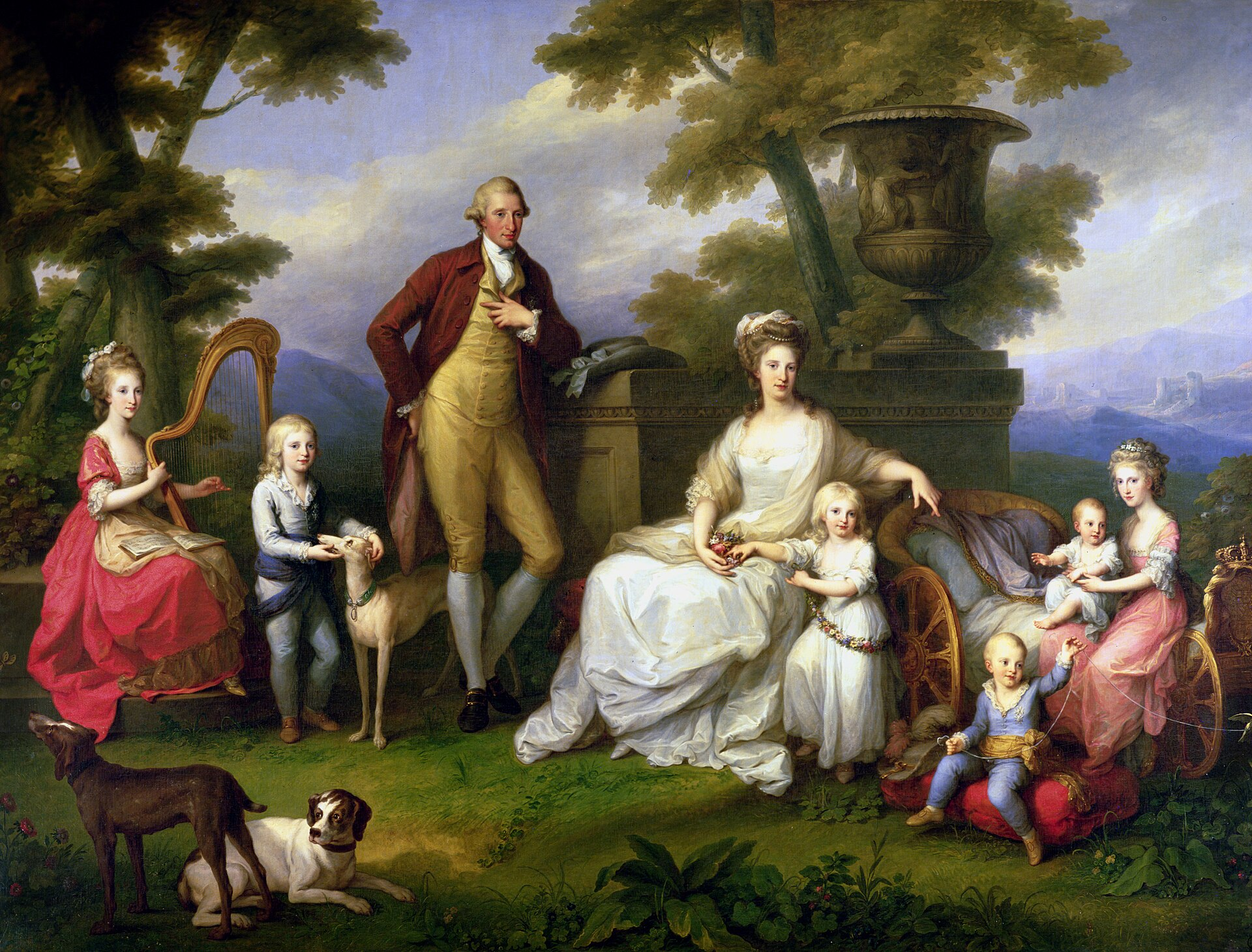
Maria Carolina bore many, many children — pregnancy after pregnancy, year after year, because producing heirs was as much a duty of her office as signing dispatches. And yet she did not, in any real sense, raise them with her own hands. Duties always came first. There were councils to sit in, a kingdom to steer, a husband's absences to cover for. Her children were raised by governesses and staff, inside the machinery of the palace, while their mother governed.
What she could do — the best she could do, to the fullest extent her position allowed — was hold them. A child brought to her, placed in her arms, held for a while, and handed back. Holding, not raising. That was the extent of motherhood that royal duty allotted her. Even her love could not move freely: protocol dictated when affection could be shown, to whom, in what form, before which witnesses. Affection rationed by rank; love felt, and never freely voiced or expressed. A queen's tenderness, like everything else about her, was a matter of ceremony.
When people romanticise the lives of princesses, I think of that image: a mother permitted to hold her children, but never to raise them. A girl who could not express her love to her beloved man...
IV. The sister across the mountains - Marie Antoinette
And then there was the grief no protocol could contain.
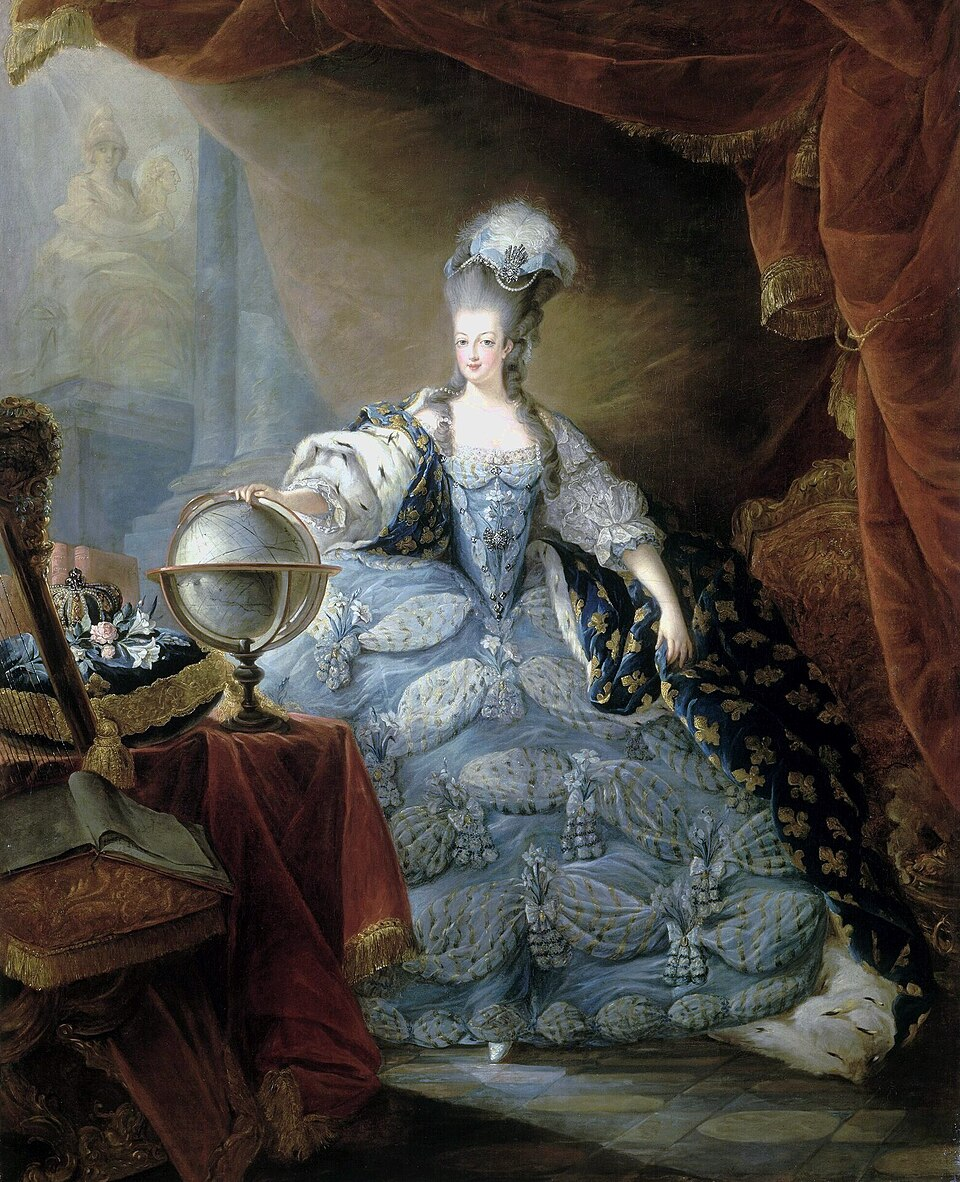
Maria Carolina and Marie Antoinette had been close in the Vienna nursery — Maria Carolina the elder by just three years, the two of them so inseparable, and by all accounts so mischievous together, that their mother eventually ordered them raised apart. Sisters raised side by side, then sent to opposite ends of Europe by the same maternal pen. They never saw each other again. They wrote; they followed each other's lives through letters and diplomats' reports. And in 1793, the news reached Naples that revolutionary France had sent Marie Antoinette to the guillotine.
Maria Carolina had to absorb, from a thousand miles away, the fact that her sister had died on a scaffold in a foreign land — the very land their mother's marriage diplomacy had bound her to. There was no funeral to attend, no farewell. Only the news. It marked her permanently; historians trace so much of her later ferocity in politics back to that single, unhealable wound. The system of alliance marriages had promised that a daughter given away would be safe — elevated, protected by her crown. Her sister's death exposed the promise for what it was.
V. Exiled, even from her exile
And the uprootings were not finished with her. If leaving Vienna at fifteen was the first sudden relocation of her life, fate — cruelly — had only been rehearsing.
In December 1798, French revolutionary armies marched on Naples, and the royal family fled by night: hurried aboard Admiral Nelson's flagship with whatever treasure and papers could be carried, sailing for Palermo through one of the worst storms anyone aboard could remember. Her youngest son, six-year-old Alberto, died during that crossing. A queen who had spent thirty years building a state watched it dissolve behind her in a single evening — a kingdom reduced to what fits on a ship.
She returned when the republic fell. Then Napoleon came, and in 1806 the family fled to Sicily a second time, while a Bonaparte was installed on their throne in Naples. And then the final indignity: in 1813, her own allies, the British, pushed her out of Sicily itself — the queen deemed too inconvenient even for her refuge. She was sent on a months-long odyssey by sea and land around a continent at war, all the way back to Vienna: the city she had left as a girl, returning as an exhausted woman in her sixties. She died there in September 1814, quite suddenly, just as Europe's diplomats were gathering in that very city for the Congress of Vienna — the congress that would restore her family's throne. She did not live to see it.
The last golden hour of her world had already passed. Hers was a life that closed with its era. Born into the high summer of the old European order, she outlived it by just long enough to watch it end — and died at the exact hinge where the old world was buried and the new one negotiated, in the city where her story began.
Her legacy and accomplishments:
- Real power, not ceremony: used her marriage contract to enter the Council of State, ousted minister Tanucci, ended Spain's remote control, and effectively ruled Naples for three decades.
- Military moderniser: brought in John Acton to rebuild the army and navy, making Naples a genuine Mediterranean power.
- Enlightenment patron: championed reformers, science, the Pompeii excavations, and the progressive San Leucio silk colony (before turning sharply repressive after 1789).
- Anti-Napoleon strategist: forged the British alliance (Nelson, the Hamiltons) that kept her small kingdom fighting France and her dynasty alive to be restored in 1815.
- Dynastic legacy: ancestor of much of royal Europe; one daughter an empress, another Queen of the French — and, in fate's cruelest twist, her granddaughter married to Napoleon himself.
Note) "The sister across the mountains - Marie Antoinette" & "Exiled even from her exile" were written by AI and reviewed by me.
VI. In Closing...
Learning about her life from where I sit is strange and personal. Maria Carolina was handed the most gilded version of that textbook life imaginable, and no door to walk through. She did not get to choose her country, her husband, her work, or even her way of loving. What she chose — the only thing left to choose — was how brilliantly to play the hand. And she played it better than almost anyone around her.
What a perfect summer salon we had on a rooftop!
Question for you: Which woman/man from history do you think deserves her/his own salon evening?
If you have time...
- In the Shadow of the Empress by Nancy Goldstone — the story of Maria Theresa and her daughters, including Maria Carolina and Marie Antoinette. The book that first made me see the sisters side by side.
- Marie Antoinette: The Journey by Antonia Fraser — the classic, deeply humane biography of the sister who went north instead of south.
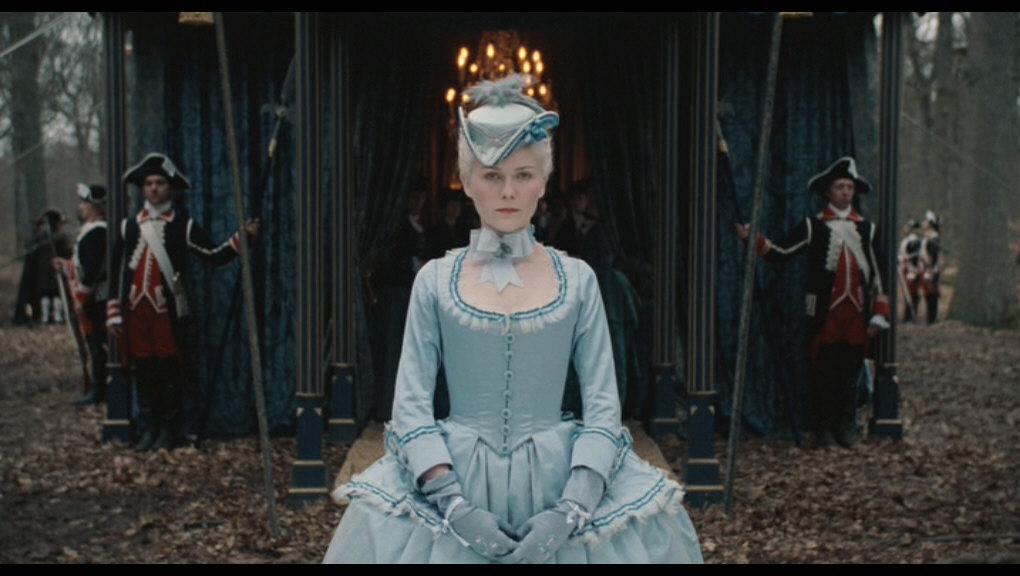
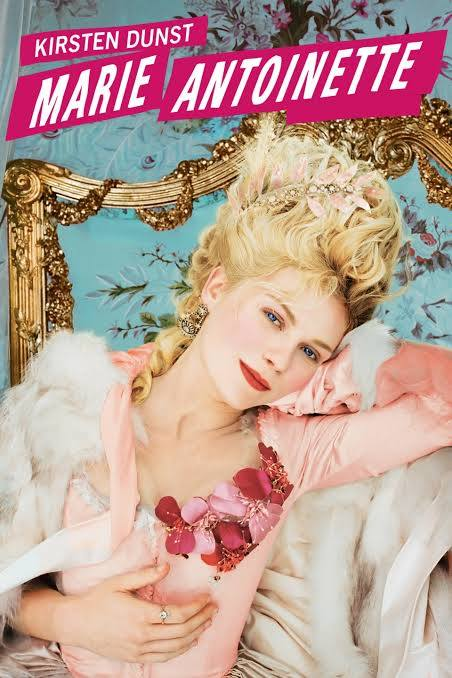
- Movie - Marie Antoinette (2006):
- Chanel - Literary Rendezvous :
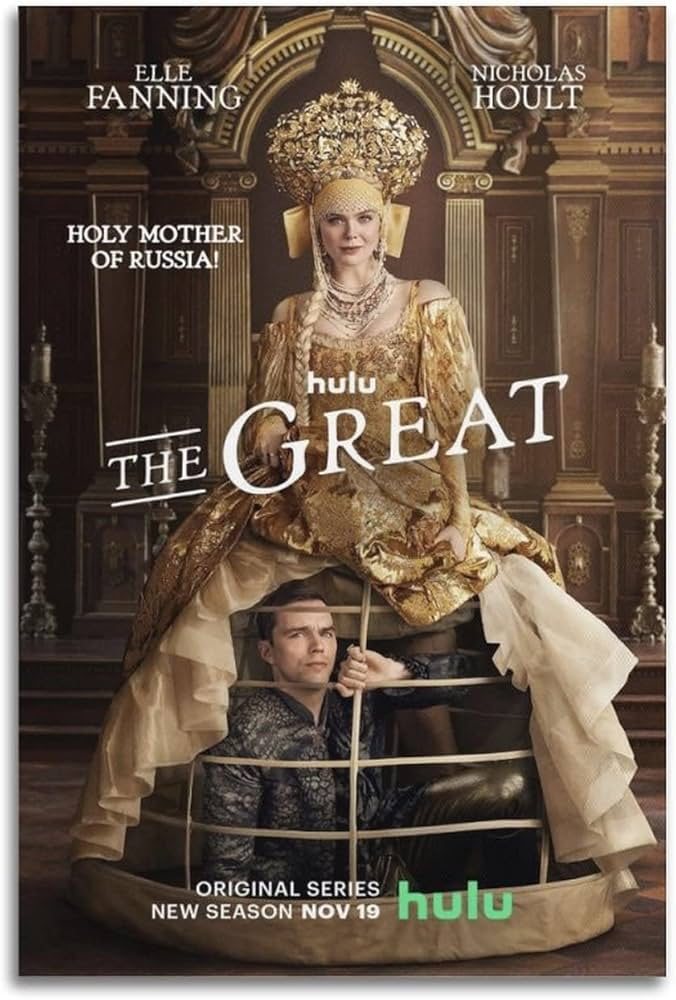
- The Great (TV Series 2020-2023): On a similar vein, this one is about Catherine the Great - Catherine II, commonly known as Catherine the Great, was the Empress of Russia from 1762 to 1796. She came to power after a coup d'etat against her husband, Peter III. Her long reign helped Russia thrive under a golden age during the Enlightenment.
![Obsidian Essay | Leadership] Behind the Curtain: What Sense and Sensibility (2026) Taught Me About the Female Leadership Archetype](https://storage.ghost.io/c/2a/9e/2a9e2b04-30f6-4166-8010-a3730d2eb719/content/images/size/w720/2026/09/Sense-and-Sensibility.jpg)
![Obsidian Essay | Leadership] The Queen Behind the Screen ft. Jeongsun of Joseon (정순왕후) - Life and Leadership Lessons](https://storage.ghost.io/c/2a/9e/2a9e2b04-30f6-4166-8010-a3730d2eb719/content/images/size/w720/2026/09/Screenshot-2026-09-13-024407.png)
![Leadership] The Odyssey and Superhuman](https://images.unsplash.com/photo-1728076992371-659f5540a27c?crop=entropy&cs=tinysrgb&fit=max&fm=jpg&ixid=M3wxMTc3M3wwfDF8c2VhcmNofDJ8fGl0aGFjYSUyMGdyZWVjZXxlbnwwfHx8fDE3ODg0MTA0OTZ8MA&ixlib=rb-4.1.0&q=80&w=720)
Comments ()