Book] Consciousness | The Hitchhiker's Guide to the Galaxy (1979) by Douglas Adams: A Space Kid's Introduction
![Book] Consciousness | The Hitchhiker's Guide to the Galaxy (1979) by Douglas Adams: A Space Kid's Introduction](https://storage.ghost.io/c/2a/9e/2a9e2b04-30f6-4166-8010-a3730d2eb719/content/images/size/w1200/2026/06/images.jpg)
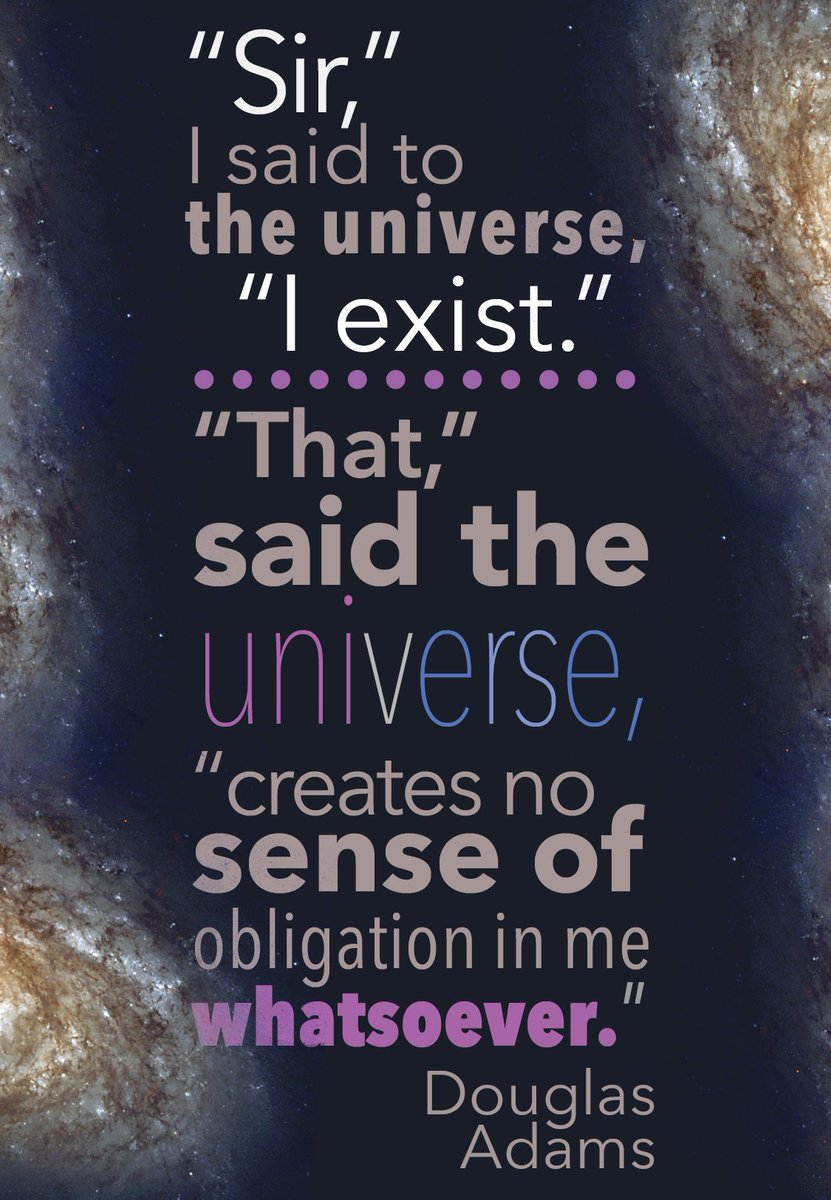
I. My reflection: Why I Love This Book
I grew up looking up.
Some of my earliest memories are of standing in the dark with my dad, his telescope pointed at the sky, the two of us tracing constellations and chasing planets across the cold. My favorite planets to see were Saturn and Jupiter. Honestly, moon craters were overrated to me — Saturn was the planet, and its beautiful ring was the fascinator. I could look at it forever.
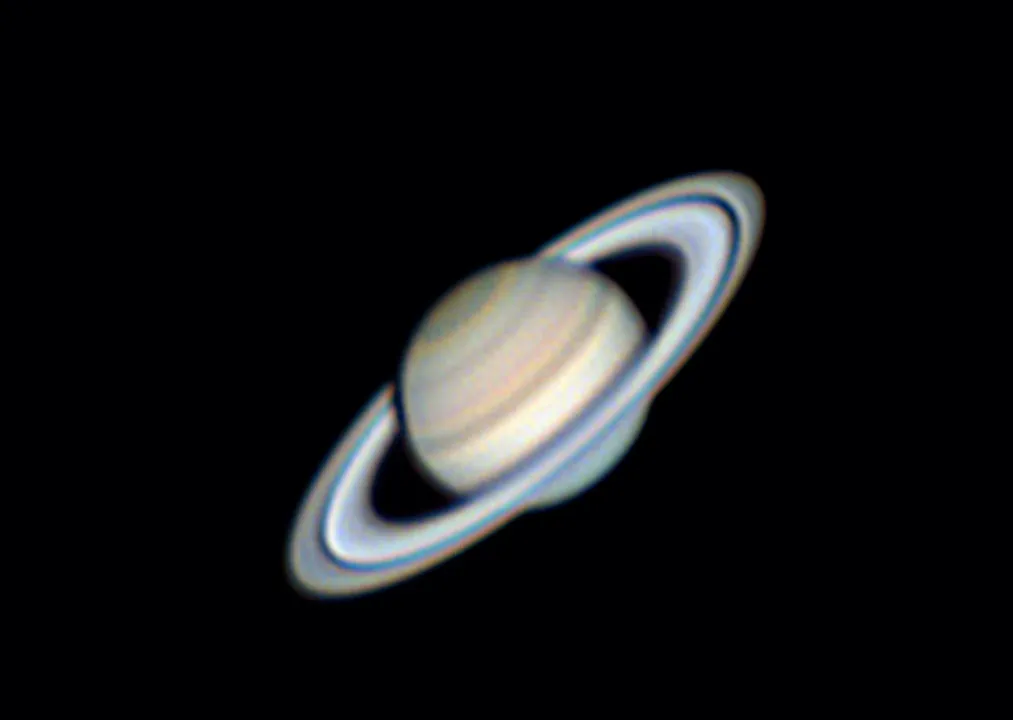
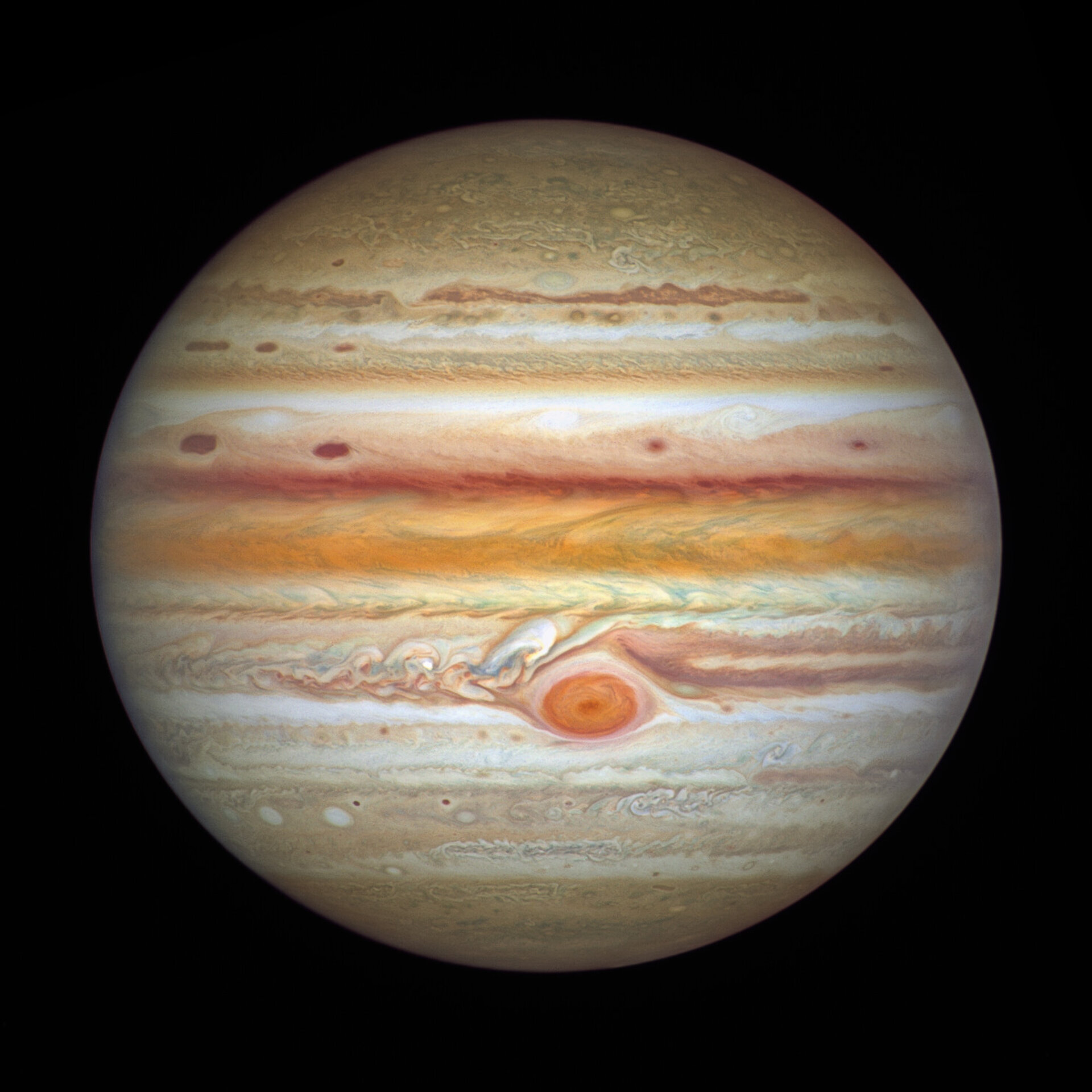
L: Saturn - you would see this version in a high resolution telescope; Saturn photographed by John Chumack, Dayton, Ohio, USA, 20 August 2021 / R: Jupiter - this image won't be captutred in your 'hobbiest' telescope - it is from ESA / Science & Exploration / Space Science / Juice
This habit of watching the sky and observing the stars at night came from my father. He taught me curiosity about nature — how to observe nature itself, the trees, the growing plants, the flowers, how the seasons change and the plants around us change along with them, even though I grew up in the city as a child. That curiosity, that way of seeing, eventually moved on from the ground to the galaxy and the cosmos. And it became our thing. My dad and me.
We would go out at night, up in the mountains, to watch the summer Leonid shooting star shows. My dad's friend ended up building an observatory at the top of the mountains, and we used to visit the observatory lab. My dad even built a special, custom-made dual-lens telescope from Japan — it was the only one that existed in South Korea. This was back in the '90s. And through all of it I learned about constellations, planets, nebulas (Horsehead Nebula was my favorite), and astronomy. I grew fascinated by the Pleiades, the closest cluster to the Earth. It is also featured in many Western legends. Think seven sisters!
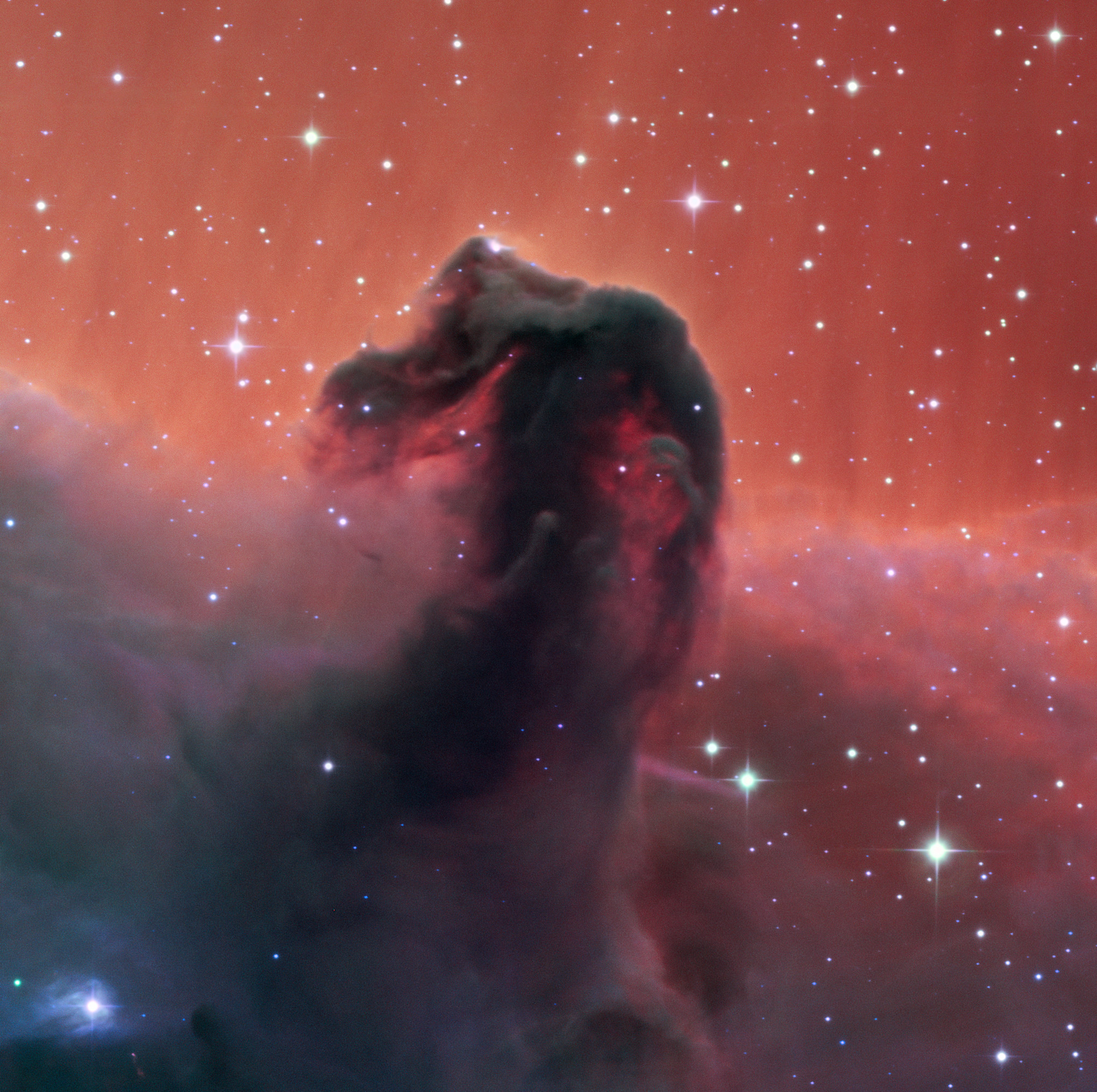
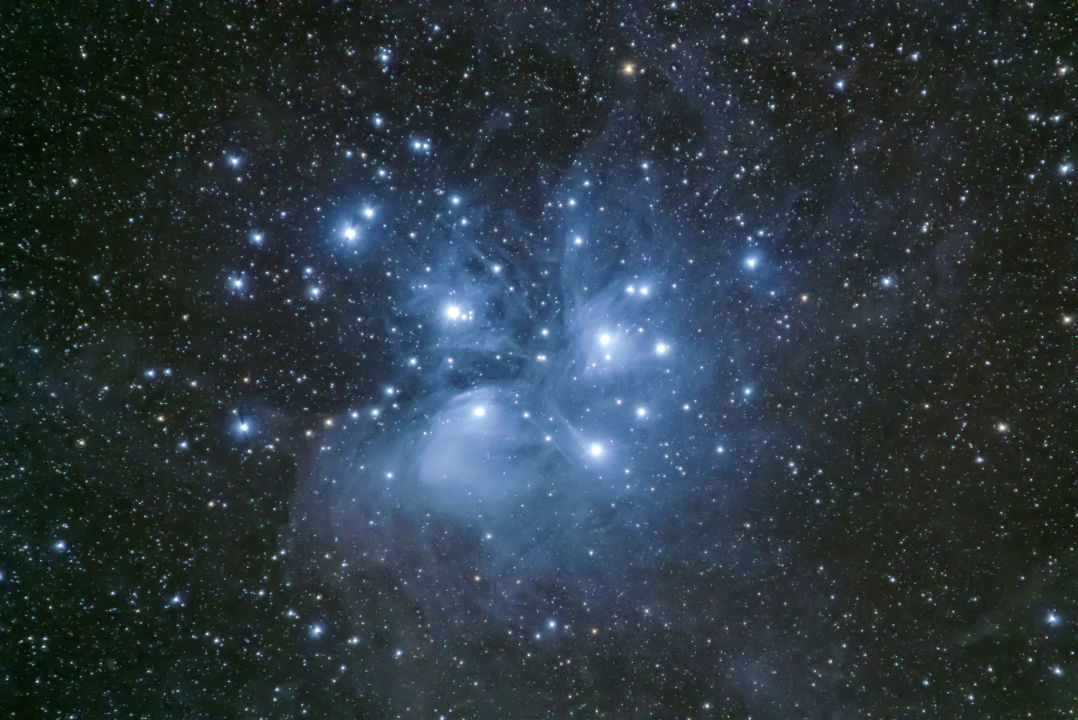
L: Horsehead Nebula / R: Pleiades cluster
And here I was, years later, reading a book by another human being who felt the same way I did. A total stranger on Earth who wondered about the big universe, the galaxy, the cosmos.
Because growing up, I often felt like a lone figure on planet Earth — a little like ET, marooned far from home. I grew up with a lot of sensitivity that others didn't seem to be able to see or sense, things only I could see and feel and catch. So discovering Douglas Adams was a strange relief. Here was a fellow human being who had experienced the same level of isolation and loneliness on this surface Earth — and I laughed at how he unraveled his story with humor instead of a dollop of depression.
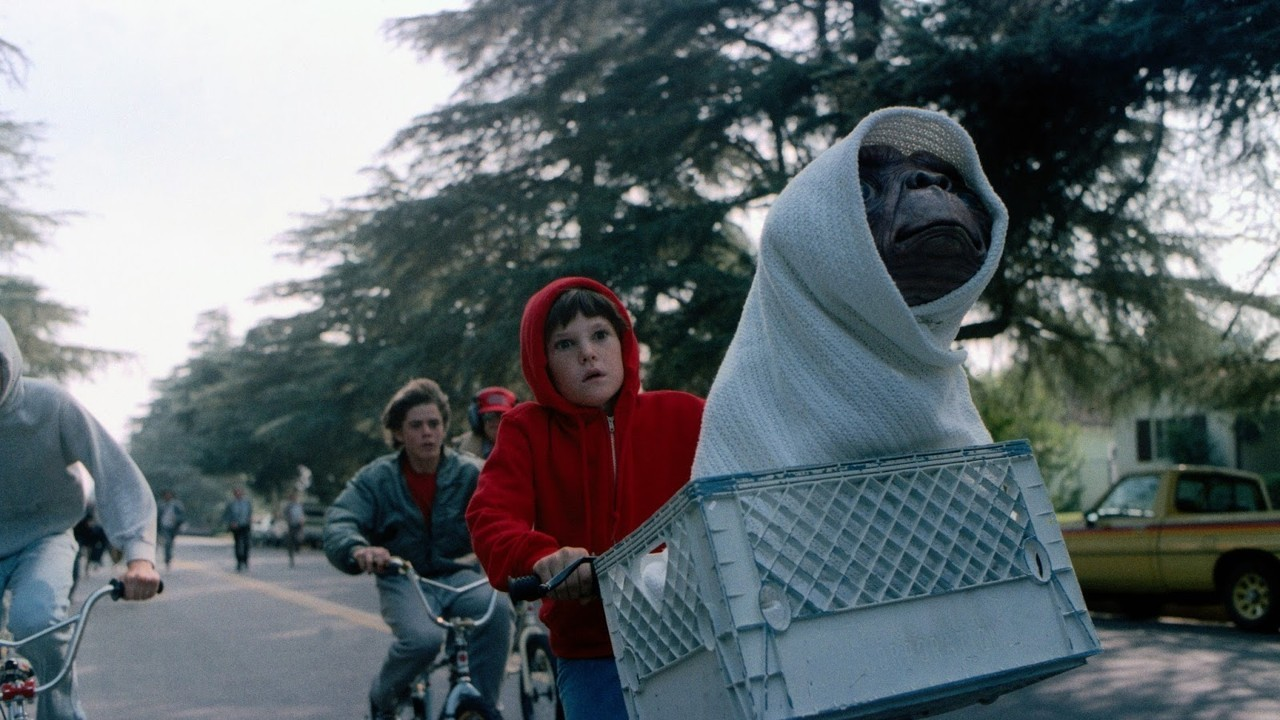
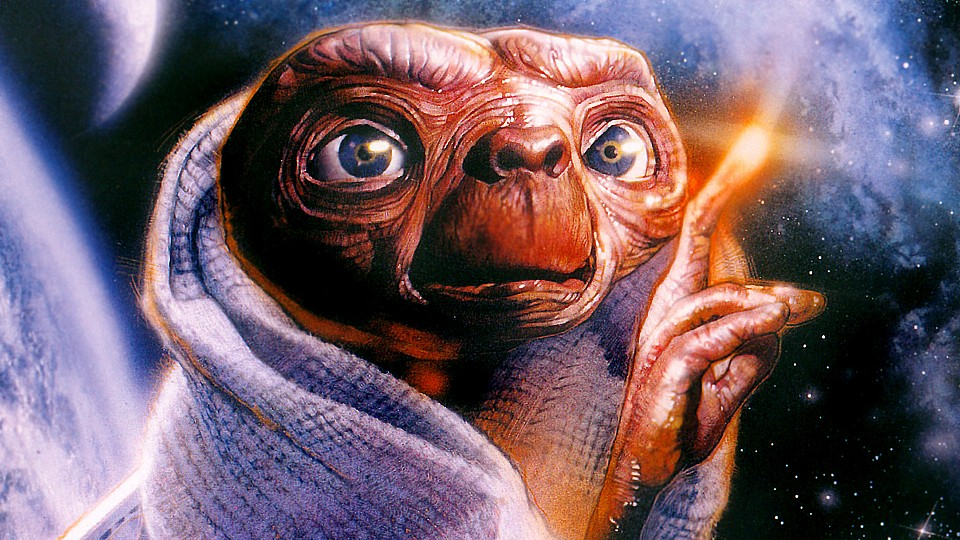
And more than anything, it was the title. A Guide. I had always envisioned myself writing a children's book called "Survival Guide on Planet Earth," or put mildly, a politically correct version would have been called 'Adventure' guide on Planet Earth, because that's exactly how it felt — like being an alien on a strange planet. Yes, it was a hard landing for me. The main character of Adams' book seemed to share the same characteristic as me. So, here it is. And here we are. This is my book introduction.
The book came to me by way of a mentor — a former CEO of an investment bank and a stock fintech company in Switzerland — who recommended it to me thirteen years ago in NYC. It stuck with me for over a decade. And years later, I found out that Elon Musk recommends it too. There's something fitting about that: a book about not panicking in the face of an incomprehensibly large universe, passed between people who spend their lives trying to reach it.
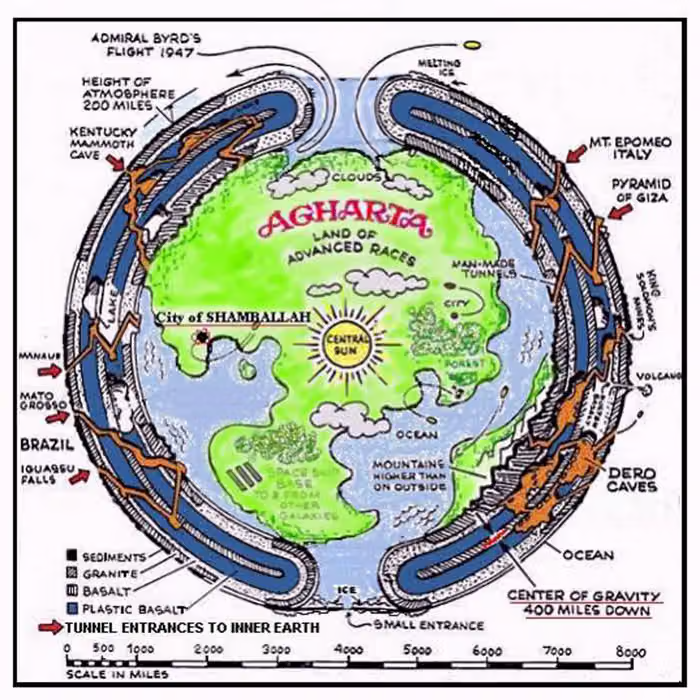
One more thing I found uncanny: Adams talks about the inner Earth. And Tibetan records speak of the inner Earth, too — Agartha. Such a strange coincidence to stumble on.
Lastly, what I find almost prophetic: Adams wrote a galaxy full of robots and artificial minds long before any of us were talking about AI, AGI, and a world of robots living alongside us. Although robots in his story are melancholic and depressed.
This summer, I've been deliberately collecting inspiration — leaning into fiction, sci-fi, and fantasy on top of my usual non-fiction reading. My stack so far includes Outlander, Dune, Tolkien's classics, and the Narnia series.
What's in your summer reading list?
Enjoy!
II. What the Book Is Actually About
For the uninitiated: The Hitchhiker's Guide to the Galaxy opens with the single worst Thursday in human history. Arthur Dent, a thoroughly ordinary Englishman, wakes up to find bulldozers about to demolish his house — and minutes later, the entire planet Earth is demolished too, to make way for a galactic highway bypass. Arthur survives only because his friend Ford Prefect turns out to be an alien researcher for a guidebook called The Hitchhiker's Guide to the Galaxy.
What follows is one of the great cosmic road trips: Arthur, towel in hand, is flung across a universe populated by a depressed robot named Marvin, a two-headed galactic president, hyper-intelligent mice, and a supercomputer that spends seven and a half million years calculating the Answer to the Ultimate Question of Life, the Universe, and Everything — only to arrive at the famously unhelpful number 42.
III. On Consciousness...
Beneath the jokes, Adams was doing something profound — and reading it now, it lands as a book about consciousness as much as about space.
The whole story turns on the strange experience of being a self aware of a universe far too large to comprehend. That gap — between the tiny conscious creature and the indifferent cosmos — is exactly the space where loneliness lives, and where Adams plants his comedy. The book takes the most existentially terrifying idea imaginable — that the universe is vast, indifferent, and possibly meaningless — and refuses to be crushed by it. Instead, it laughs. It hands you a towel, tells you not to panic, and suggests the absurdity is part of the point. That refusal to be crushed is a stance on consciousness: meaning isn't handed down from the cosmos, it's something awareness makes for itself.
And then there's Deep Thought, the supercomputer that spends millions of years on the Ultimate Question and returns 42 — a joke about the limits of computation when it comes to meaning. A machine can give you an answer, but it can't tell you what you were really asking. For a book written in 1979, that lands with strange force today.
Which brings me to what I find almost prophetic. Adams wrote a galaxy full of robots and artificial minds long before any of us were talking about AI, AGI, and a world of robots living alongside us. Marvin the Paranoid Android is a machine with a felt inner life — bored, melancholic, far too intelligent for the tasks he's given. Adams was already asking, with a grin, what happens when we build minds that have minds of their own. Reading it in the age of AI, you almost wonder if he had some kind of prophetic vision.
IV. A Few Things Worth Carrying With You
A few pieces of wisdom the book hands its readers, and that I've kept:
- Don't Panic: The two most reassuring words ever printed on a book cover, and a surprisingly good operating philosophy for a conscious creature in a vast universe.
- Always know where your towel is: A small, silly reminder that preparedness and a sense of humor go a long way.
- The answer is 42 — but the real work is figuring out the question: Meaning isn't computed; it's discovered. The search matters more than the solution.
- The universe is absurd. Laugh with it: Wonder and humor are not opposites — they're the same response to a sky too big to comprehend.
V. Where I'm Headed Next
This is the first stop on a summer of reading, and it's the right one. Adams gave me permission to take the cosmos seriously and lightly at the same time — to keep looking up the way I did as a kid beside my dad's telescope, but with a grin instead of just an ache.
Next up: the desert worlds of Dune, the deep mythology of Tolkien, the wardrobe into Narnia, Goethe's novels, and the time-crossed story of Outlander.
What's your summer book recommendation?
![Life | Greece Sanctuary] Skiathos #Escape](https://storage.ghost.io/c/2a/9e/2a9e2b04-30f6-4166-8010-a3730d2eb719/content/images/size/w720/2026/09/Skiathos.jpg)
![Obsidian Essay] Leadership | The Queen Behind the Screen ft. Jeongsun of Joseon (정순왕후) - Life and Leadership Lessons](https://storage.ghost.io/c/2a/9e/2a9e2b04-30f6-4166-8010-a3730d2eb719/content/images/size/w720/2026/09/Screenshot-2026-09-13-024407.png)
![Obsidian Essay] Consciousness and the Universal Law...Quantum Computer](https://images.unsplash.com/photo-1614926037384-4159c33e196b?crop=entropy&cs=tinysrgb&fit=max&fm=jpg&ixid=M3wxMTc3M3wwfDF8c2VhcmNofDIzfHxnYWxheHl8ZW58MHx8fHwxNzg4NjEyNTA5fDA&ixlib=rb-4.1.0&q=80&w=720)
Comments ()