Obsidian Essay] Welcome back home, honey - Quietest Blocks in Manhattan (Sutton Place/Turtle Bay) #NYC
![Obsidian Essay] Welcome back home, honey - Quietest Blocks in Manhattan (Sutton Place/Turtle Bay) #NYC](https://storage.ghost.io/c/2a/9e/2a9e2b04-30f6-4166-8010-a3730d2eb719/content/images/size/w1200/2026/07/WhatsApp-Image-2026-07-28-at-21.58.07.jpeg)
EJ's note
What does home mean to you — and how long did it take you to work out the answer?
I received British citizenship this past December, and I have been unravelling ever since. Slowly but thoroughly. Because permanent settlement turns out to be a nervous-system event, and mine had not been built for it.
Since I was 14, I have lived in six-month increments. I wasn't sure where I would be in six months; it was a renewal, every six months, for years. On top of that, constant travel — for work, for family, for pilgrimage — so that "home" was often a place I was not currently in. You do not notice what that does to you while it is happening. You just get very good at packing, and your body learns to run on a low, permanent hum of adrenaline. Your biological clock sets itself to the departure date.
Then the pandemic happened, the world stopped moving, and I stayed. It is now nearly nine years in the UK. A lifetime, some say.
And this year something began to shift — what I can only describe as settlement energy. The slow, unglamorous accumulation of a life that is not braced for departure. A neighbor. A greengrocer who recognises me. Friends I have now known long enough to have been through things with, rather than merely alongside. It is quieter than I expected and I did not see it coming.
The strange thing is...however long I stay in anywhere around the world, deep in my heart - there is only one place I call home: New York City.
Which is what this series is for.
Enjoy!
The Quietest Blocks in Manhattan
I am from New York City.
Not a person who once lived there — a New Yorker. It was made in me over about ten years (some say you have to be born in NYC to be called a New Yorker, but I beg to differ), and I have been carrying it around London for nine without ever introducing it properly. So that is what this series is: an introduction, one neighbourhood at a time, done in the order the city did it to me.
I should say at the outset that I have a love–hate relationship with New York, and I have stopped expecting to resolve it. When I am there I cannot wait to leave. When I leave I cannot wait to go back. Nine-tenths of the people who have lived there will tell you some version of the same thing, which suggests it is not a flaw in me so much as a feature of the place.
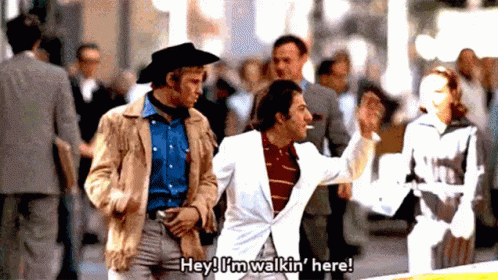
This is the first of a series about home. It starts on the East Side of Manhattan, because that is where the decade happened.
I. Downtown teaches you to be someone
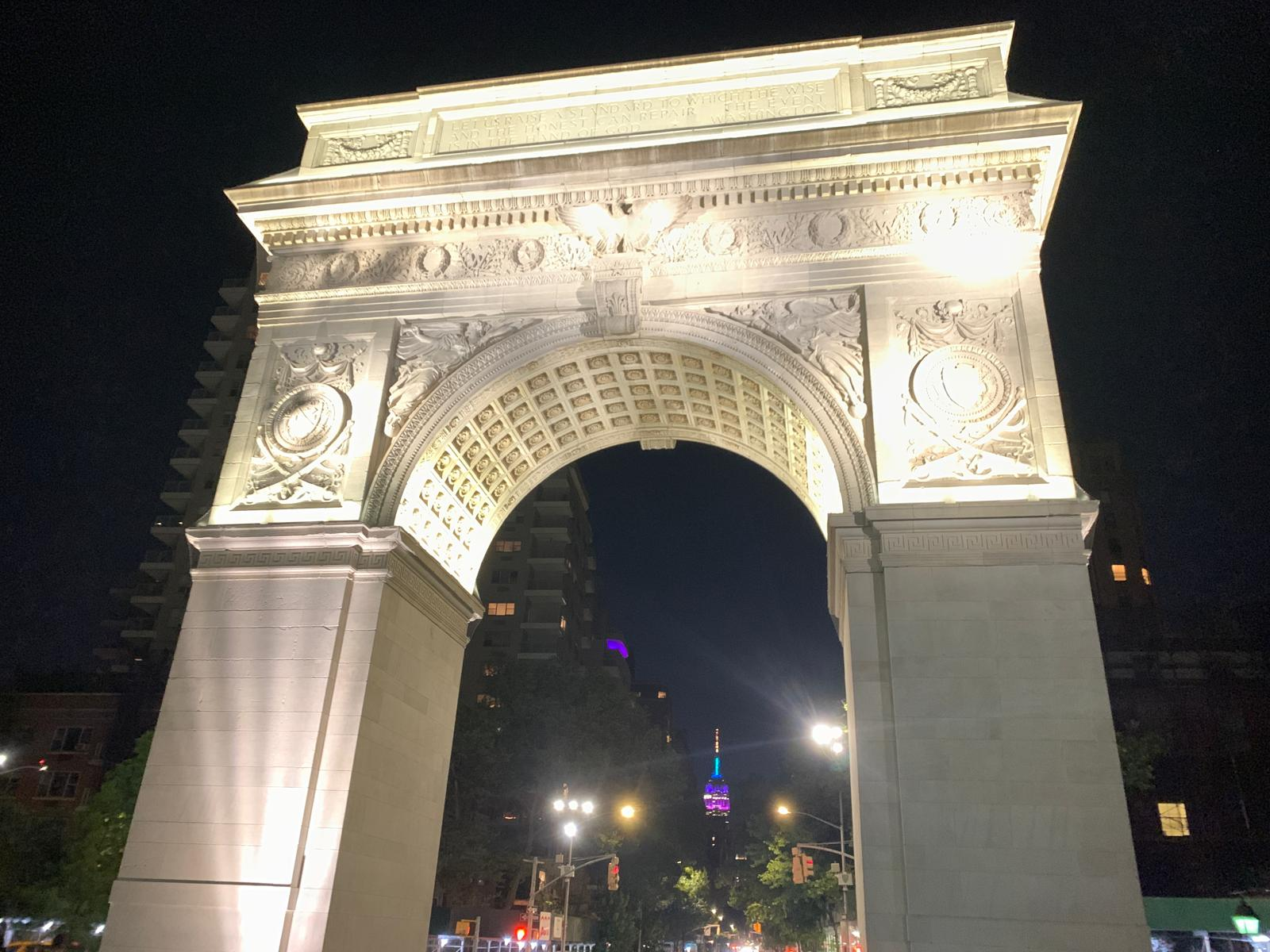
I started near the bottom of the island. Washington Square Park and the NYU campus, near Wall Street, then Union Square, with regular expeditions west to friends' dorms and apartments in the West Village.
That is the New York everybody pictures when they picture being young in New York, and for good reason. The arch. The fountain. The chess tables. Someone who has wheeled a piano in on a dolly and is playing it beautifully for nobody in particular. It is a city of announcement: you are young, you are ambitious, you are visible, and everything is auditioning for everything else. Your early twenties are extremely well served by it. You are supposed to be loud at that age and downtown is generous about letting you.
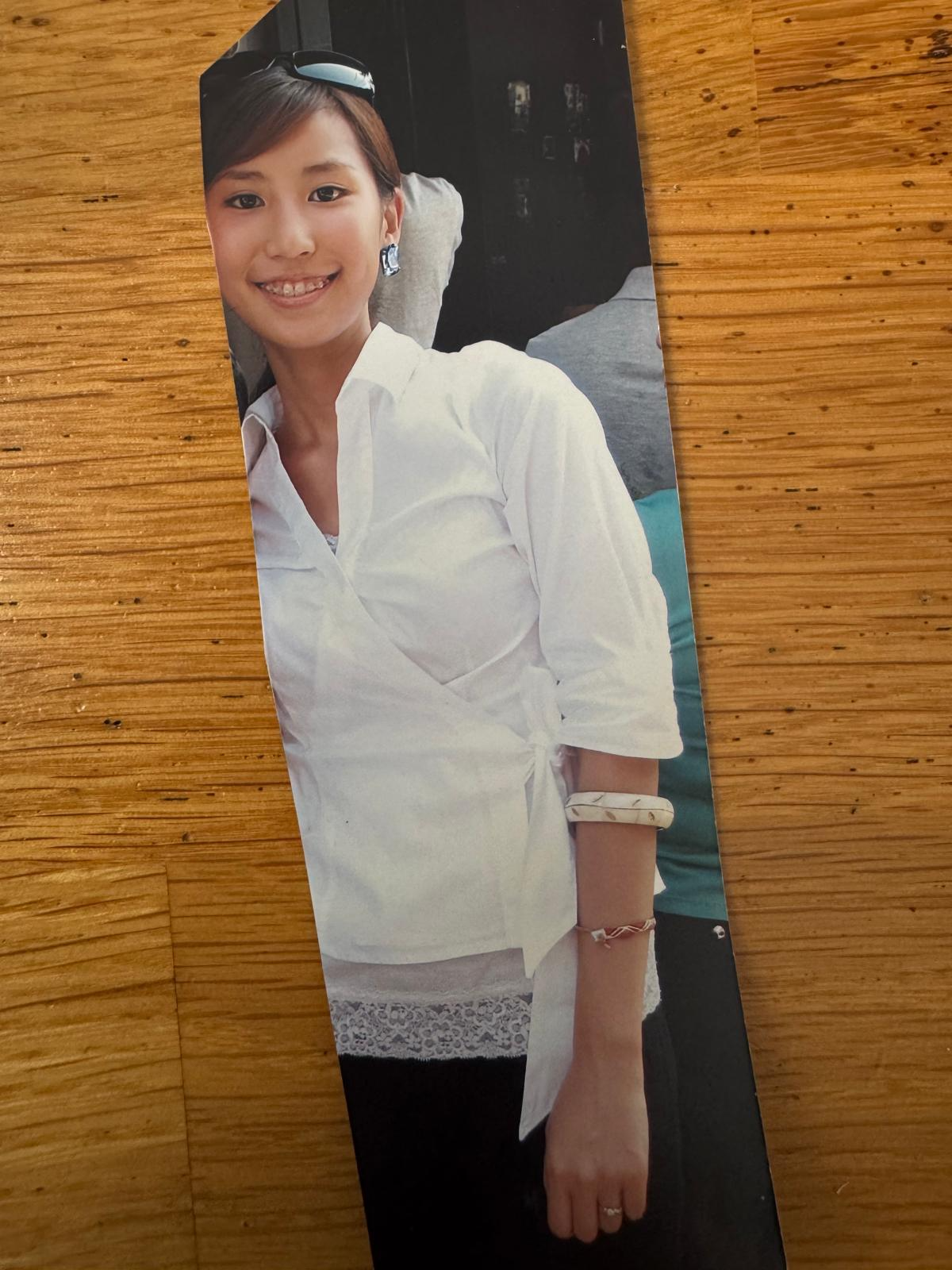
Back in those hot summer nights near the NYU 🗽campus, we used to own the streets. We’d call out to our friends from below — shouting up to the second floor through the windows — and that’s how we gathered, hung out, and roamed the city deep into the night. Singing...laughing...and dancing! Good old days...
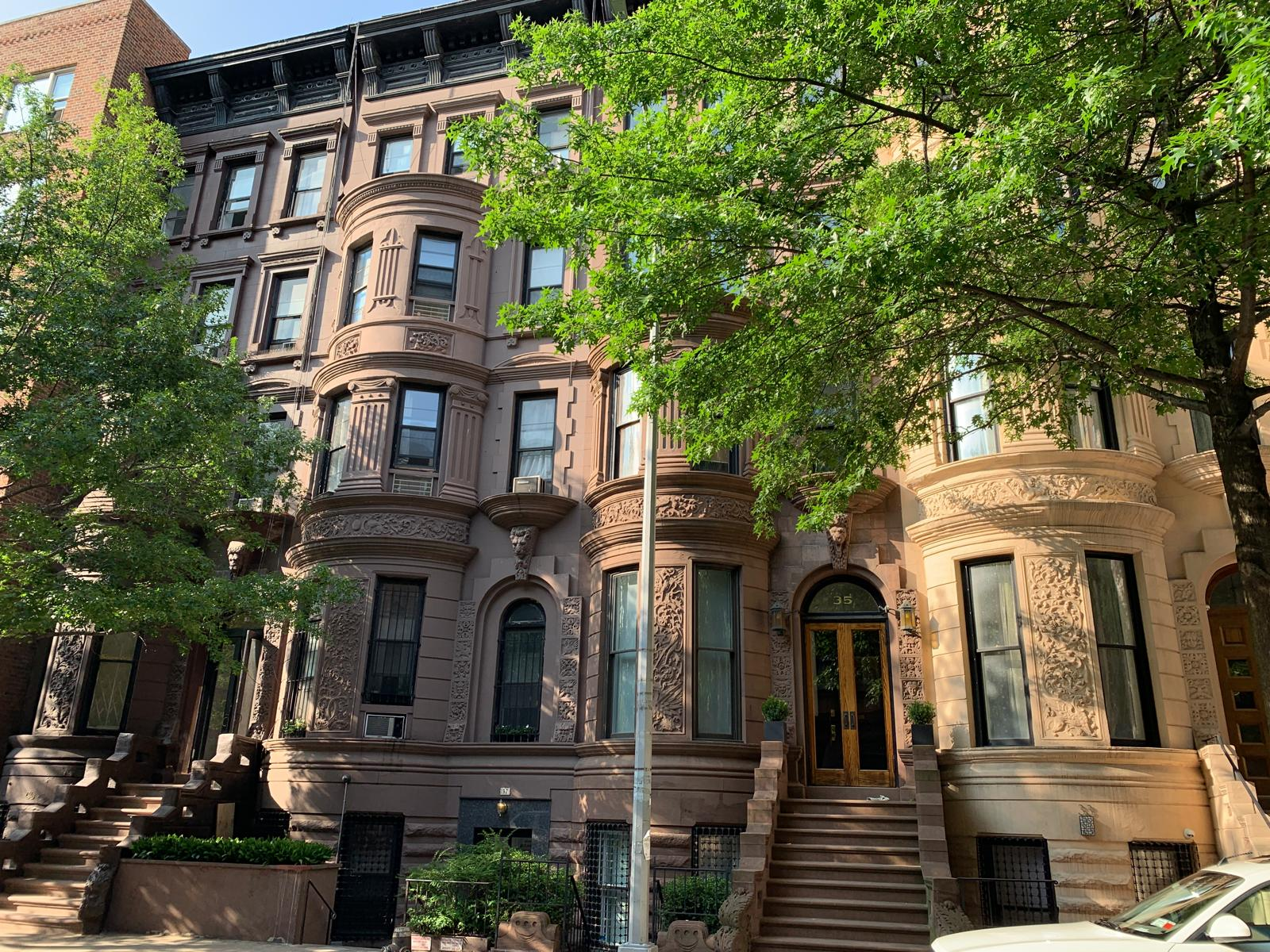
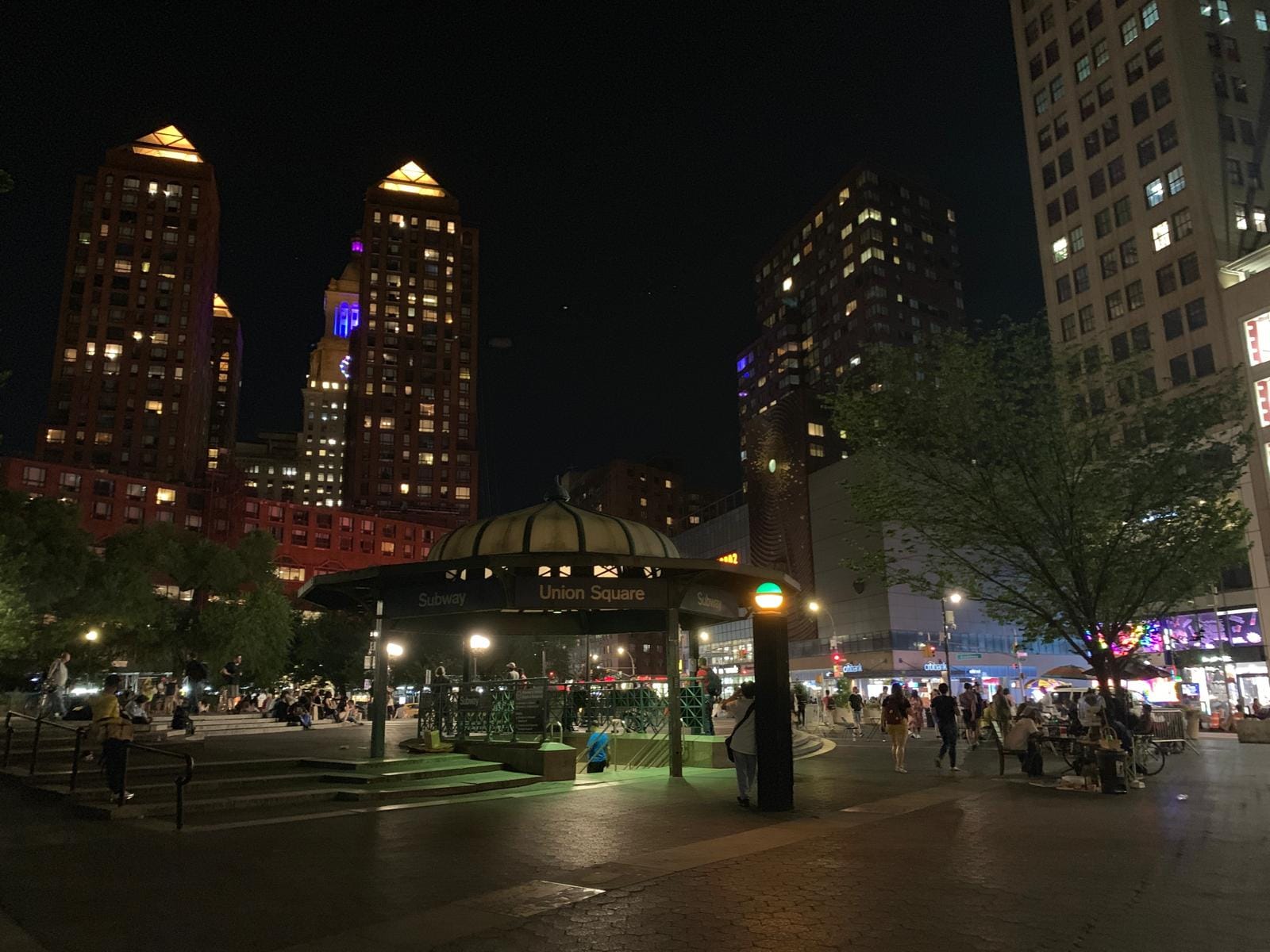
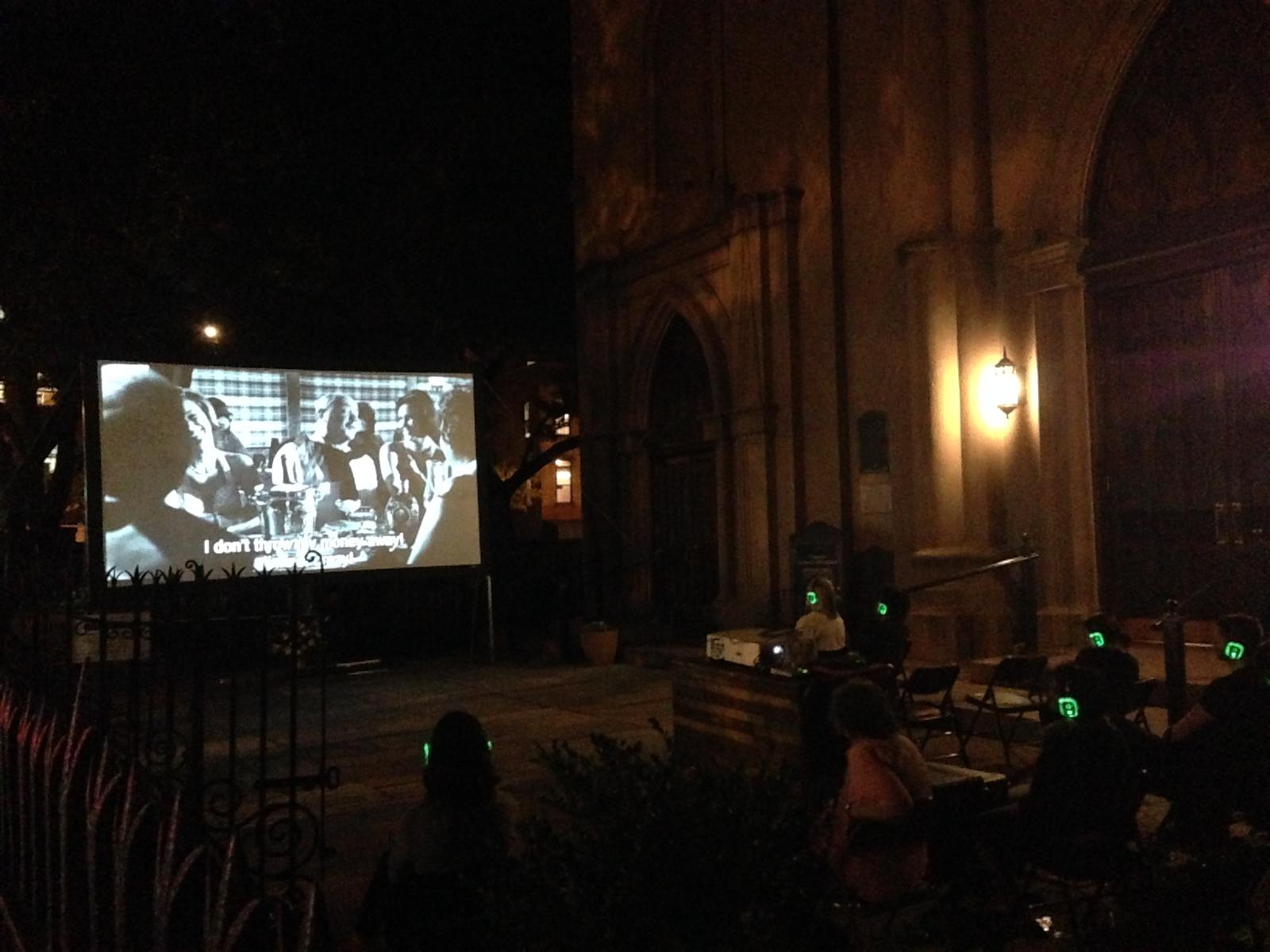
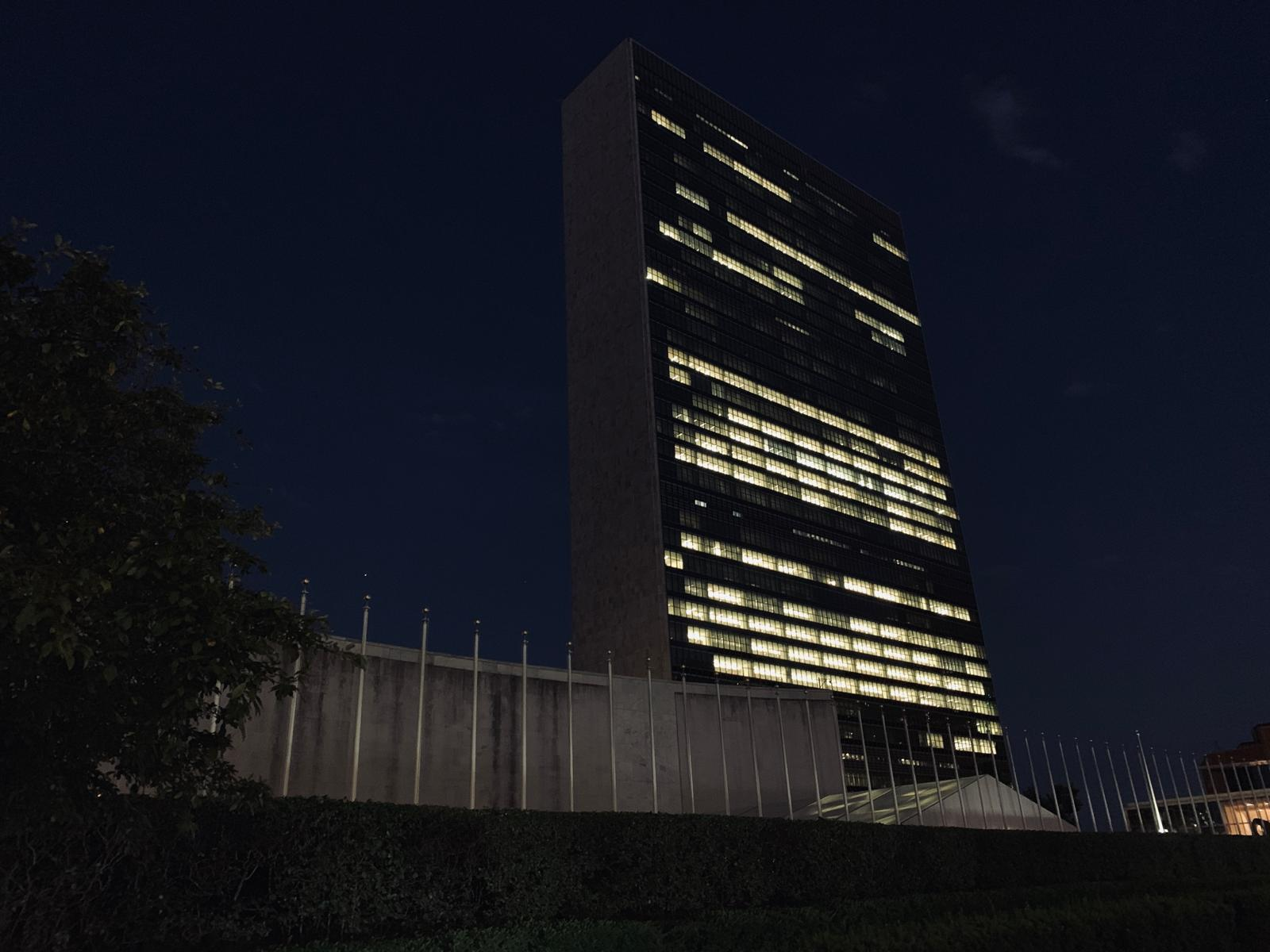
Then I moved east, and up, into the stretch of Manhattan that folds itself around the United Nations — Turtle Bay and Sutton Place. And that neighbourhood taught me the exact opposite lesson, which is how to be quiet.
II. The neighbourhood most visitors never enter on purpose
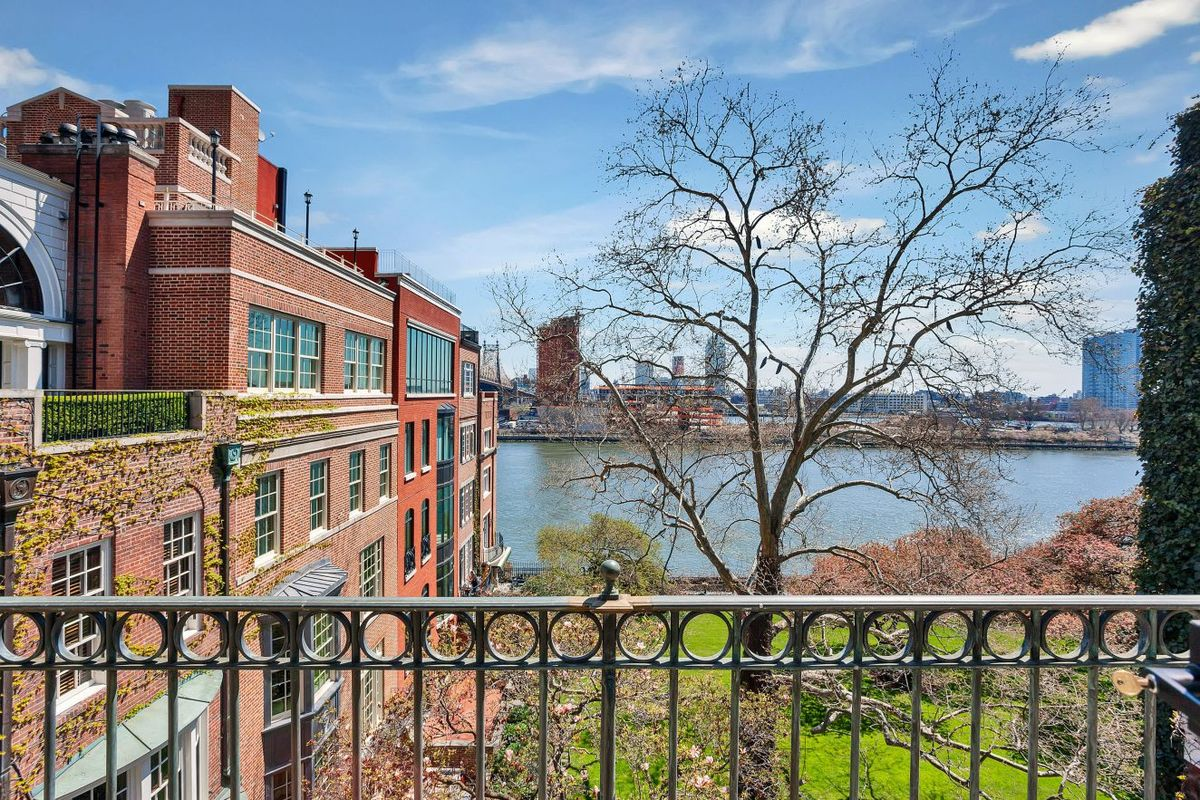
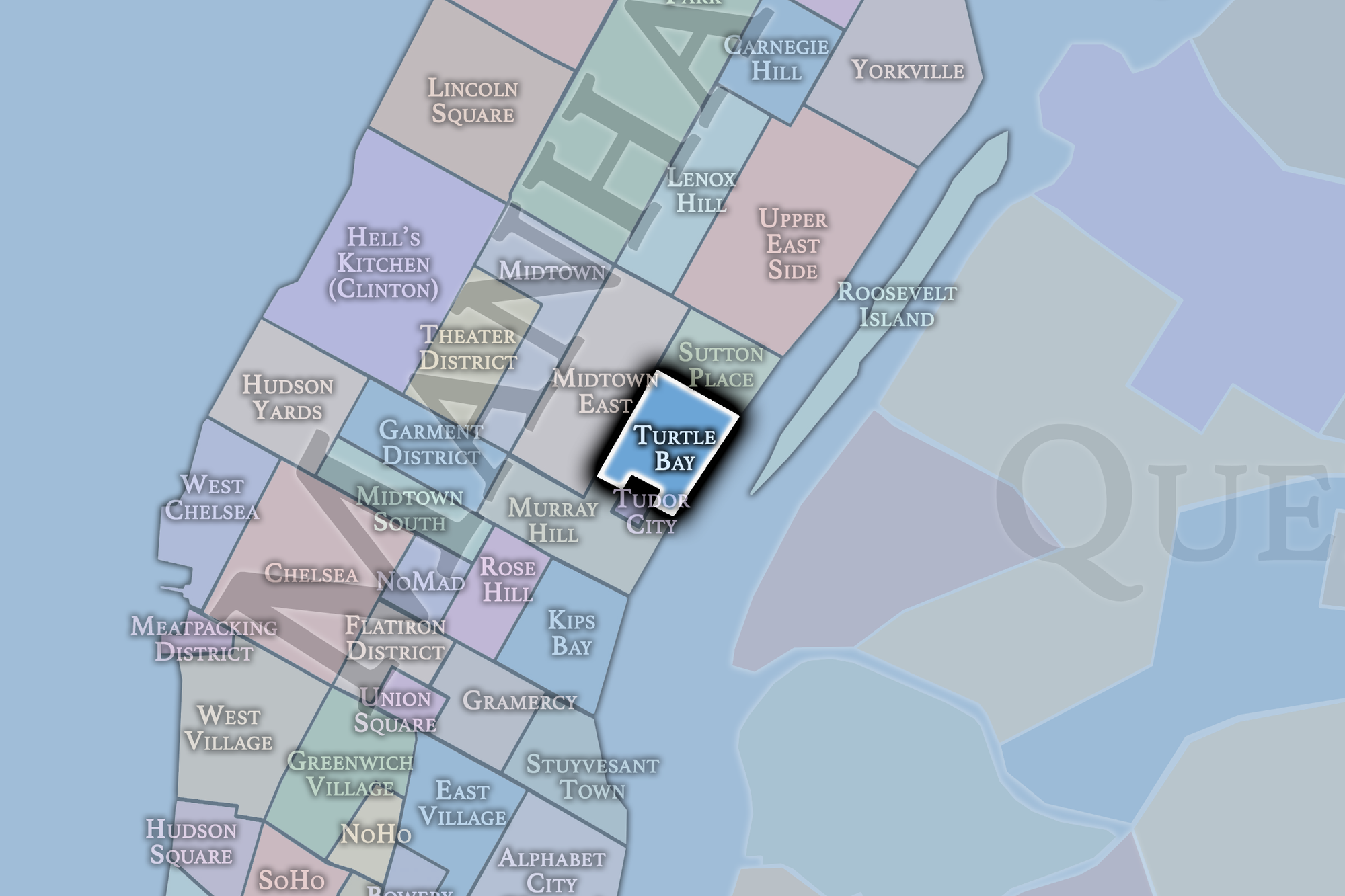
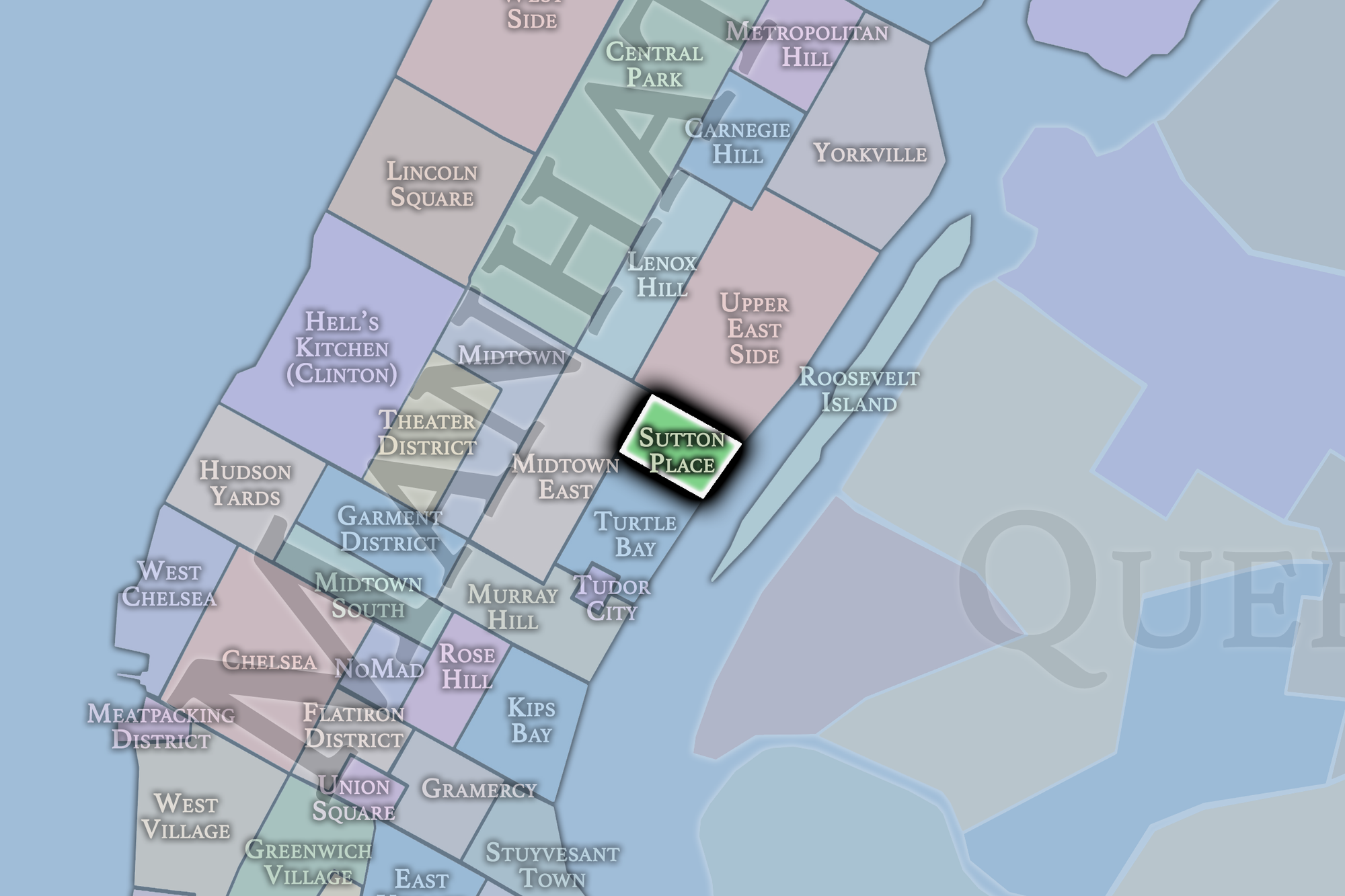
Turtle Bay and Sutton Place run roughly from the low 40s up to 59th Street, east of Second Avenue to the river. Where I lived was near the UN. The neighborhood was full of diplomats, ambassadors, and their staff, and expats as a result. Back then, I used to travel a lot for work, if not just long hours at work in the office - I didn't have the capacity to learn about the neighborhood, let alone care much - as I said earlier, my mindset was always 'I will be gone soon; why bother.' I just chose the location out of convenience (but of course, the 'vibe' had to be right; peaceful, green, and QUIET!) - 15 min walking distance to the office. Wherever I was, I always felt like the place was a confinement rather than a breathing, living ground (later I learned the problem was me and not the place!). So, during the weekends, I used to be pleasantly surprised by the 'peaceful' and 'tranquil' energy of the neighborhood. As I strolled with Black Americano in my hand around the blocks on weekends, I would stumble upon beautiful, manicured gardens and Art Deco-themed buildings to my surprise, as if the whole blocks were not part of Manhattan. This part of the neighborhood was my sanctuary away from the noise!
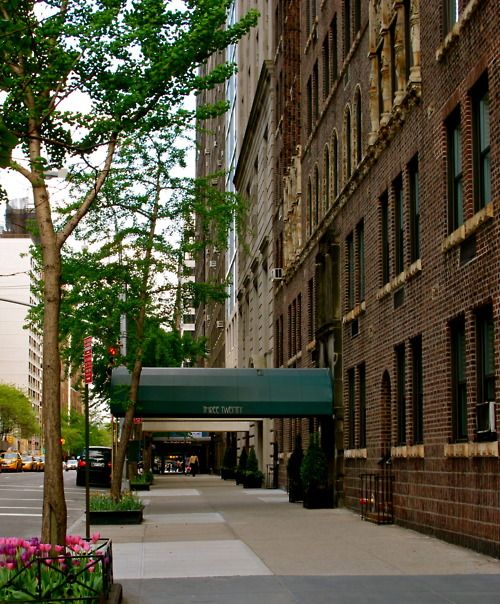
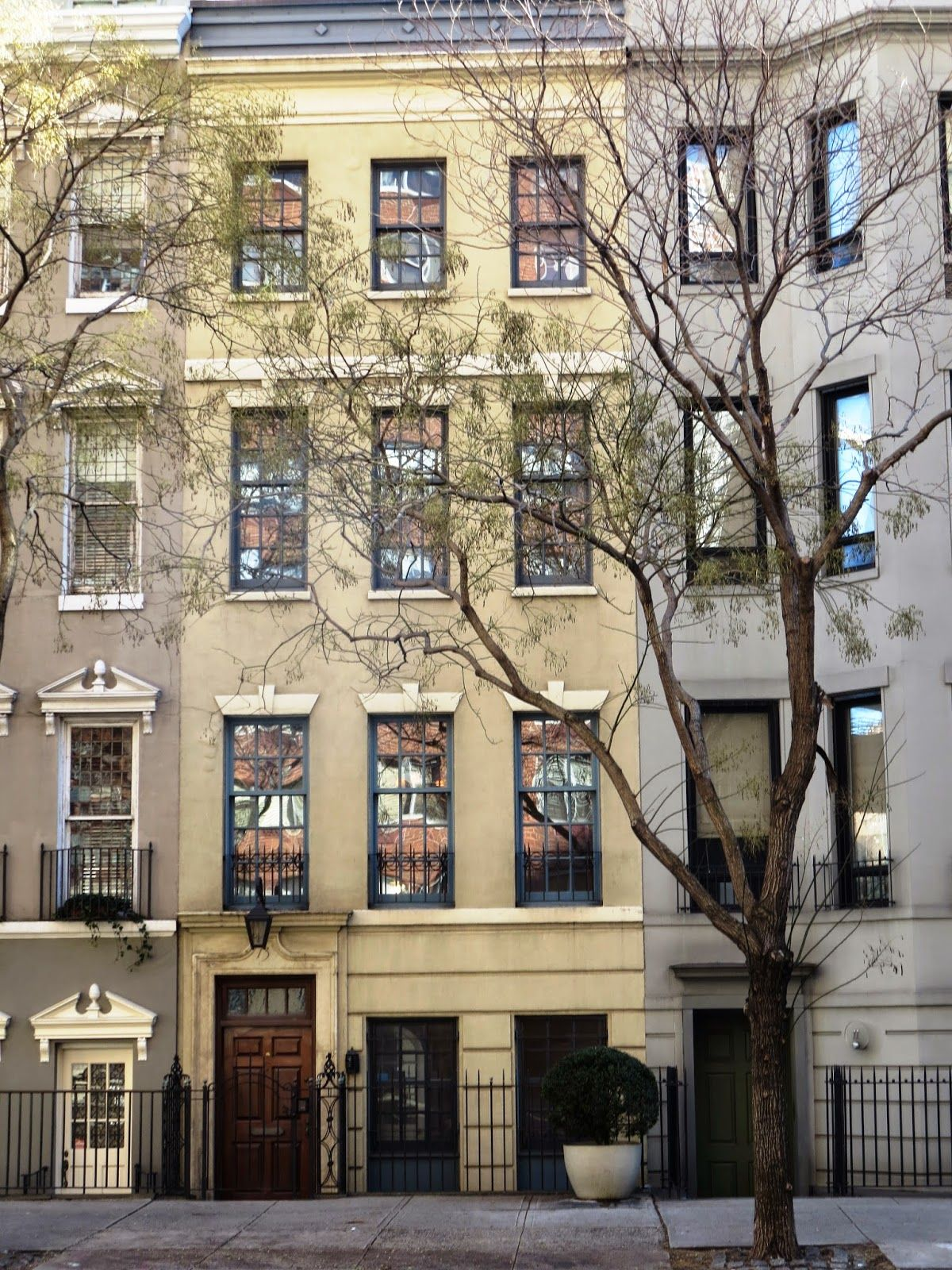
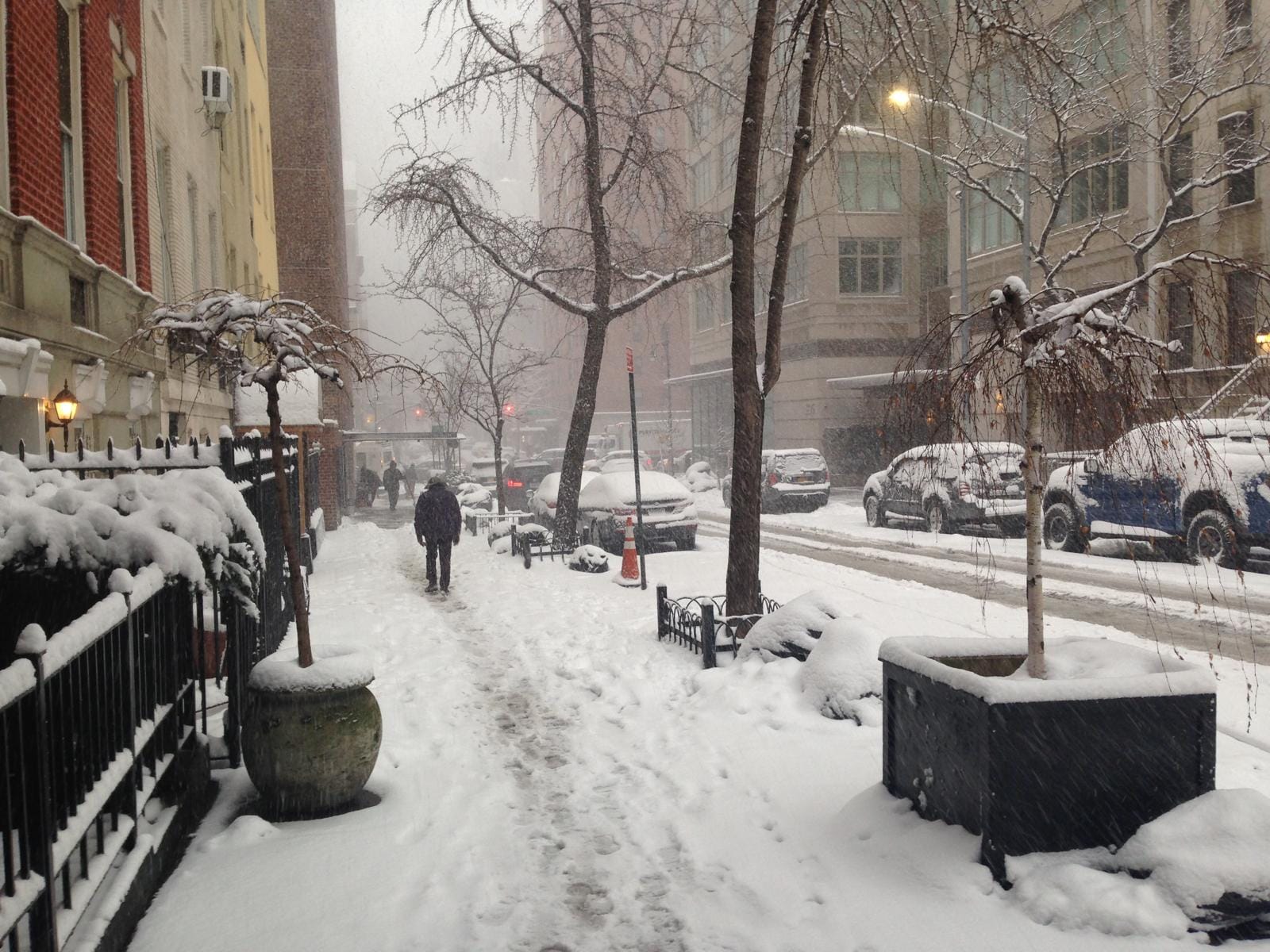
Most visitors photograph the UN and leave, which is understandable and also a mistake, because the interesting thing about those blocks is not the institution sitting in the middle of them. It is what happens to the volume. You turn off First Avenue and the city stops shouting. Trees. Iron gates. Low brownstones. A doorman on a step with nothing much to do. The hustle drains out of the air within about forty feet, and what is left is something Manhattan is not supposed to have at all, which is tranquillity.
That is the thing I loved about living there, and the thing I still go looking for wherever I live now.
III. It was not always like this
There was a real Turtle Bay once — a cove of the East River, long since filled in. By the late 1800s the waterfront here was slaughterhouses, breweries and coal yards, and nobody wrote about it fondly.
Two things changed that, and both of them were somebody deciding.
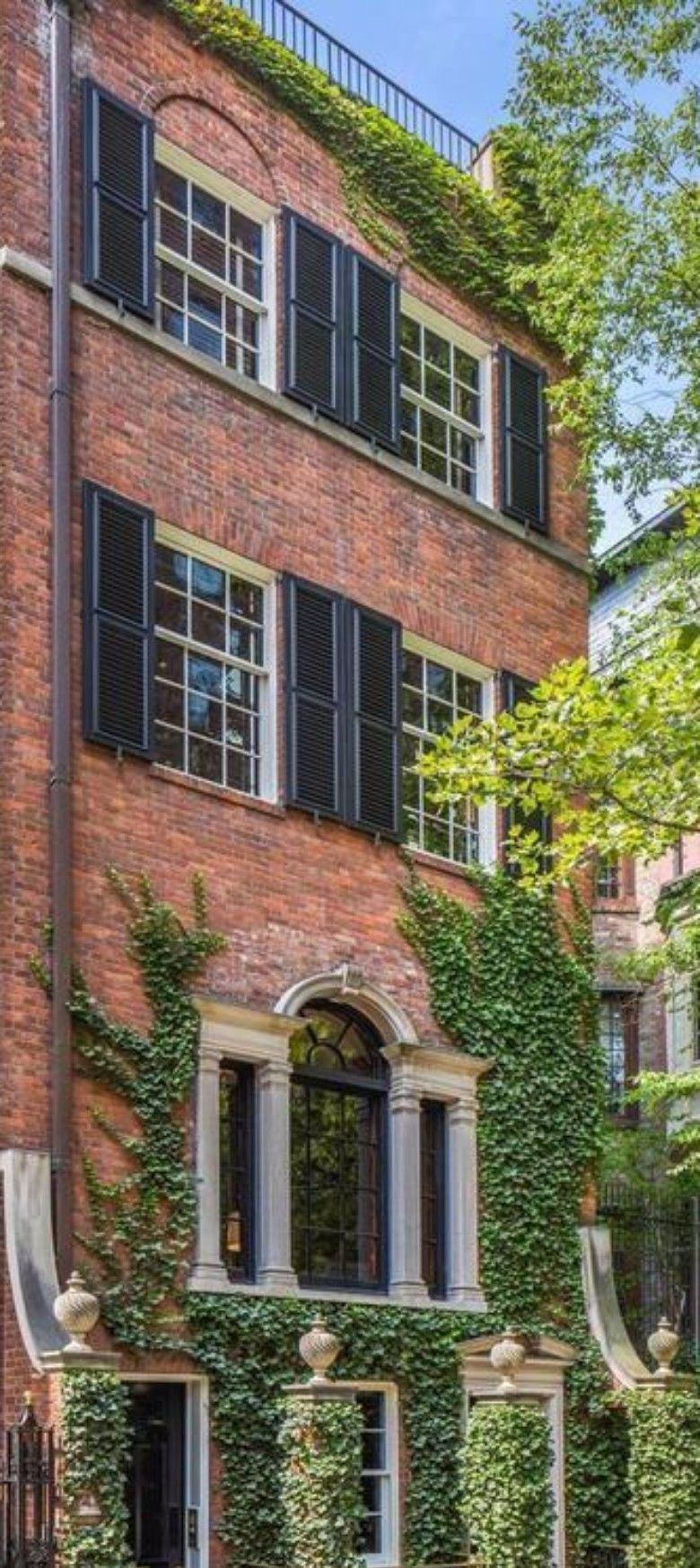
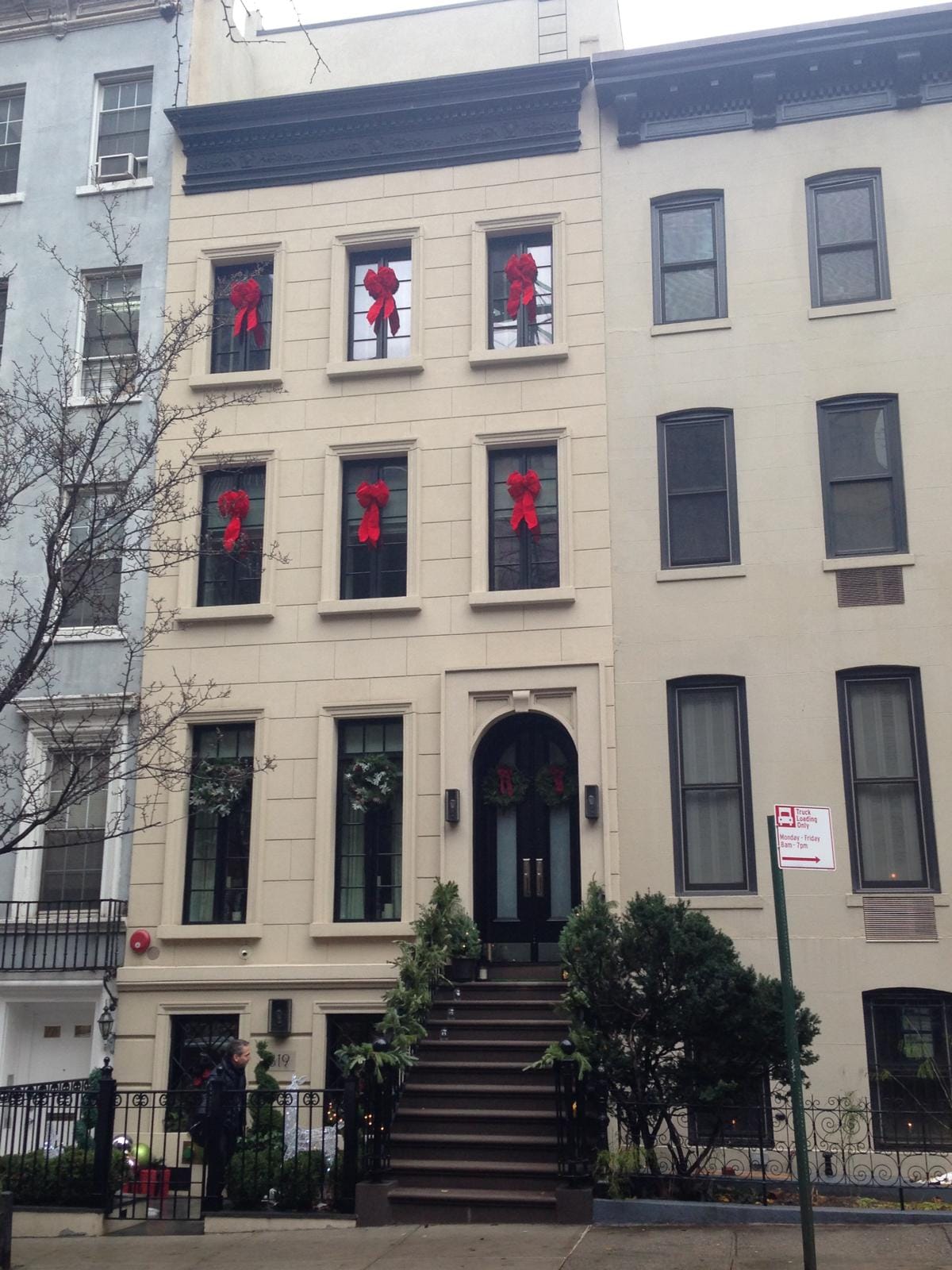
The first was a garden. Around 1919 and 1920, a woman named Charlotte Hunnewell Sorchan bought twenty 1860s brownstones on East 48th and 49th Streets and had them remade all at once — pulling out the back fences so the rear yards became a single shared Italian garden running through the middle of the block. It is now the Turtle Bay Gardens Historic District, landmarked in 1966. E.B. White lived there and wrote about the city from inside it. So did Katharine Hepburn, for decades, and Stephen Sondheim, and Kurt Vonnegut.
Here is the part I find perfect: you can walk the fronts of those houses and see absolutely nothing. The street is given nothing. Behind them is a garden you can sometimes hear through an iron gate and will never see.
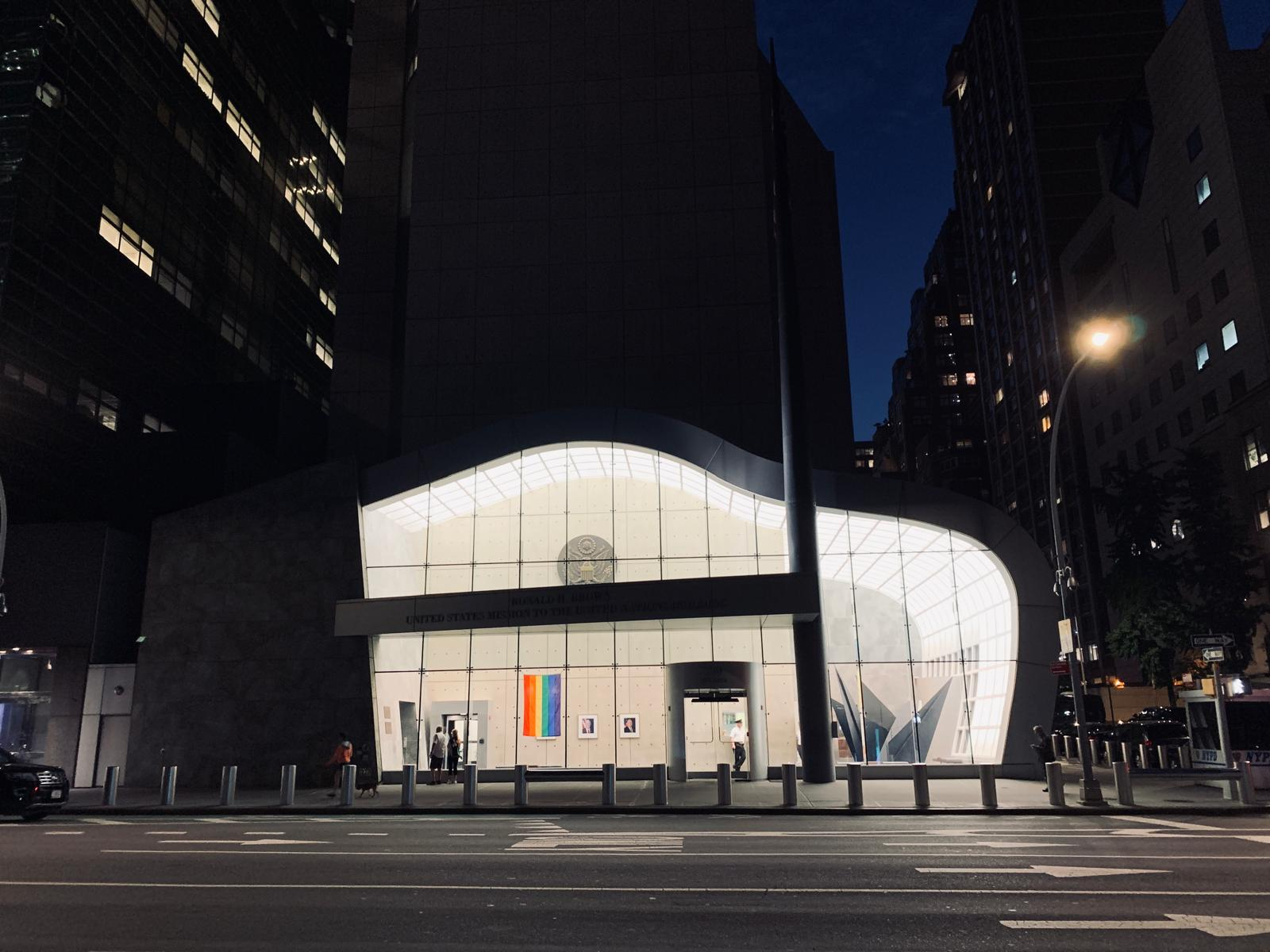
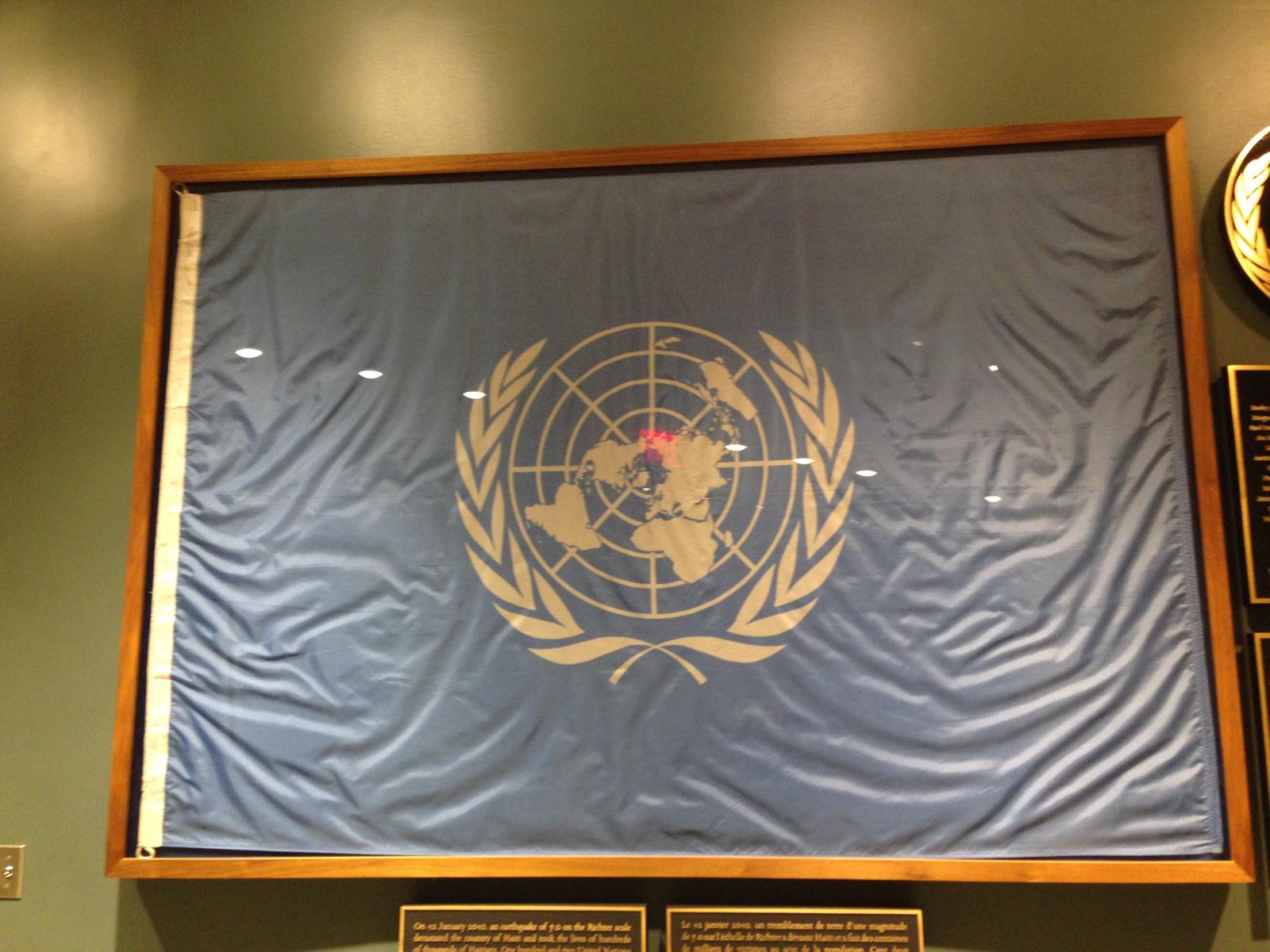
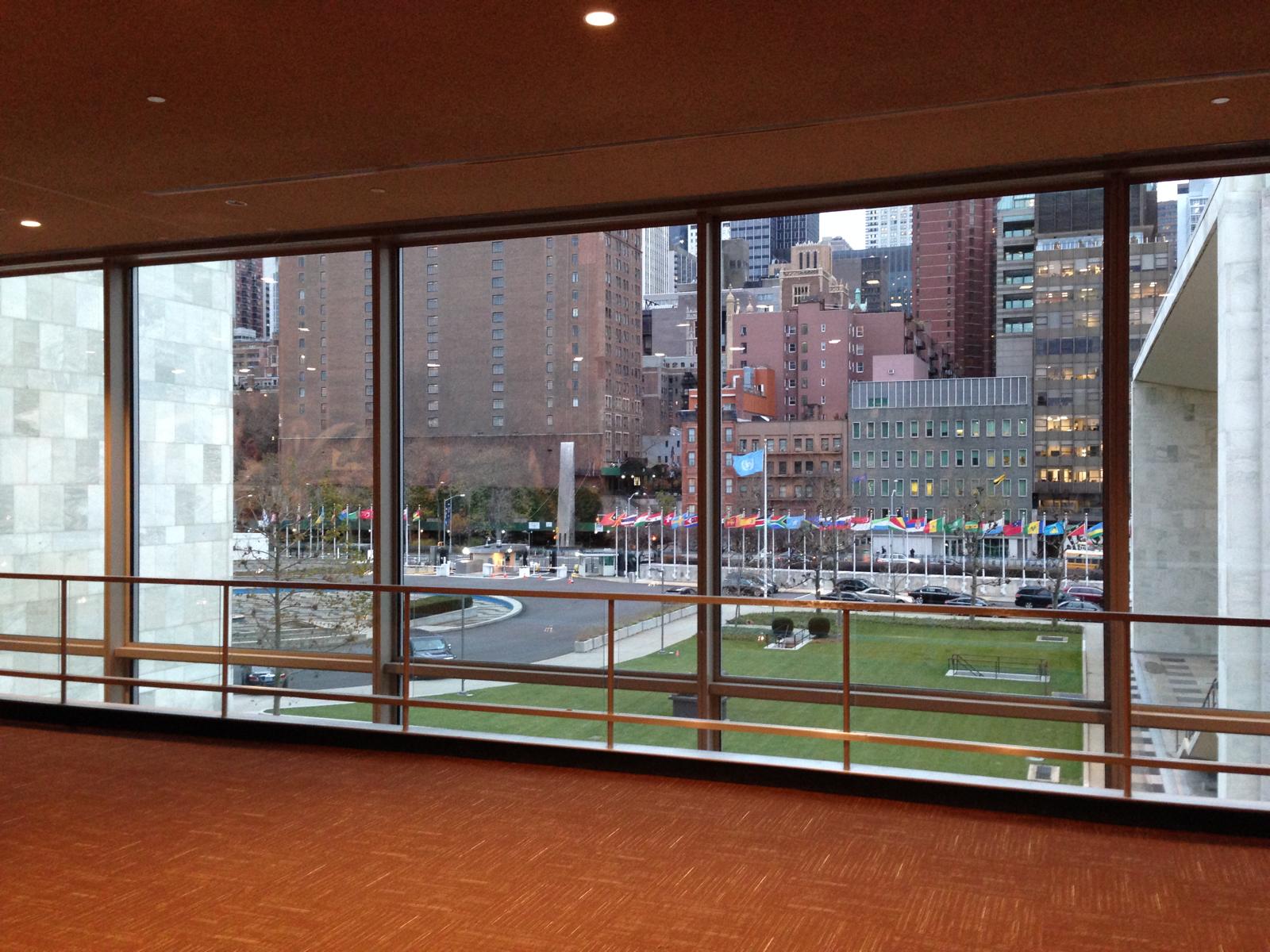
The second was a gift. In December 1946, John D. Rockefeller Jr. bought six blocks of river frontage and handed them to the newly formed United Nations. The Secretariat that rose there — thirty-nine storeys, a green glass curtain wall bookended by Vermont marble — was the first tower in New York built that way, and it turned a strip of abattoirs into international territory in under a decade. Every glass office building you have ever worked in is descended from it.
IV. Things to look for, if you go
- Sutton Place: A four-storey neo-Georgian townhouse over the river, built in 1921 for Anne Morgan, J.P. Morgan's daughter. Donated to the UN in 1972 and the official residence of the Secretary-General ever since. There is a police booth outside that most passers-by assume belongs to someone else.
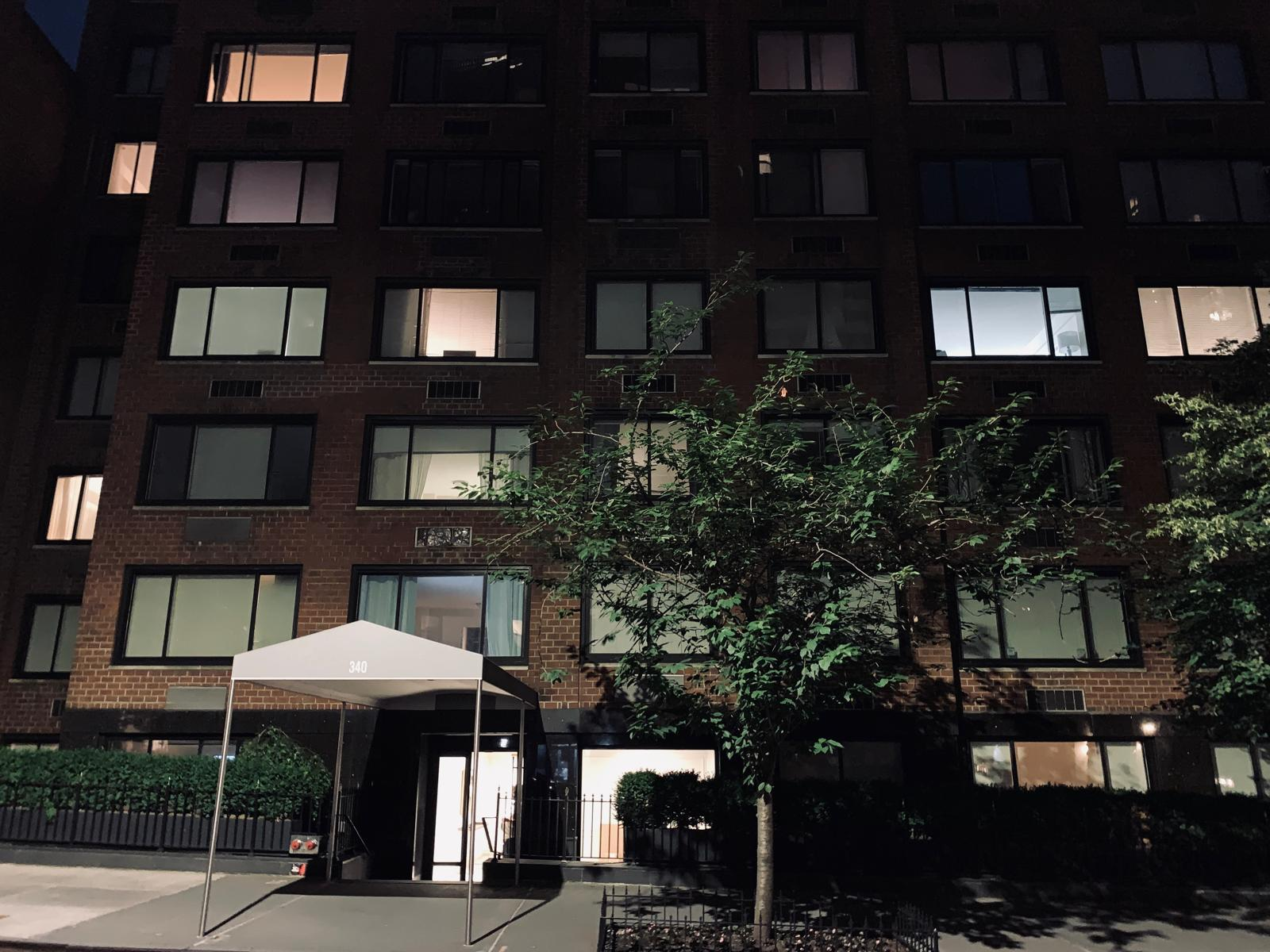
- Mitchell Place and the Beekman Tower: For the Art Deco: a 26-storey orange-brick tower at First Avenue and 49th, completed in 1928 by John Mead Howells and landmarked in 1998, originally built as a residence for university women in Greek-letter sororities and called the Panhellenic. Mitchell Place itself is a one-block street on a bluff that does not line up with the grid and that almost nobody walks down.
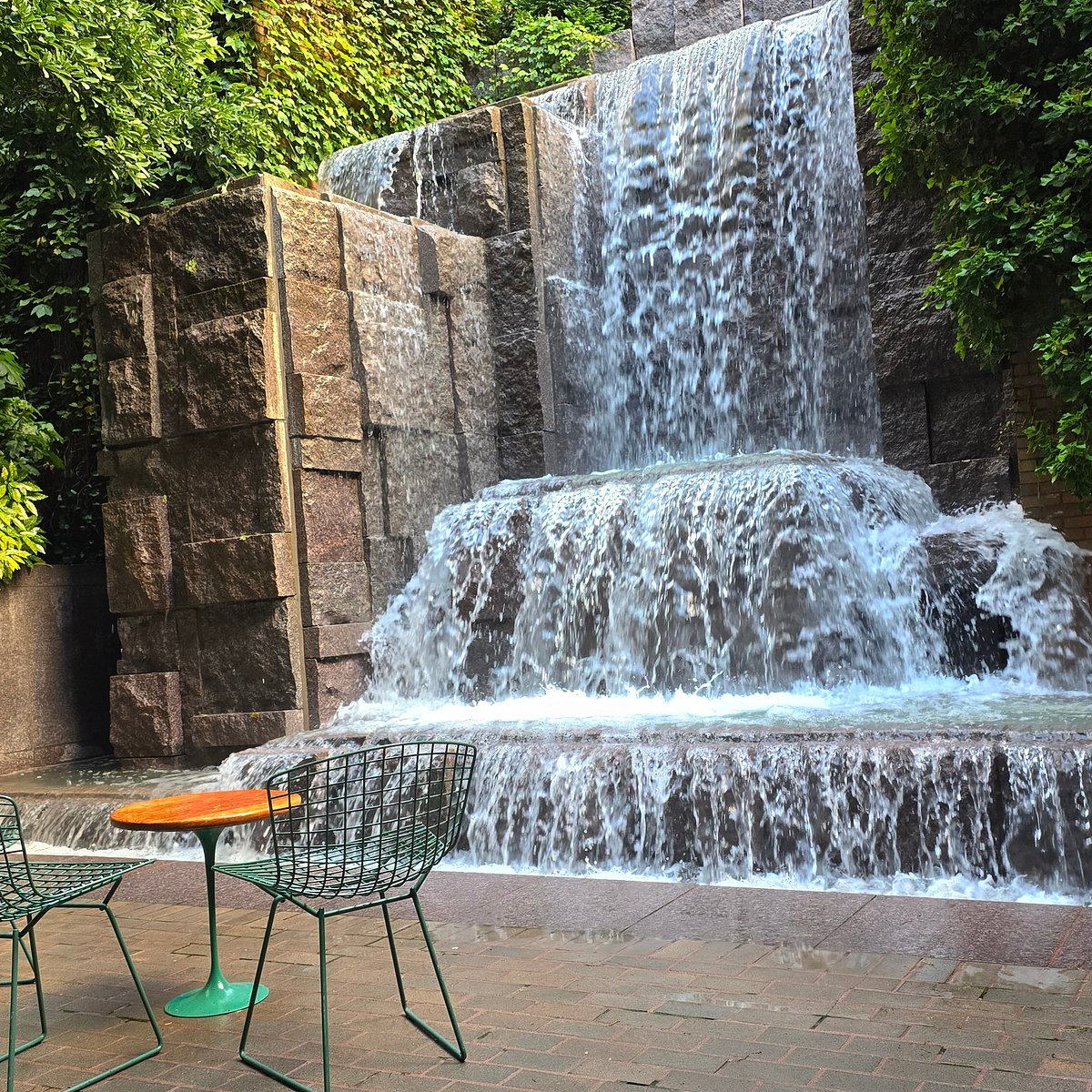
- Greenacre Park, 217 East 51st Street: Barely sixty feet by a hundred and twenty. It opened in 1971, a gift from Abby Rockefeller Mauzé, and it has a twenty-five-foot granite waterfall that erases the traffic completely. Fifteen minutes in there is worth an hour of anything else.
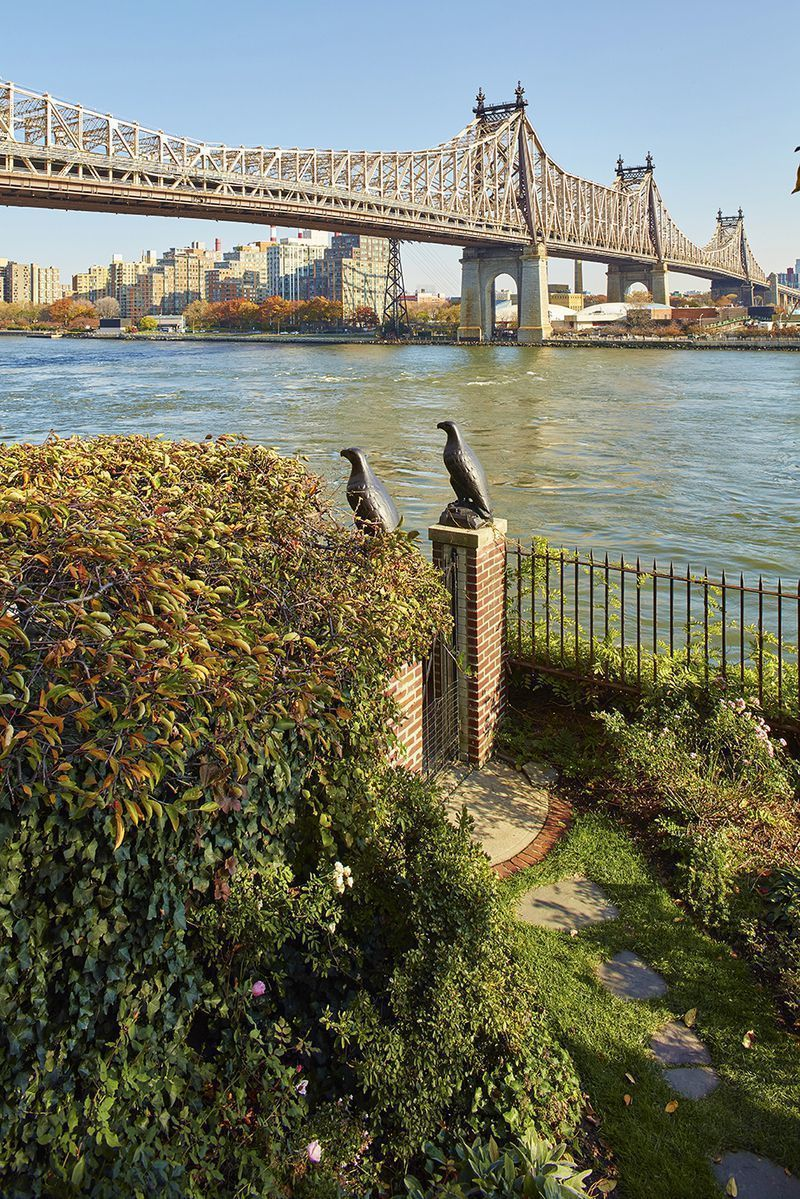
The end of East 57th Street, where the pavement runs out at a small park over the FDR and the Queensboro Bridge sits there being enormous.
V. What it is like to live at the end of that street
Growing up in expat and diplomatic circles, you learn one skill before all the others: how to say hello, and — more thoroughly — how to say goodbye. Communities in that world assemble and dissolve on a two- or three-year cycle. Somebody's father gets posted somewhere and by September the family is gone and you are already halfway through building the next set of people. You become fluent in arrival and departure, and functionally illiterate in the thing that comes after, which is staying.
So Turtle Bay/Sutton Place was, on paper, exactly the right neighbourhood for me and, in practice, an education in the opposite of everything I knew.
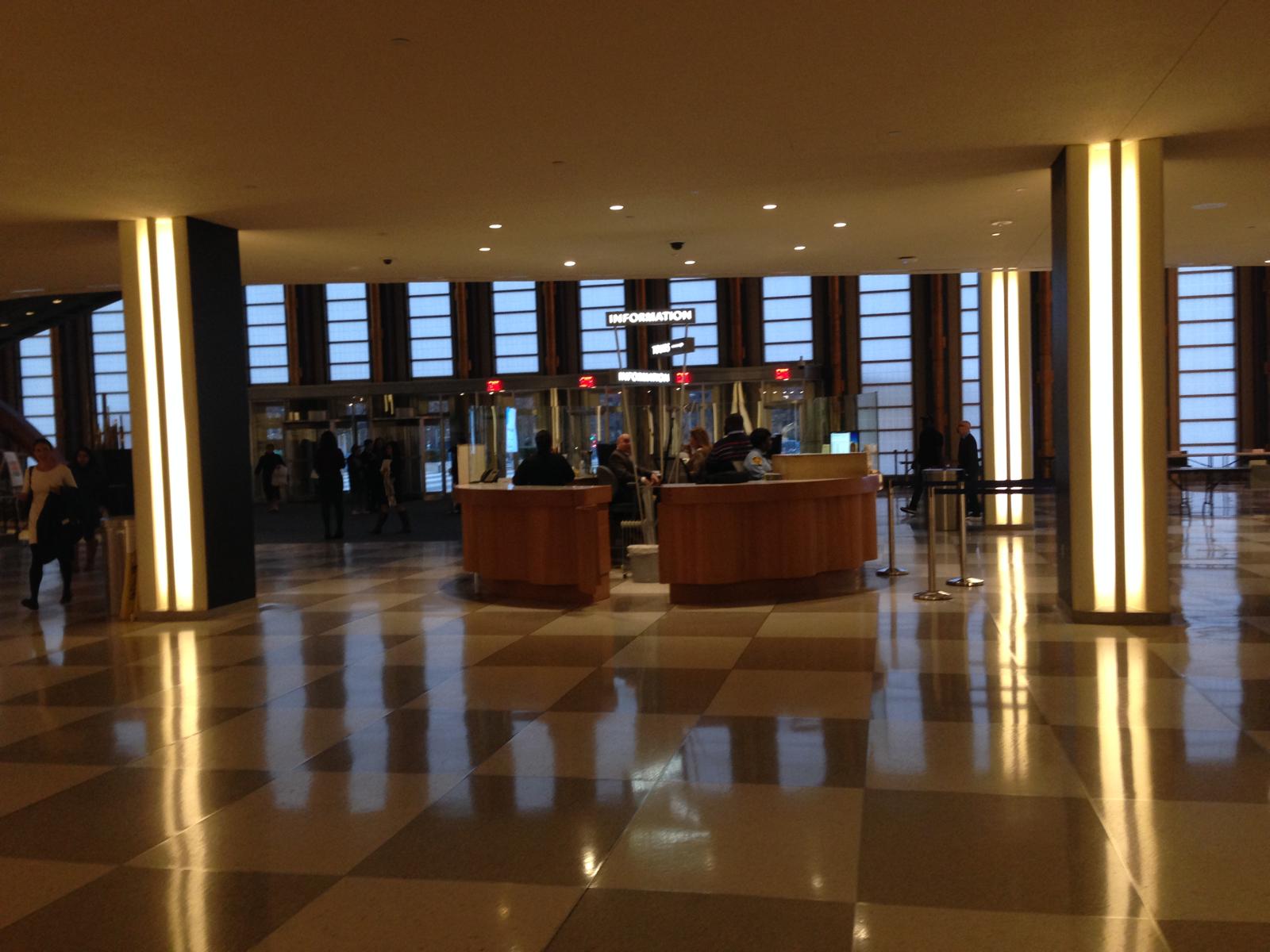
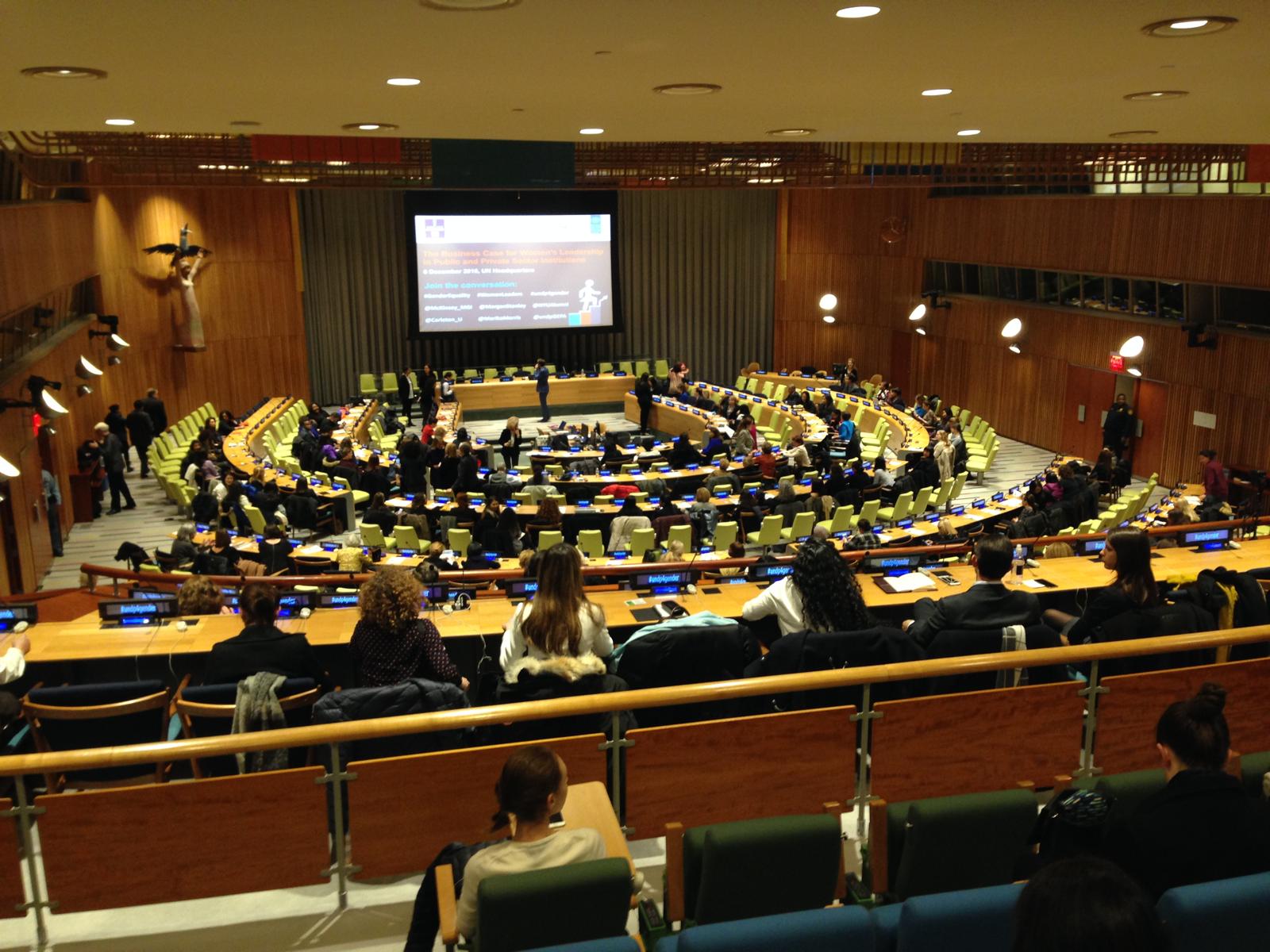
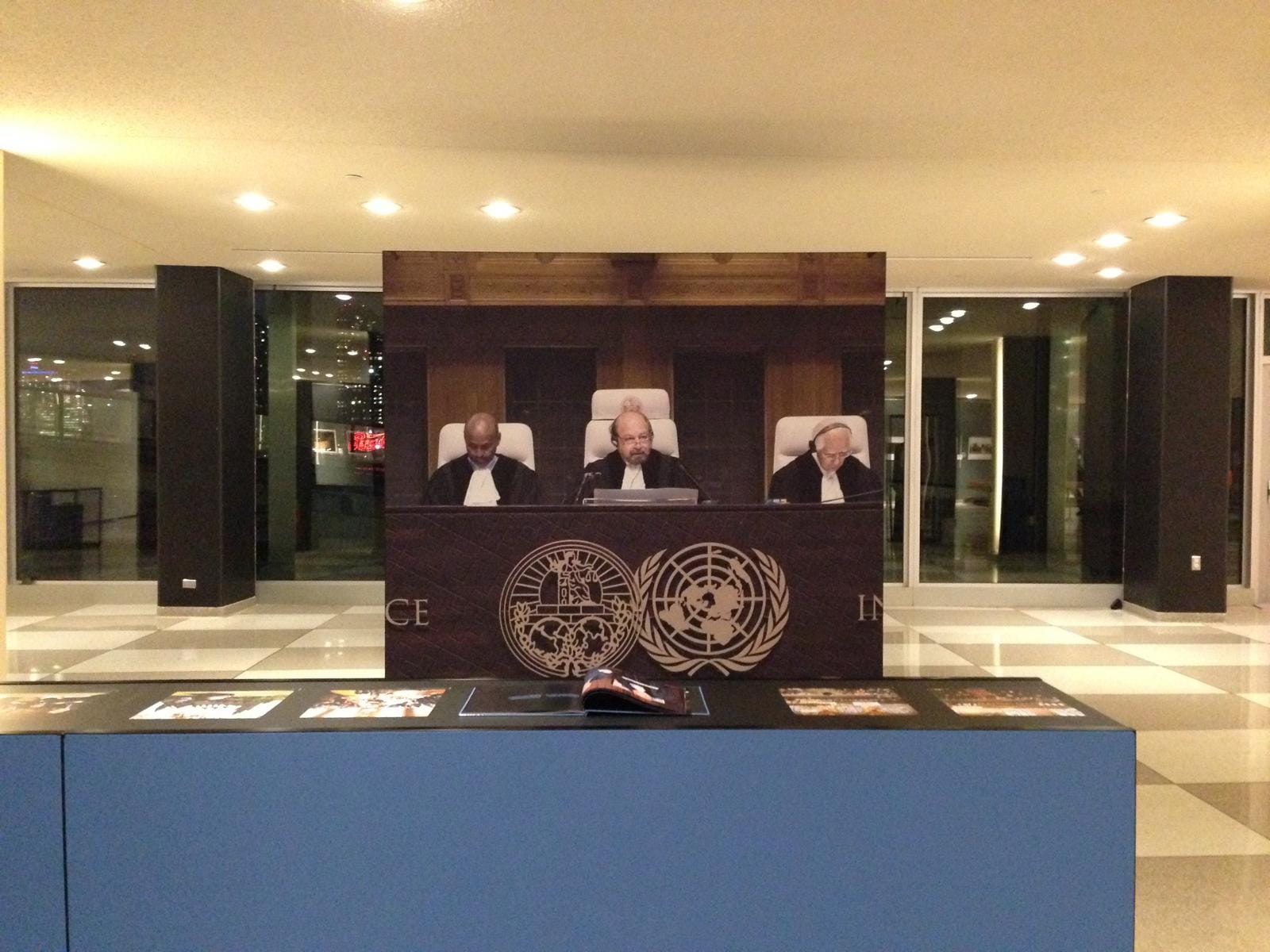
The neighborhood taught me many things. I sat in meetings inside the UN building. I learned what an ambassador's week actually looks like, how missions function, which countries keep which residences, and how much of diplomacy turns out to be logistics and proximity and simply being in the building when the thing happens.
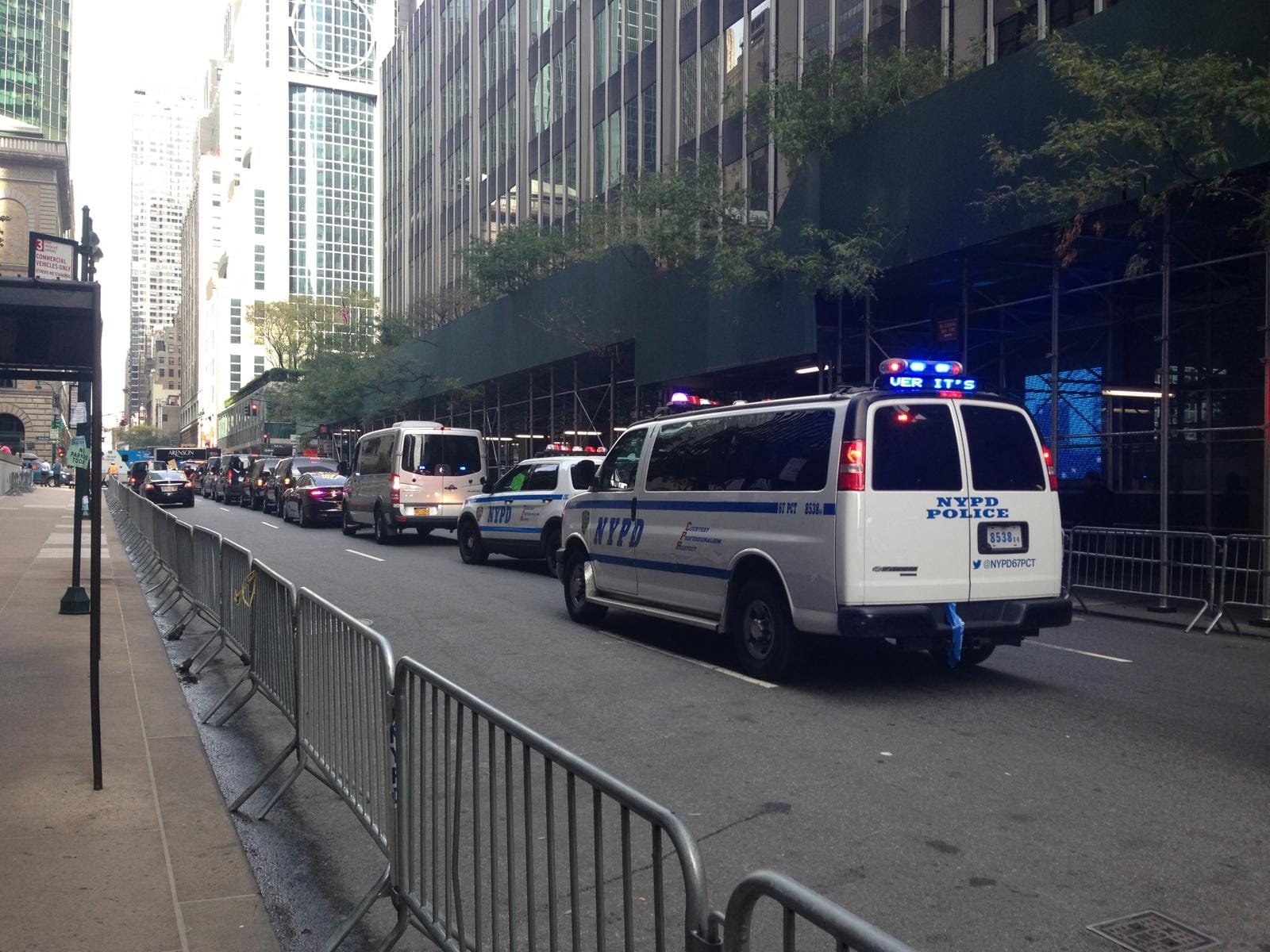
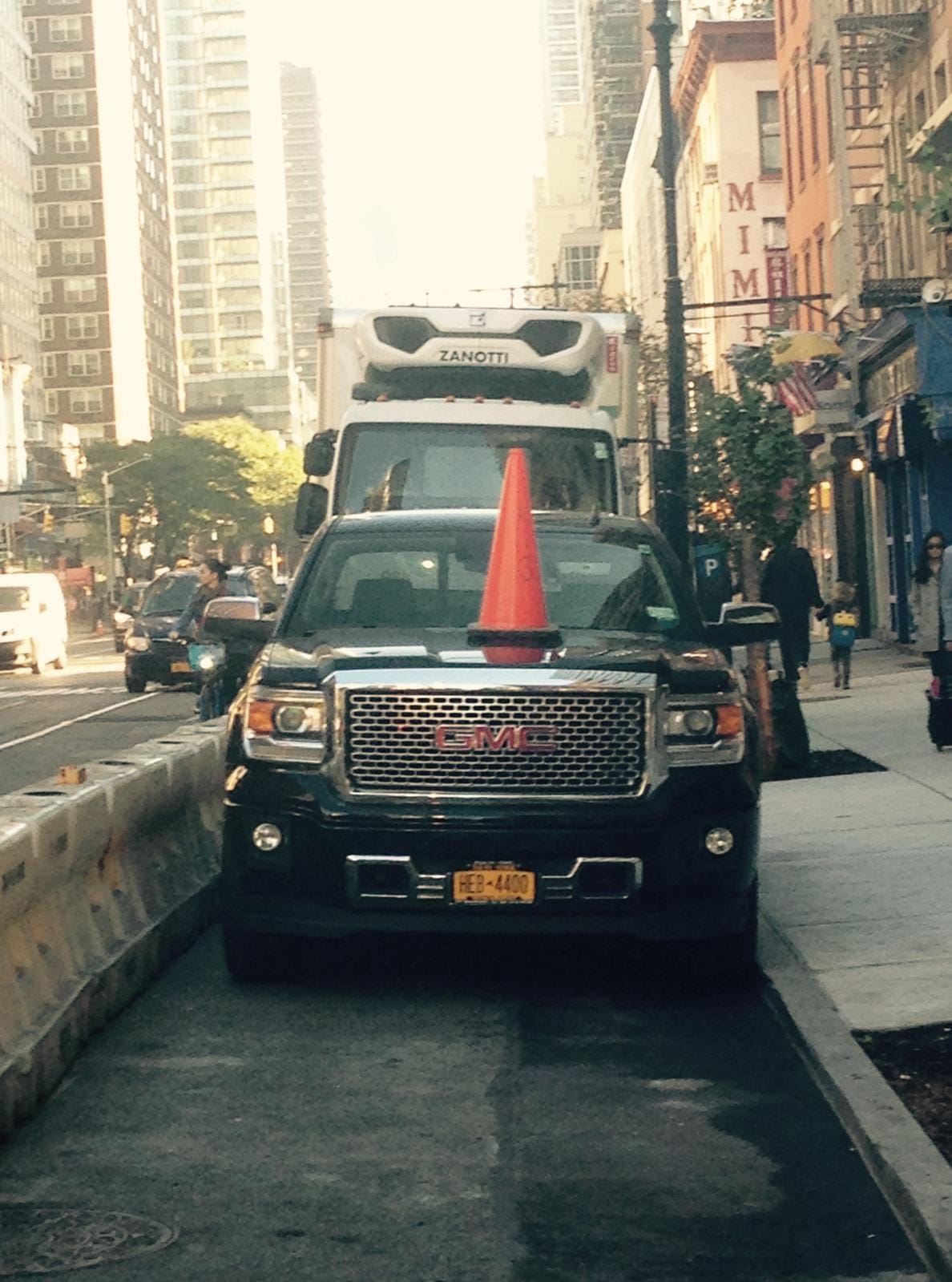
And every September the whole neighbourhood changes state. The General Assembly convenes, First Avenue closes in sections, the barriers go up, and for a fortnight your commute is arranged around the movements of heads of state. You are walking to the subway and a motorcade comes through two blocks over (if you are lucky, you will catch the US president's motorcade) — outriders, black SUVs, somebody's president inside one of them — and you check your watch, because it means the crosstown is going to be a nightmare.
At the time it was traffic. It was mundane. It was an inconvenience I complained about at dinner.
VI. You only find out afterwards
That is the thing nobody warns you about. A neighbourhood does not tell you what it is teaching you while you are in it. I stopped noticing those blocks entirely somewhere around year six. Years after leaving, I can still describe the walk from my office to my front door step by step.
Cities shape you at least as much as you shape them, and mostly by methods you do not consent to. The architecture does it. The people you pass daily without ever learning their names do it. The particular way the light comes off a river does it. You do not choose which parts stick.
What stuck was this. That a plain front and a generous interior is a way to live and not merely a way to build — those brownstones give the street nothing, and behind them is a garden you will never see. That quiet is a resource rather than an absence, and worth designing for, and worth going out of your way for; I look for a Greenacre Park in every city I land in.
And that people who fundamentally disagree can still be required to sit in the same room. That argument was being made at the end of my street — badly, expensively, imperfectly — every single day for ten years, while two blocks away a row of houses quietly shared a garden.
For someone raised on goodbyes, in a neighbourhood built by people who chose to stay, it was an unlikely education in permanence. I could not have told you that at the time. It took leaving, and then it took nine more years, and then it took a passport arriving in December.
I still cannot wait to leave when I am there. I still cannot wait to go back when I am not. Both of those are true and neither cancels the other, and I have decided that is simply what it means to be from somewhere.
Go and stand in Greenacre Park for fifteen minutes. You will see what I mean.
Question: Where do you consider home? And if you grew up moving — have you found the place you would stay?
![Life | Greece Sanctuary] Skiathos #Escape](https://storage.ghost.io/c/2a/9e/2a9e2b04-30f6-4166-8010-a3730d2eb719/content/images/size/w720/2026/09/Skiathos.jpg)
![Life] What is your comfort food?](https://storage.ghost.io/c/2a/9e/2a9e2b04-30f6-4166-8010-a3730d2eb719/content/images/size/w720/2026/09/WhatsApp-Image-2026-09-18-at-10.11.32.jpeg)
![Life | London Sanctuary] The Grove: Place of Restoration #Retreat](https://storage.ghost.io/c/2a/9e/2a9e2b04-30f6-4166-8010-a3730d2eb719/content/images/size/w720/2026/08/WhatsApp-Image-2026-08-07-at-21.51.41.jpeg)
Comments ()