Life | London Sanctuary] Chiltern Street, Rediscovered: A Love Letter to #Marylebone
![Life | London Sanctuary] Chiltern Street, Rediscovered: A Love Letter to #Marylebone](https://storage.ghost.io/c/2a/9e/2a9e2b04-30f6-4166-8010-a3730d2eb719/content/images/size/w1200/2026/08/d96d87eb-7e63-4876-9a07-48bc22d2470c.jpg)
EJ's note
"The only true voyage of discovery... would be not to visit strange lands but to possess other eyes."
— Marcel Proust, La Prisonnière
REFORMED. I first discovered Chiltern Street because of running — specifically, because of Tracksmith. When I started training for my half marathon in 2024, my friends pulled me into the Tracksmith running community and Saturday parkruns, and somewhere along the way, this little red-brick street in Marylebone became a fixture on my map without me ever really looking at it.
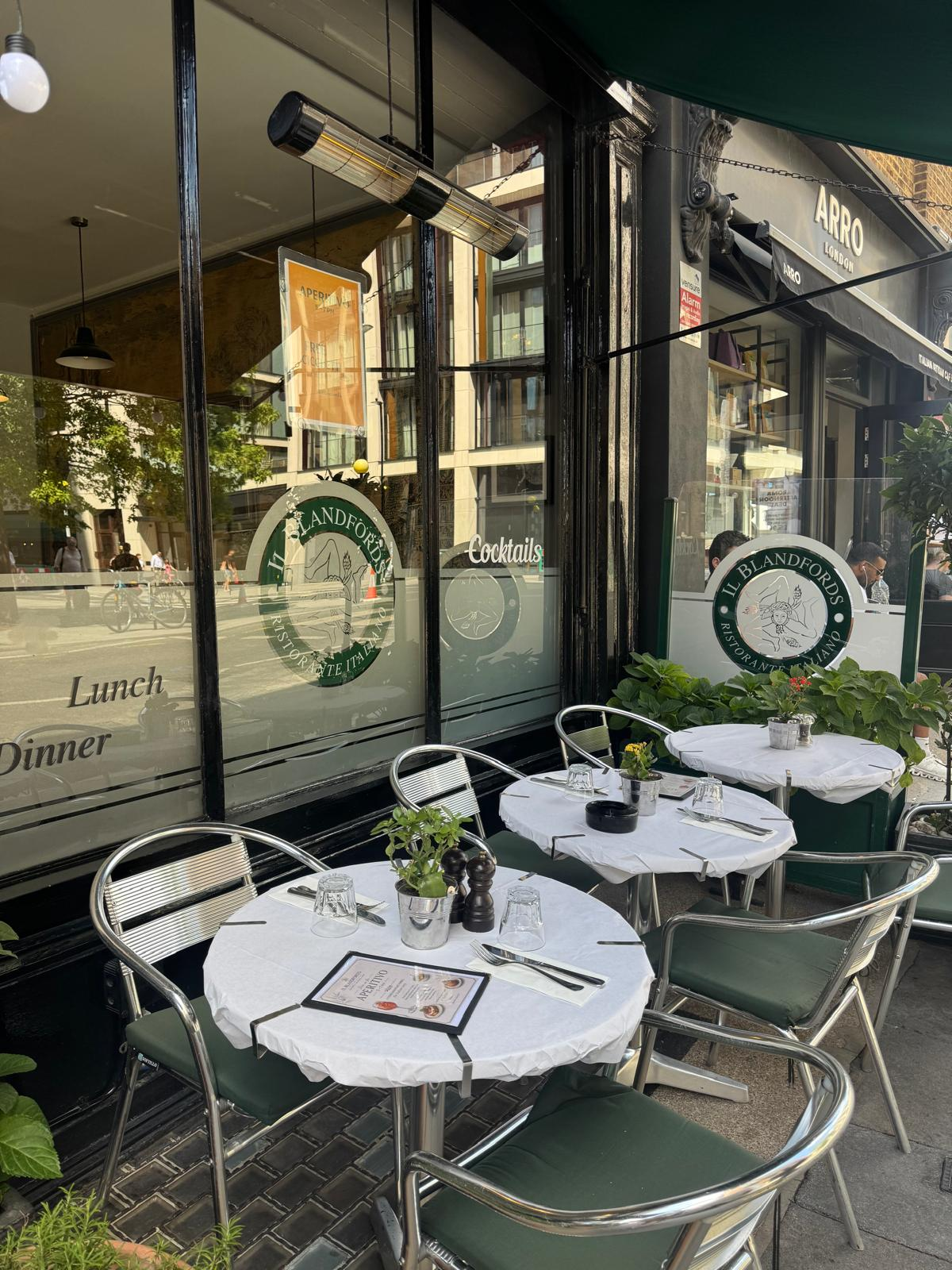
Then, recently, I rediscovered it. I showed up at the Tracksmith store at 9:30am on a Sunday morning for a long run, half-asleep, not thinking much of my surroundings. By the time I came back around 11am, the street had come fully alive under the summer midday sun. And here's what I love most about it in summer: the outdoor seating arrangement, very Paris. Tables and chairs spill out onto the pavement, and you can literally watch people go by while sitting outside with your coffee — that slow, café-terrace rhythm you don't expect to find two minutes from Baker Street. It felt like I was seeing the street for the first time. So here's my discovery, shared: Chiltern Street, and the Marylebone neighborhood around it.
Enjoy!
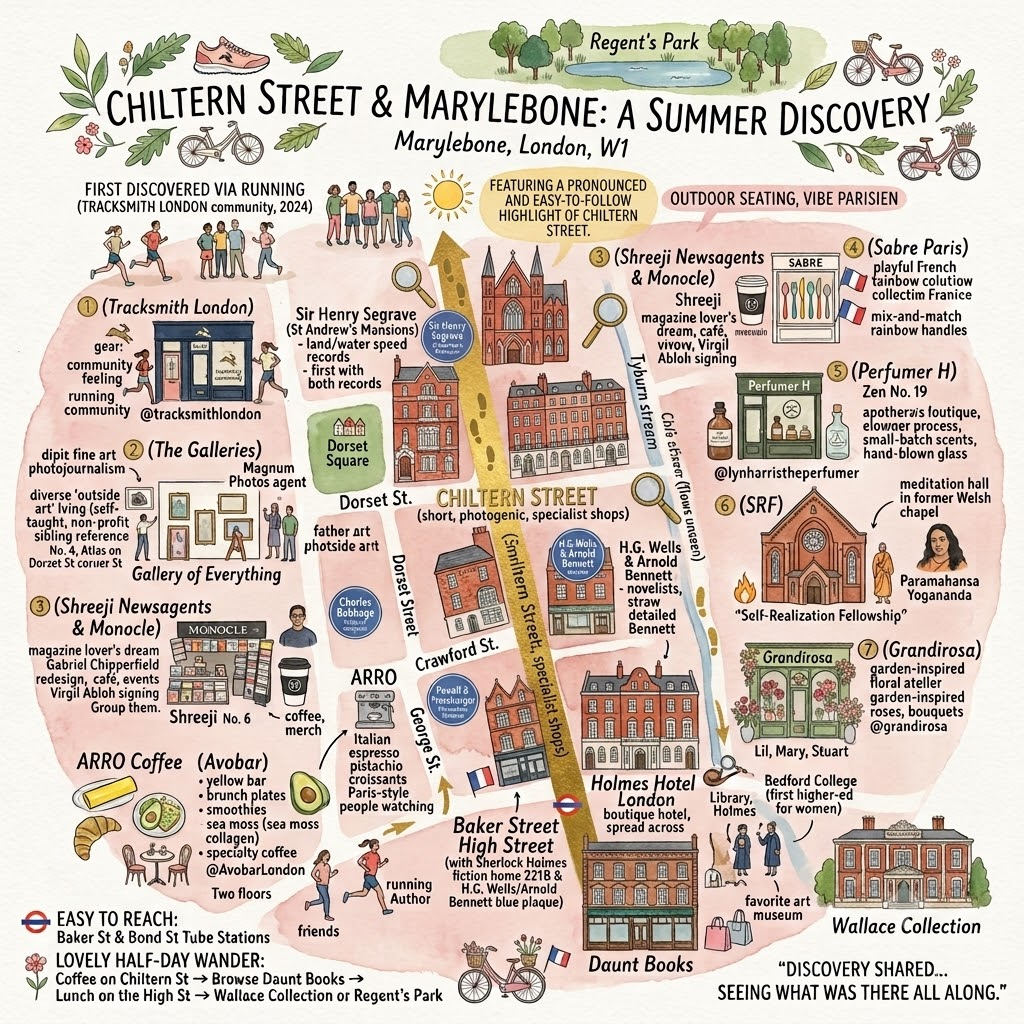
I. First, Marylebone
Marylebone is a district in central London (City of Westminster), sitting between Oxford Street to the south and Regent's Park to the north. The name comes from the medieval church of St Mary by the bourne — the Tyburn stream that once ran through here and now flows unseen beneath the streets. It has a distinctive "village in the city" feel — elegant Georgian terraces, garden squares, and a strong independent retail scene, largely because much of the area is still owned and curated by great estates that have held it for centuries: the Howard de Walden Estate around the High Street, and the Portman Estate — in the family since the 1530s — on the western side, which includes Chiltern Street itself. Both deliberately favour independents over chains, which is why the village survived. Landmarks include the Wallace Collection (a free art museum, and genuinely one of my favorites; here is my post), Marylebone High Street with its boutiques and cafés, Daunt Books (a beautiful Edwardian bookshop famous for arranging books by country), and the fictional home of Sherlock Holmes at 221B Baker Street. Harley Street, historically associated with private medicine, runs through the area.
II. The Street Itself
Chiltern Street is a short, photogenic street of Victorian red-brick Gothic buildings just off Marylebone High Street — and it has a hidden past life. It dates to the 18th century and was called East Street until 1937, when it was renamed after the Chiltern Hills, the countryside the old railways connected to Marylebone. For decades it was a quiet street of specialist shops — bridal wear and menswear tailors, mostly — until the Chiltern Firehouse opened in 2014: a restaurant and hotel by hotelier André Balazs in the Grade II listed 1889 Marylebone Fire Station, built in the same red-brick Gothic that gives the street its face. It quickly became one of London's most celebrity-frequented spots and pulled the whole street upmarket. Today Chiltern Street mixes high-end independent boutiques (fashion, fragrance, eyewear, audio), cafés like Monocle's, and design-led shops, while keeping its low-key, uncommercial character compared with nearby Oxford Street.
Note) the Firehouse suffered a serious fire in February 2025 — history rhyming a little too neatly — and closed for restoration at the time of posting, so check its current status before visiting.
It reminds me of SoHo back in New York — that same mix of beautiful old architecture, design-led shops, and people who clearly care about what they wear and read — but in a more idyllic, cuter way. SoHo with the volume turned down and the charm turned up.
III. Where I Would Take You
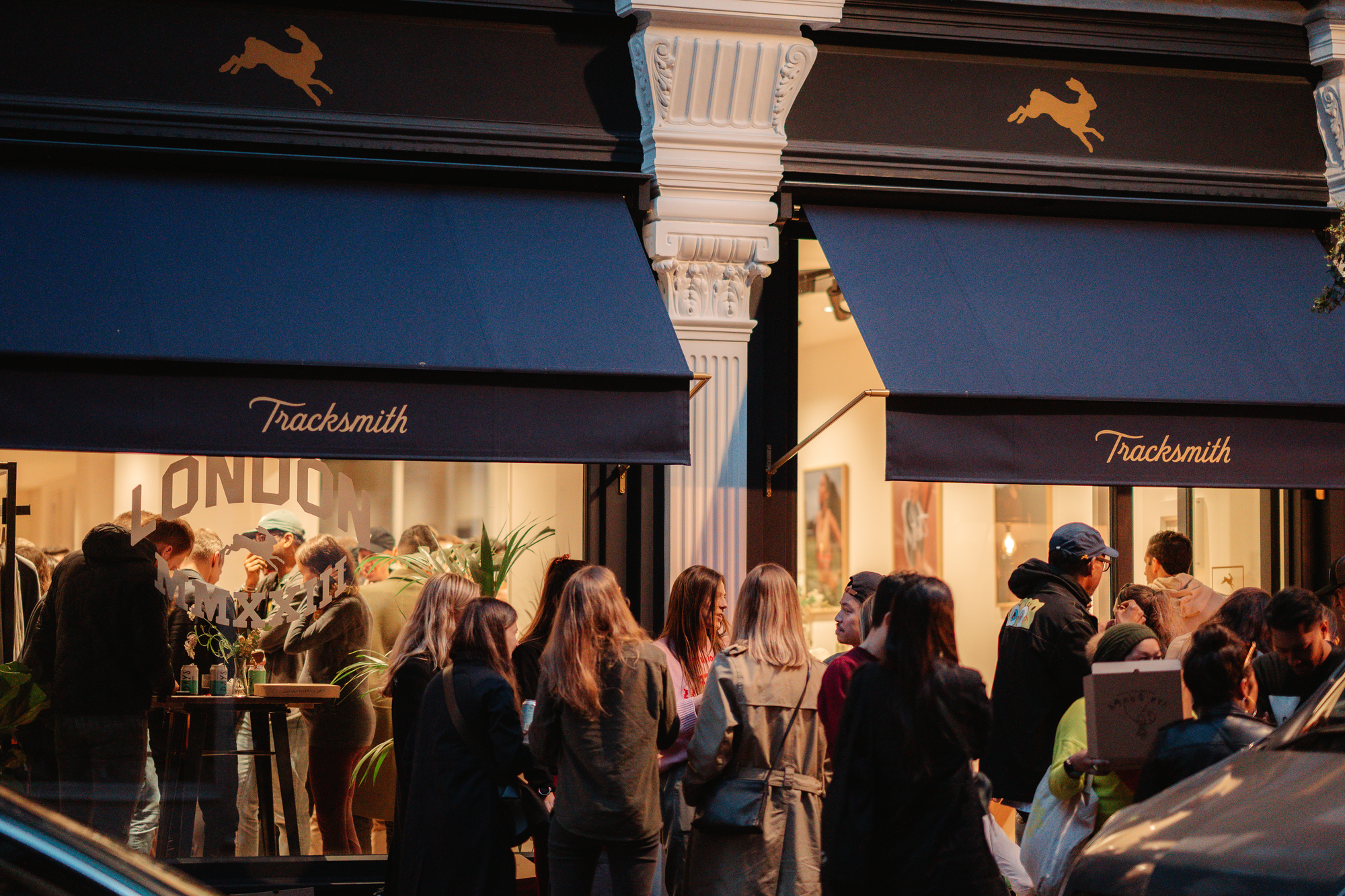
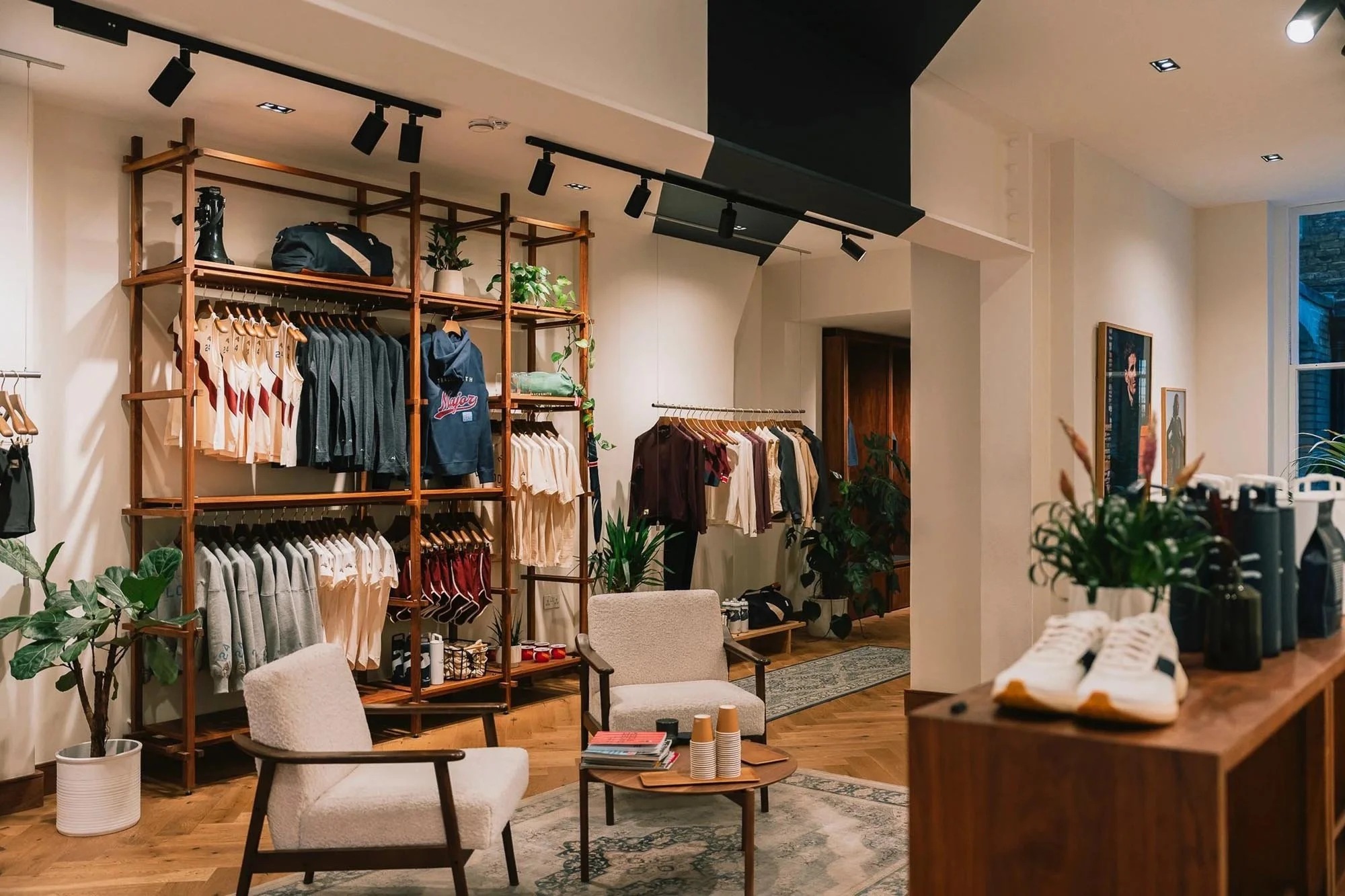
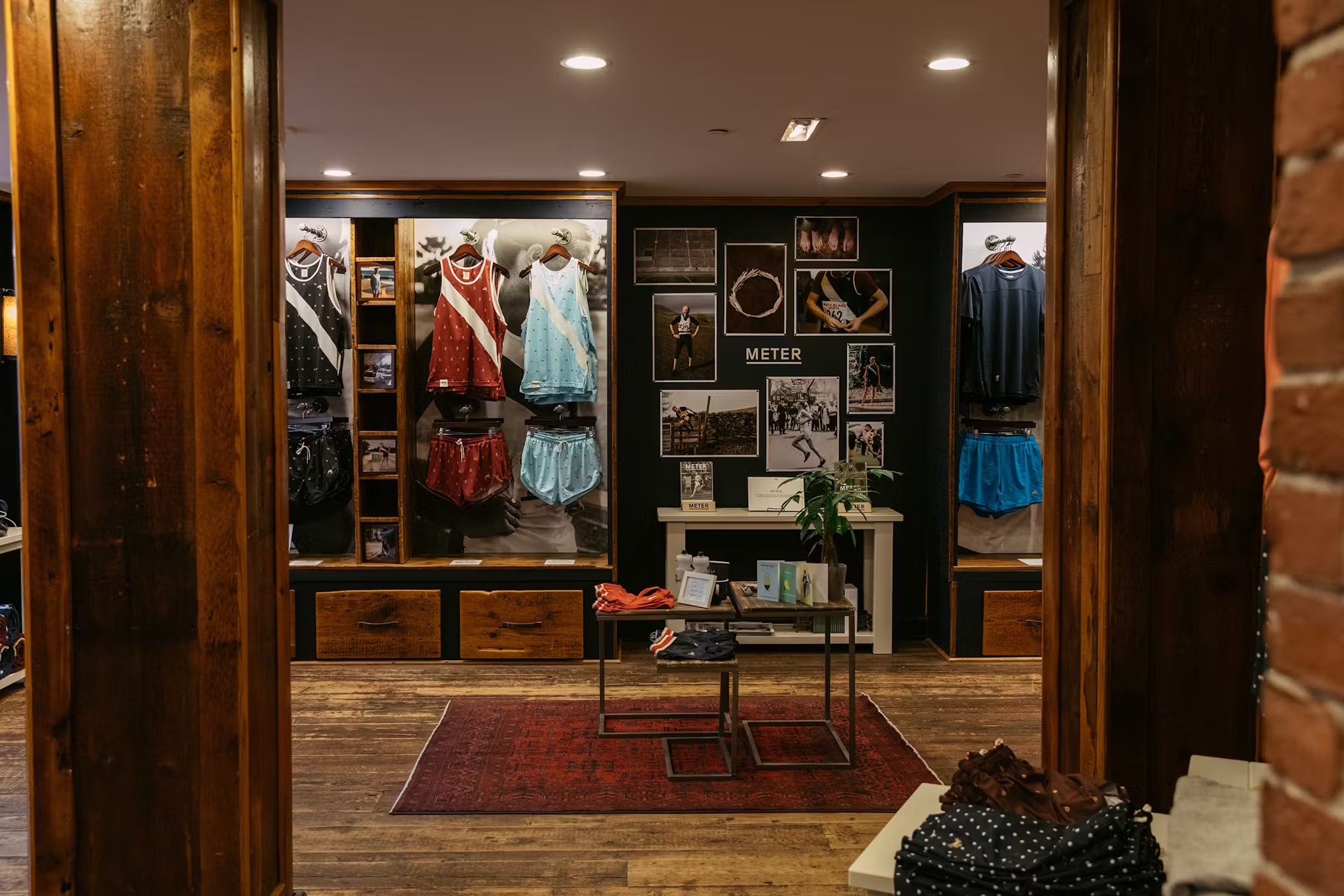
1) Tracksmith (@tracksmithlondon) — Biased, because this was my main introduction to the street. The Boston-born running brand's London home is more clubhouse than store: Sunday long runs, a community that actually shows up, and beautiful gear. This is where my whole Chiltern Street story starts.
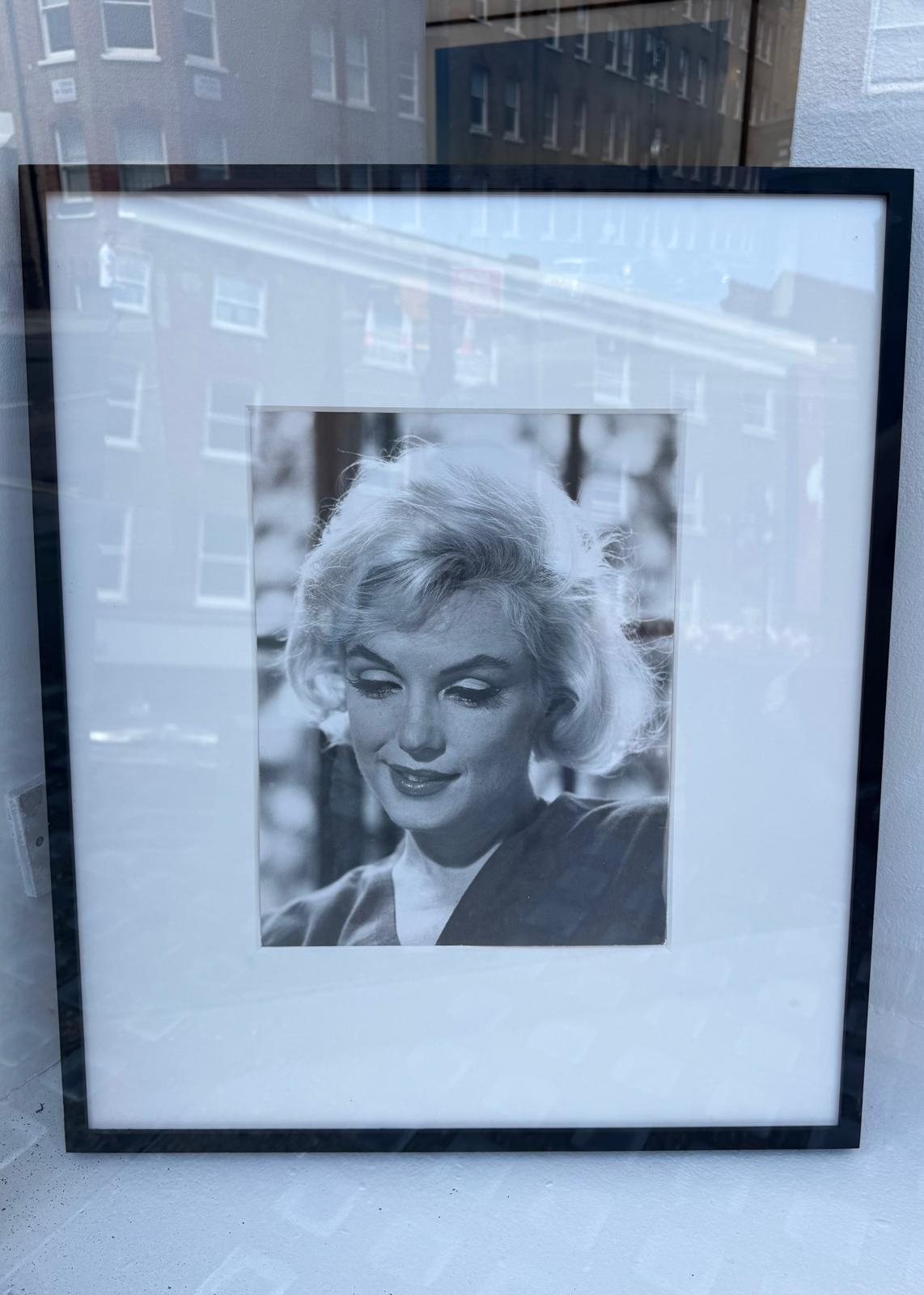
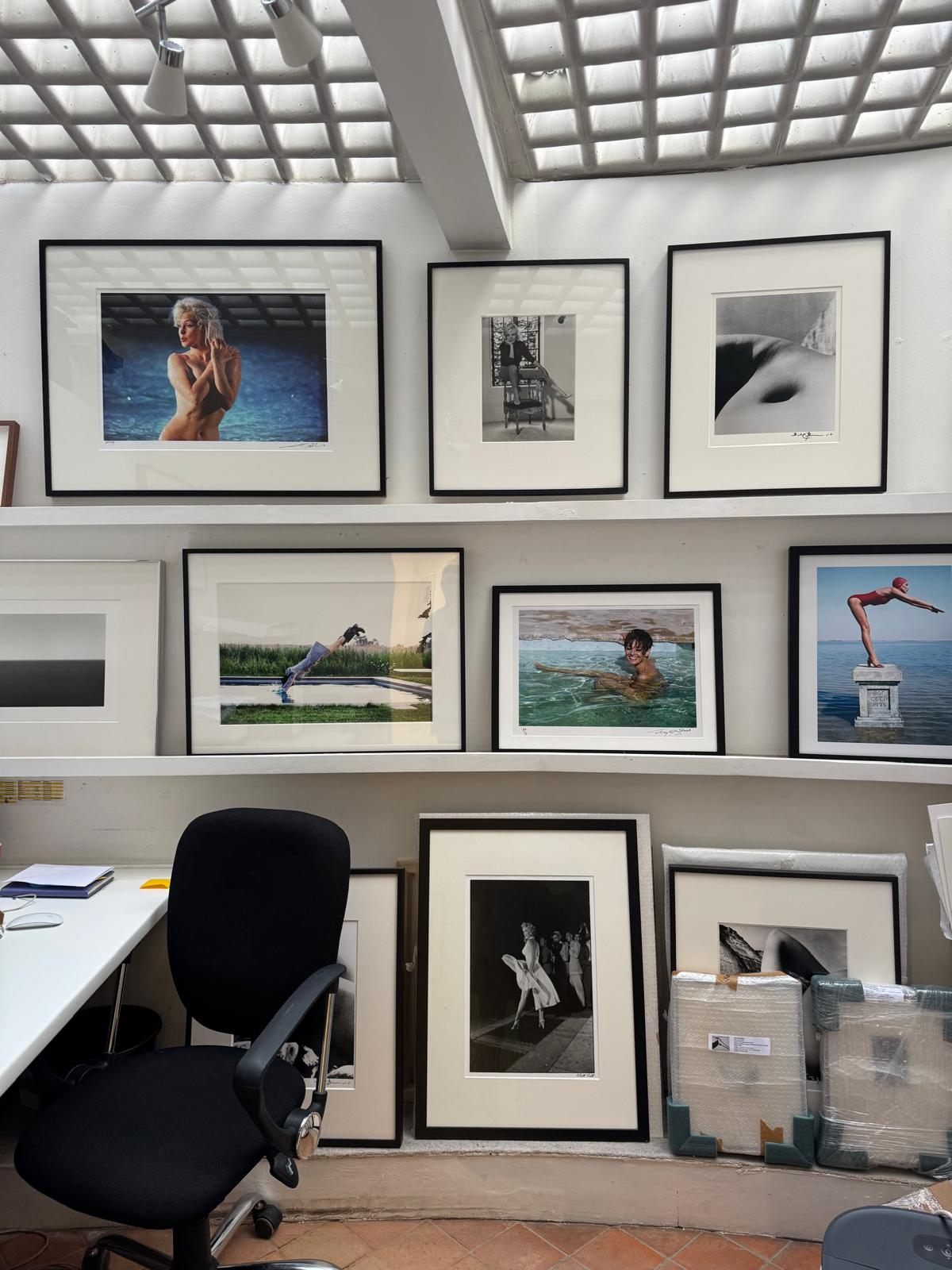
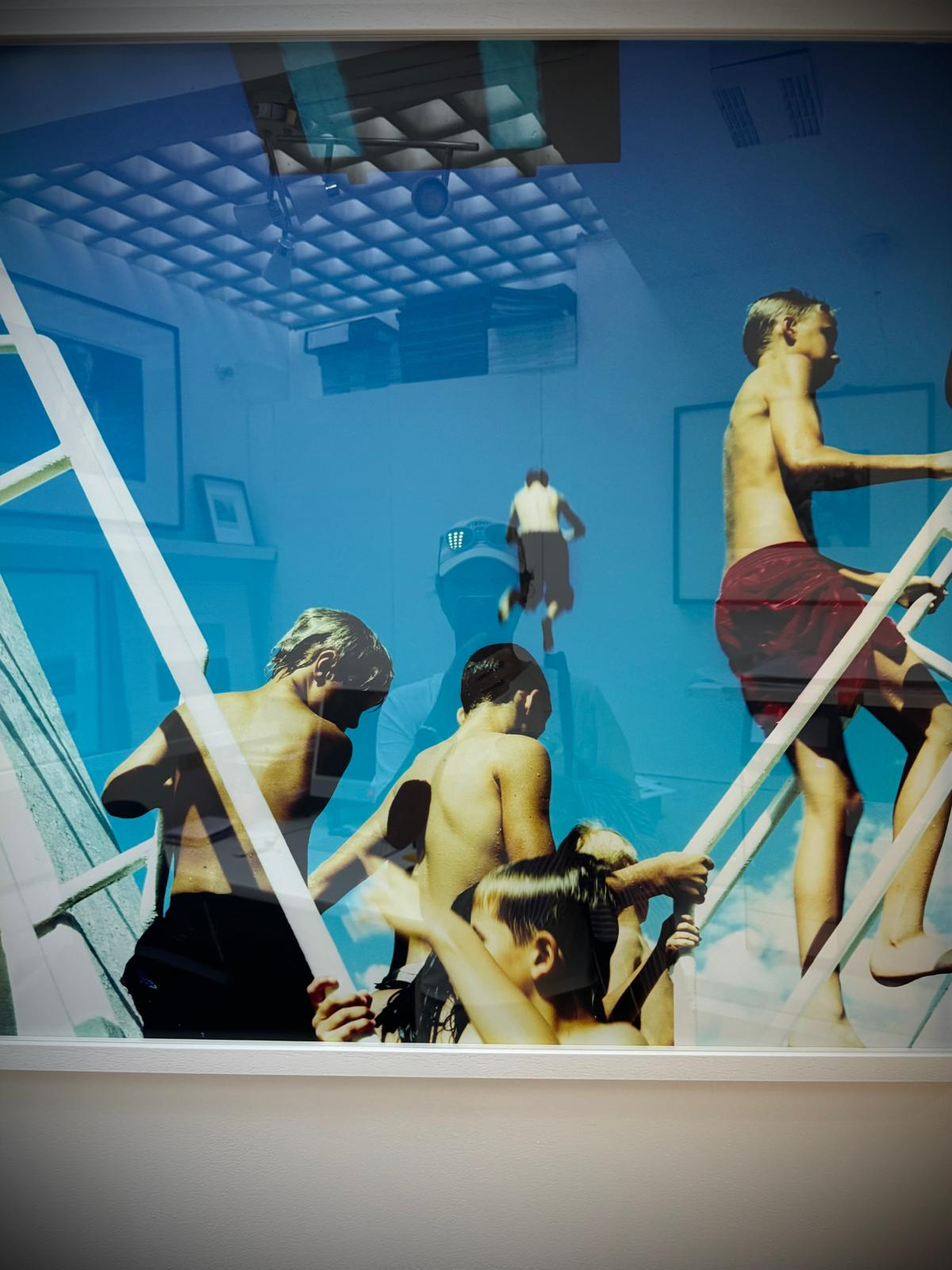
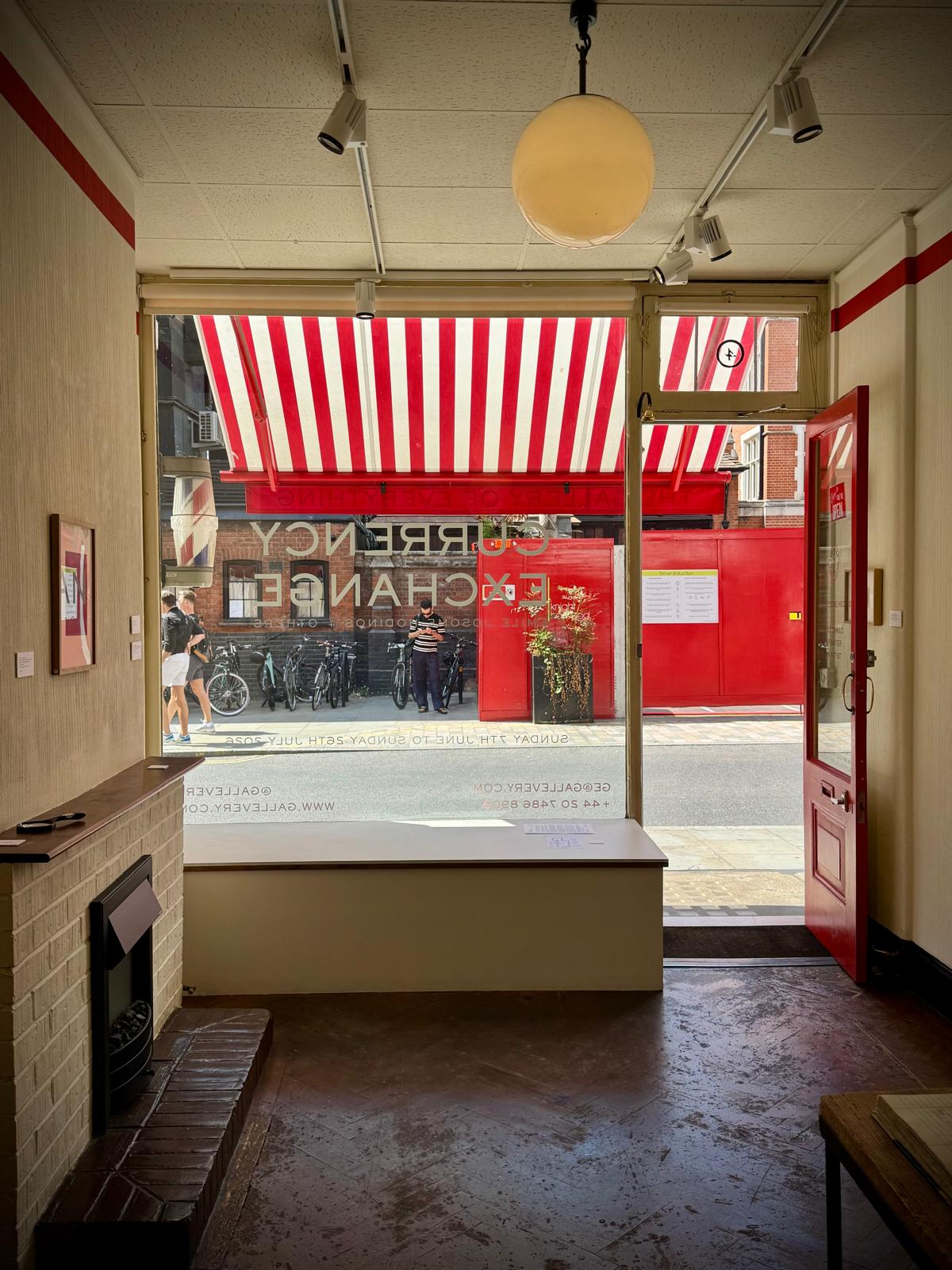
2) The galleries — Two, and both worth your time. Atlas Gallery, on the corner of Chiltern and Dorset Street, was founded in 1994 by Ben Burdett and deals exclusively in fine art photography — Robert Capa and Henri Cartier-Bresson-caliber photojournalism — and has served as the official gallery agent for Magnum Photos. A few doors down at No. 4, The Gallery of Everything is London's first commercial gallery dedicated to self-taught and outsider artists; every purchase supports its non-profit sibling, the Museum of Everything.
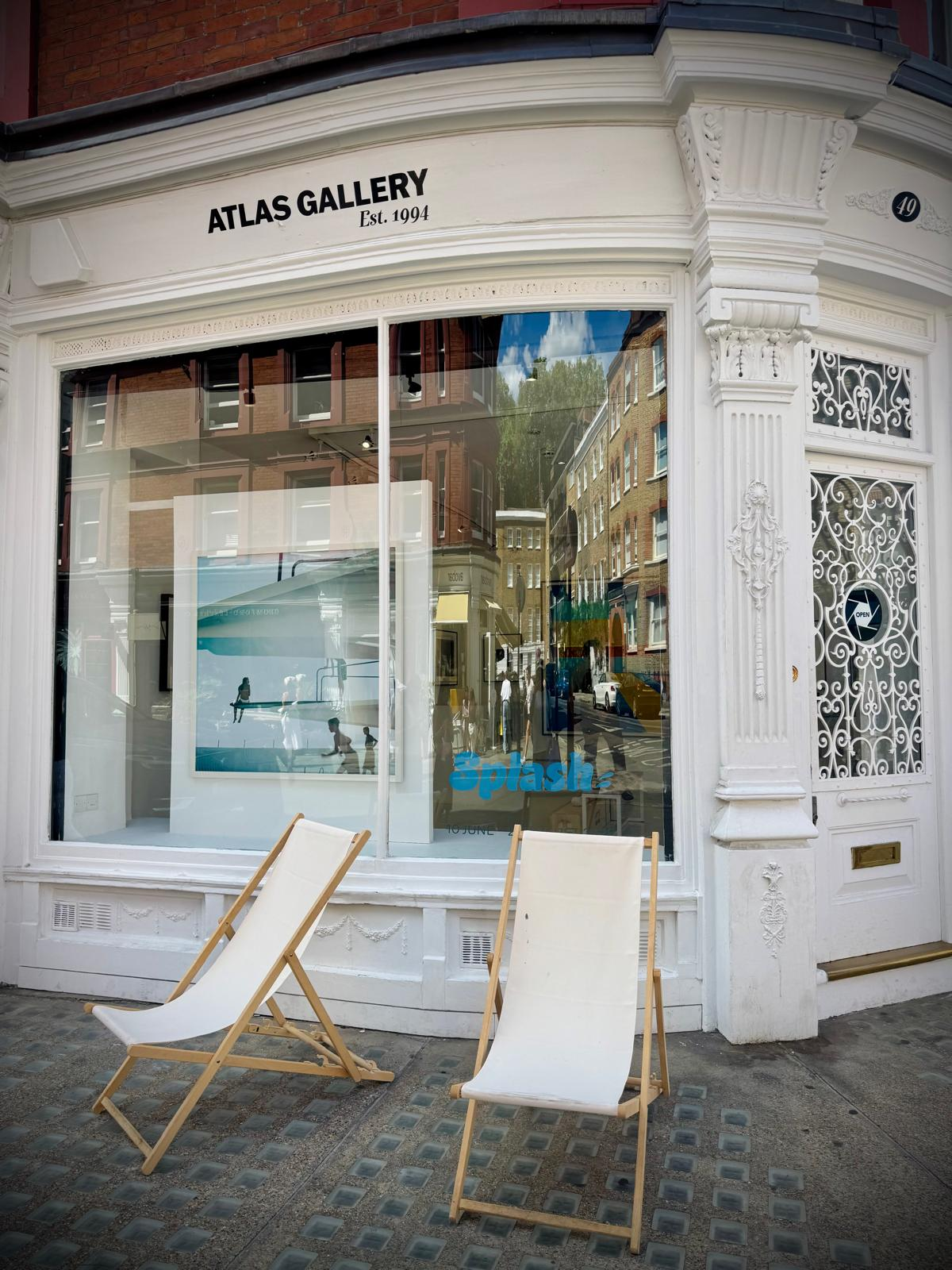
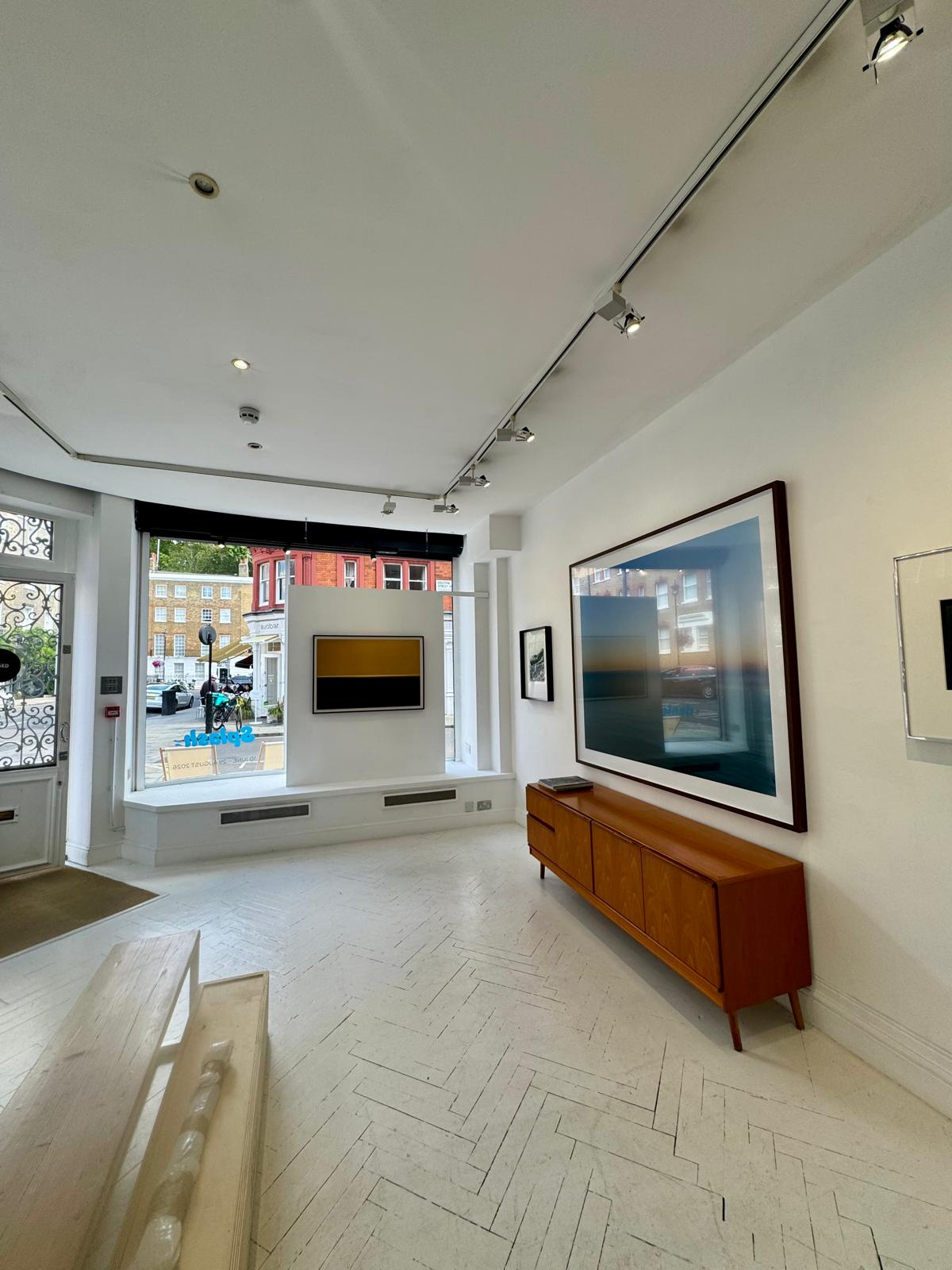
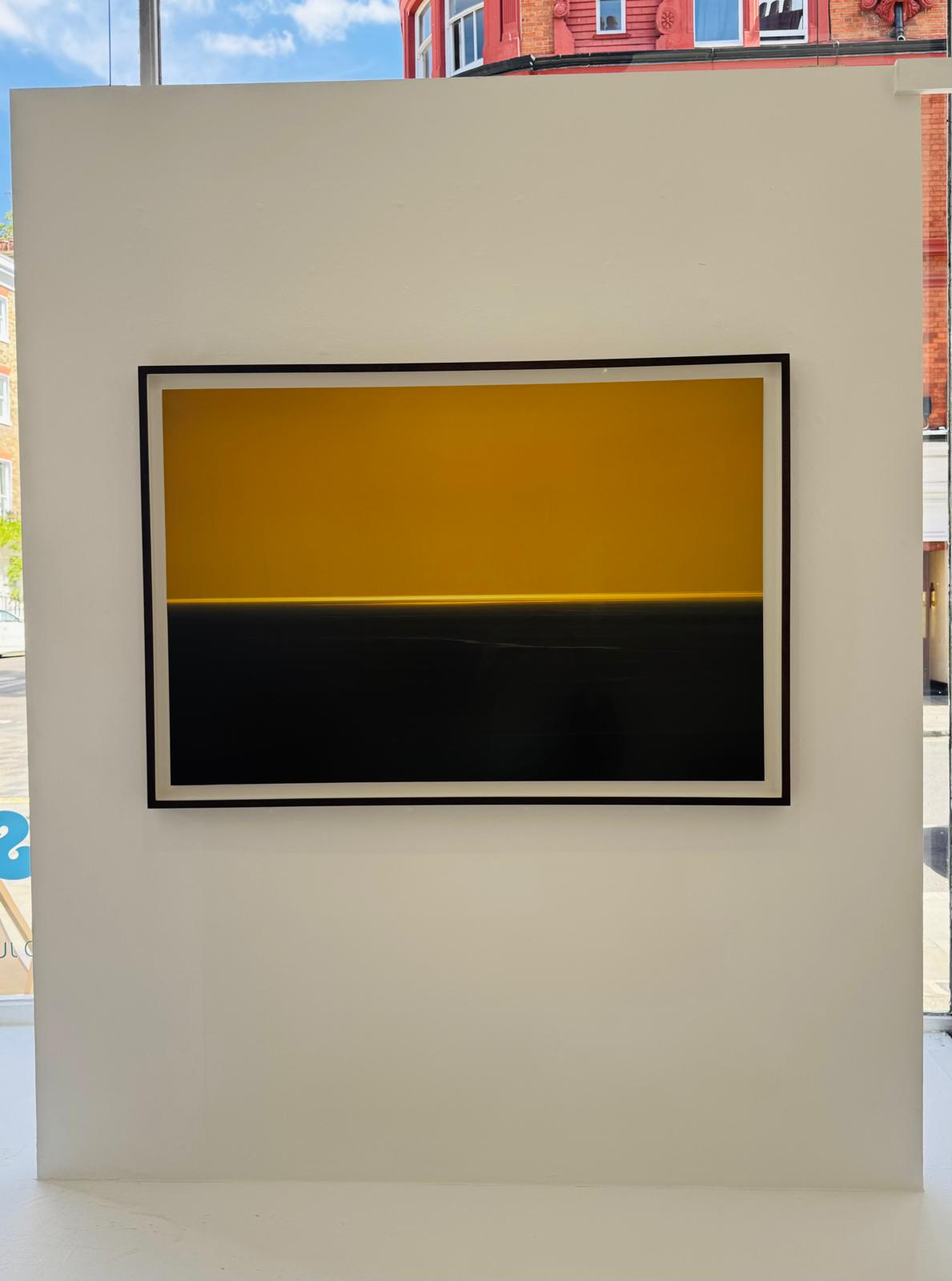
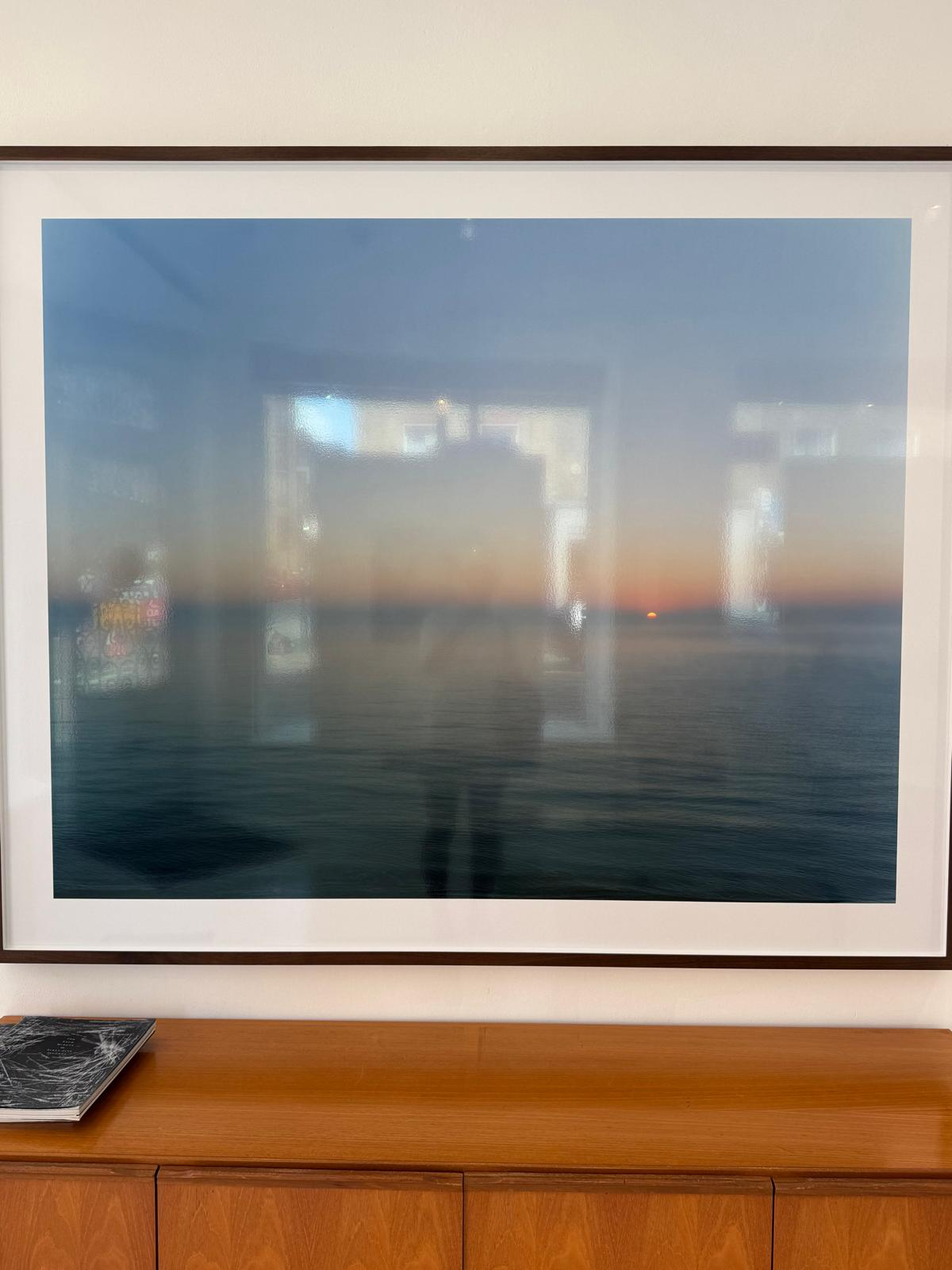
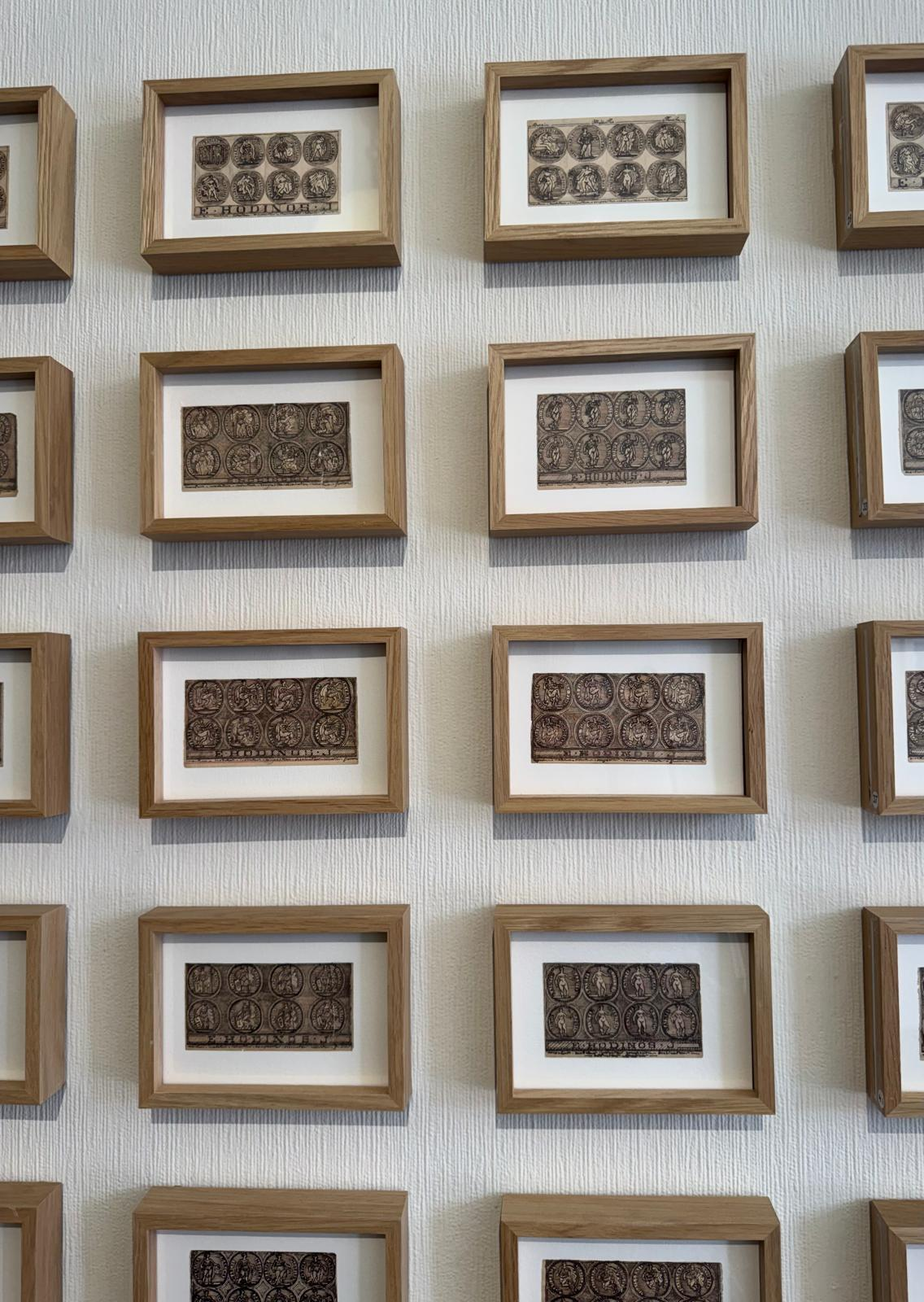
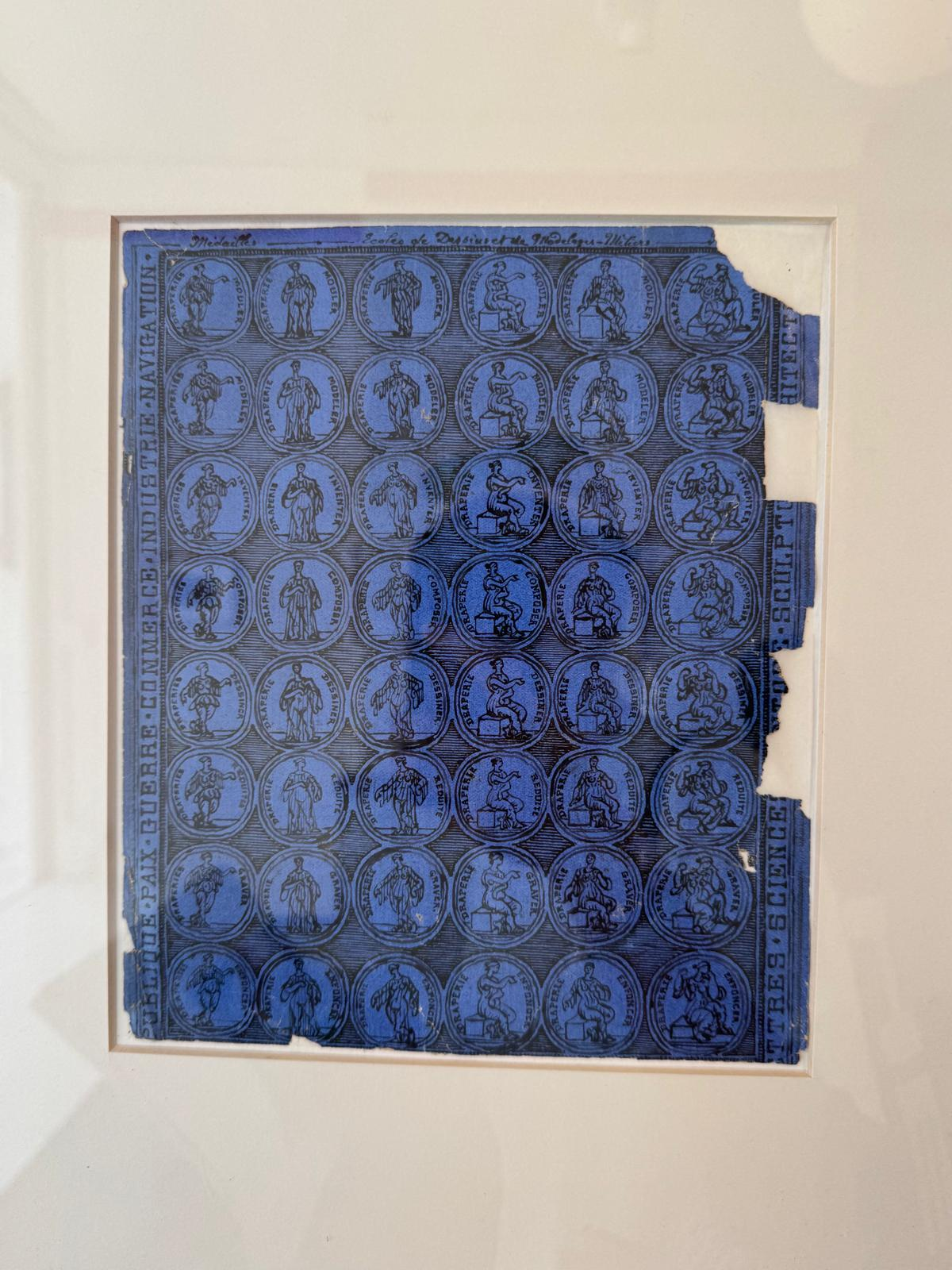
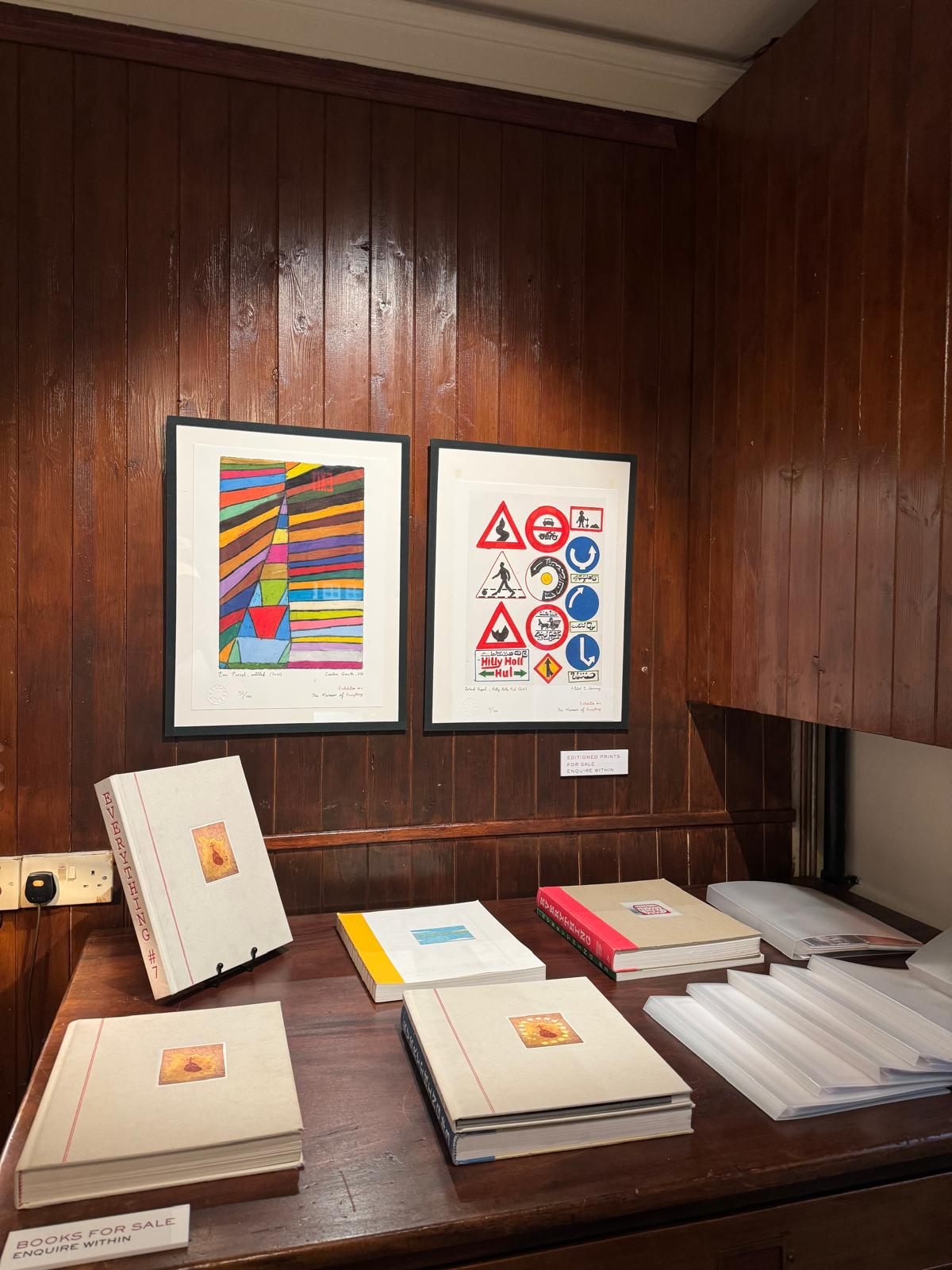
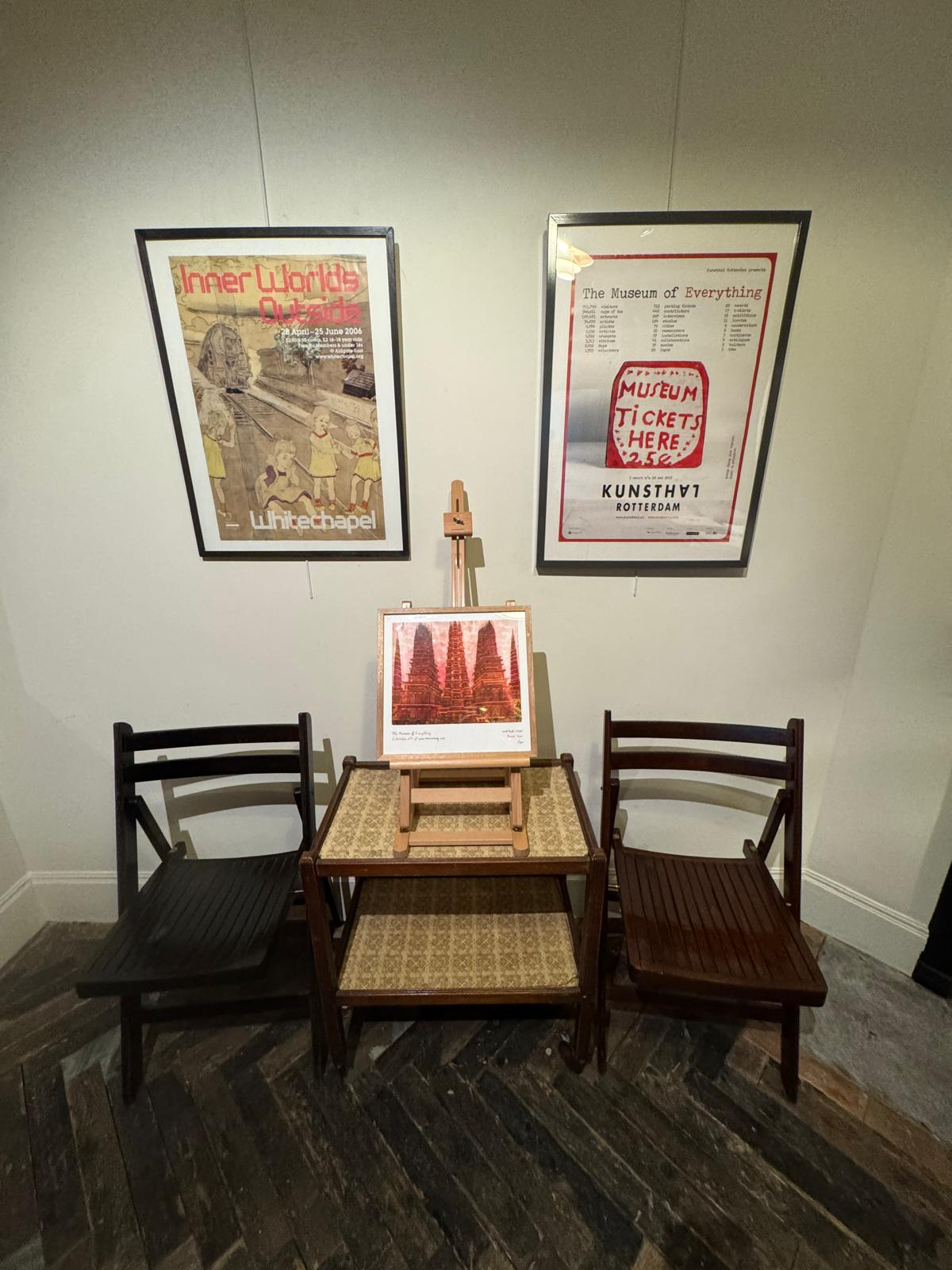
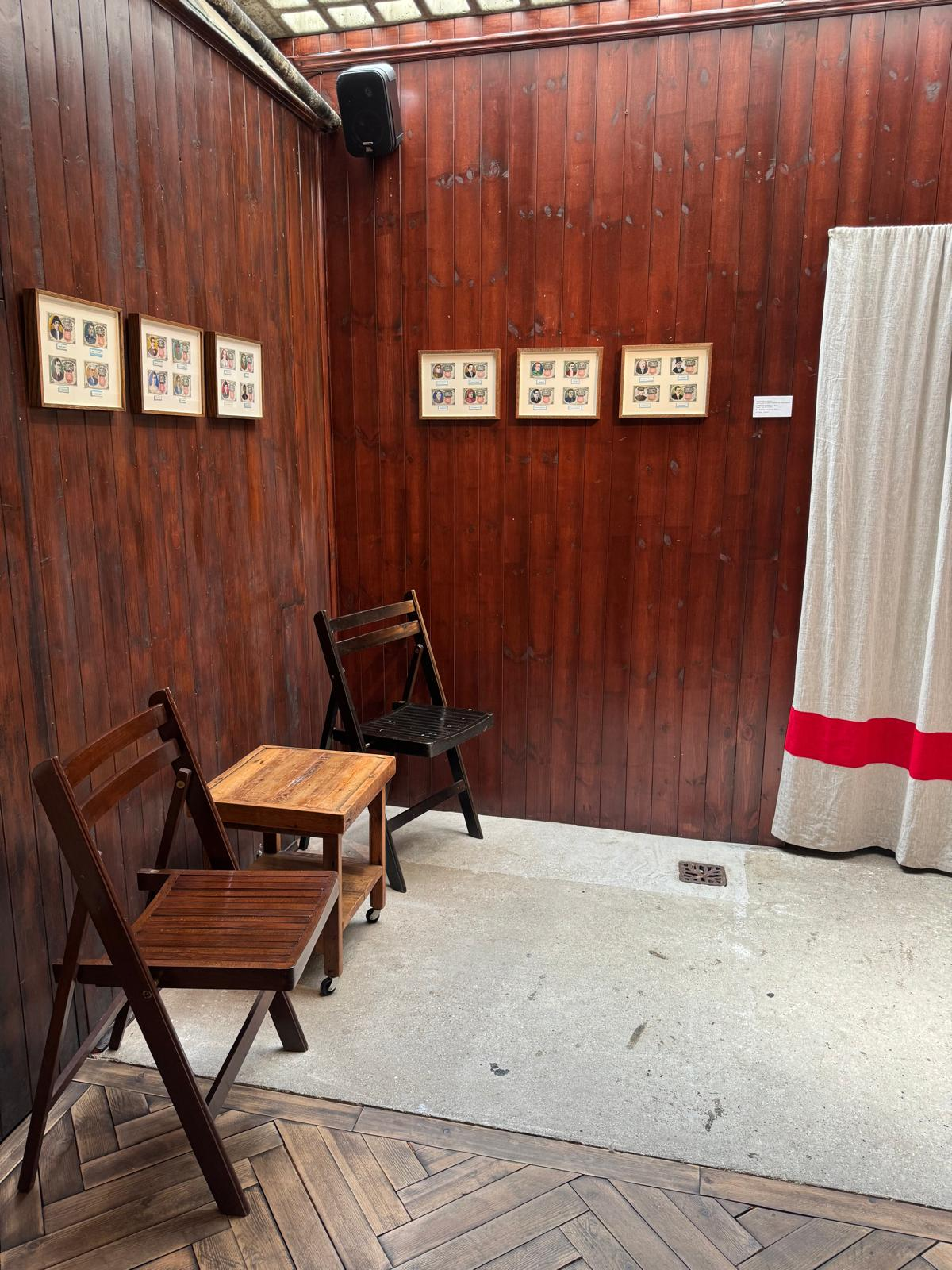
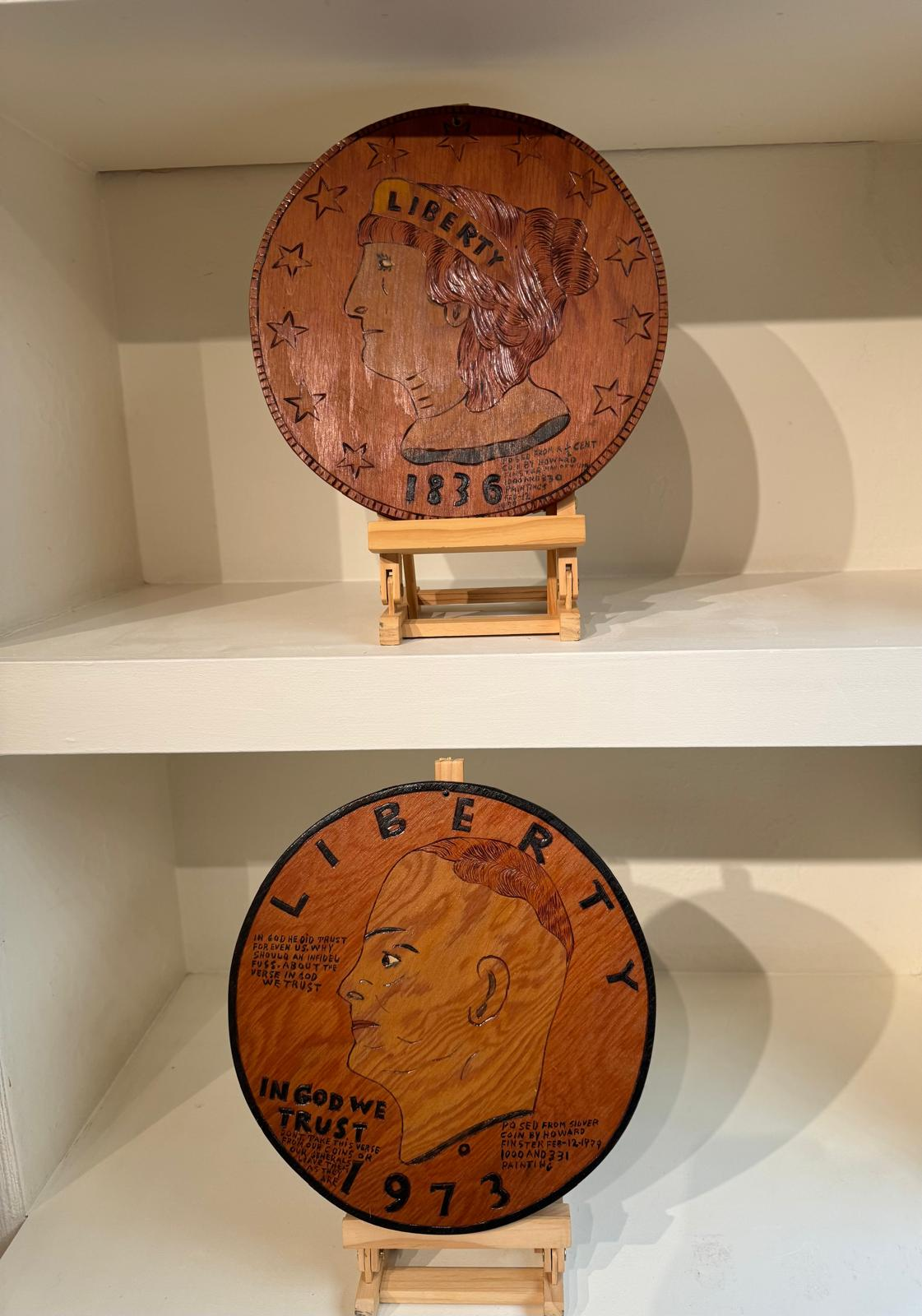
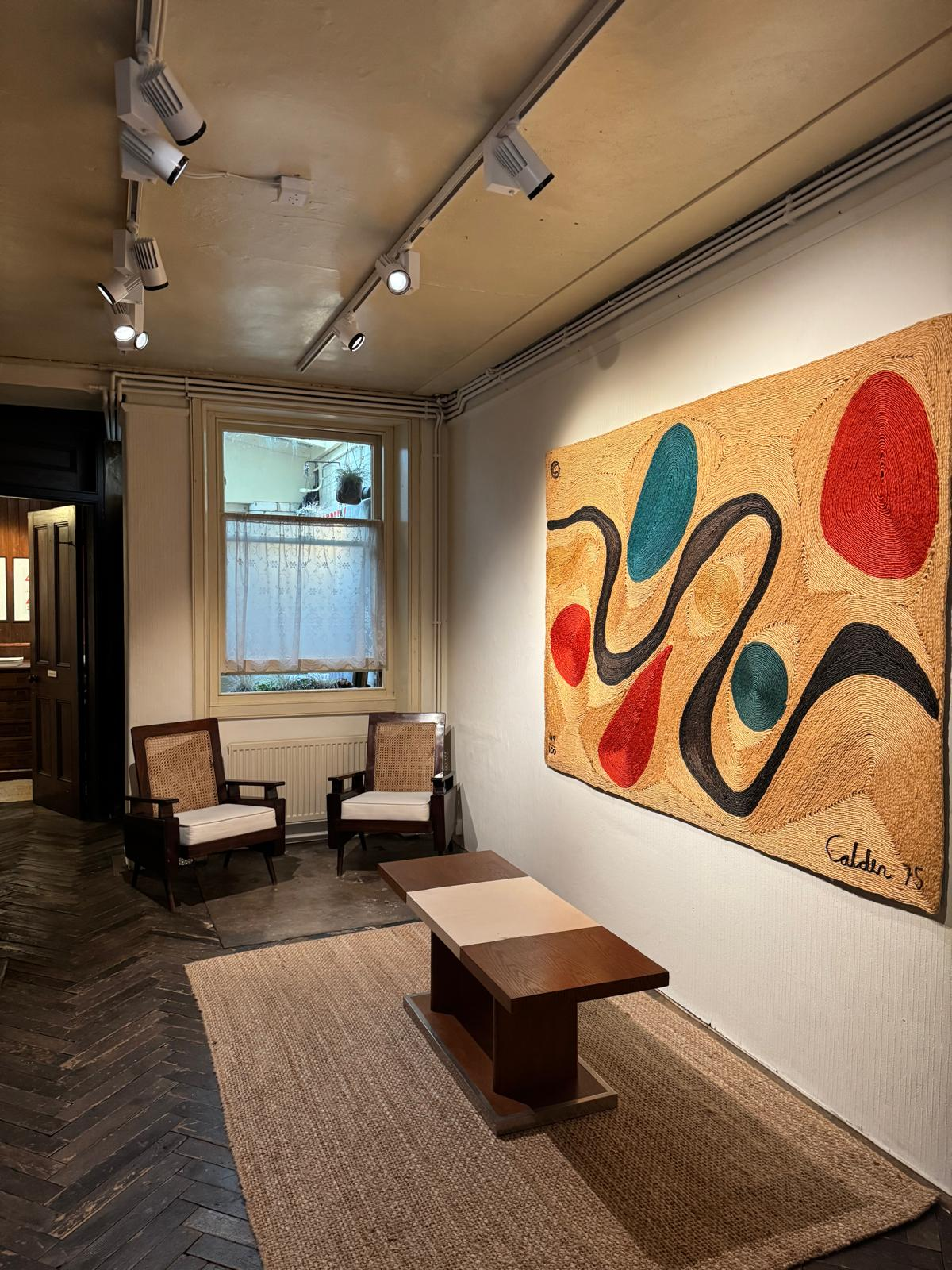
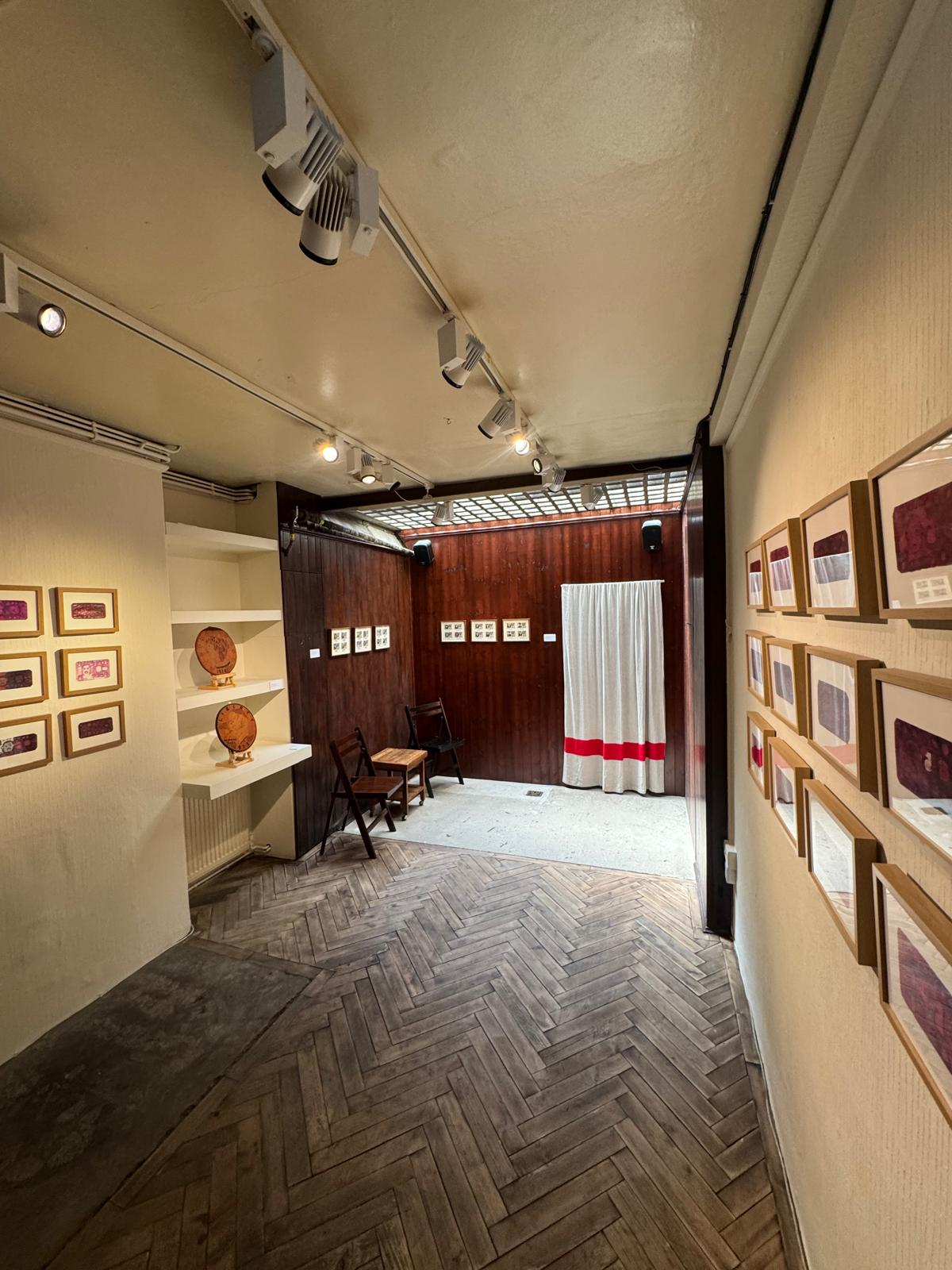
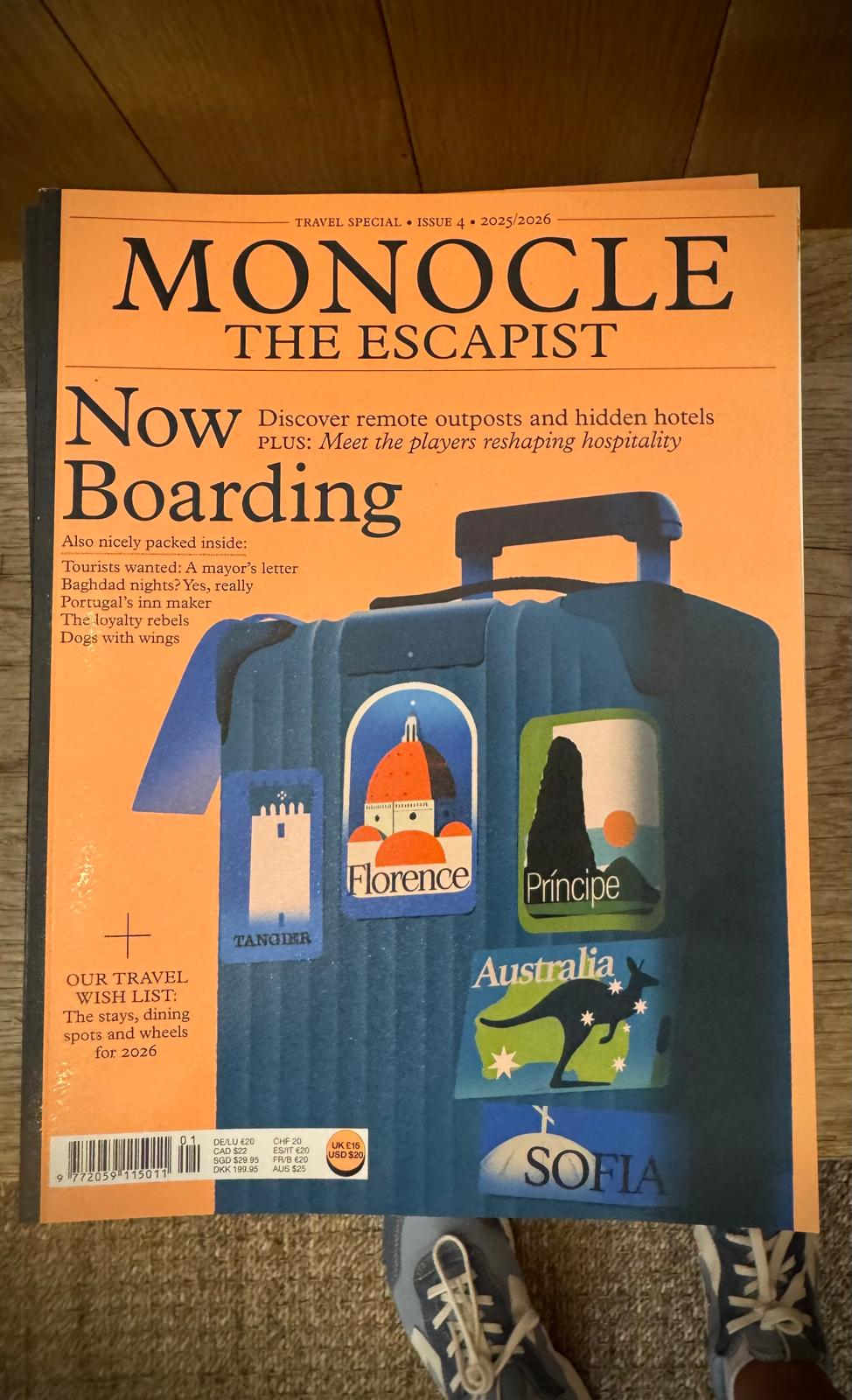
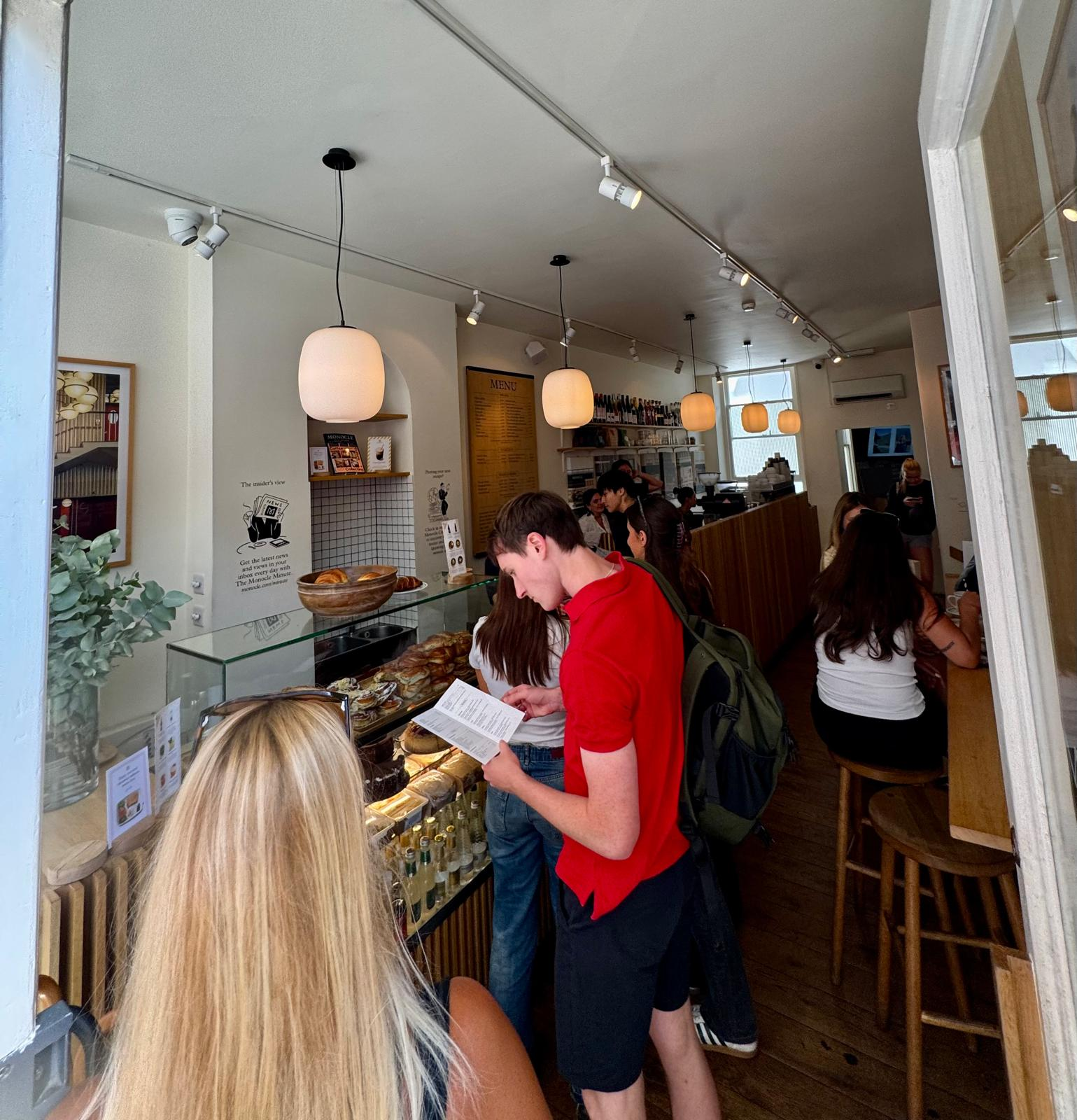
3) Shreeji Newsagents & Monocle — Shreeji at No. 6 is the magazine lover's dream: a newsagent run by Sandeep Garg since 1982, redesigned in 2020 by Gabriel Chipperfield with a café and reading room, stocking everything from the big titles to obscure independent print you won't find elsewhere. The Times has called it one of the coolest newsagents in the city — and the redesign story began, fittingly, when Garg's neighbour André Balazs suggested the shop host events. Virgil Abloh once held a signing there. And then there's Monocle — both a coffee shop and a merch shop on the street, and somewhere nearby, an actual office. Coffee, magazines, repeat.
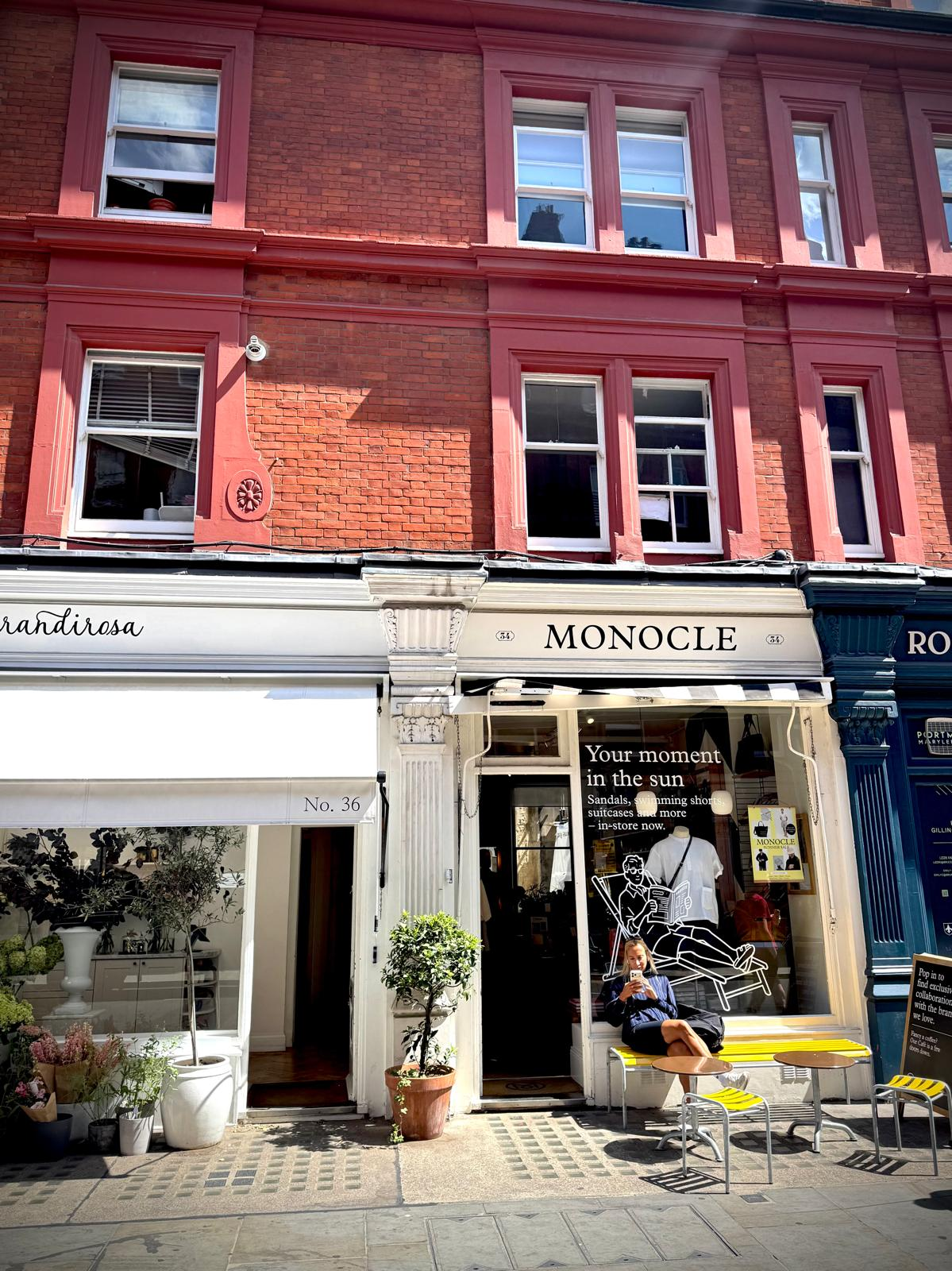
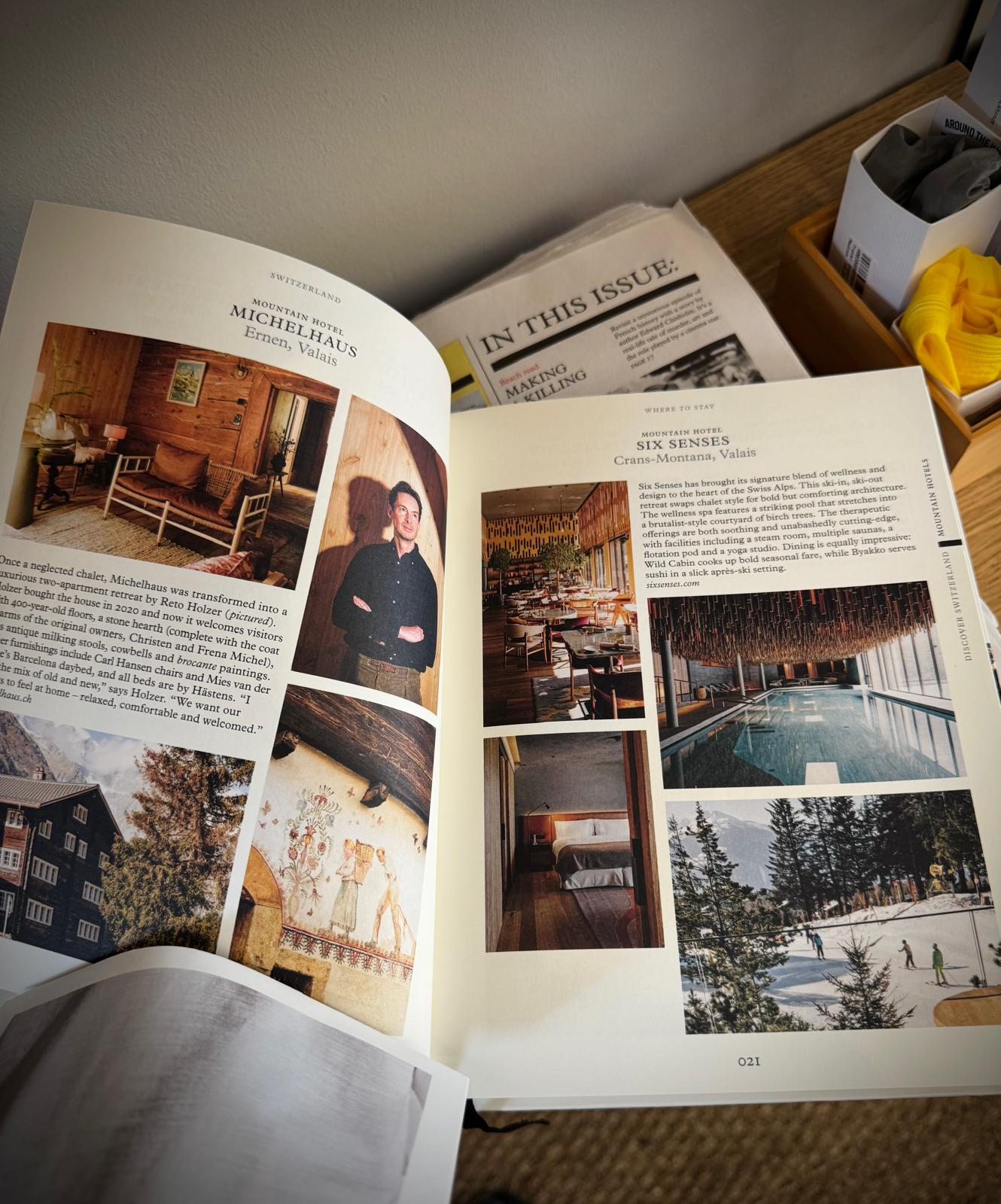
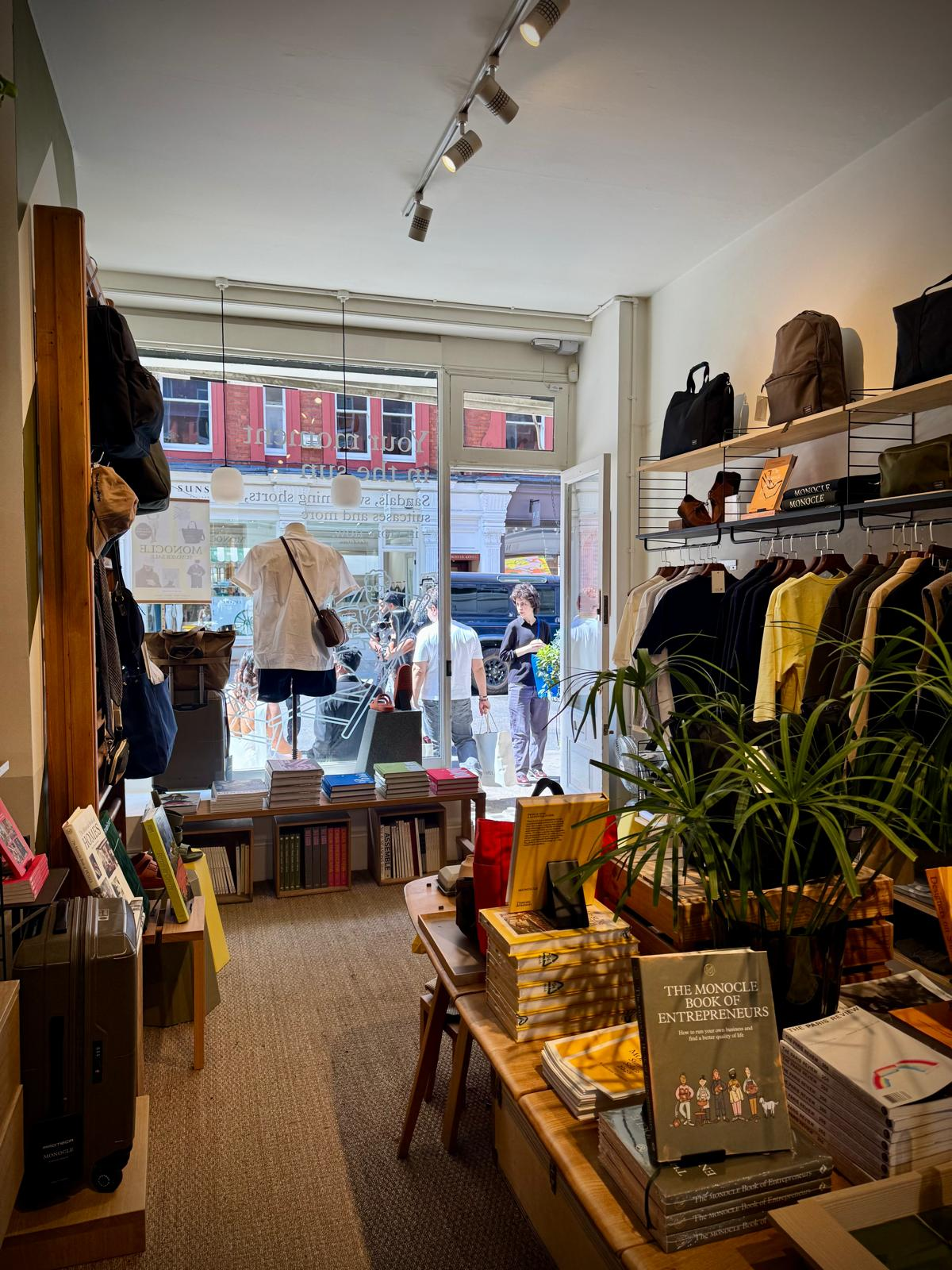
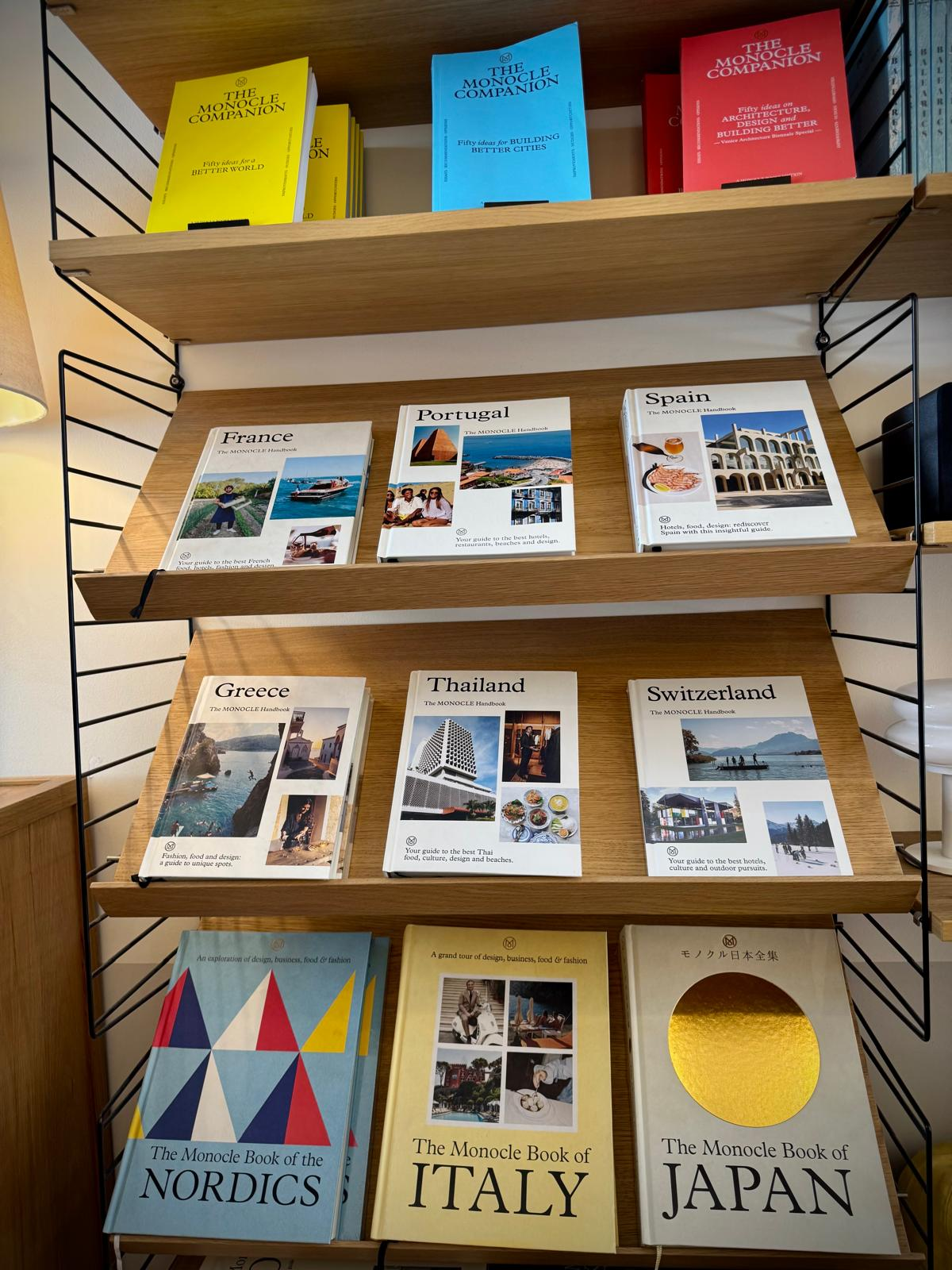
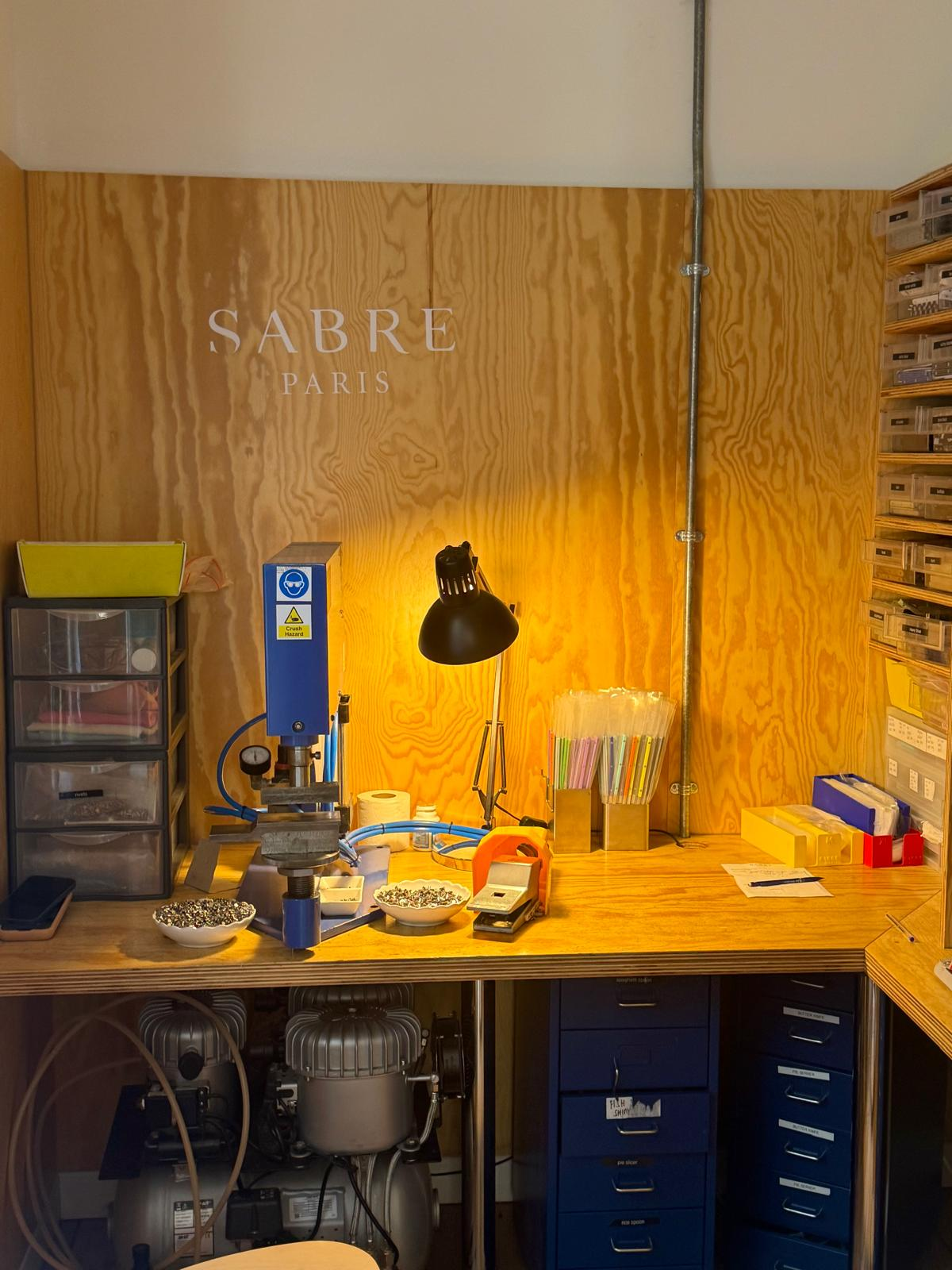
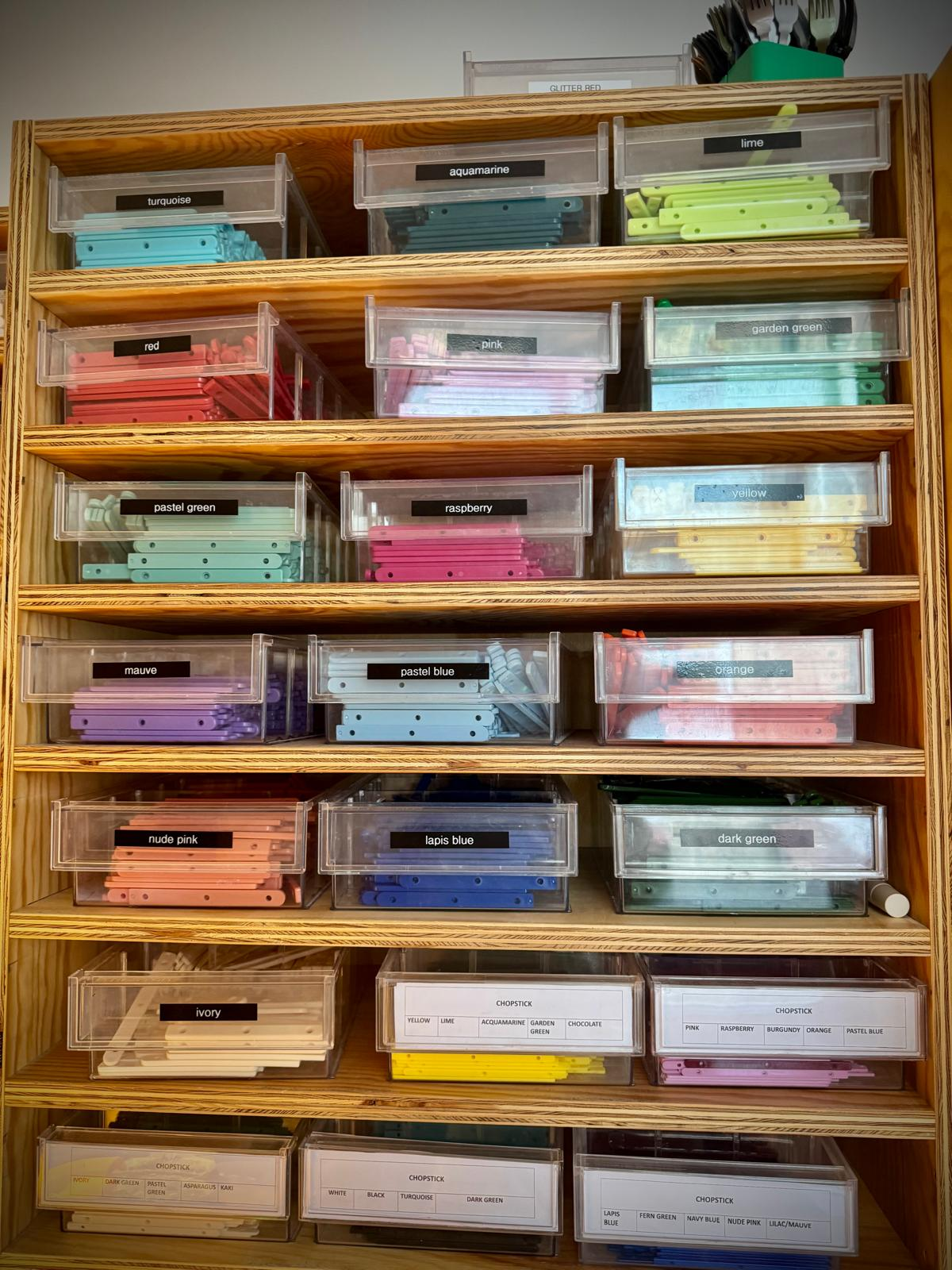
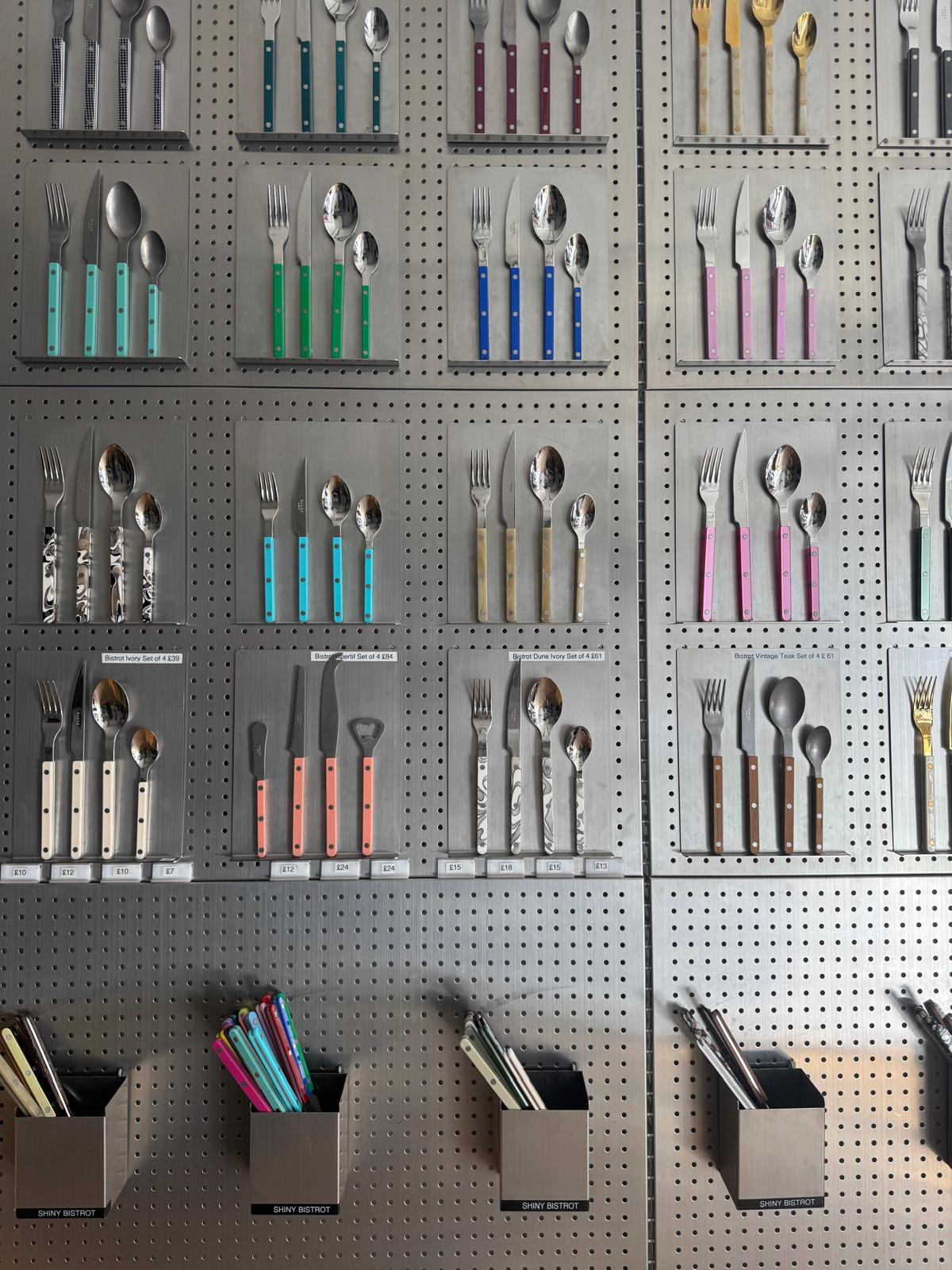
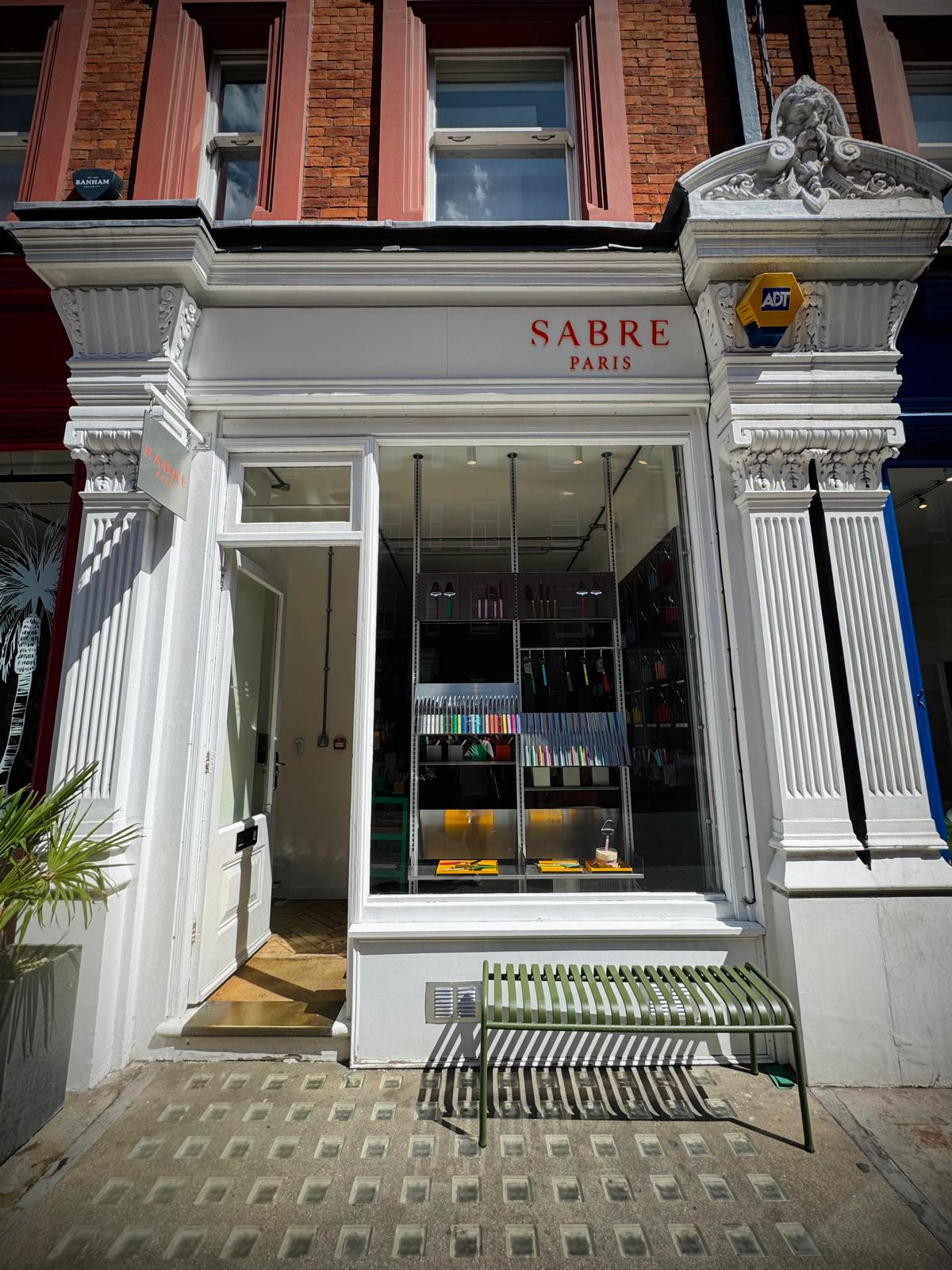
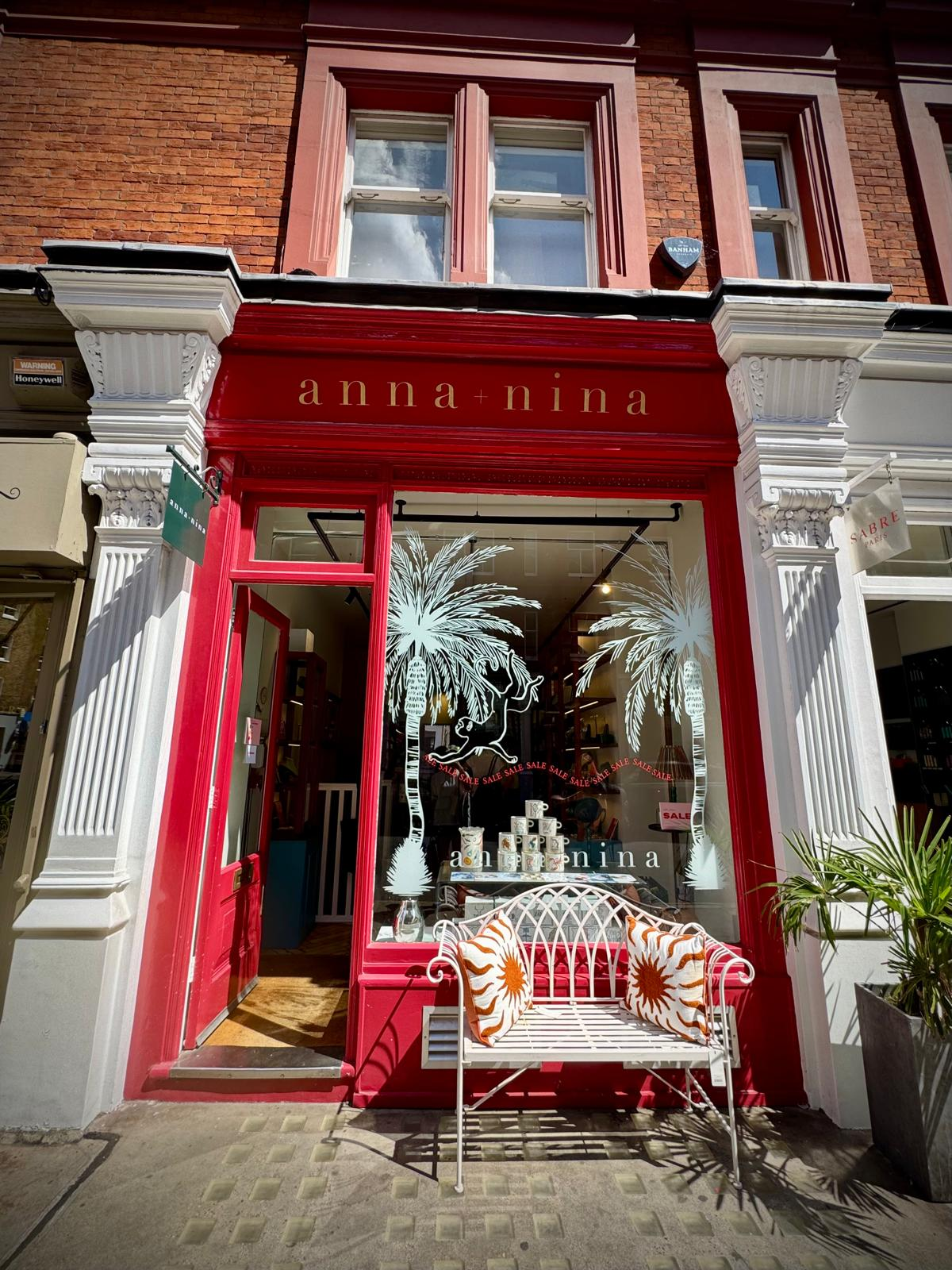
4) Sabre Paris — Where you go to upgrade your cutlery collection. The playful French tableware house was founded in Paris in 1993 by Francis Gelb — who came from a family of goldsmiths but rejected stuffy silver service in favor of color and joy — and this shop is its first boutique outside France. Everything is mix-and-match, so you can build your own set, one rainbow-handled fork at a time.


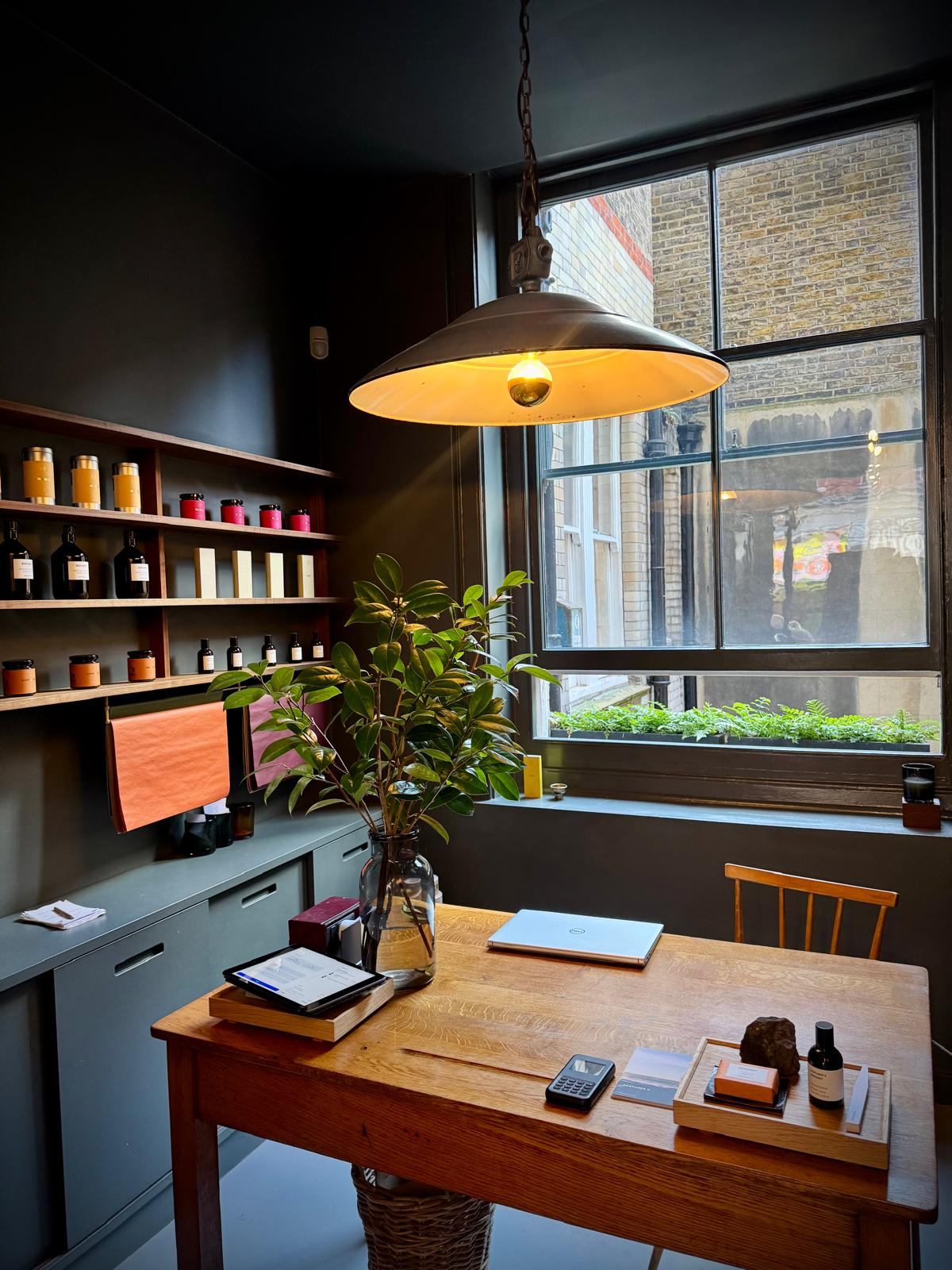
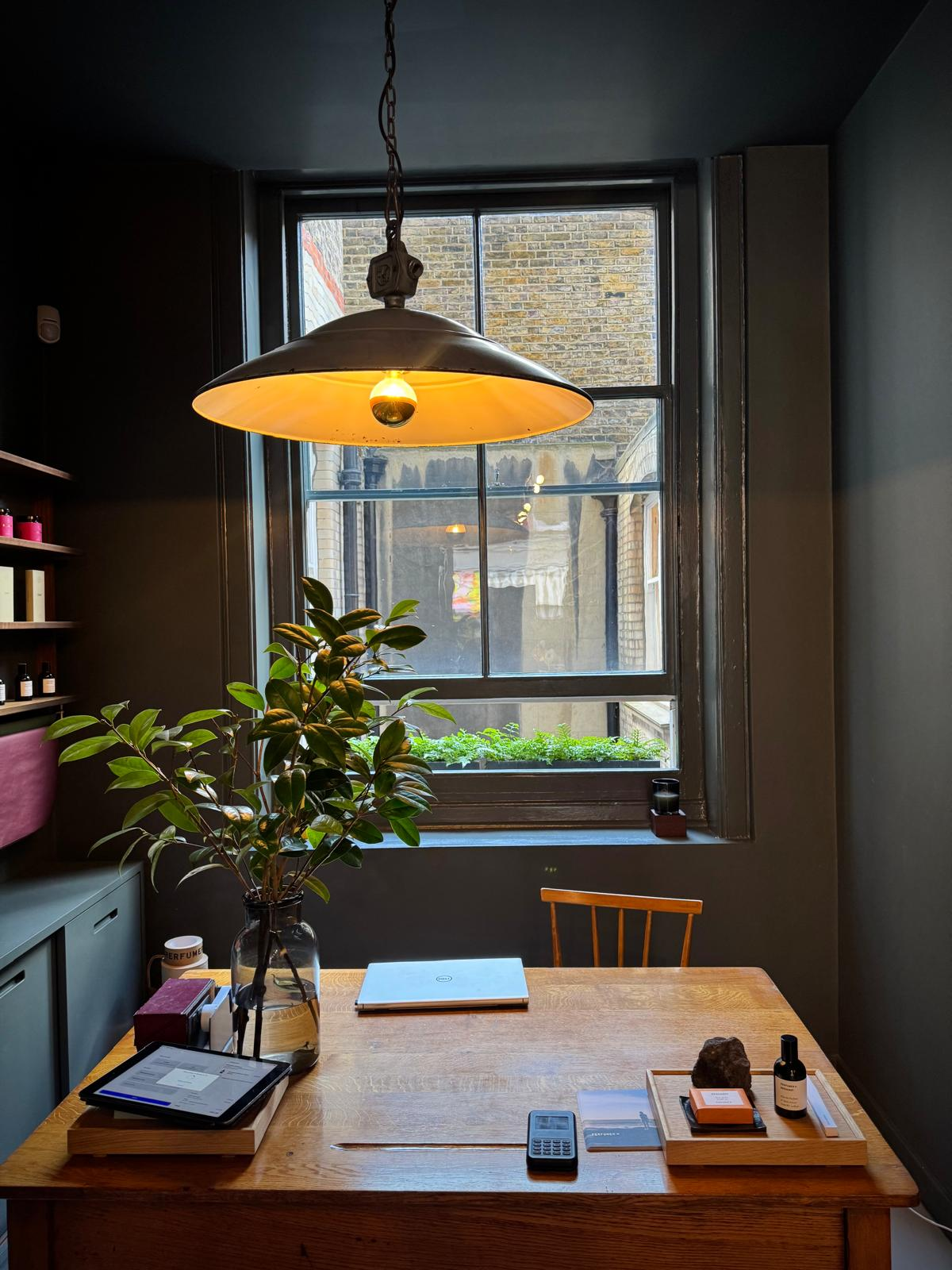
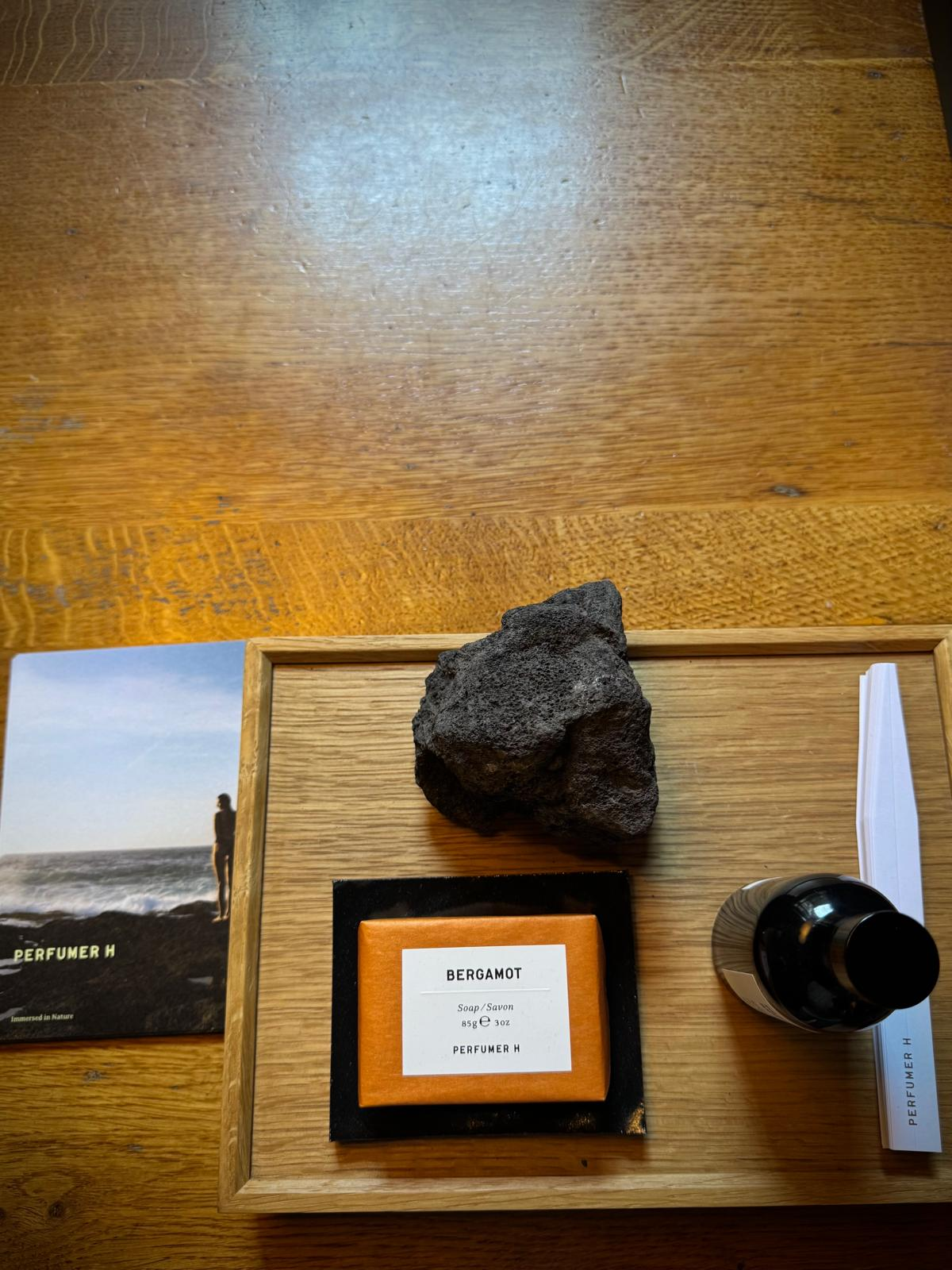
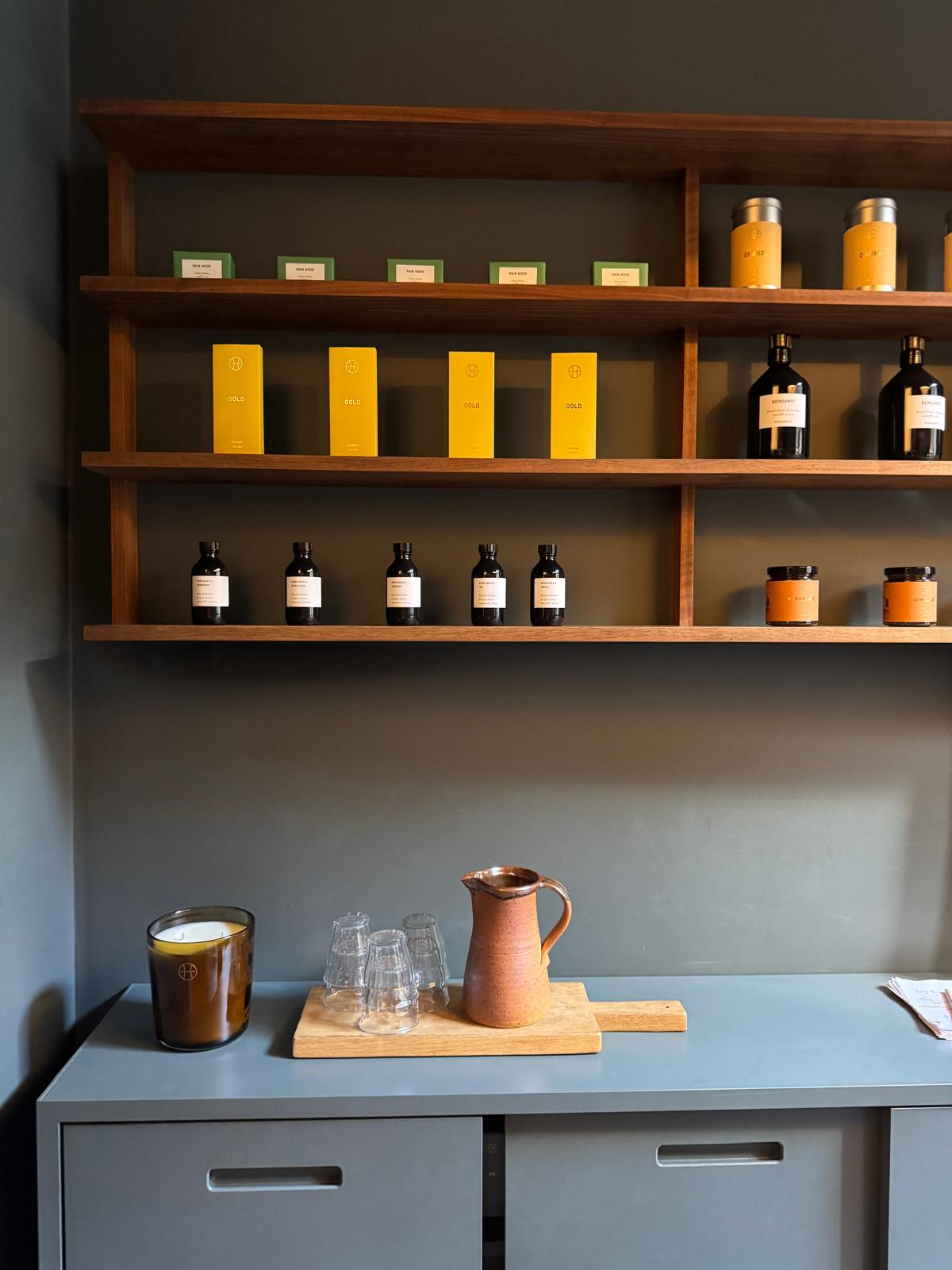
5) Perfumer H (@lynharristheperfumer) — The scent shop at No. 19. As a person who is VERY sensitive to smells, I appreciate good ones — unassuming yet organic, natural and comfortable. THE ZEN VIBE of this place is off the chart! Perfumer H is the brand of Lyn Harris, one of Britain's great perfumers and the original founder of Miller Harris, who now creates small-batch fragrances in apothecary-style, hand-blown glass bottles. Quiet, considered, and dangerously easy to walk out of with something you didn't plan to buy. Her creative-process story is worth your time.
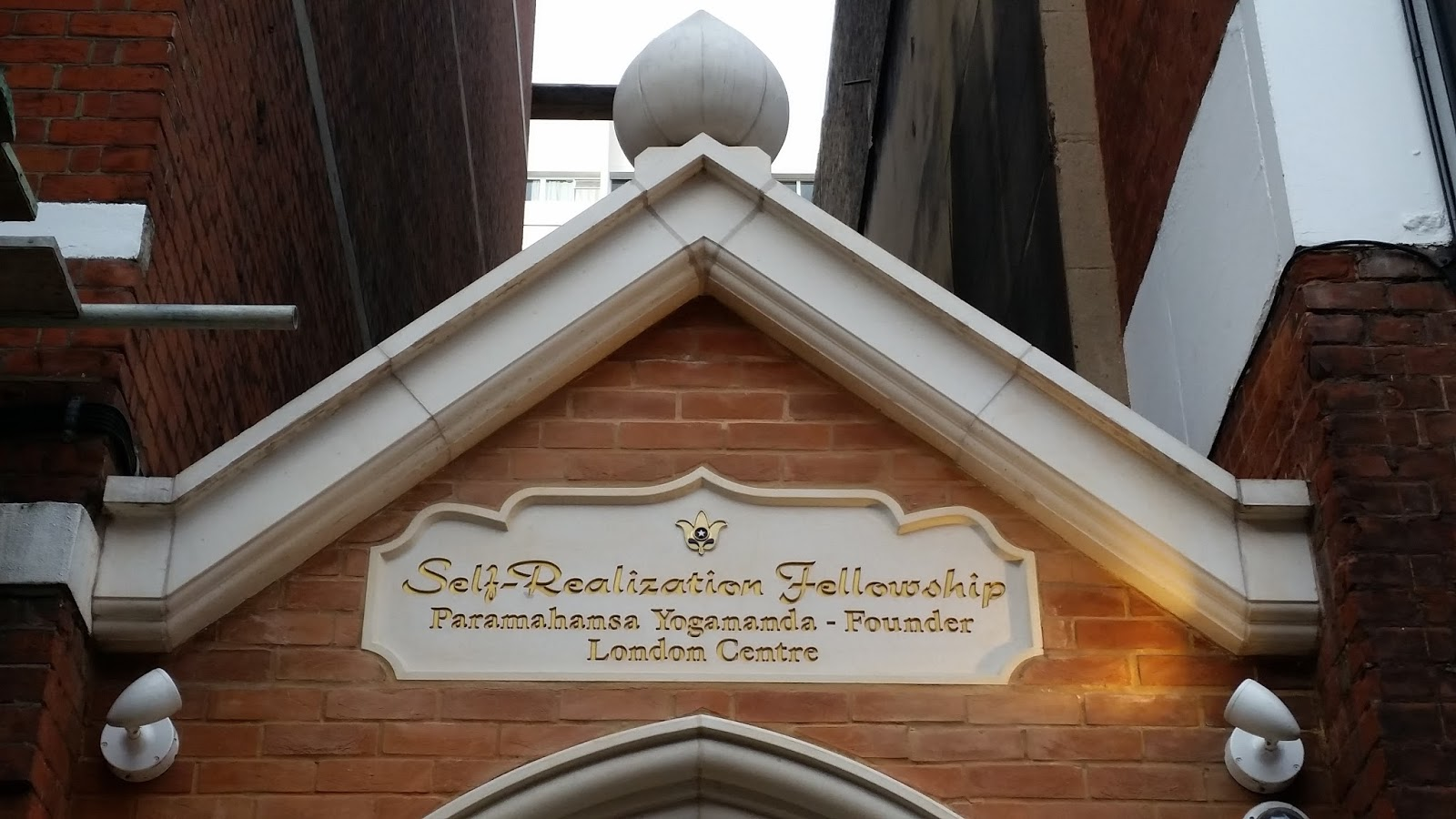
6) If You're Into Spirituality (like me) 82A, close to the Firehouse, is the London Centre of Self-Realization Fellowship — carrying on the teachings of Paramahansa Yogananda (yes, the Autobiography of a Yogi Yogananda), housed in a former Welsh chapel. A place of worship for over a century, simply changing its language of prayer. It's a genuine sanctuary of calm in the middle of the city, and the fact that a shopping street keeps a meditation hall at its heart tells you everything about Chiltern Street's character.
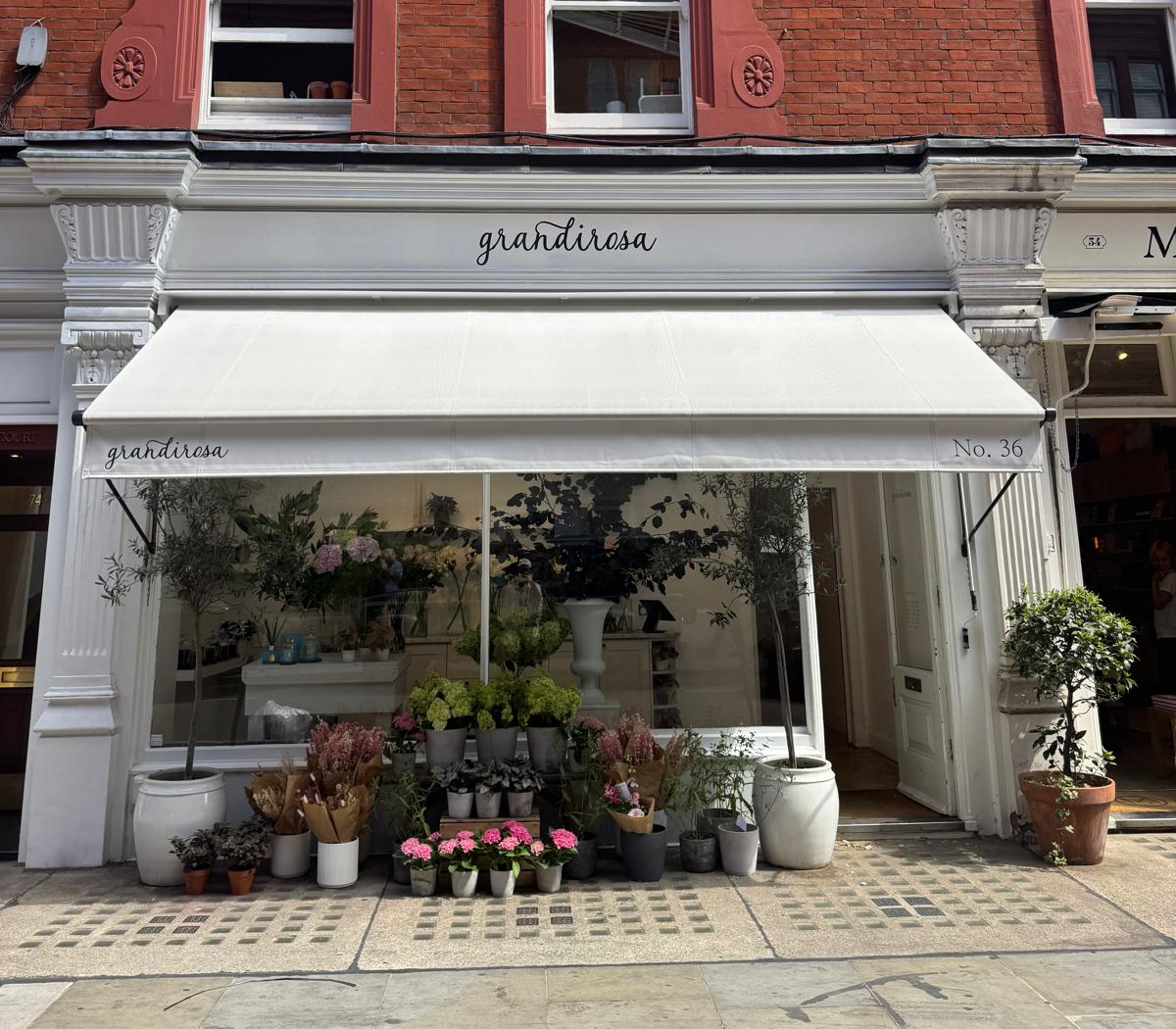
7) Grandirosa (@grandirosa) — The floral design atelier at No. 36. Launched in 2014 by Lil, Mary and Stuart from a small studio in Hackney, Grandirosa grew organically into one of London's leading floral brands before opening this, its first atelier, on Chiltern Street. Abundant, garden-inspired arrangements and romantic hand-peeled roses — the kind of bouquet you buy "just because" and then can't stop looking at.
IV. Fuel Stops
The street's café scene has gotten properly hip. ARRO Coffee at No. 67 does authentic Italian-style espresso and a pistachio croissant people cross town for, with a few outside seats perfect for that Paris-style people-watching. And on the corner of Chiltern and Dorset Street, Avobar (@AvobarLondon) — the bright, two-floor spot with the yellow bar at No. 60 — serves balanced brunch plates, loaded toasts, functional smoothies (sea moss and marine collagen, if you're feeling it), and specialty coffee.
V. For the History Geeks: Blue Plaques
If you're the type who stops mid-walk to read plaques (welcome to the club! respect), this corner of Marylebone delivers. On Chiltern Street itself, at St Andrew's Mansions on the Dorset Street corner, a blue plaque marks where Sir Henry Segrave lived in flat No. 6 from 1917 to 1920 — the daredevil who became the first person to hold the world land and water speed records at the same time, before the water claimed him on Windermere in 1930. Around the corner on Dorset Street, a plaque marks where Charles Babbage — the father of the computer — lived and worked for decades. Nearby Dorset House carries a plaque for filmmakers Powell and Pressburger (The Red Shoes), and up at Chiltern Court — the grand block the Metropolitan Railway built above Baker Street station, first planned as a hotel in 1912 and delayed by the First World War — H.G. Wells and novelist Arnold Bennett both lived in the 1930s. When Bennett lay dying there in 1931, the council laid straw along Marylebone Road to soften the sound of traffic for him — reportedly the last time London ever extended that old courtesy. Speed records, computers, cinema, and science fiction — all within a five-minute wander.
VI. Where to Stay: Holmes Hotel
If you want to sleep on the street itself, Holmes Hotel London at No. 83 is the move — a boutique hotel spread across four restored Georgian buildings that once housed Bedford College, England's first higher-education college for women, founded in 1849. The hotel is playfully inspired by Baker Street's most famous fictional resident: 118 rooms, duplex loft suites, a library, and all-day dining at Kitchen at Holmes. Heritage on the outside, wit on the inside — and a nod to pioneering women underneath both.
VII. In Closing...
Practically, the area is easy to reach via Baker Street or Bond Street tube stations, and it makes a lovely half-day wander: coffee on Chiltern Street, browsing Daunt Books, lunch on the High Street, then the Wallace Collection (my post) or Regent's Park.
But sometimes discovery isn't about going somewhere new — it's about coming back to familiar places and actually seeing what was there all along.
If you have time...
If you have time: TheBoldWay podcast by Adrien Garcia (YouTube) — decoding the creative industries with the people who shape them. Good company for the walk.

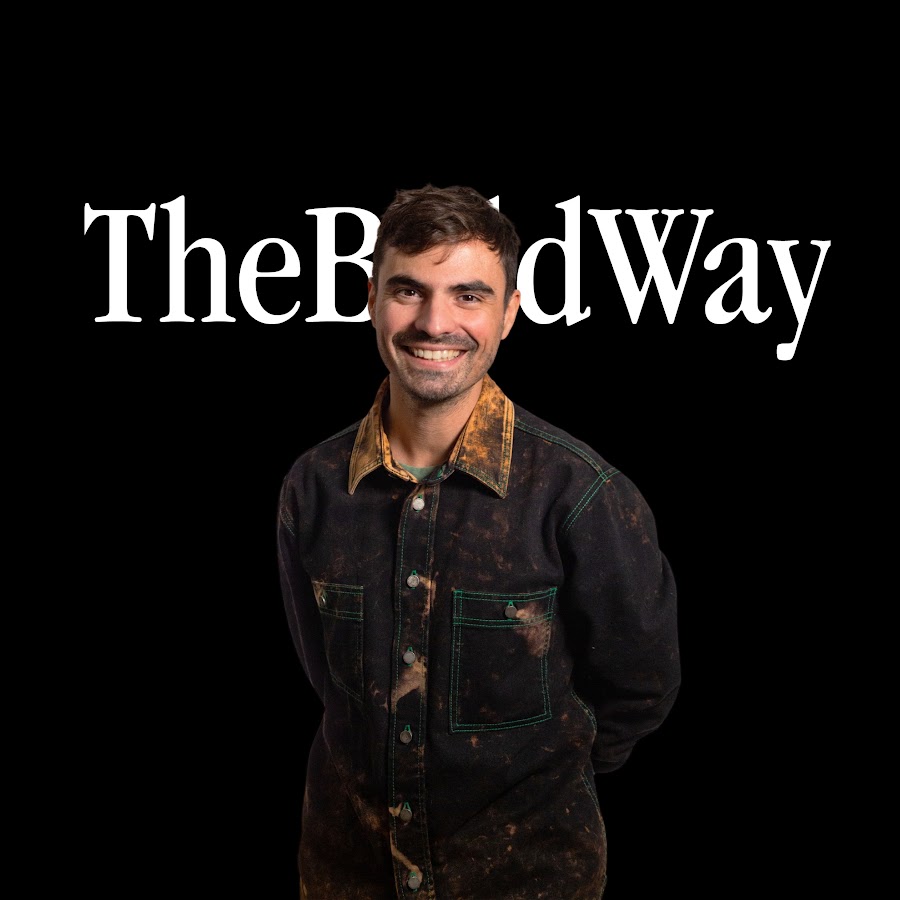
 #545 Elie Top | Créateur de bijoux
![Life] What is your comfort food?](https://images.unsplash.com/photo-1605926637412-b0cd5a3e3543?crop=entropy&cs=tinysrgb&fit=max&fm=jpg&ixid=M3wxMTc3M3wwfDF8c2VhcmNofDR8fGNvbWZvcnQlMjBmb29kfGVufDB8fHx8MTc4ODY1MTQ1NHww&ixlib=rb-4.1.0&q=80&w=720)
![Life | London Sanctuary] The Grove: Place of Restoration #Retreat](https://storage.ghost.io/c/2a/9e/2a9e2b04-30f6-4166-8010-a3730d2eb719/content/images/size/w720/2026/08/WhatsApp-Image-2026-08-07-at-21.51.41.jpeg)
![Life] Local's Guide: London for Family with Little Ones and/or Grandparents](https://storage.ghost.io/c/2a/9e/2a9e2b04-30f6-4166-8010-a3730d2eb719/content/images/size/w720/2026/09/Gemini_Generated_Image_dkfatmdkfatmdkfa.jpg)
Comments ()