Life | London Sanctuary] The Grove: Place of Restoration #Retreat
![Life | London Sanctuary] The Grove: Place of Restoration #Retreat](https://storage.ghost.io/c/2a/9e/2a9e2b04-30f6-4166-8010-a3730d2eb719/content/images/size/w1200/2026/08/WhatsApp-Image-2026-08-07-at-21.51.41.jpeg)
EJ's note
Über allen Gipfeln
Ist Ruh,
In allen Wipfeln
Spürest du
Kaum einen Hauch;
Die Vögelein schweigen im Walde.
Warte nur, balde
Ruhest du auch.
Over all of the hills
Peace comes anew,
The woodland stills
All through;
The birds make no sound on the bough.
Wait a while,
Soon now
Peace comes to you.
— Johann Wolfgang von Goethe, Wandrers Nachtlied (Wanderer's Night Song) II (1780)
I've been to 60+ countries. I am not trying to brag here. I am blessed to be able to say this, but most of my focus thus far has been about discovering and exploring — and ultimately, finding the Truth.
And there comes a season of life where you seek nothing but serenity.
Undisrupted peace. A clean space for reflection.
It started with my family…and later business trips…and later, as I gained more independence, pilgrimages. Pilgrimage is a discipline of subtraction. You strip away comfort on purpose — you walk hungry, sleep simply, let the road decide — because emptiness is the point.
And yet, as I began to allow occasional comfort trips back into my life after the pandemic — and after two decades of pilgrimage — I can now see clearly that patterns had been emerging.
Things I like. Things I don't like. My preferences.
As I make room for restoration and relaxation lately, it is interesting how the world that I am experiencing now is unfolding differently. There is still a simple utilitarianism running at my core — New England Protestant values or my ancestors' Korean values (Simple yet not shabby, splendid yet not extravagant) that won't let me splurge or indulge too much with material things — but I am returning to myself without resistance. My old self, more and more these days — but renewed, not a repeat. REFORMED. Never ever I expected to say I admire golf courses in my life!
And then, I came across the Grove. It reminded me of childhood…and I wanted to share this new discovery with folks here.
I discovered the place accidentally, when my friend from Hertfordshire invited me before she took off to Abu Dhabi with her family…and I was pleasantly surprised by the landscape — its tranquility, serenity, expansive horizons with unobstructed views, delicate yet durable and elegant. As I admire the view from a bench, the rich history of settlement echoes through the estate — one cannot help but revere it. The fact that it is called 'the Grove' — a sheltered gathering of trees, once held sacred — is so fitting.
Still, my New Yorker values — directness, efficiency, and non-fluffiness i.e. an allergy to anything that performs wealth without taste — are with me. Flash makes my eyes turn away; flamboyance and grandiose mansion or baroque-decorated castles without stories are another 'boring' stones' that make me reach for the exit. But the Grove is different. It is comfort with provenance: every elegant thing here has a story attached — a navigator's tree, an Earl's patience, a designer's twenty-year attention. That is why I adore this place so much — and I am finally learning to relax into English sophistication — when it is done well, not ornament, with time, simplicity cared for so long it becomes beautiful.
I took a walk, studying the golf course and the garden area near the fountains, and I read the books I brought with me for this summer — the Odyssey and the Pilgrimage. In hindsight, it was a timely selection. I felt deeply grateful — deep at my core. I already told my girl friends that we are coming here for girls' spa or staycation later. Or even better, this is the place where I would take my parents and future family for restoration and relaxation like my parents used to take me and my siblings to their favorite retreat places.
Where is your favorite retreat place in the Summer?
Enjoy!
I. Where I Would Take You
1) The Arrival, Along the Course: The estate introduces itself before you reach the door: the drive in runs alongside the golf course, and it is groovy — scenic in the proper sense. Long, unobstructed sightlines, sculpted ground, the eye allowed to travel to the horizon without interruption. Mind-opening. (The sustainability debate around golf is real; I will let it take a second seat, just for a moment.) Kyle Phillips, the American architect, sculpts landforms so convincingly natural that his courses look centuries old on opening day — here, the course reads as parkland first, sport second. And the philosophy matches: anyone can come and play. No membership, no committee, no waiting list — a championship course, walked by Tiger Woods, open to whoever books a tee time and arrives with good manners. A house this grand, with an open door.
2) The Fountains and the Sculpture Garden: My favourite corner. I spent my afternoon here reading against the backdrop of falling water — the Odyssey and the Pilgrimage. The fountain deserves to be called an art installation. Around it, sculptures are placed through the gardens (the designer Martin Hulbert has chosen the estate's art for over twenty years, and the grounds host a rotating sculpture exhibition), so a walk here keeps offering small encounters: you will find a piece, a view, a bench, the water always audible somewhere behind you. There is a continuity as you stroll around the estate. Some quirky element as well.
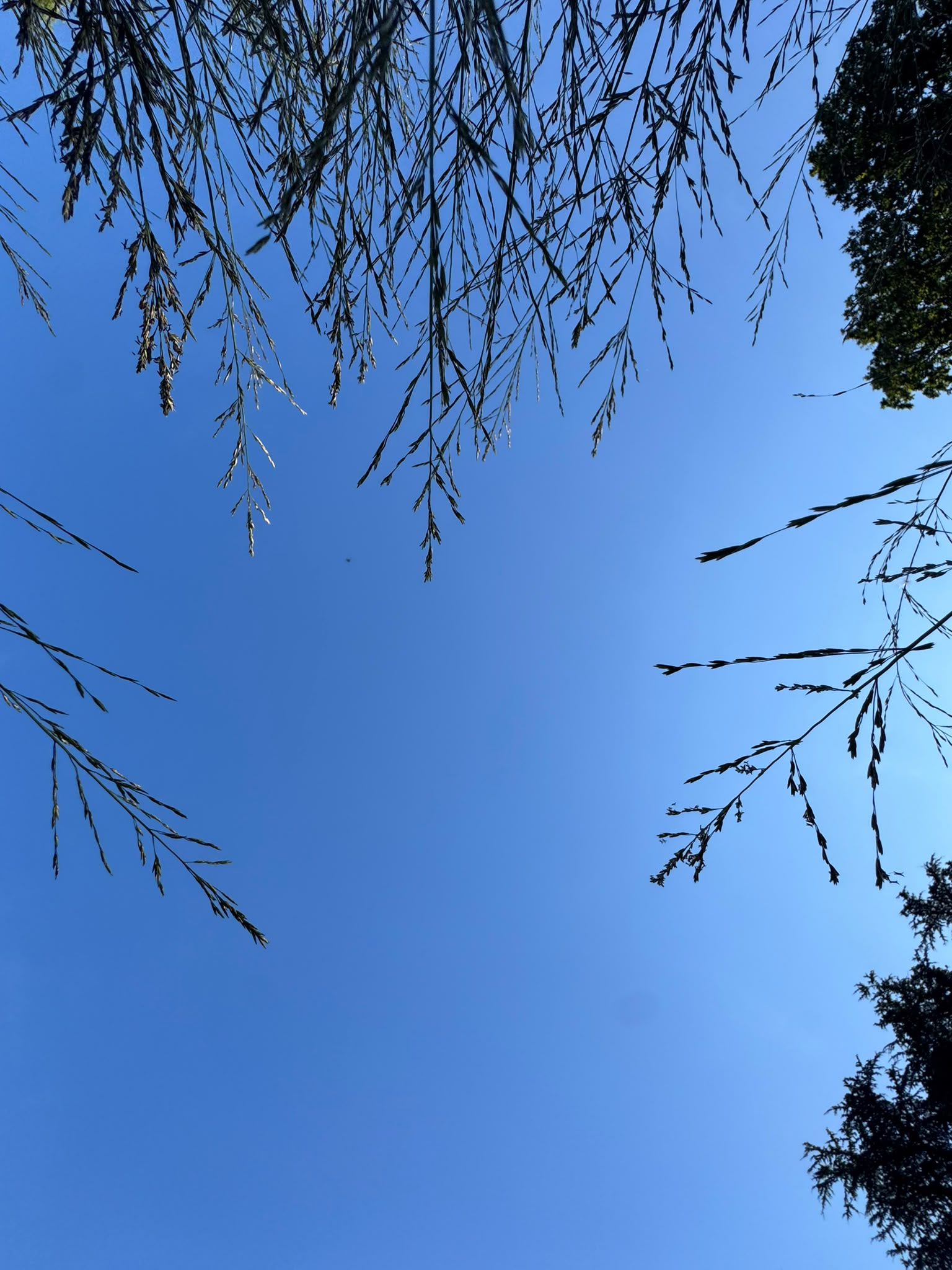
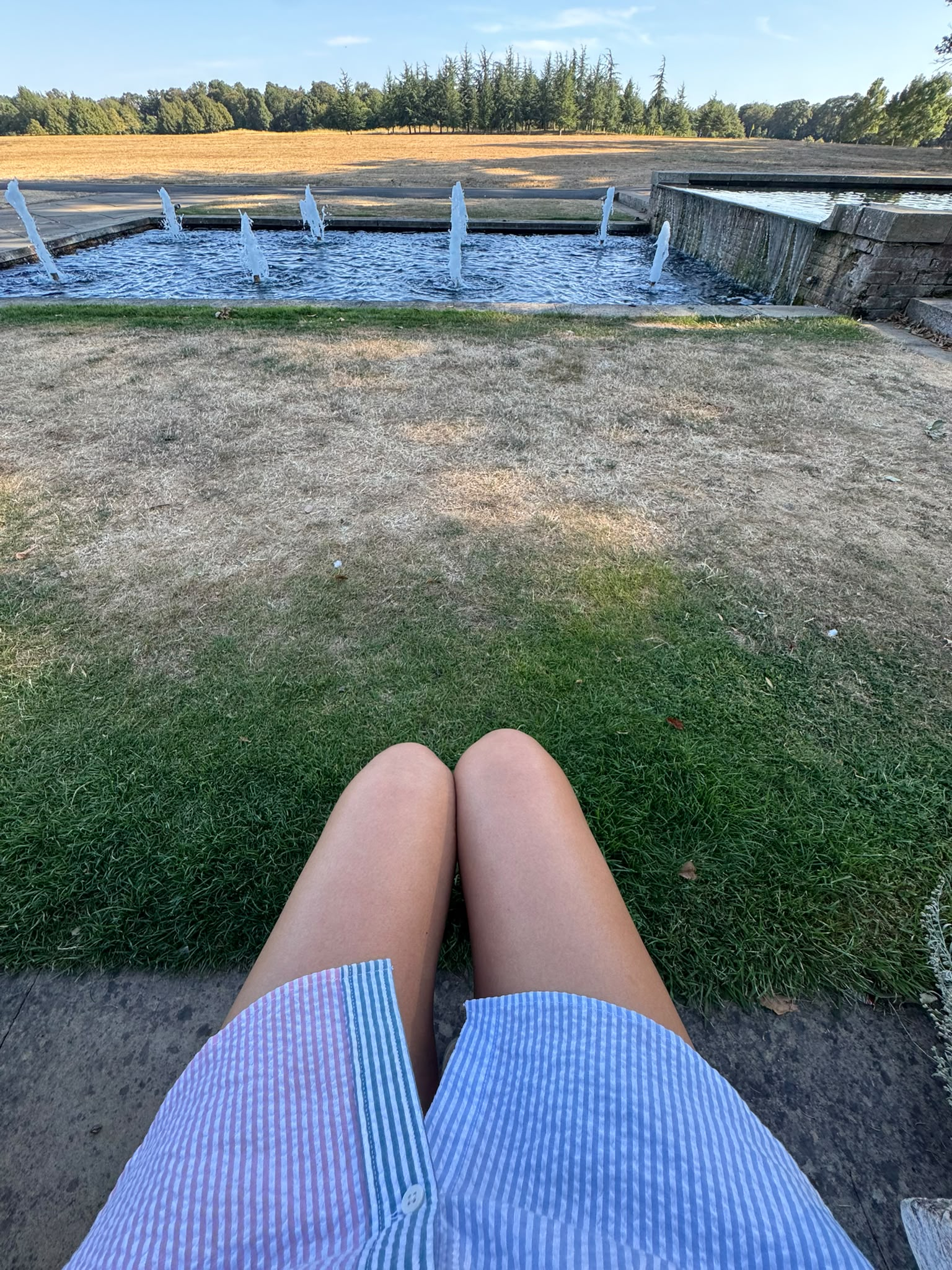
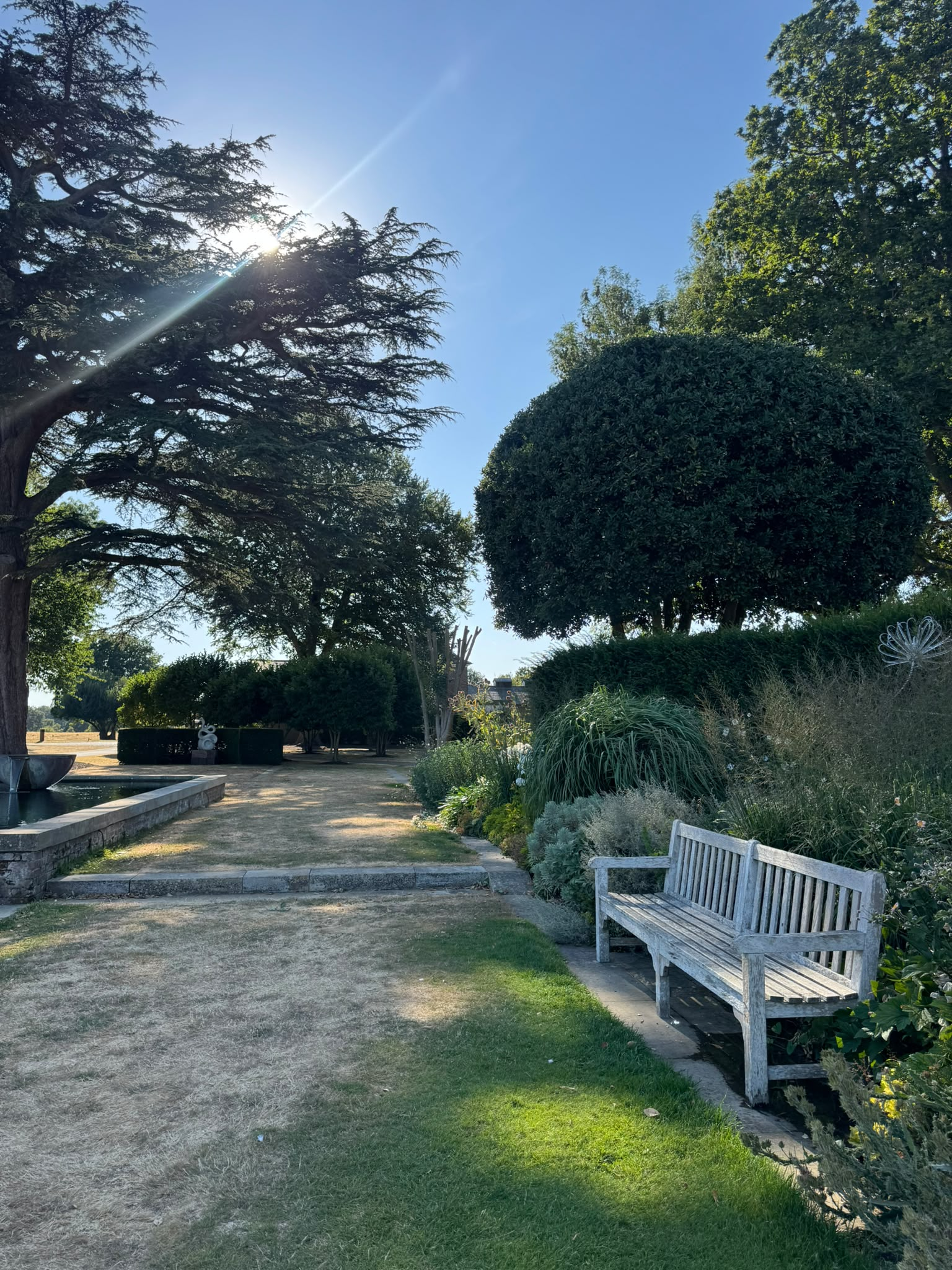
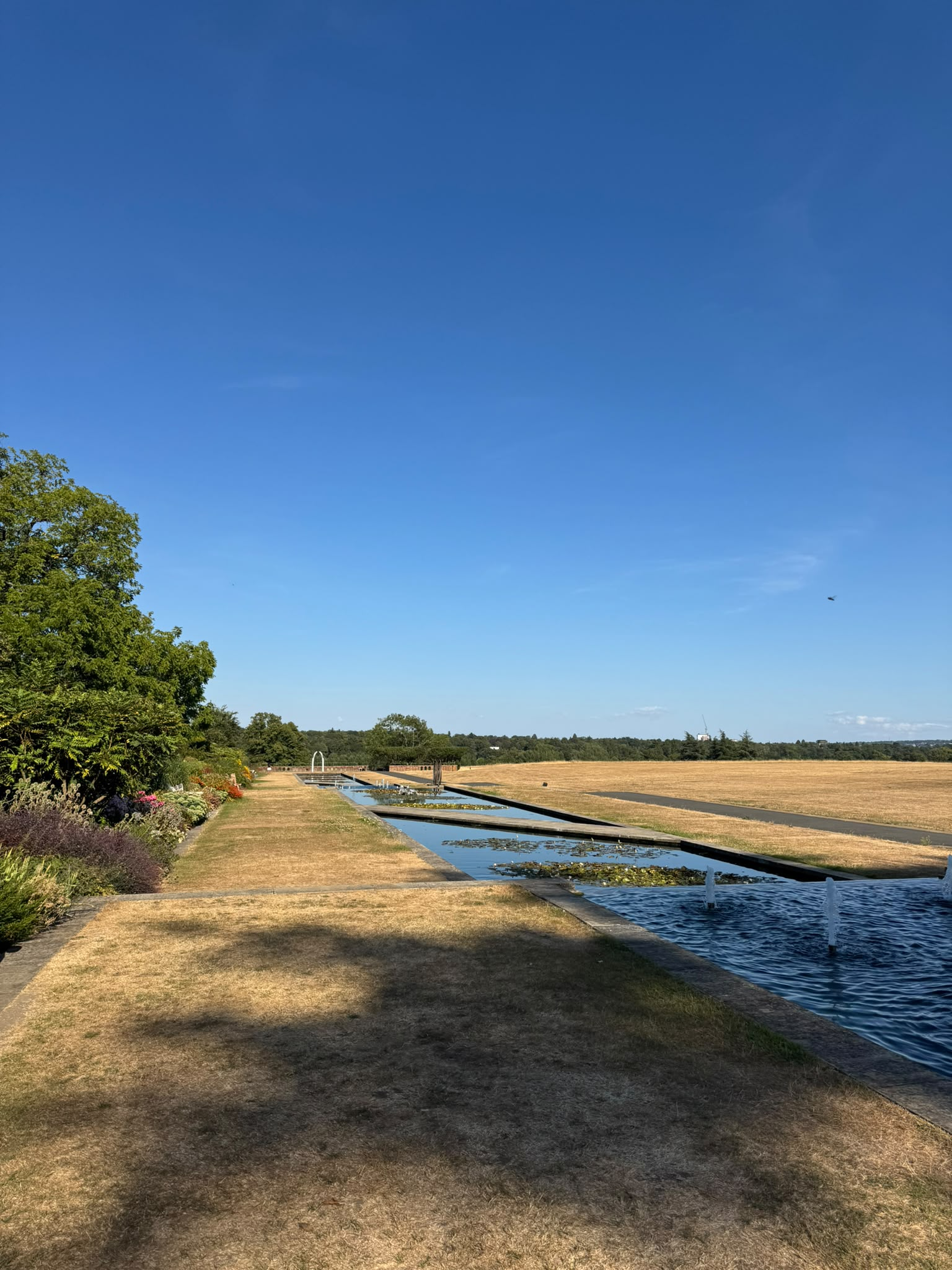
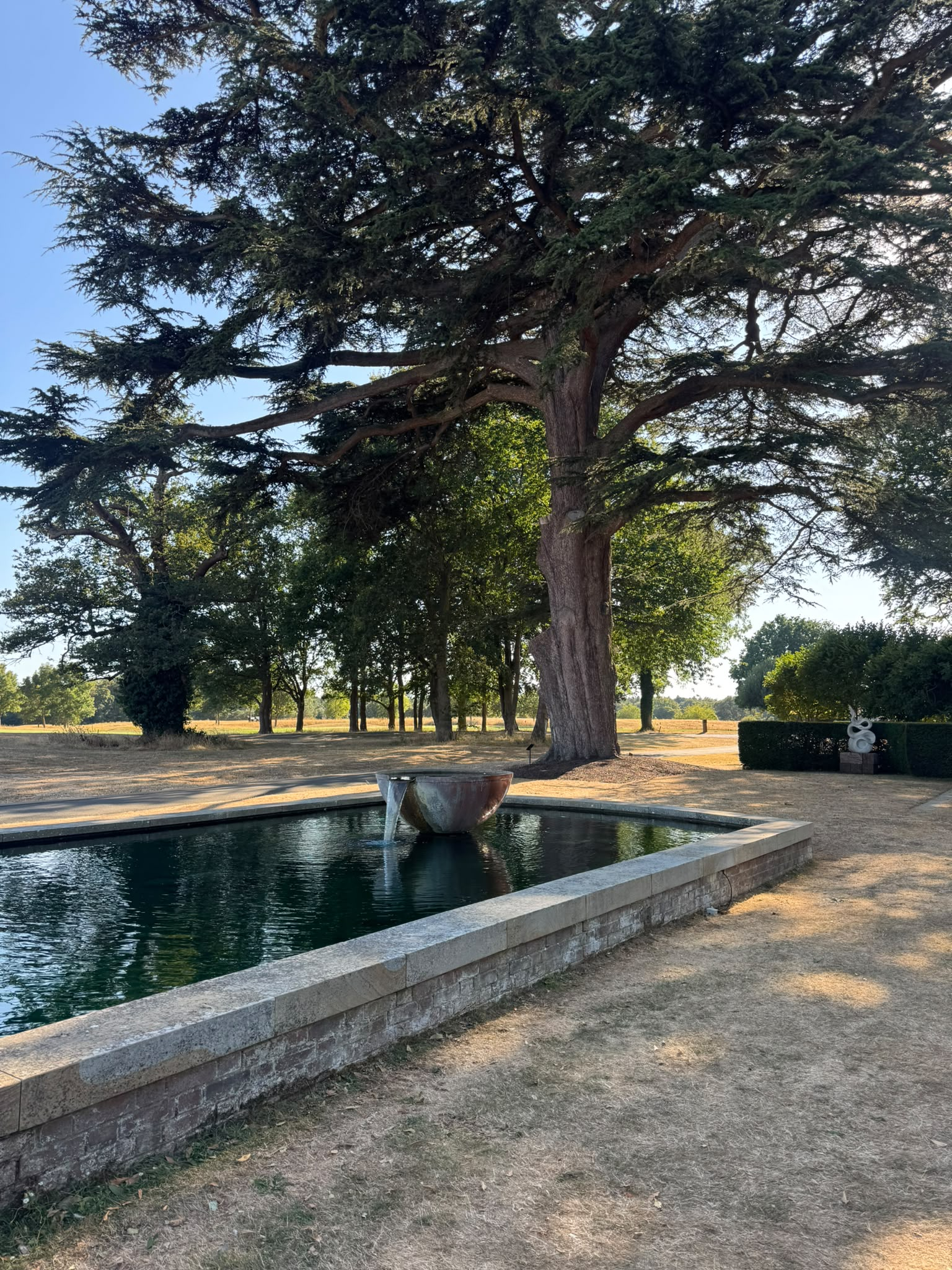
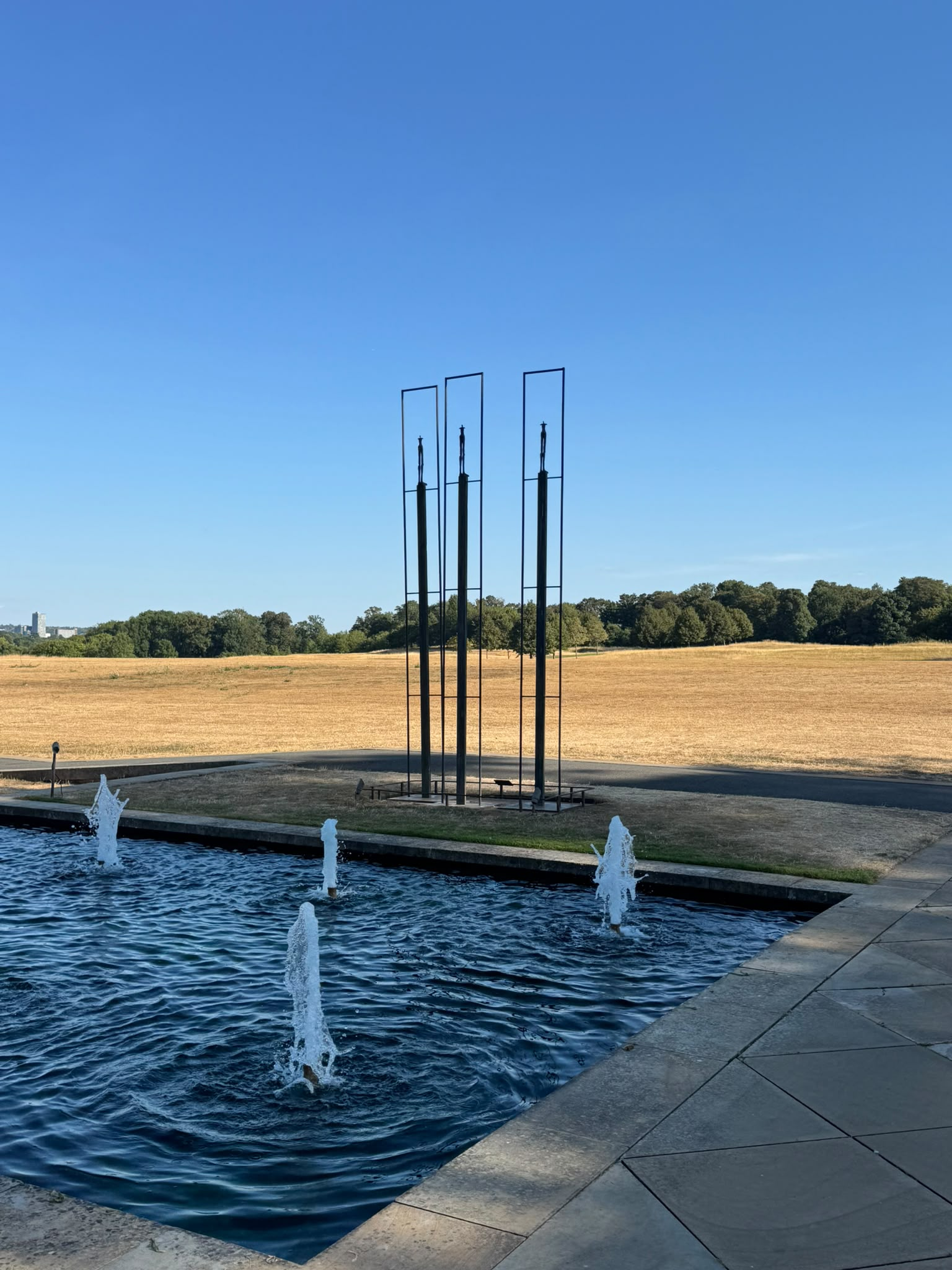
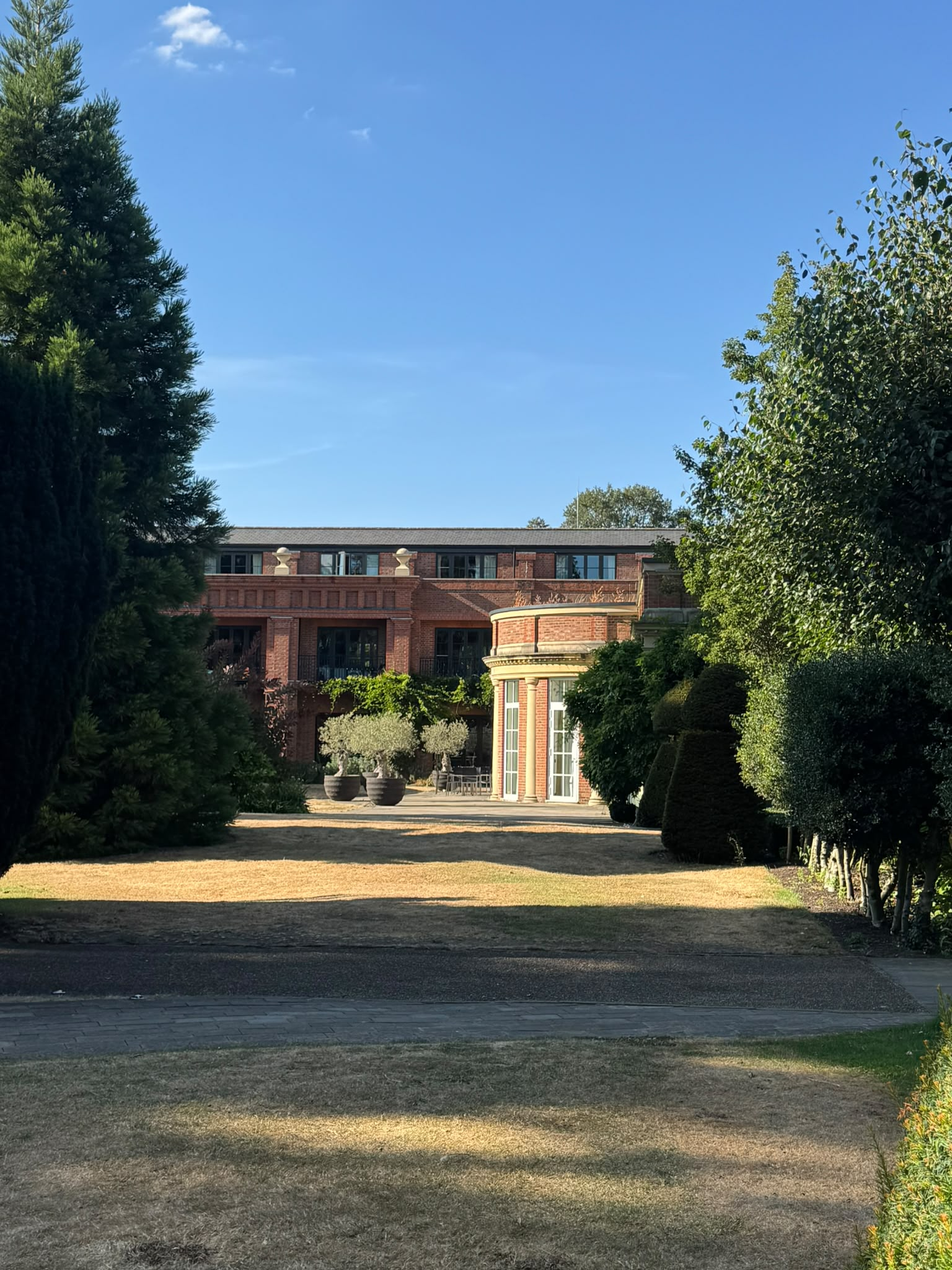
3) The Sequoia — and Why the Grove Stood Out: Here is the history part. The spa takes its name from the giant sequoia in the grounds — a Wellingtonia, the Californian species that reached Britain in 1853, planted by Victorian estates as living proclamations. At roughly 170, this one is an infant of a species that lives three thousand years. A rose bed is pleasant; a tree with a story — a navigator's walnut, a Victorian sequoia on Bronze Age ground — is something else entirely. This estate offers layers of serenity: settlement beneath settlement, four thousand years of people choosing this ground for rest. It is hard to explain — a subtle energy and you feel the accumulation.
4) The Black Walnut on the Terrace: Cook's sapling, now a tower of shade beside the lounges. Take your tea out to it.
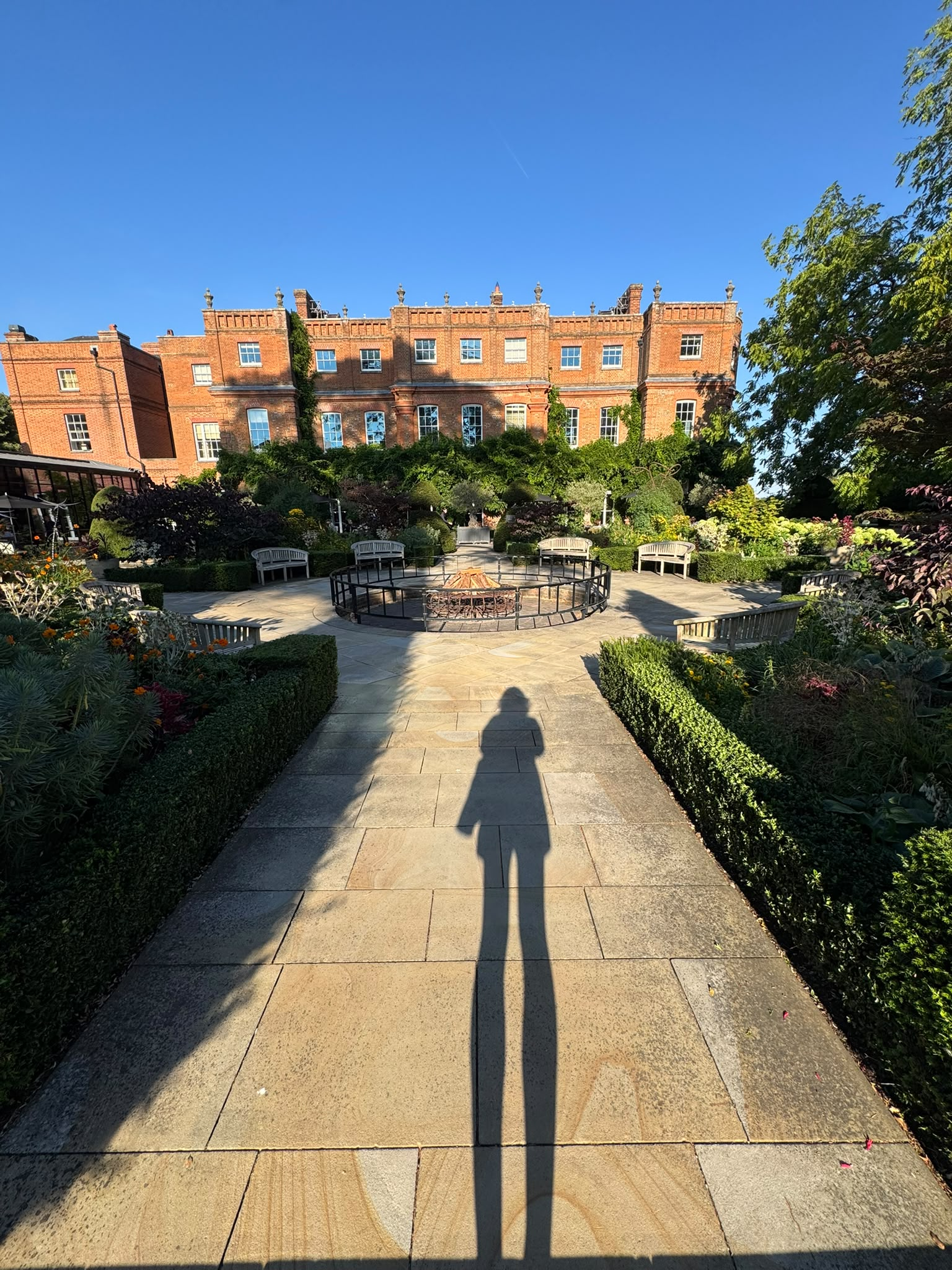
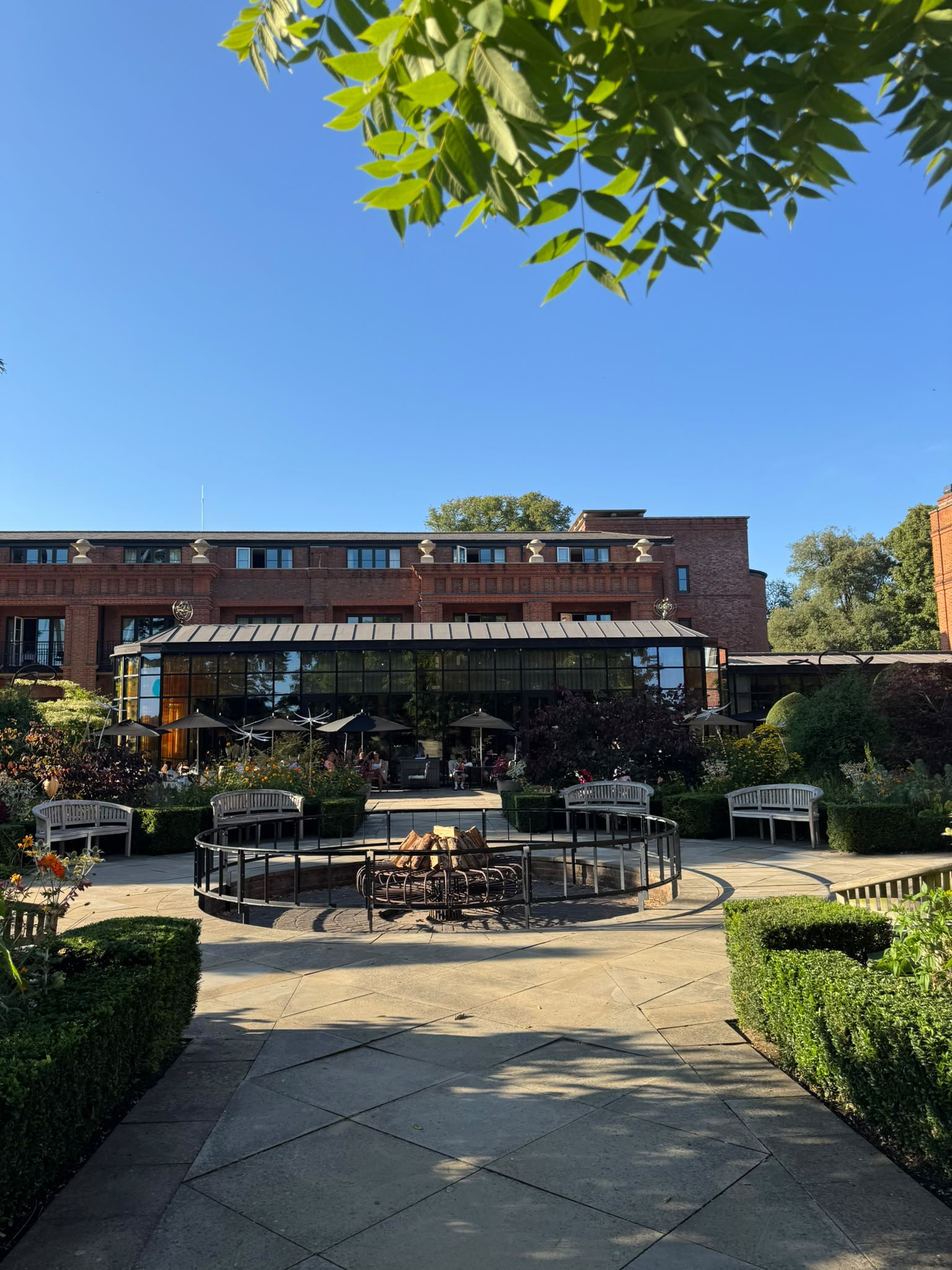
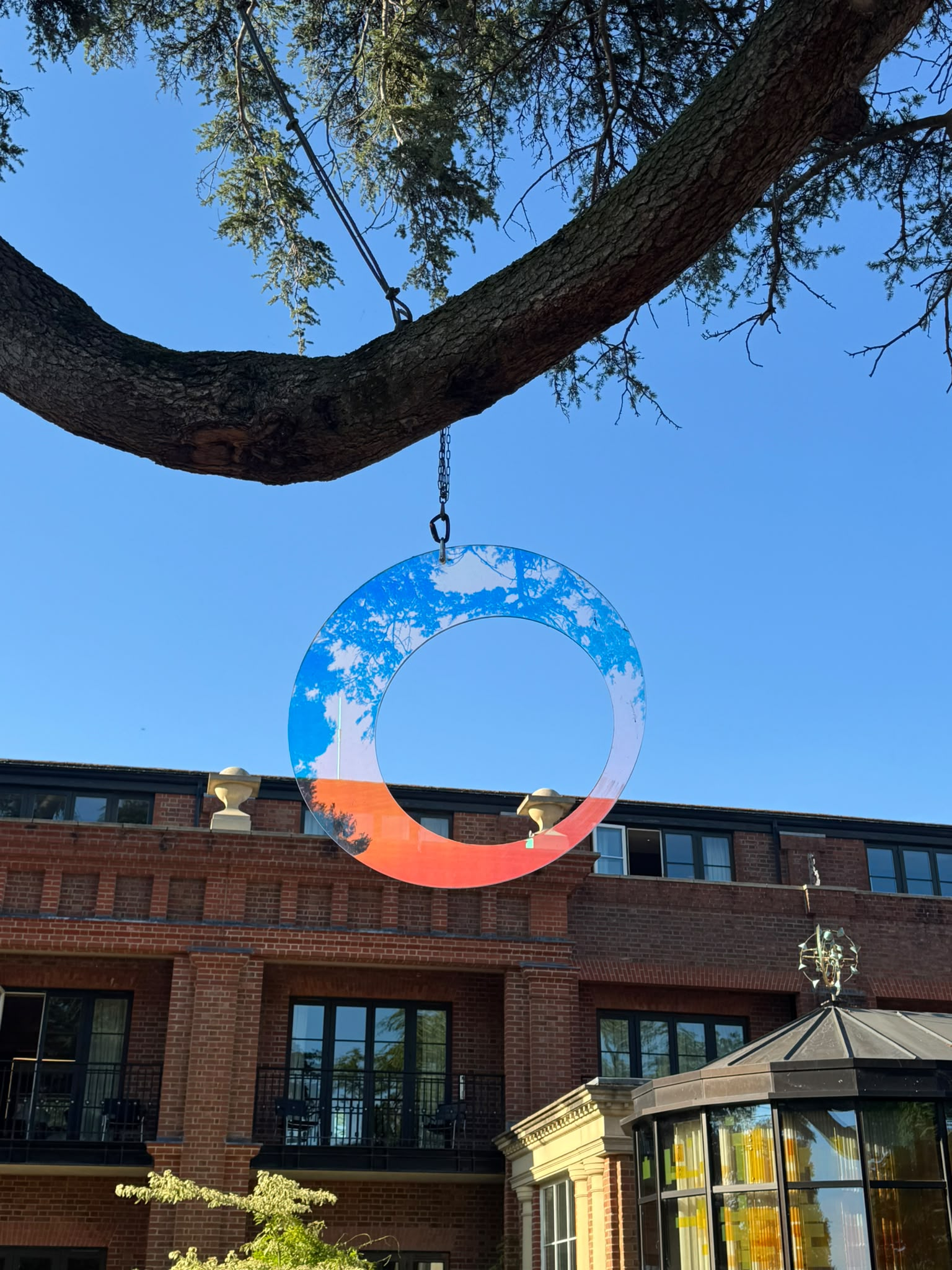
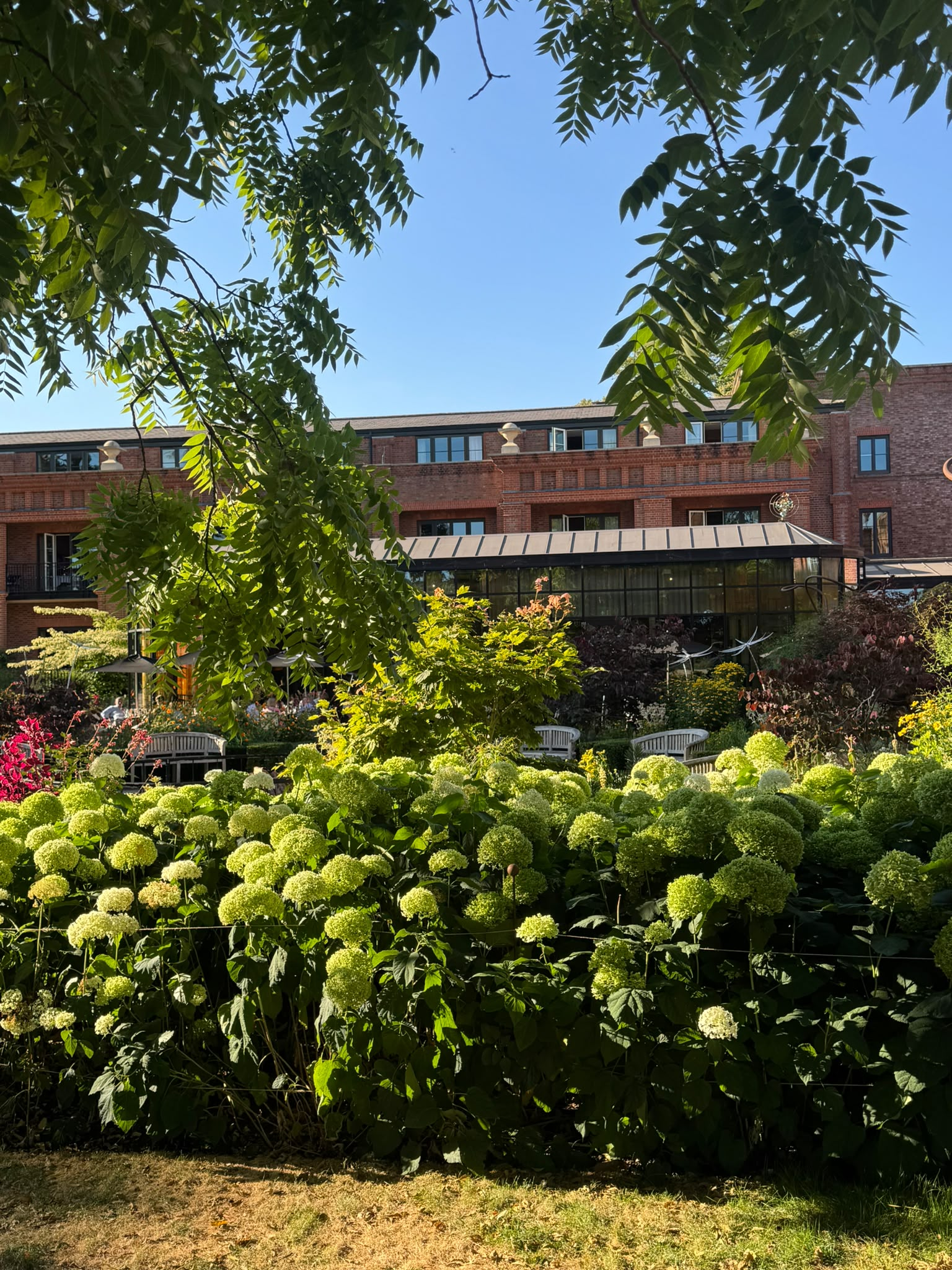
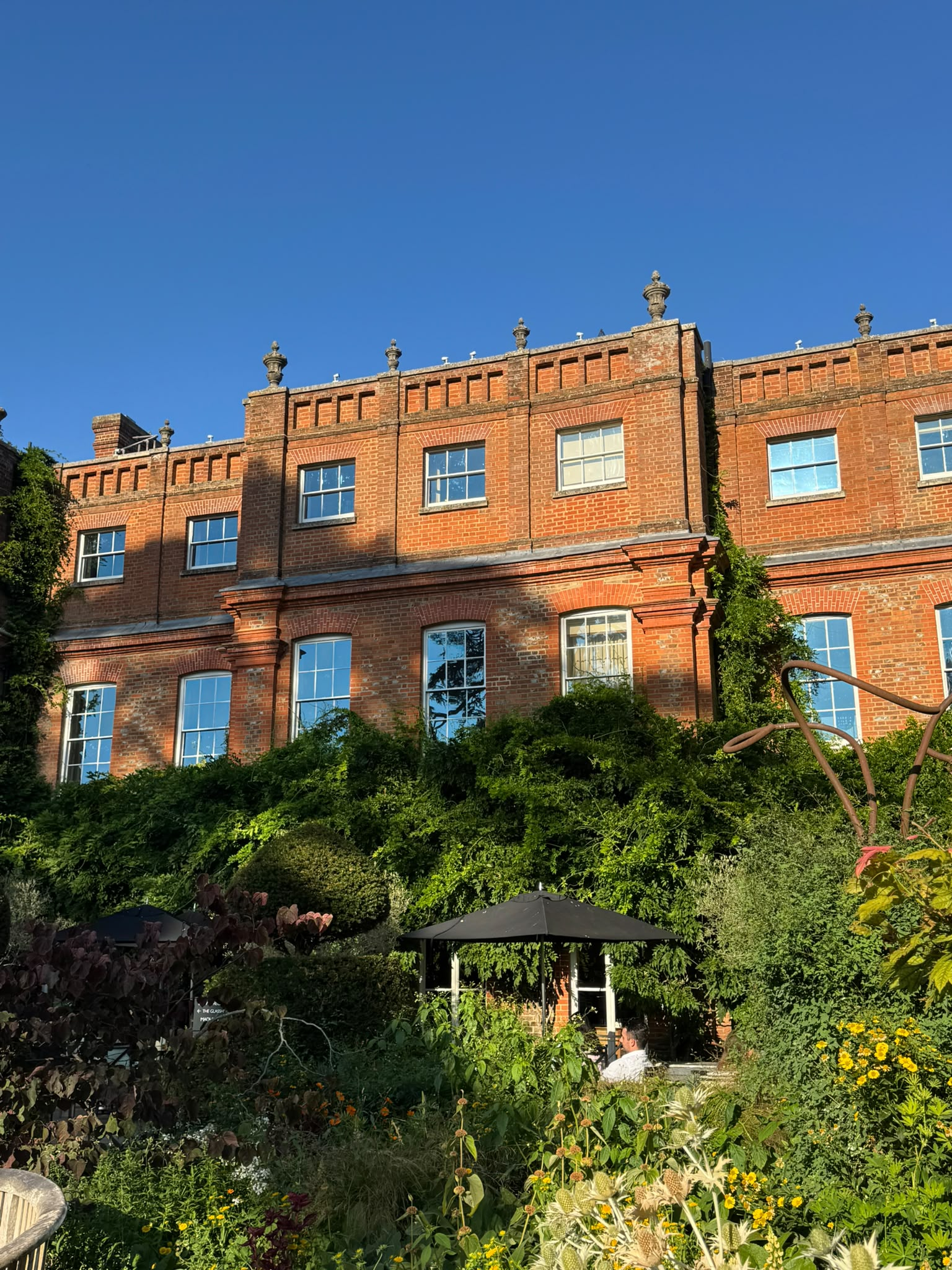
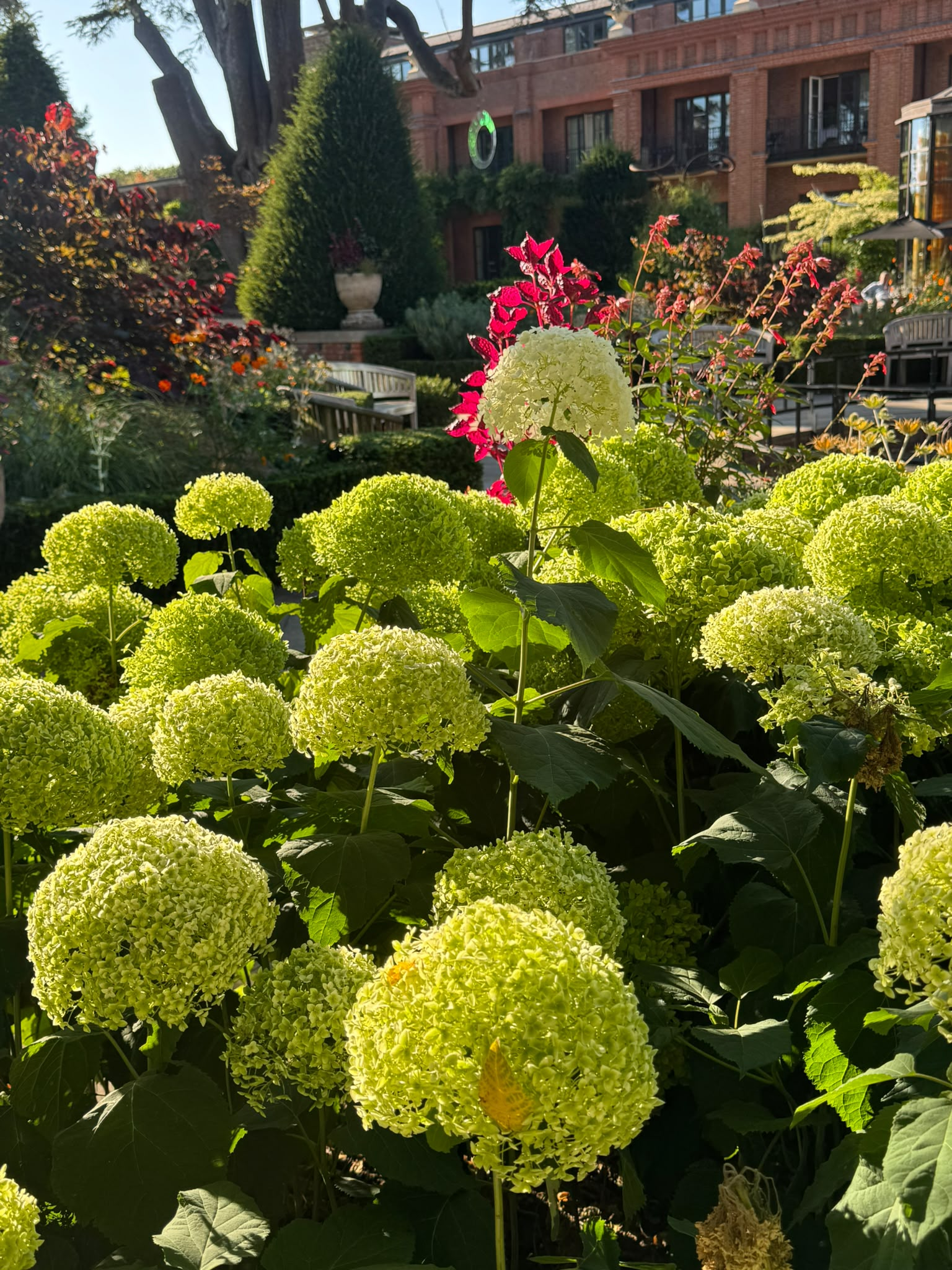
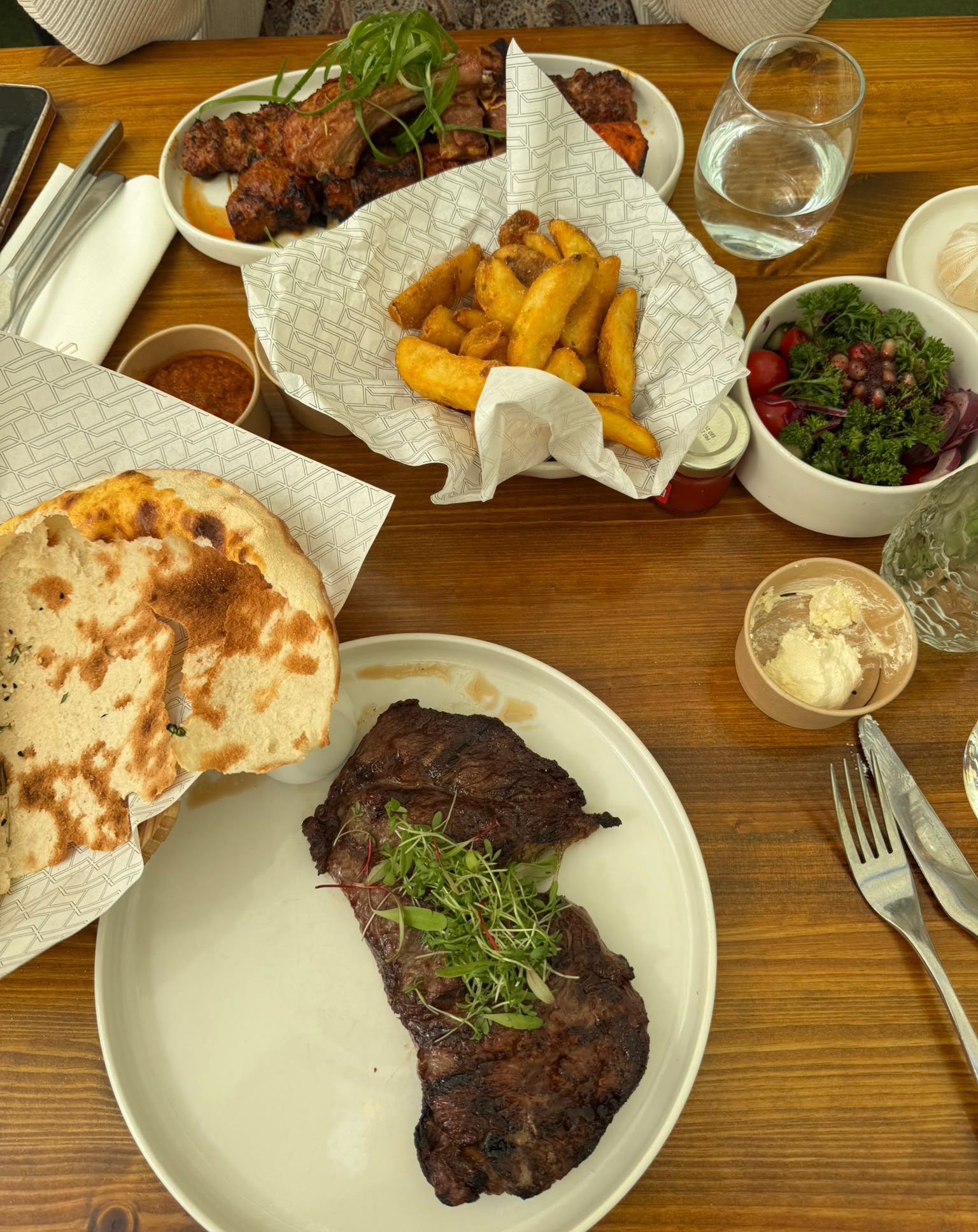
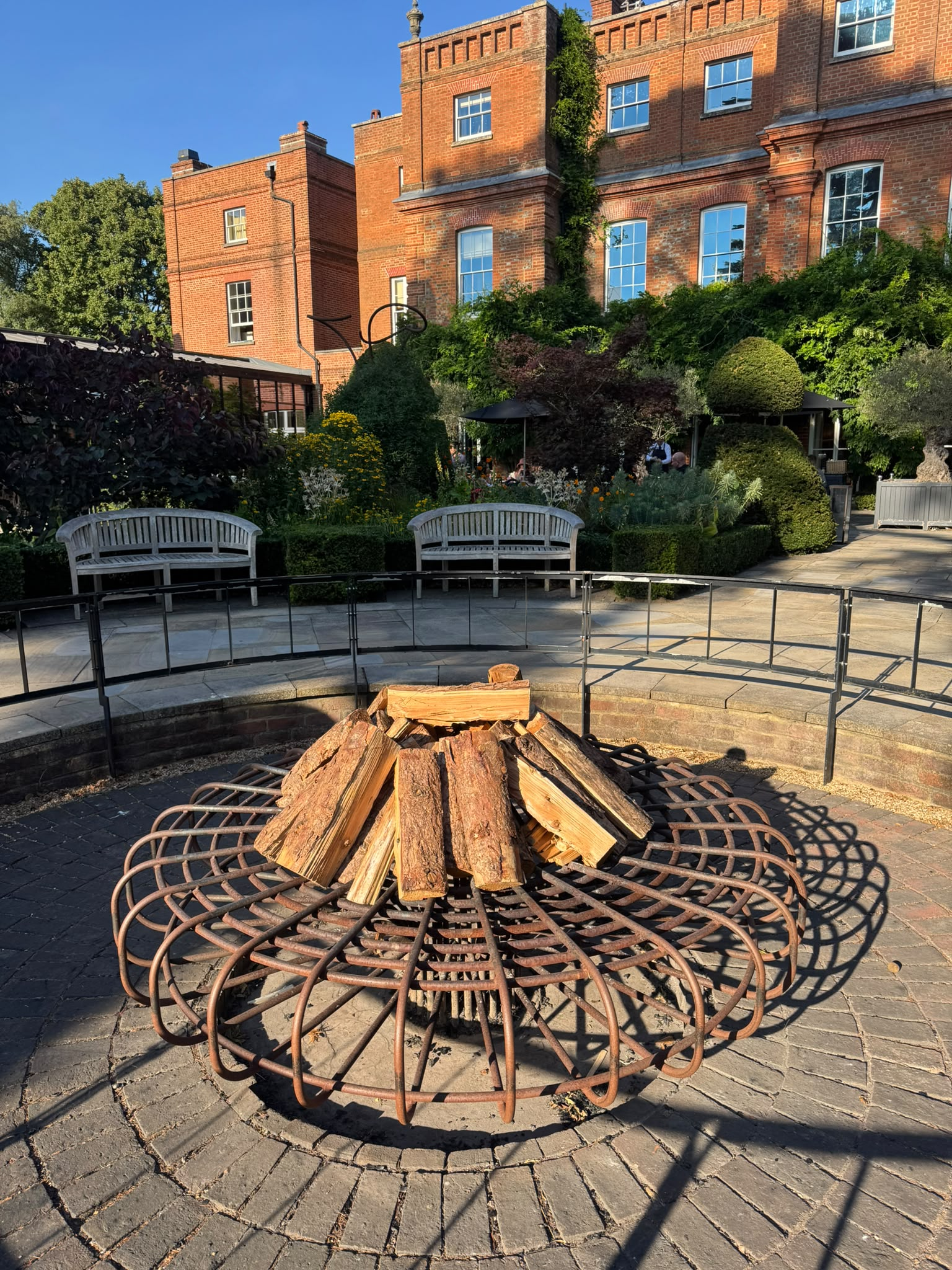
5) The Walled Garden: Once the kitchen garden that fed wartime railway clerks; now the softest corner of the estate.
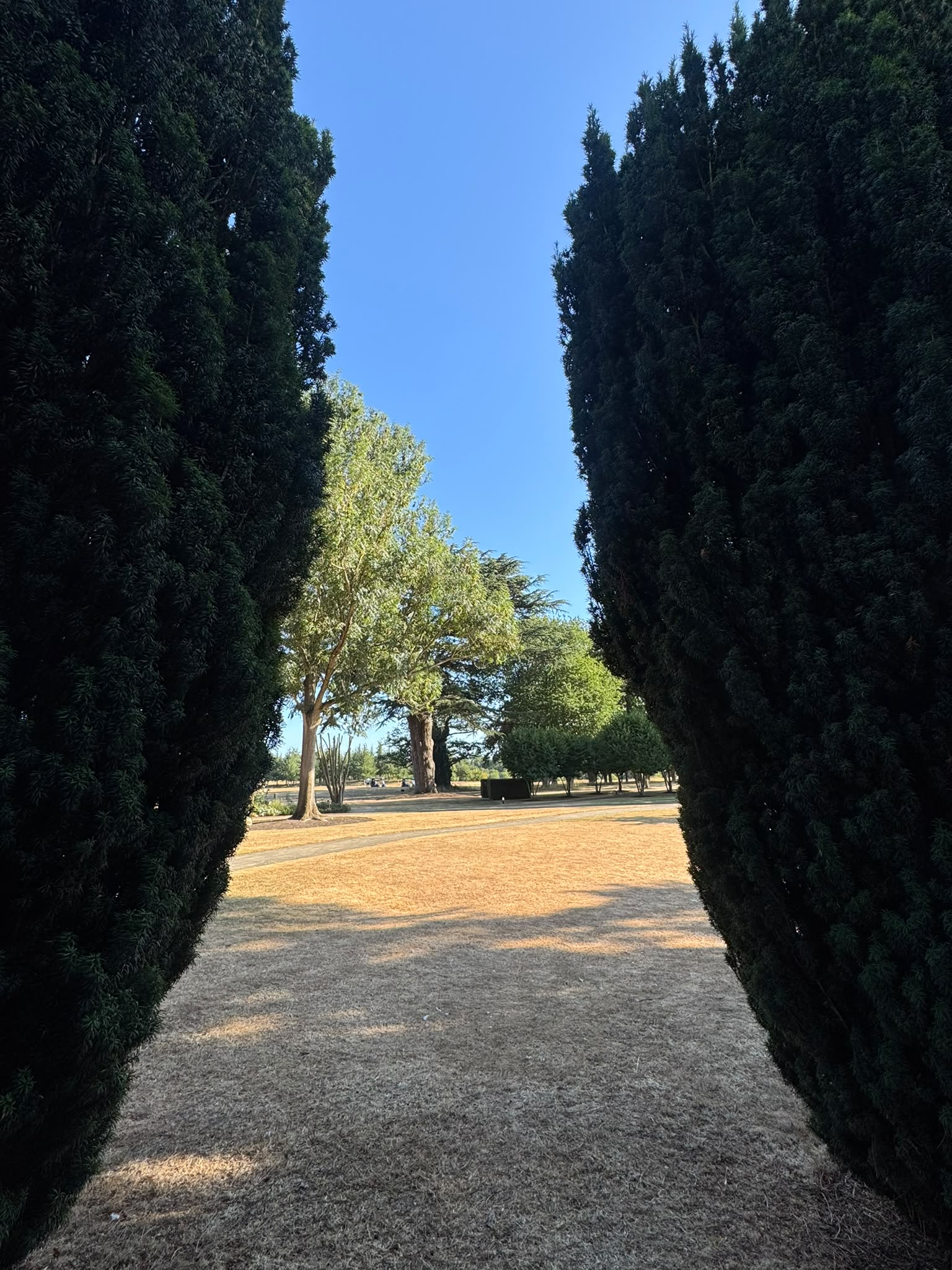
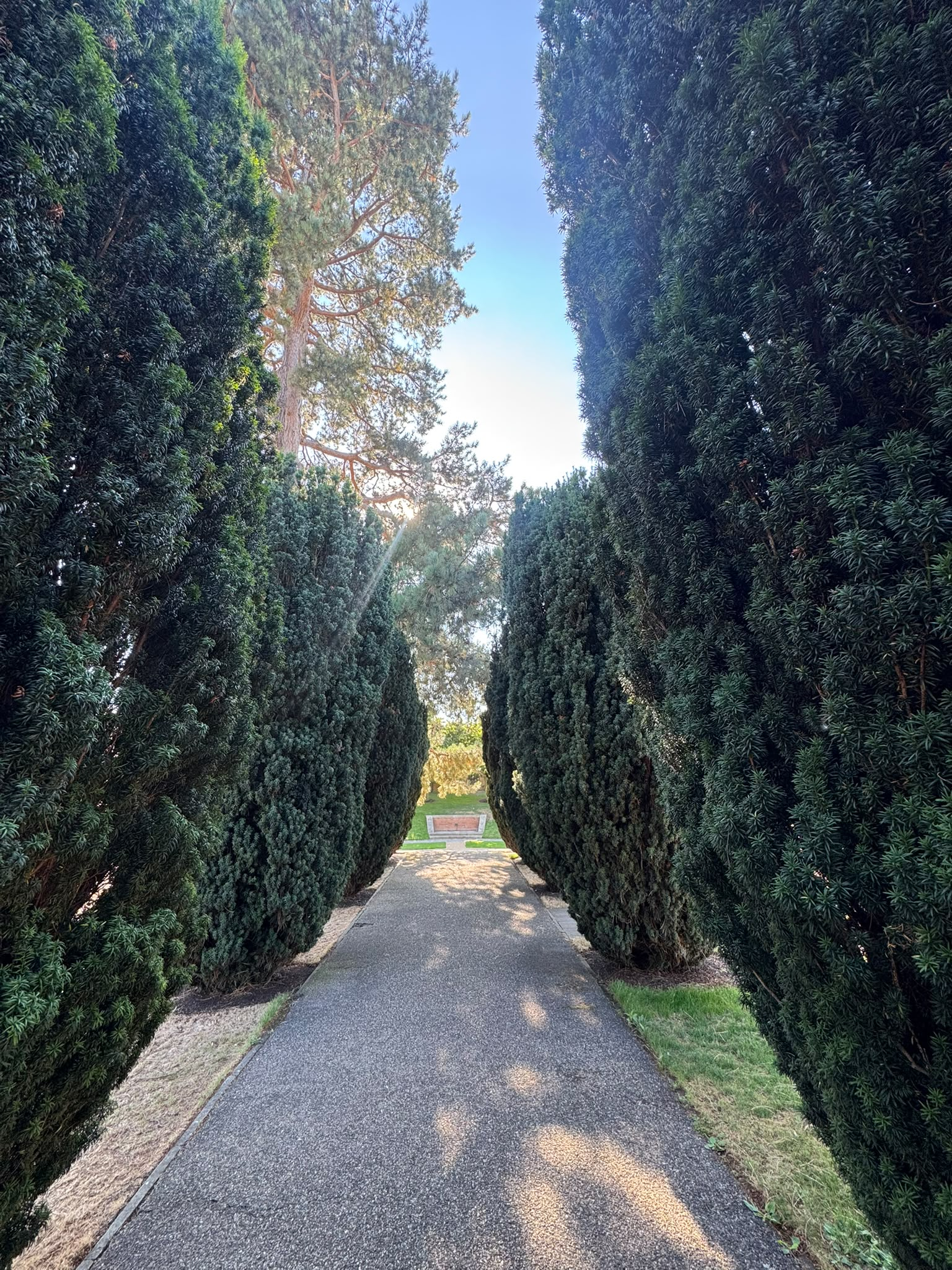
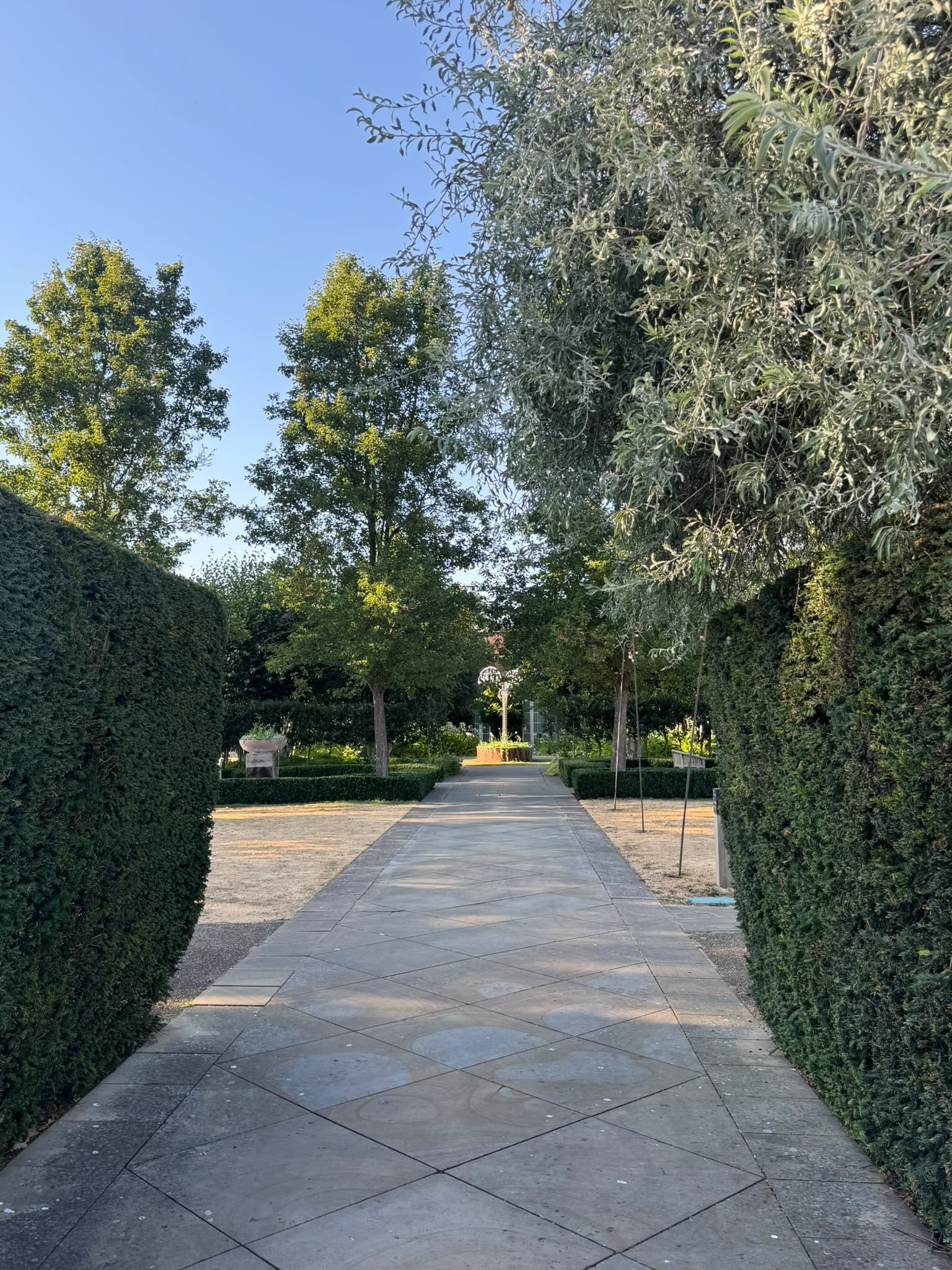
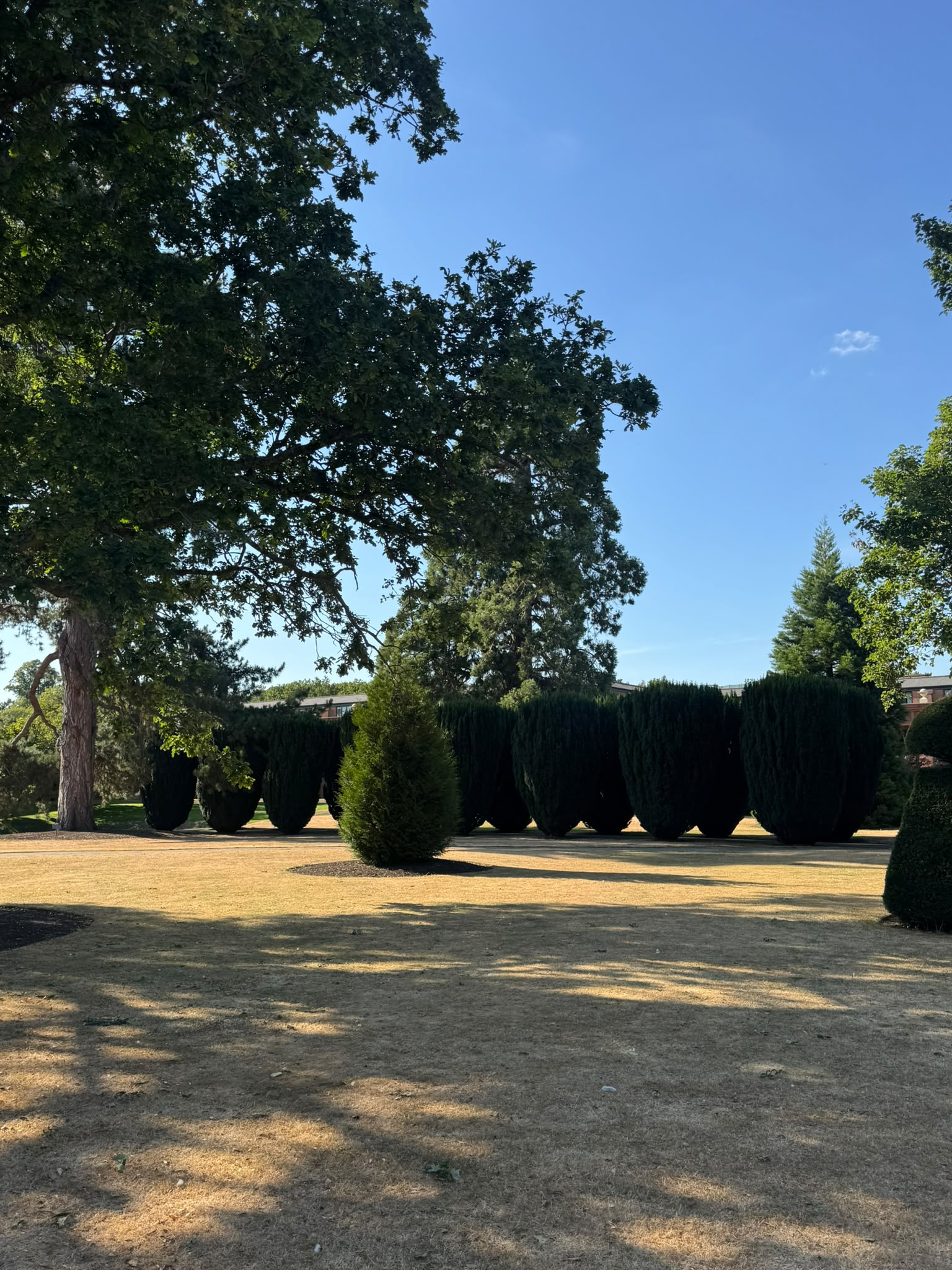
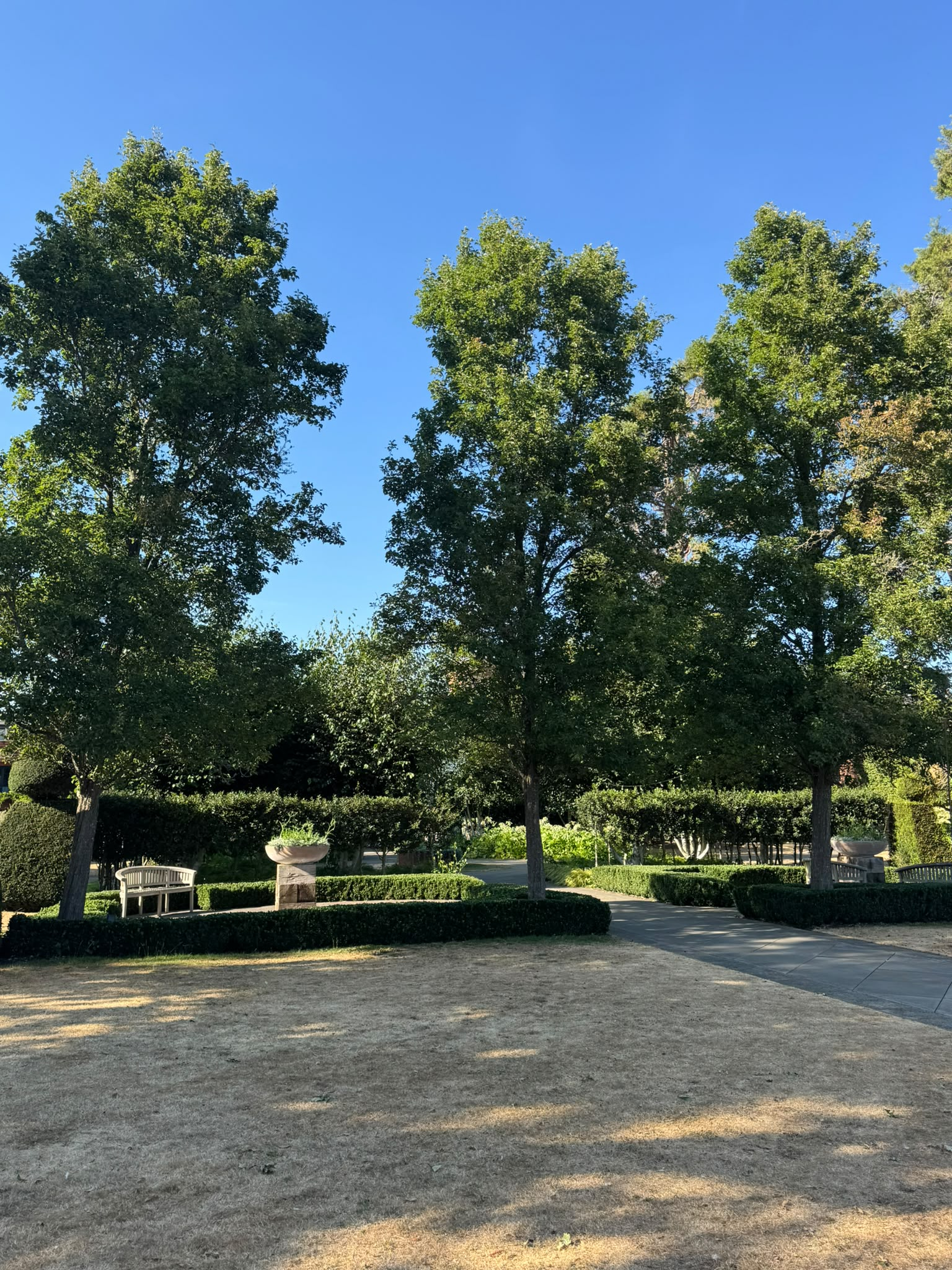
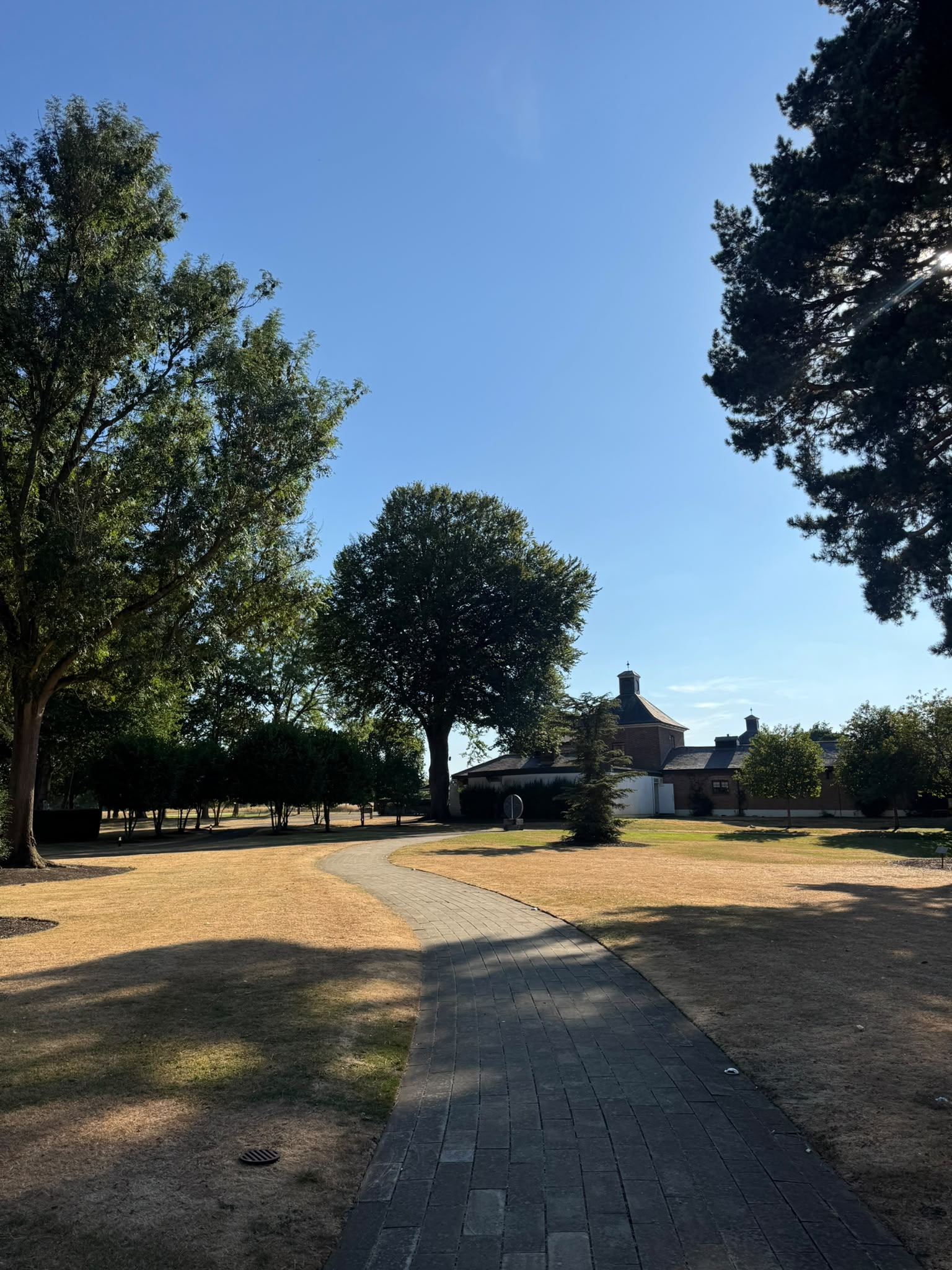
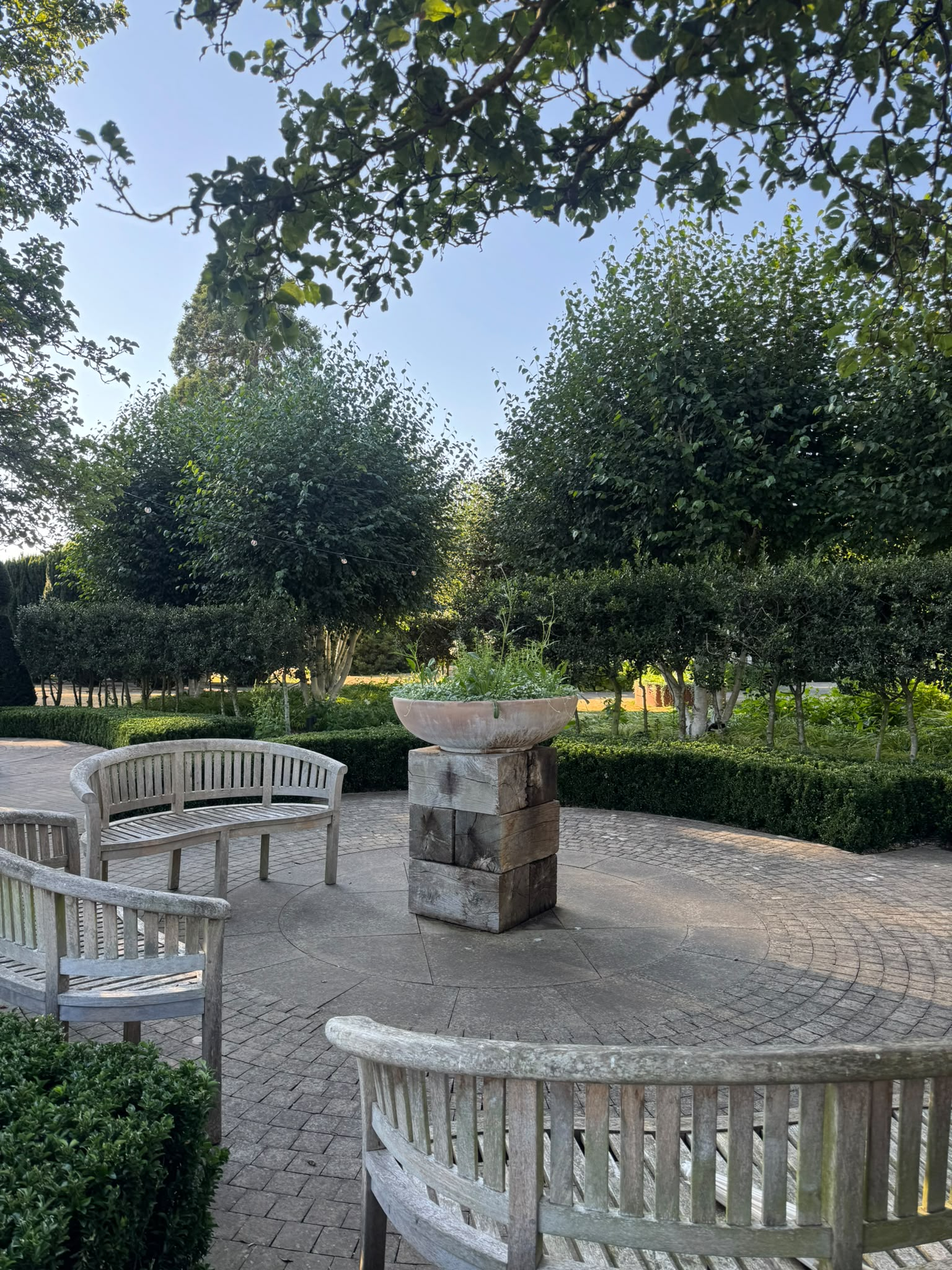
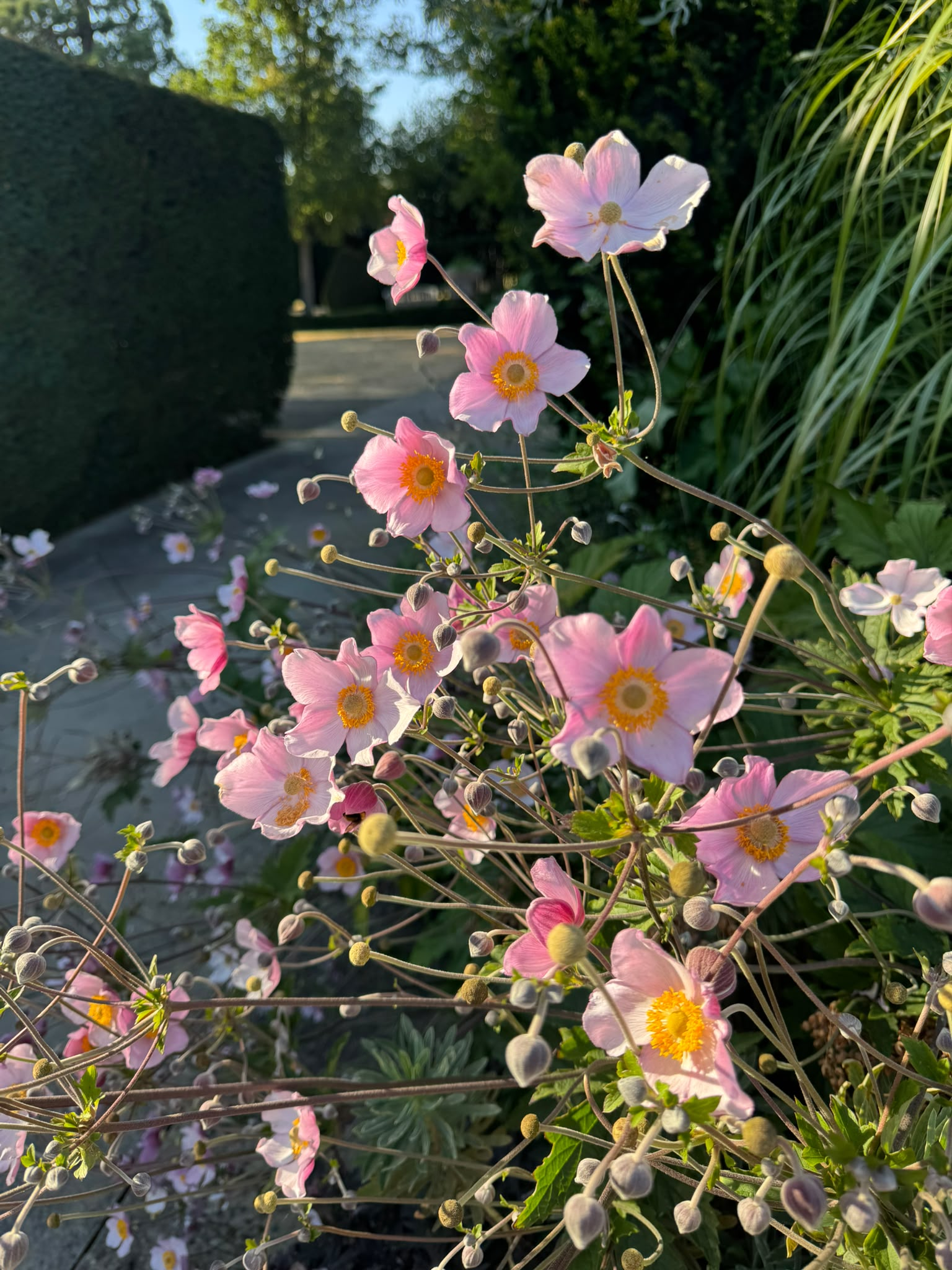
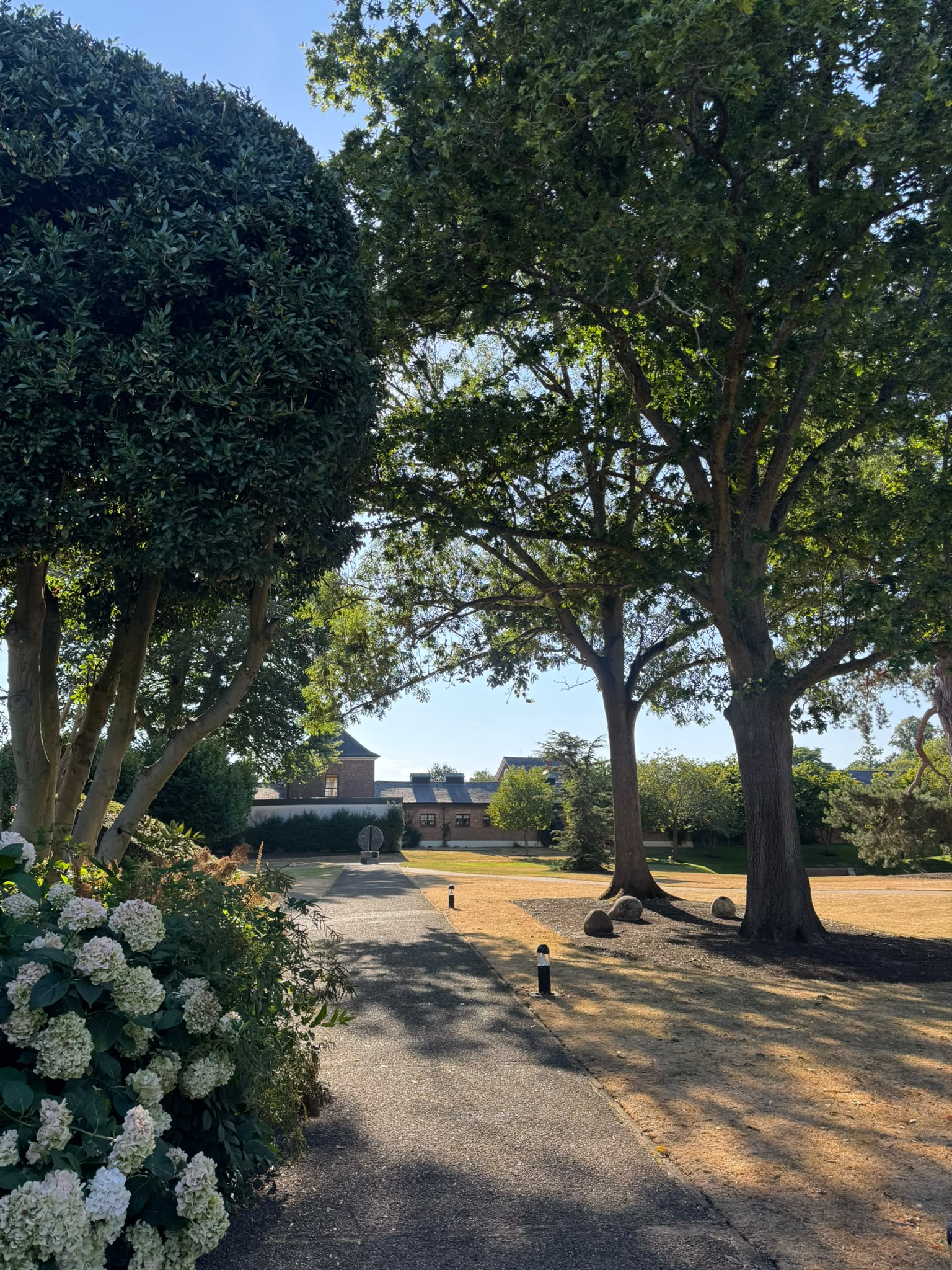
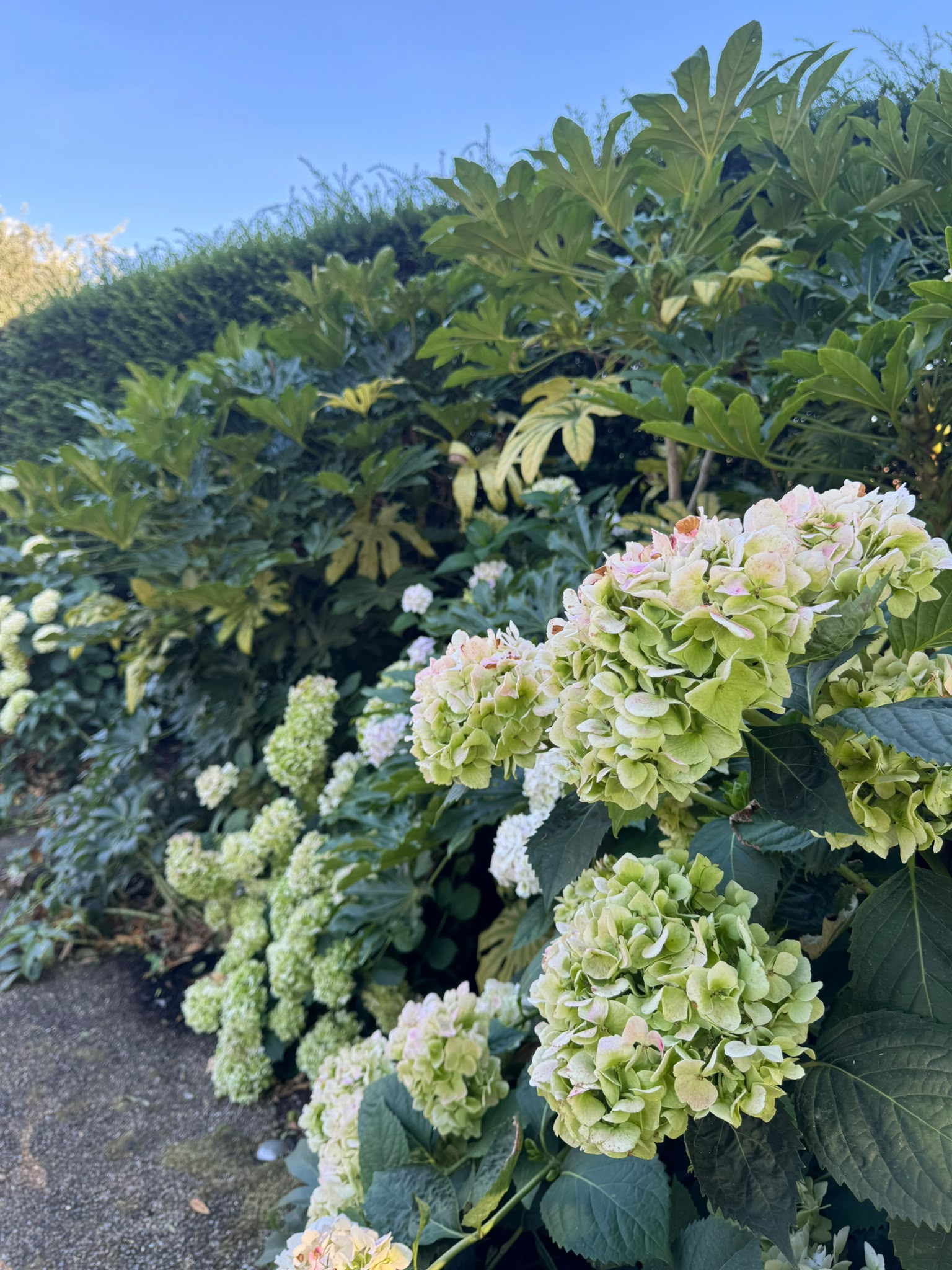
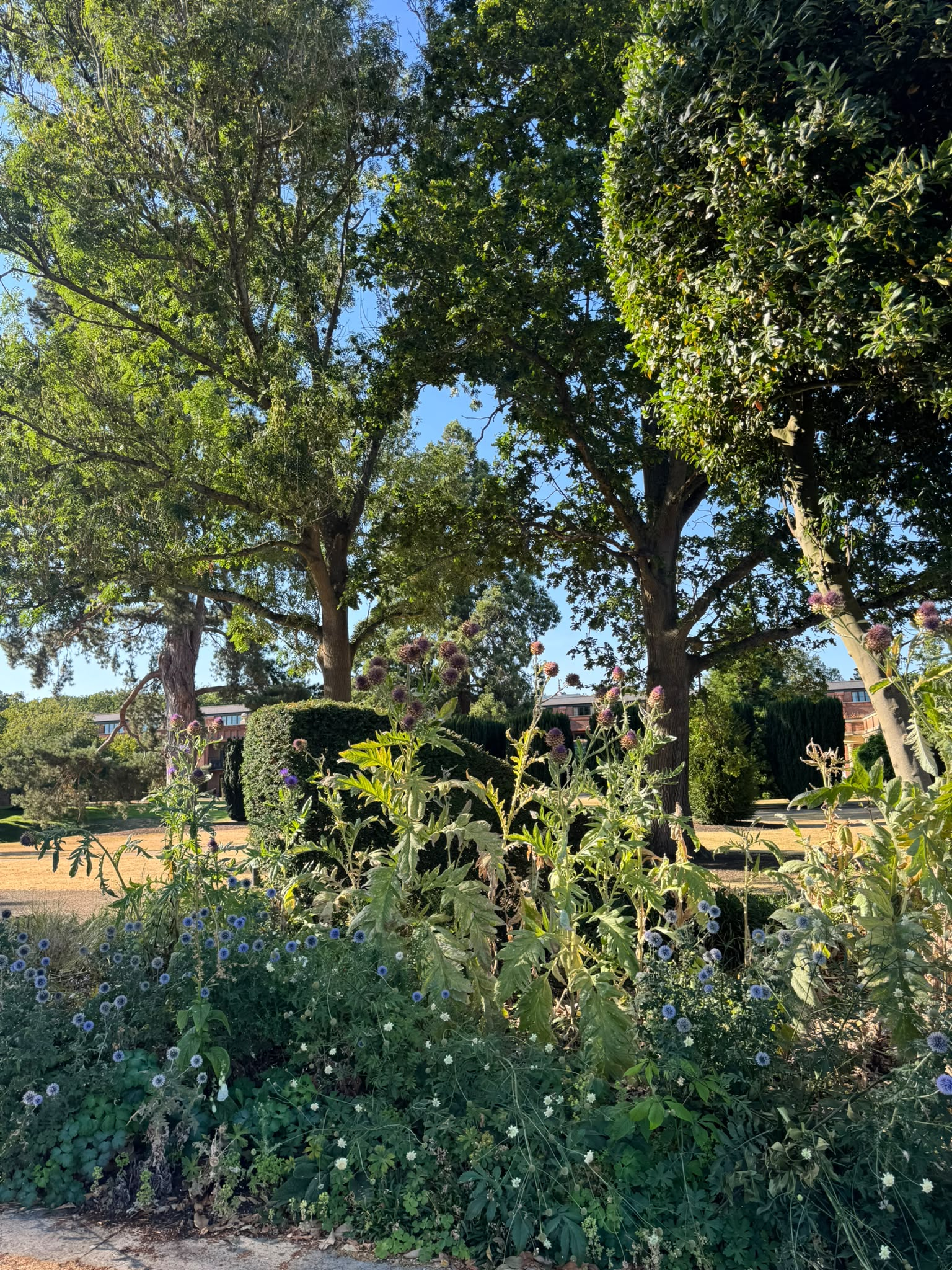
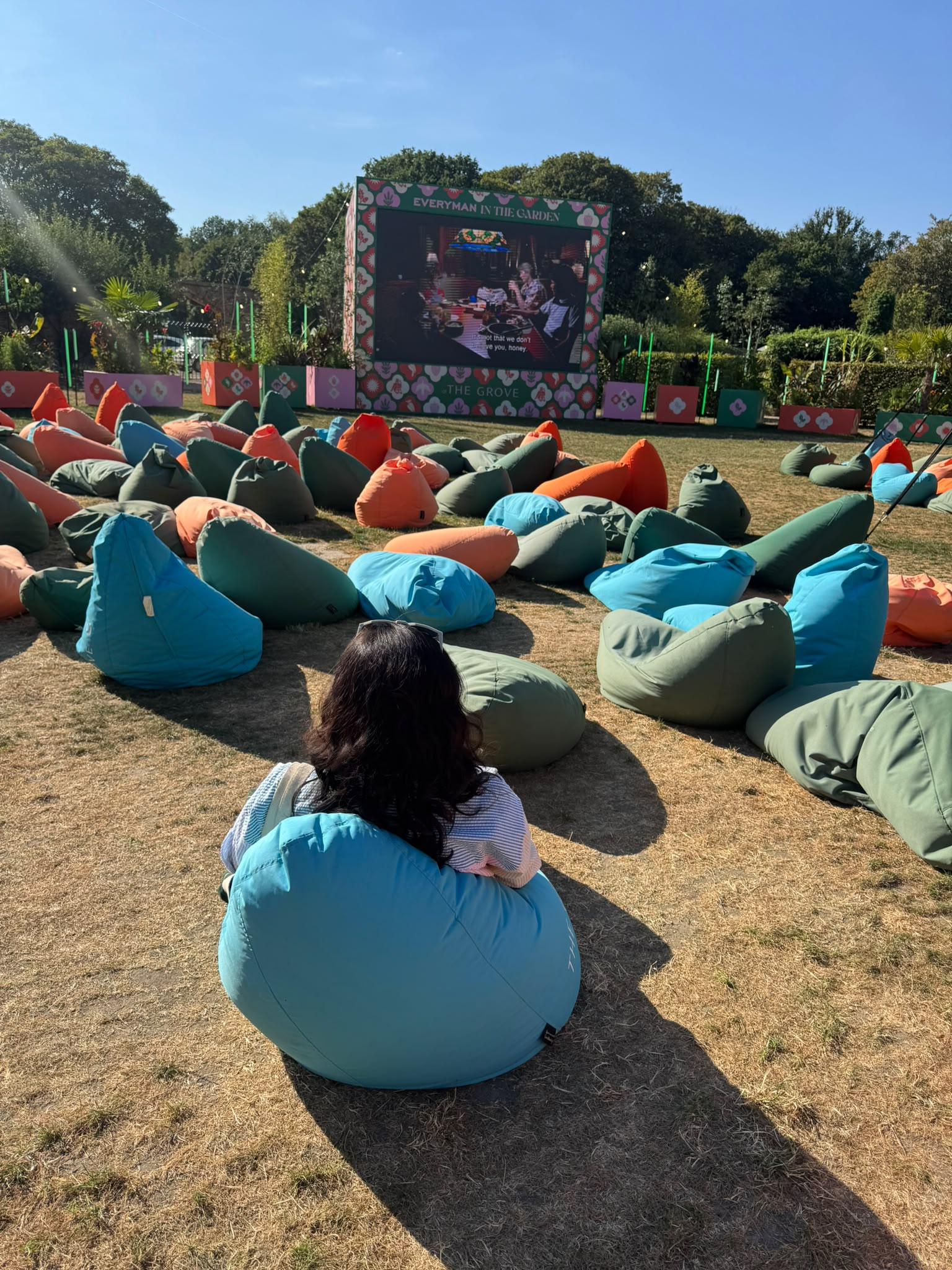
6) The Outdoor Cinema: In summer, films screen outdoors on the grounds. The night I was there, they were playing E.T. — GREAT CHOICE!
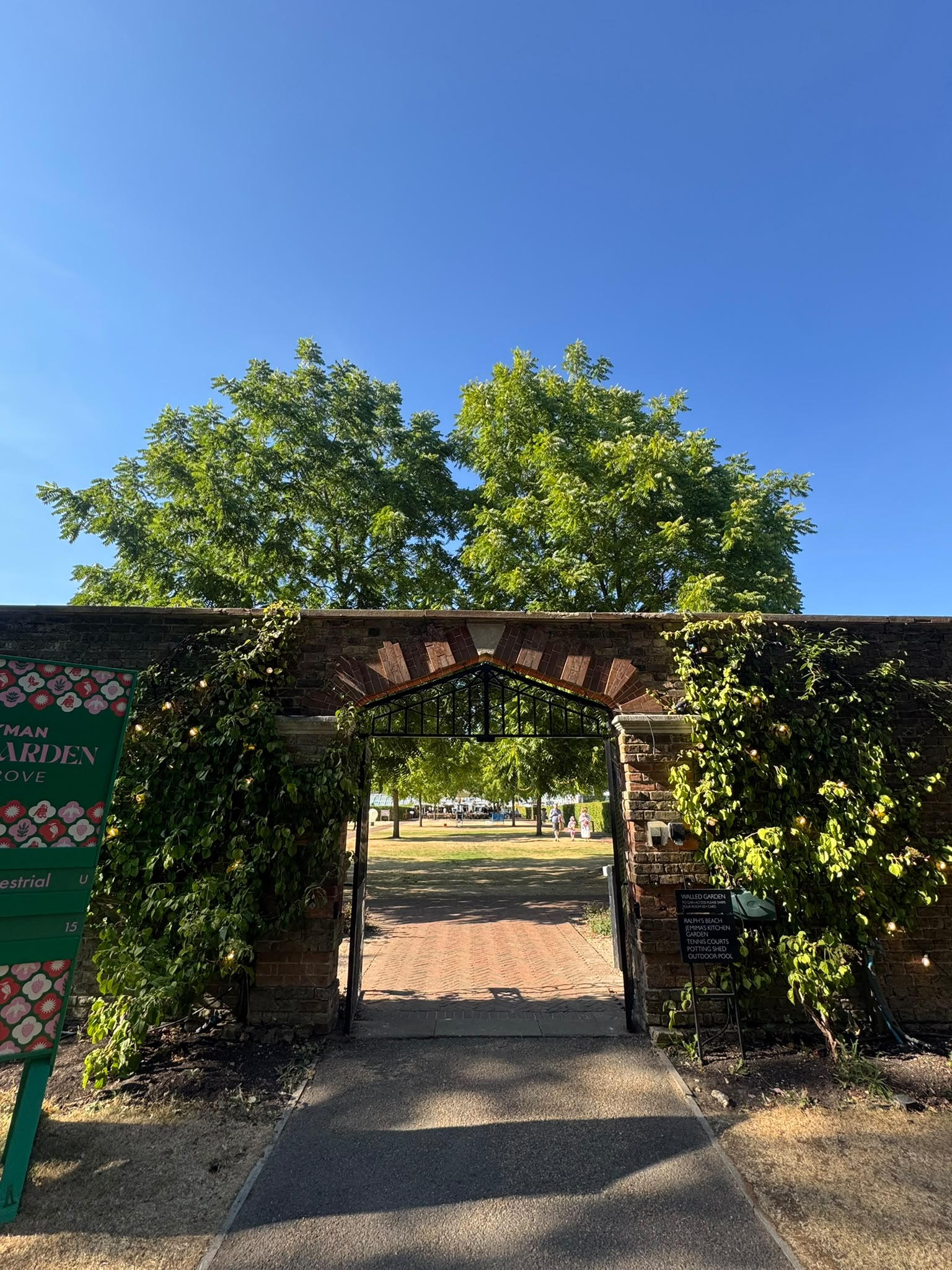
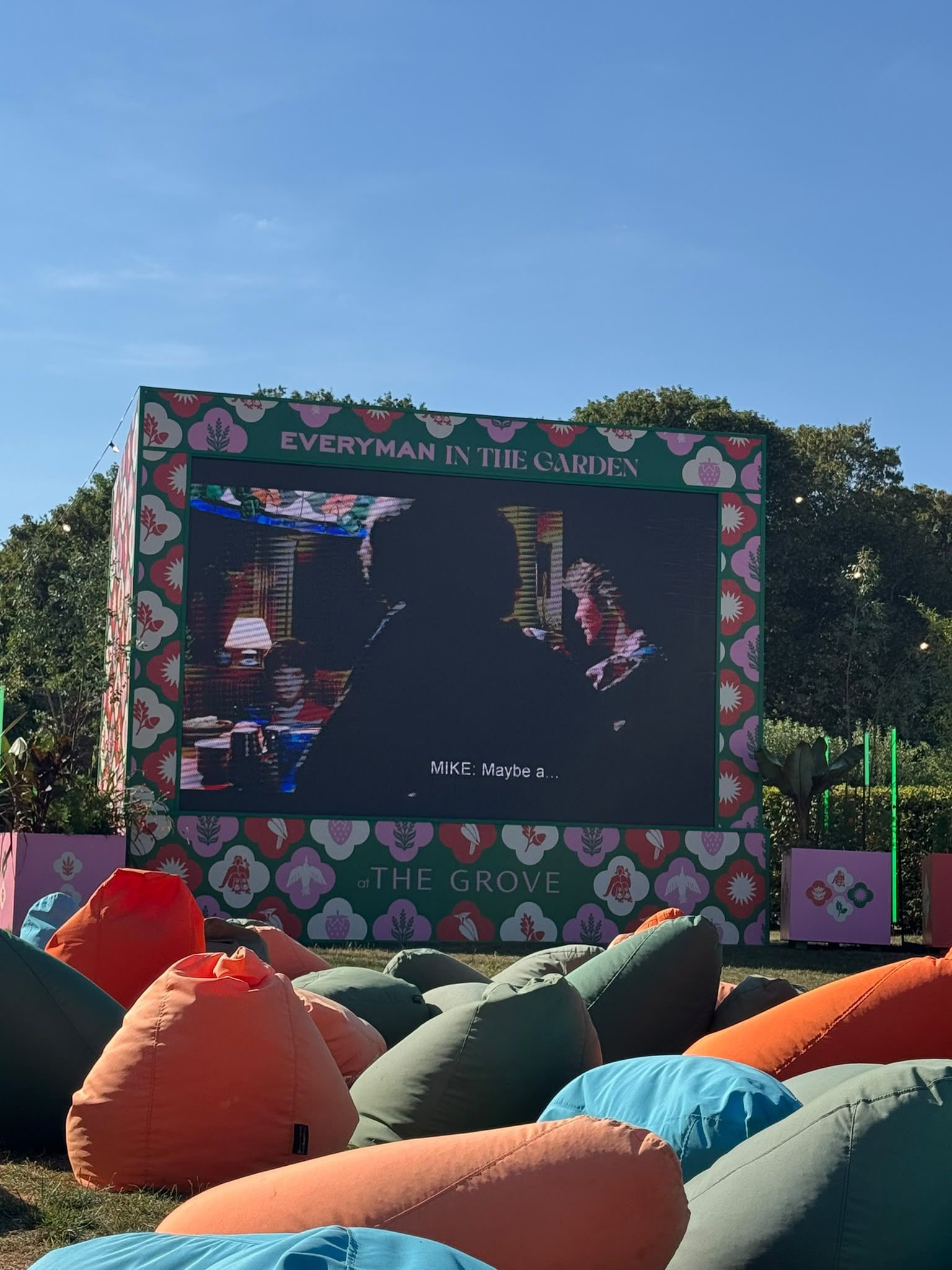
(Below section was written with the help of AI)
II. The Design - Hands Behind It
Restorations of this scale are usually committee work; this one reads as authorship, and it is worth naming the authors.
The architect Jeremy Blake, a specialist in listed buildings, handled the Georgian fabric — the discipline of changing a protected house.
The landscape was entrusted to Michael Balston, whose practice works in the English tradition of structure softened by planting — contemporary gardens that defer to historic parkland rather than compete with it.
Kyle Phillips brought his ethos of invisible design to the course: earthworks that look like inheritance, not construction.
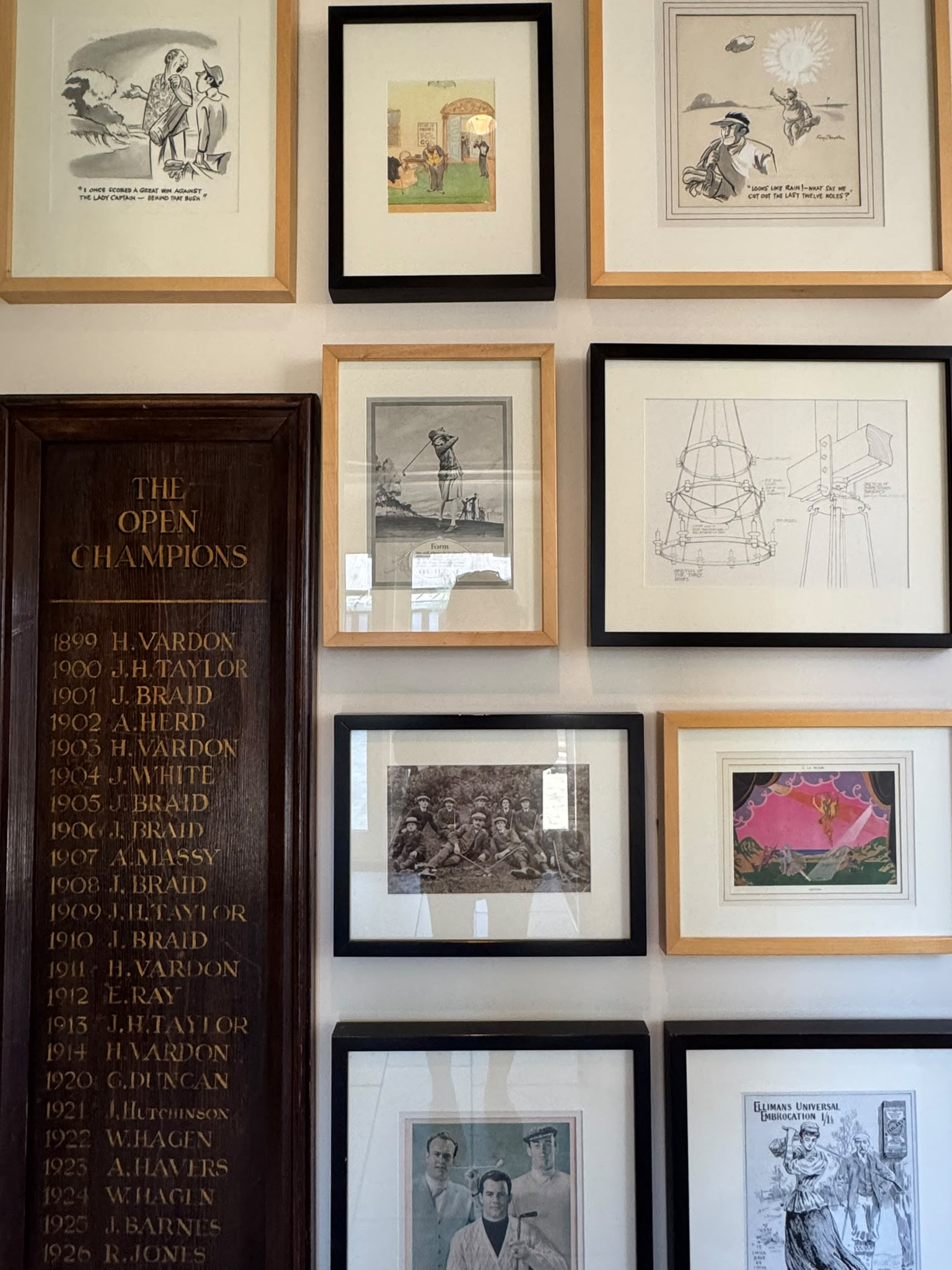
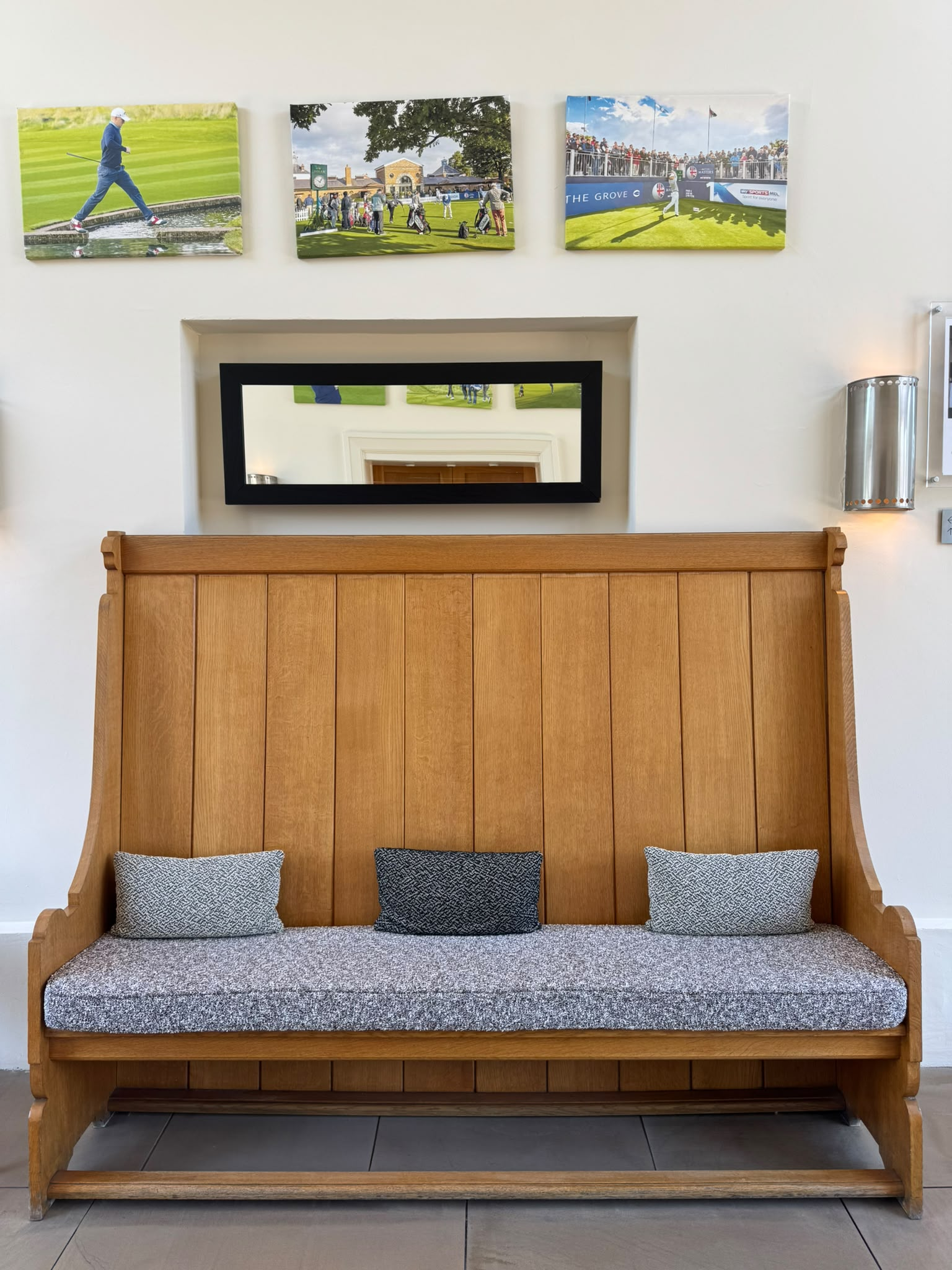
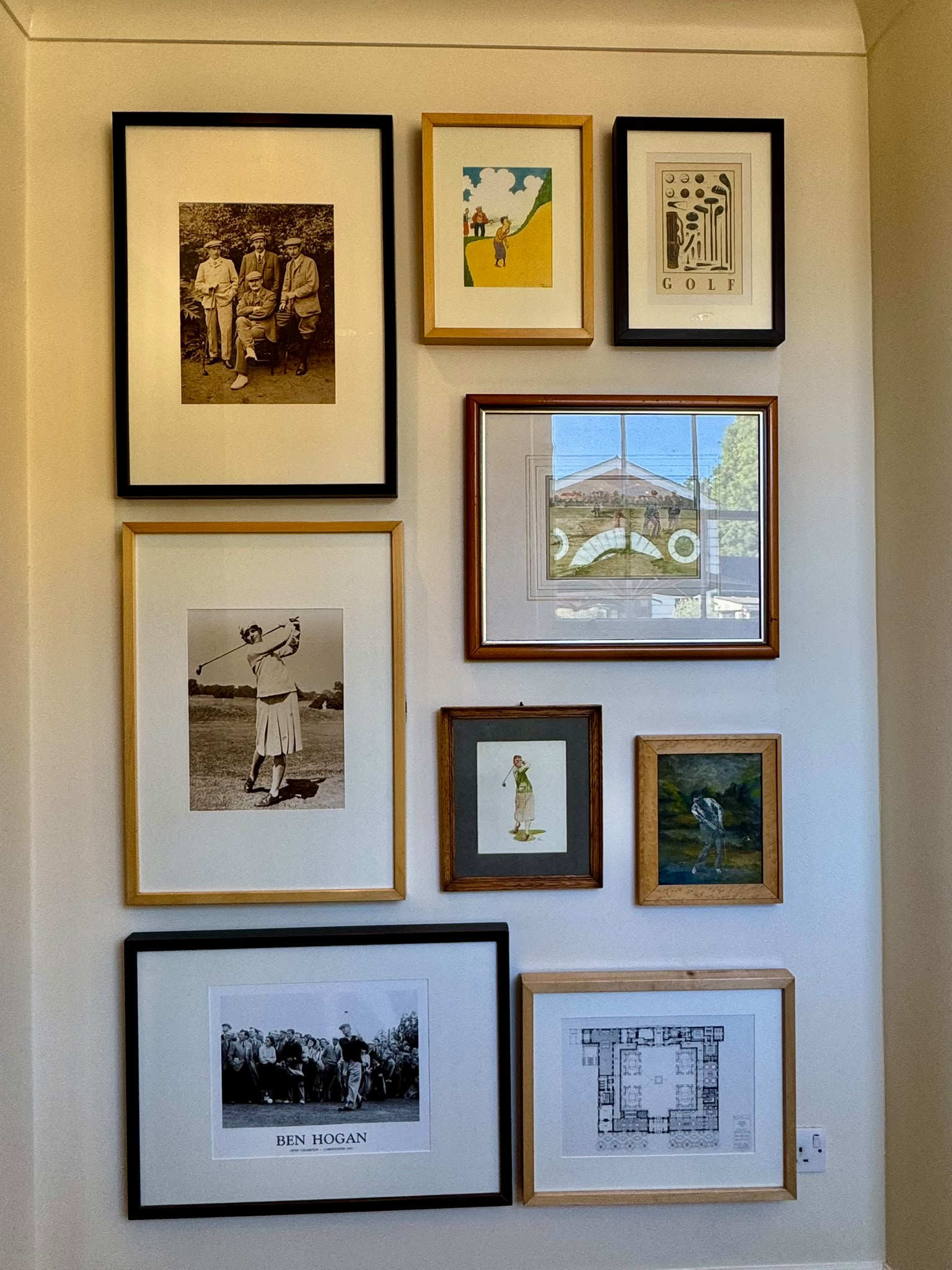
Martin Hulbert has curated the interiors and art since opening — twenty years of one eye, which is why the whole property holds together: Georgian bones, contemporary art, formality repeatedly interrupted by quirk. A grand staircase, then a witty sculpture; a panelled room, then an unexpected colour. The through-line across all four is the same principle, and it is the one I keep returning to in this series: newness in service of oldness. Nothing here shouts over the history. Everything is in conversation with it. Also learn about his inspiration and career advice: link.
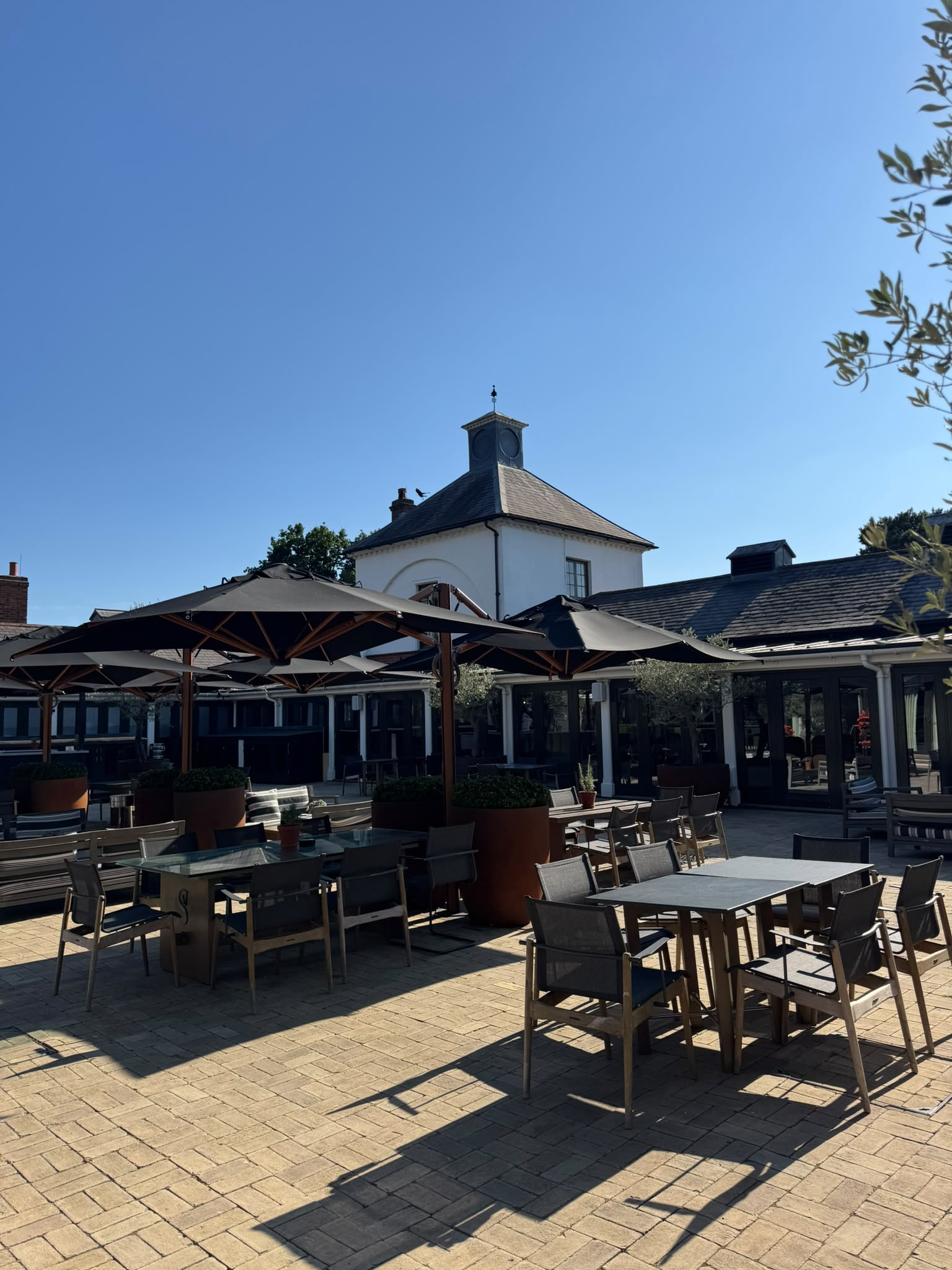
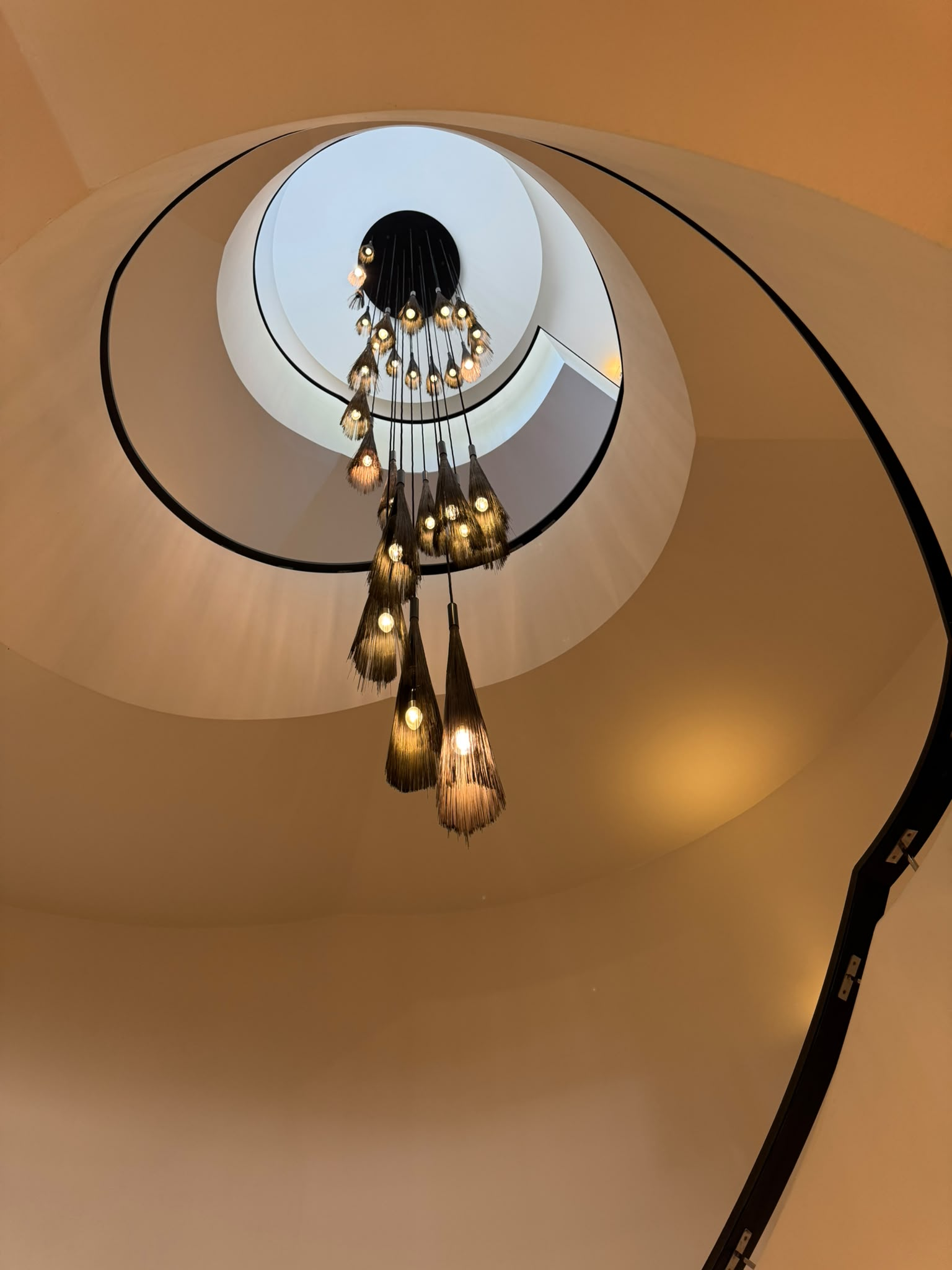
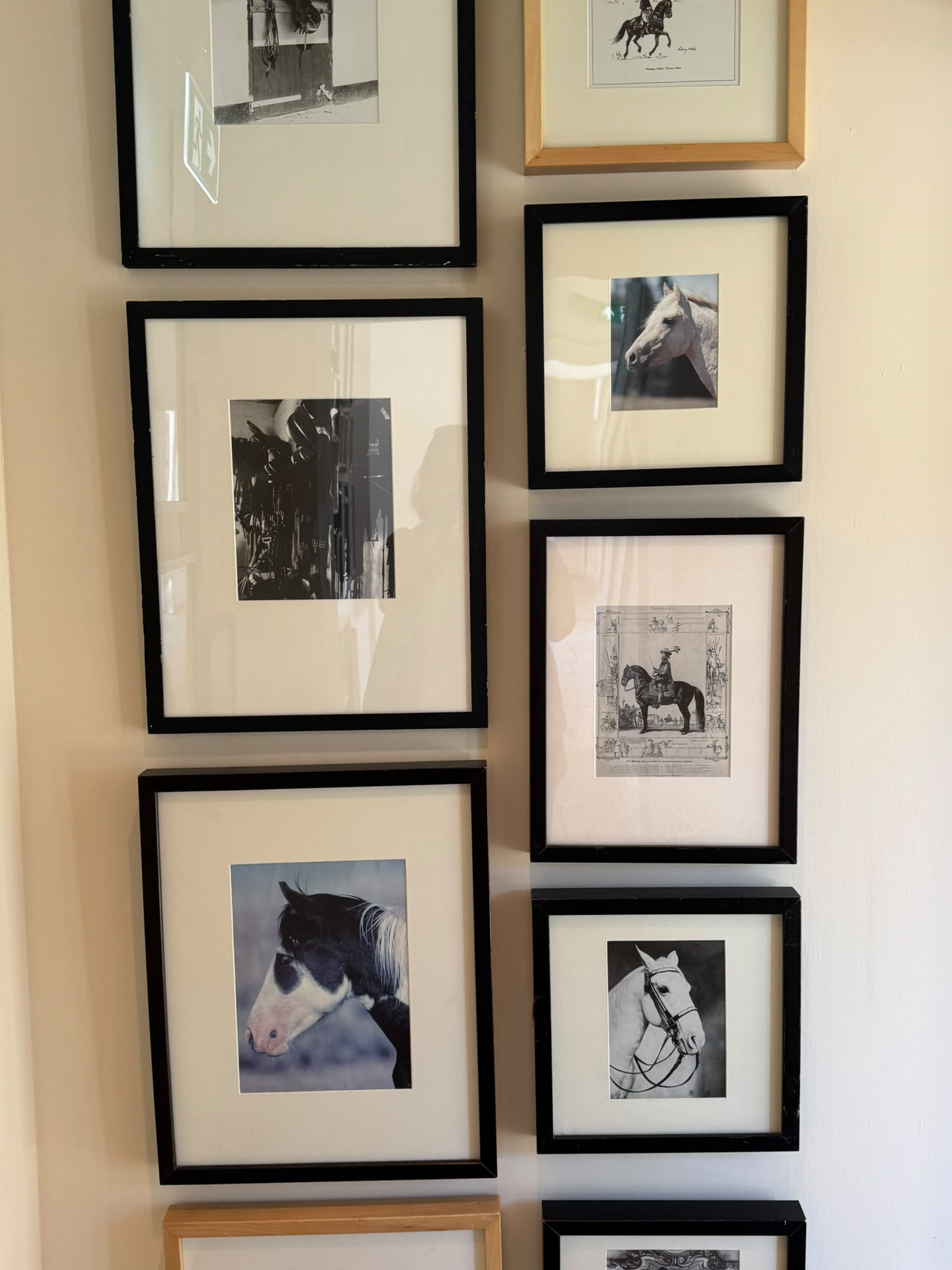
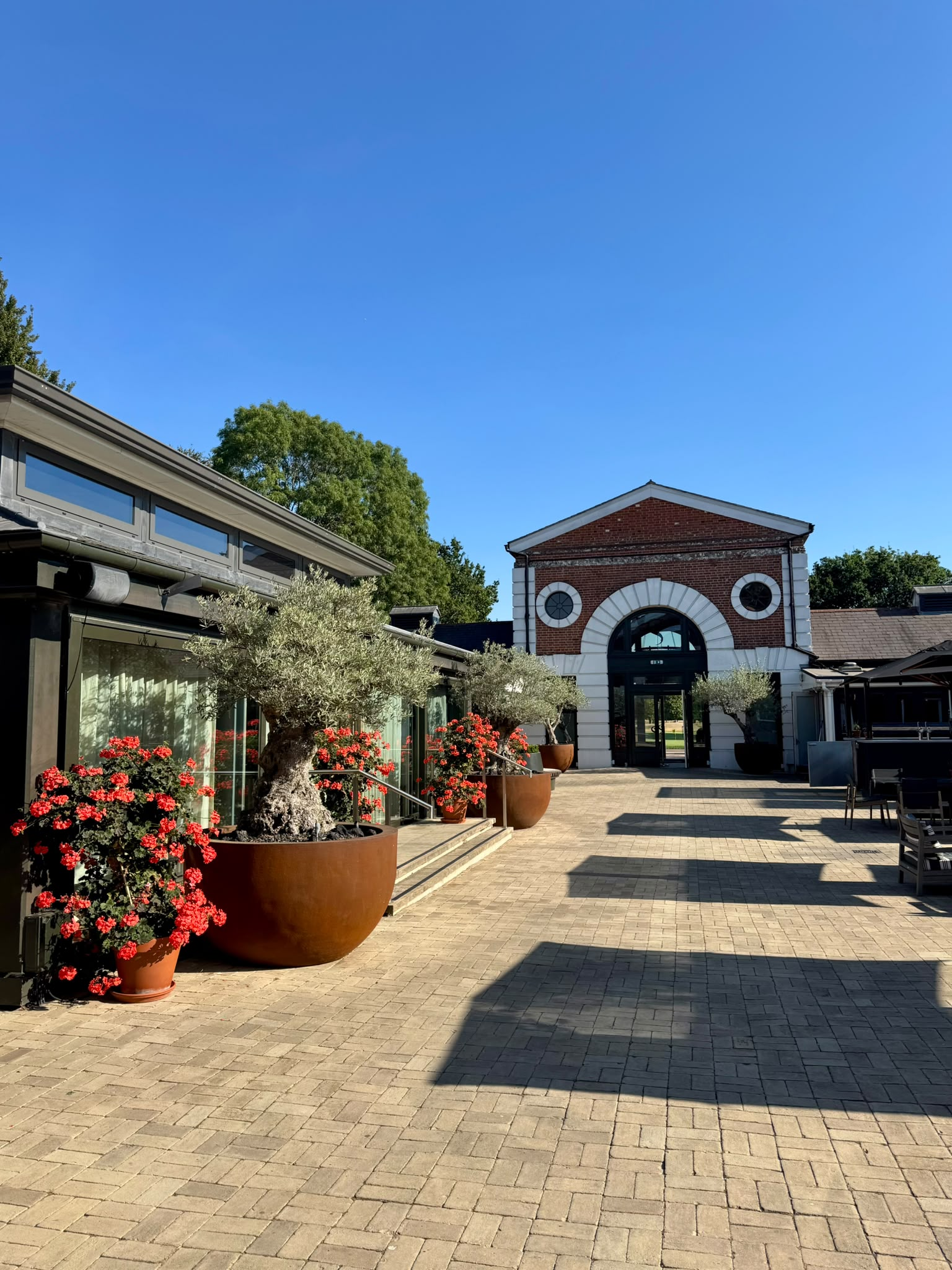
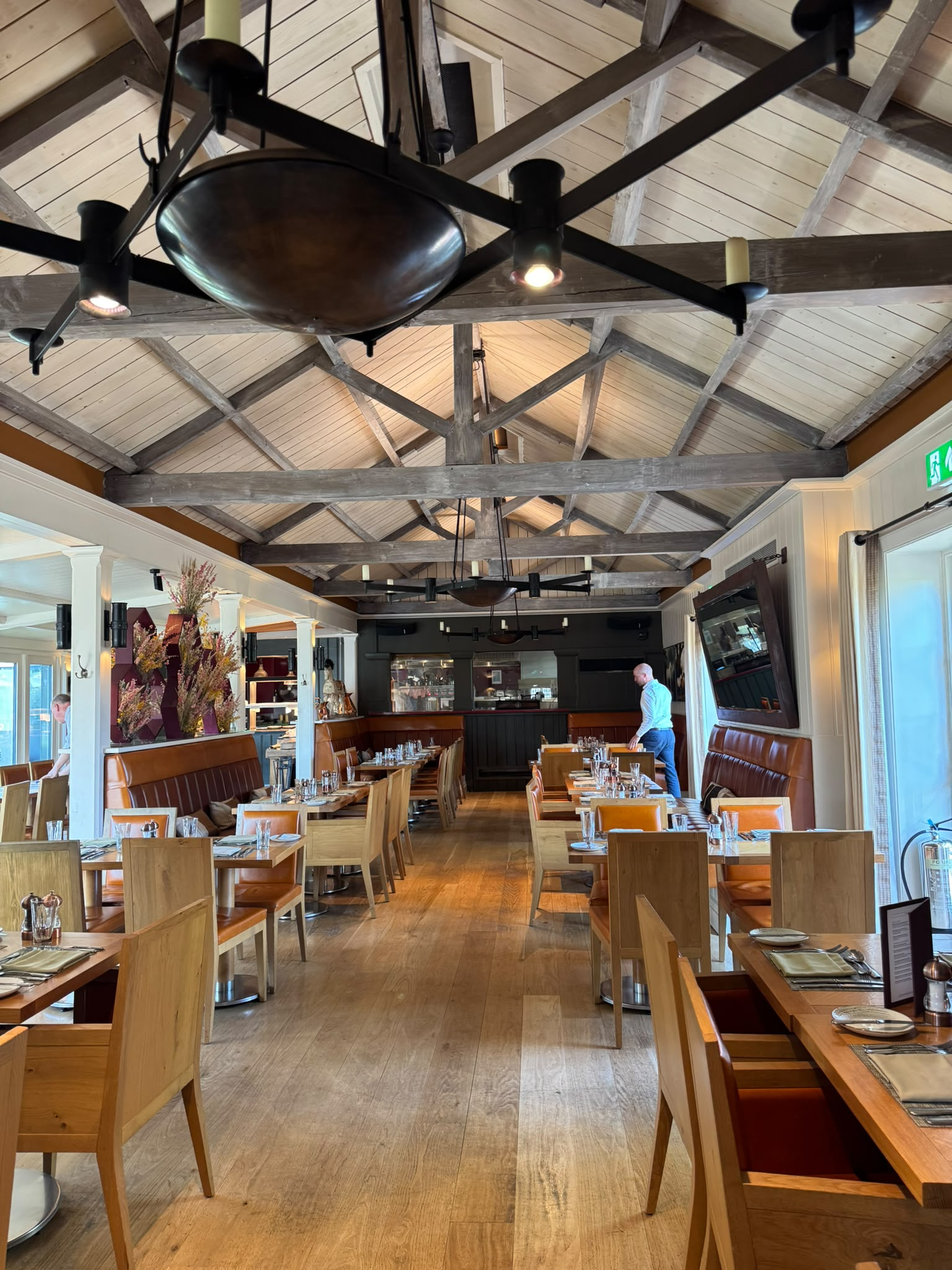
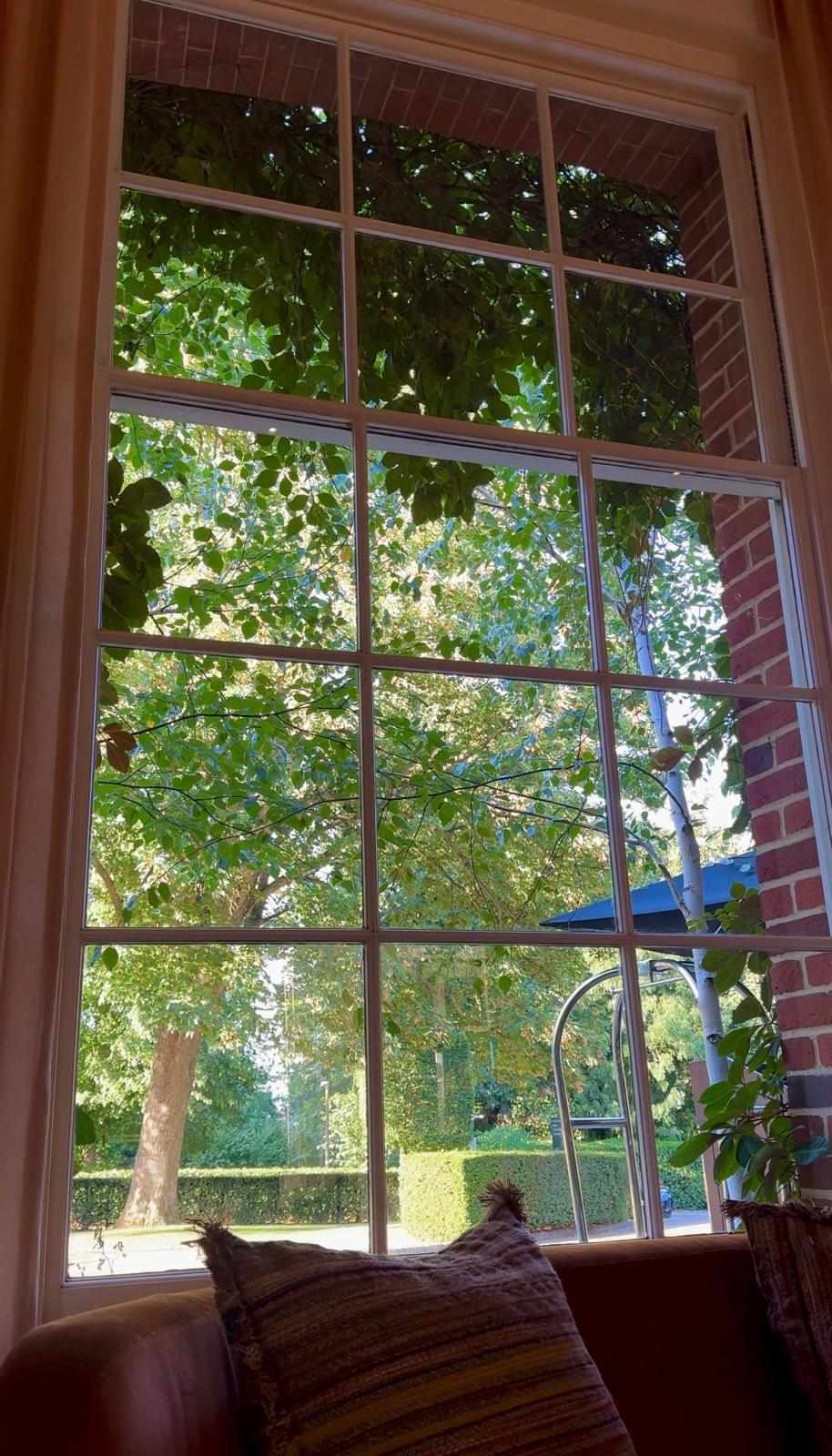
III. Now, the Estate
Before the house, there was the ground. Excavations in 2000 and 2002 — ahead of the golf course, of all things — uncovered a Neolithic stone axe, Early Bronze Age dwellings some four thousand years old, Roman burials, and rare Saxon sunken-floored houses. By the late thirteenth century the estate appears in records as La Grava. Four thousand years of settlement on one bend of the River Gade; the name barely changed in seven centuries. One cannot help but revere it.
(An aside for the ghost-inclined: an early owner, Viscount Doneraile, rebuilt the chapel into a kitchen and is said to ride the grounds forever in penance, chasing a phantom fox. Sightings reported as late as the 1970s.)
The house found its family in the mid-eighteenth century, when the diplomat Thomas Villiers acquired it, becoming 1st Earl of Clarendon in 1776. For a century and a half the Earls built with patience rather than spectacle — Matthew Brettingham's Palladian south front, Sir Robert Taylor's refinements, Edward Blore's third storey for the 4th Earl's Old Masters. Four alterations across four generations, each absorbed rather than announced. This is the register of luxury I trust: taste with a story, accumulated slowly, never flashed.
And here is the thread most relevant to us, the visitors: the Grove was one of the great early weekend houses. Under the 4th Earl — Queen Victoria's Foreign Secretary — it became a favoured retreat for the Queen, the future Edward VII, and Palmerston: close enough to escape the capital easily, far enough to actually escape. George Stubbs painted horses in the stables; Captain Cook gave an Earl the black walnut sapling that still shades the Terrace. Quietly astonishing.
The estate guarded its peace with conviction. When the railway proposed tracks through the park in the 1830s, the 3rd Earl refused, forcing the line east through the costly Watford tunnels. Every train from Euston still detours around one man's insistence on quiet. I admire it.
The twentieth century humbled the house. Death duties — Britain's steep inheritance taxes — forced the sale in the 1920s, and the Grove cycled through lives as a boarding school, a gardening school, a riding school, and a health centre nicknamed "the London Spa." Wellness, a century early.
Then, its strangest chapter. In 1939 the London, Midland and Scottish Railway secretly bought the estate and moved its headquarters out of Euston under the codename Project X — staff told only to report to Watford Junction with food for the day, a gas mask, and "an unbreakable drinking vessel." The move finished in the first three days of September 1939; war was declared that Sunday. For six years, the walled garden fed the clerks who ran a nation's wartime railways from the Clarendons' drawing rooms.
After decades as a railway training centre, the near-ruinous house was bought in 1996 by Ralph Trustees and restored over seven years; the hotel opened in 2003. Tiger Woods won here in 2006; NATO's leaders gathered here in 2019. The house that once ran a wartime railway now hosts the peace. History does have a sense of symmetry.
IV. In Closing...
The convenience is part of the story — it always was; it is why queens weekended here. From London Euston, trains reach Watford Junction in about twenty minutes; a taxi from the station is roughly £15 at the time of posting, and about forty minutes after leaving London — you are here. Come mid-week if you can; the grounds are quietest in the morning.
![Life | Greece Sanctuary] Skiathos #Escape](https://storage.ghost.io/c/2a/9e/2a9e2b04-30f6-4166-8010-a3730d2eb719/content/images/size/w720/2026/09/Skiathos.jpg)
![Life] What is your comfort food?](https://storage.ghost.io/c/2a/9e/2a9e2b04-30f6-4166-8010-a3730d2eb719/content/images/size/w720/2026/09/WhatsApp-Image-2026-09-18-at-10.11.32.jpeg)
![Life] Local's Guide: London for Family with Little Ones and/or Grandparents](https://storage.ghost.io/c/2a/9e/2a9e2b04-30f6-4166-8010-a3730d2eb719/content/images/size/w720/2026/09/Gemini_Generated_Image_dkfatmdkfatmdkfa.jpg)
Comments ()