Life | London Sanctuary] Sacred Quiet in London #Escape
![Life | London Sanctuary] Sacred Quiet in London #Escape](https://storage.ghost.io/c/2a/9e/2a9e2b04-30f6-4166-8010-a3730d2eb719/content/images/size/w1200/2026/08/WhatsApp-Image-2026-08-02-at-17.35.24-1.jpeg)
EJ's note
“The things that we love tell us what we are.”
― St. Thomas Aquinas
I always look for places of tranquility, reflection, and peaceful serenity to get away from the daily noise. I enjoy the dynamic nature of my work — genuinely — but I also absolutely need pure escapism from all sensory stimulation, to come back to me, myself, and connect with my heart. I am not religious. But I am spiritual, and I have learned that old churches and cathedrals hold invisible layers of tranquility — an energy that runs deeper than any one of us can ever understand. You don't need a faith to feel it. You only need to sit still.
This is my practice wherever I live and wherever I go. In New York, I had a couple of cathedrals I would escape to during lunch hours or after work. In Seoul, I always visit a thousand-year-old royal temple near my parents' place in my birth town. And whenever I travel — for work or leisure — I have a habit of visiting the temples of the place, asking for blessings and a safe journey home. On my pilgrimages, these places have worked like lighthouses for me: when I didn't know where I was on the road, and I was thirsty, hungry, and tired, there was always a sacred roof to sit under. So here are my discoveries and my regular places thus far: the sacred quiet of London.
Enjoy!
I. First, the Square Mile
City of London's motto: "Domine dirige nos" — "Lord, guide us."
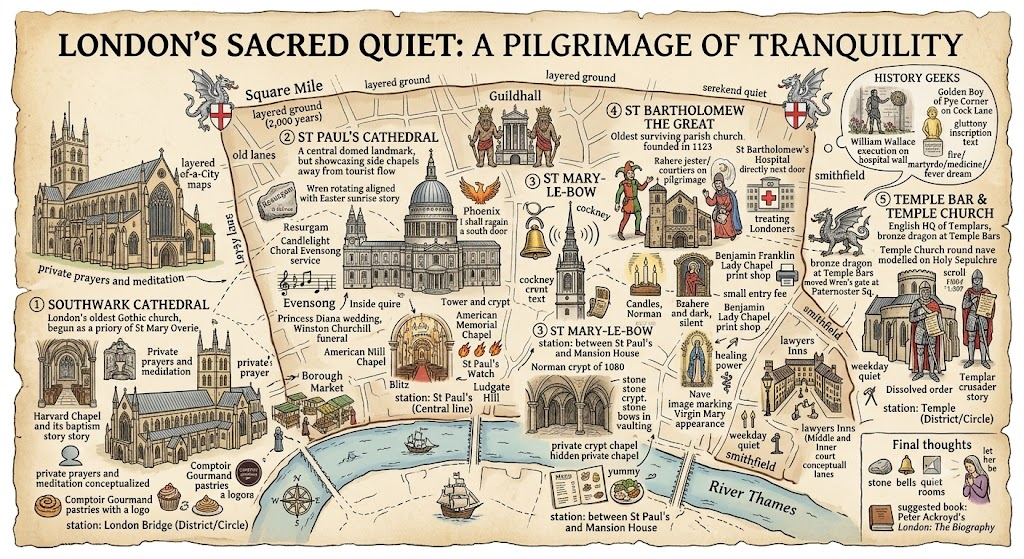
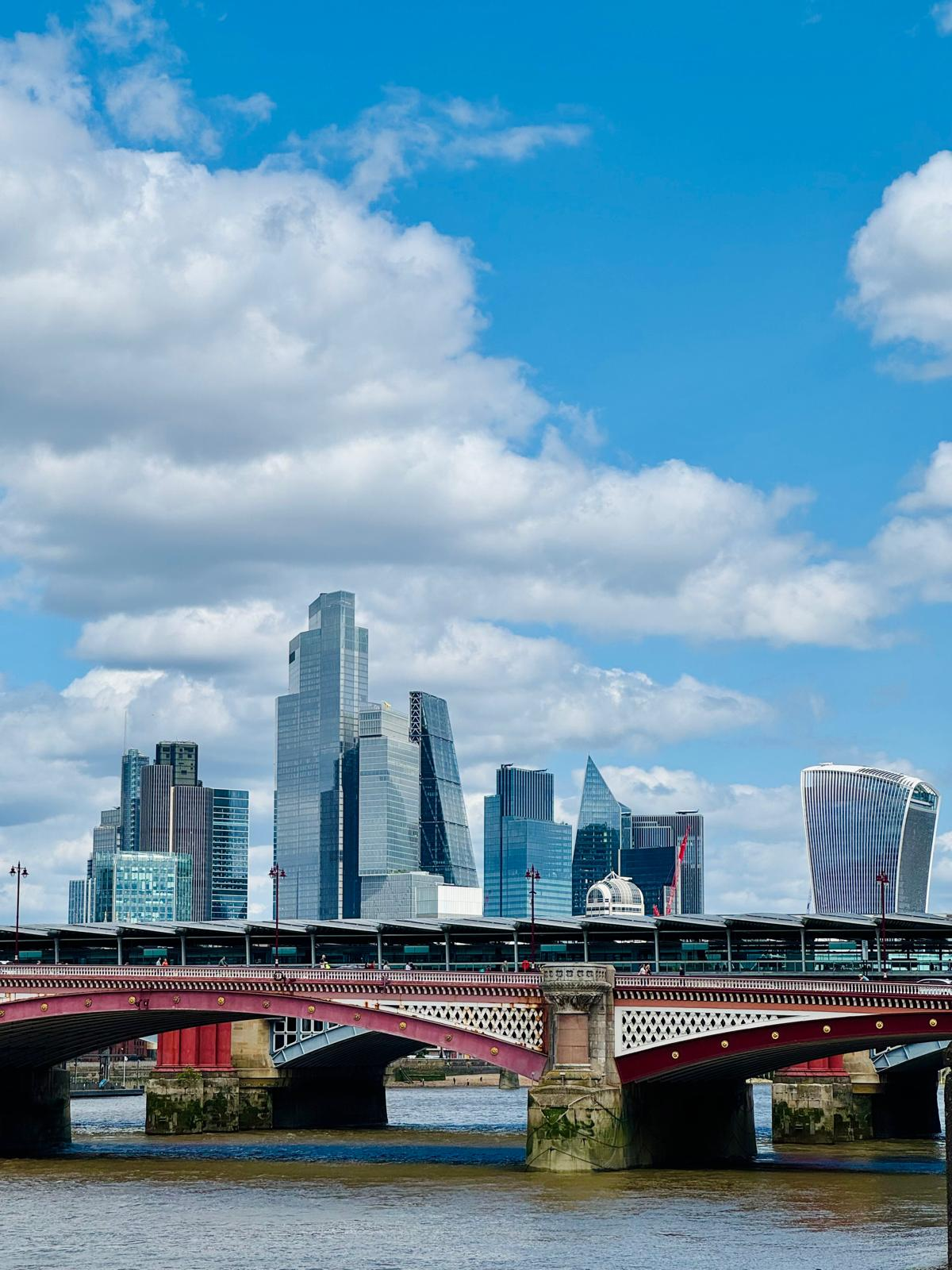
The City of London — the ancient Roman-walled core of the capital, measuring almost exactly one square mile — is the oldest part of London and, on weekends, its quietest. The bankers go home, and what remains is nearly two thousand years of layered ground: Roman walls, medieval lanes, Wren steeples. This place has been my home for nearly 8 years.
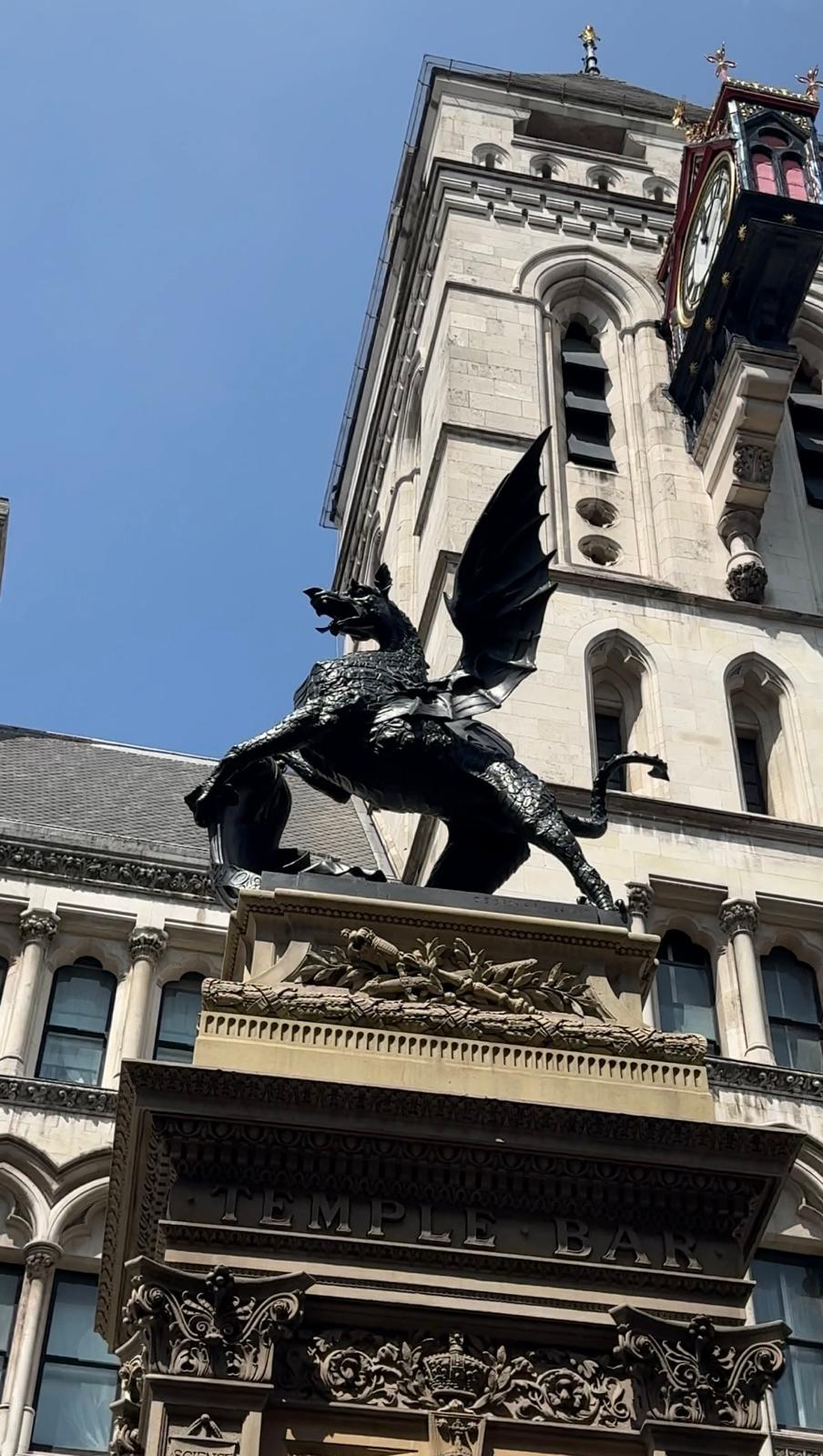
The confusion of names has a good historical reason: London grew by swallowing everything around it — Westminster, Southwark, hundreds of villages — but the City itself was never absorbed politically. It kept its own ancient corporation, its own Lord Mayor (different from the Mayor of London), even its own police force. So "London" became the name of the whole sprawl, while the City of London remains the tiny, self-governing original inside it — a mile of ground with two thousand years of memory. Which is exactly why the dragons stand guard at its borders: at every boundary road, a silver dragon holds the City's shield — the red cross of St George — modelled on the great dragons of Temple Bar. Officially they are boundary markers. Unofficially, Londoners have always preferred the older story: that the dragons are guardians, and the City keeps its own counsel about what exactly they guard. At Guildhall, the giants Gog and Magog — the City's legendary founders-turned-protectors — have been carried in the Lord Mayor's procession for centuries.
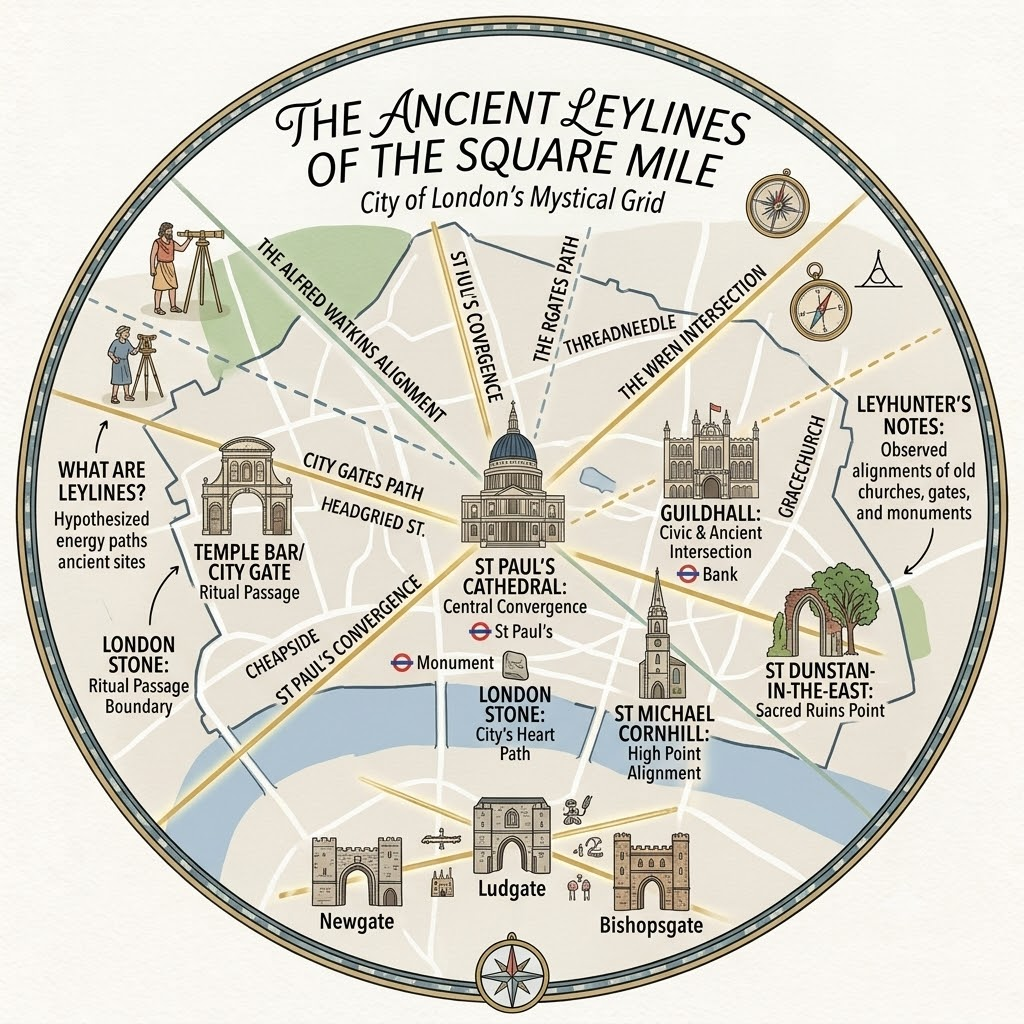
And then there are the lines no map shows. Since Alfred Watkins coined "ley lines" in the 1920s, ley hunters have traced alignments through the City's sacred sites — St Paul's, Southwark Cathedral, Temple Church, the London Stone. Science shrugs at this, and that's fine; I hold it lightly too. But stand alone in one of these buildings at a quiet hour and you understand why people keep drawing the lines. Some places simply hum.
II. Where I Would Take You
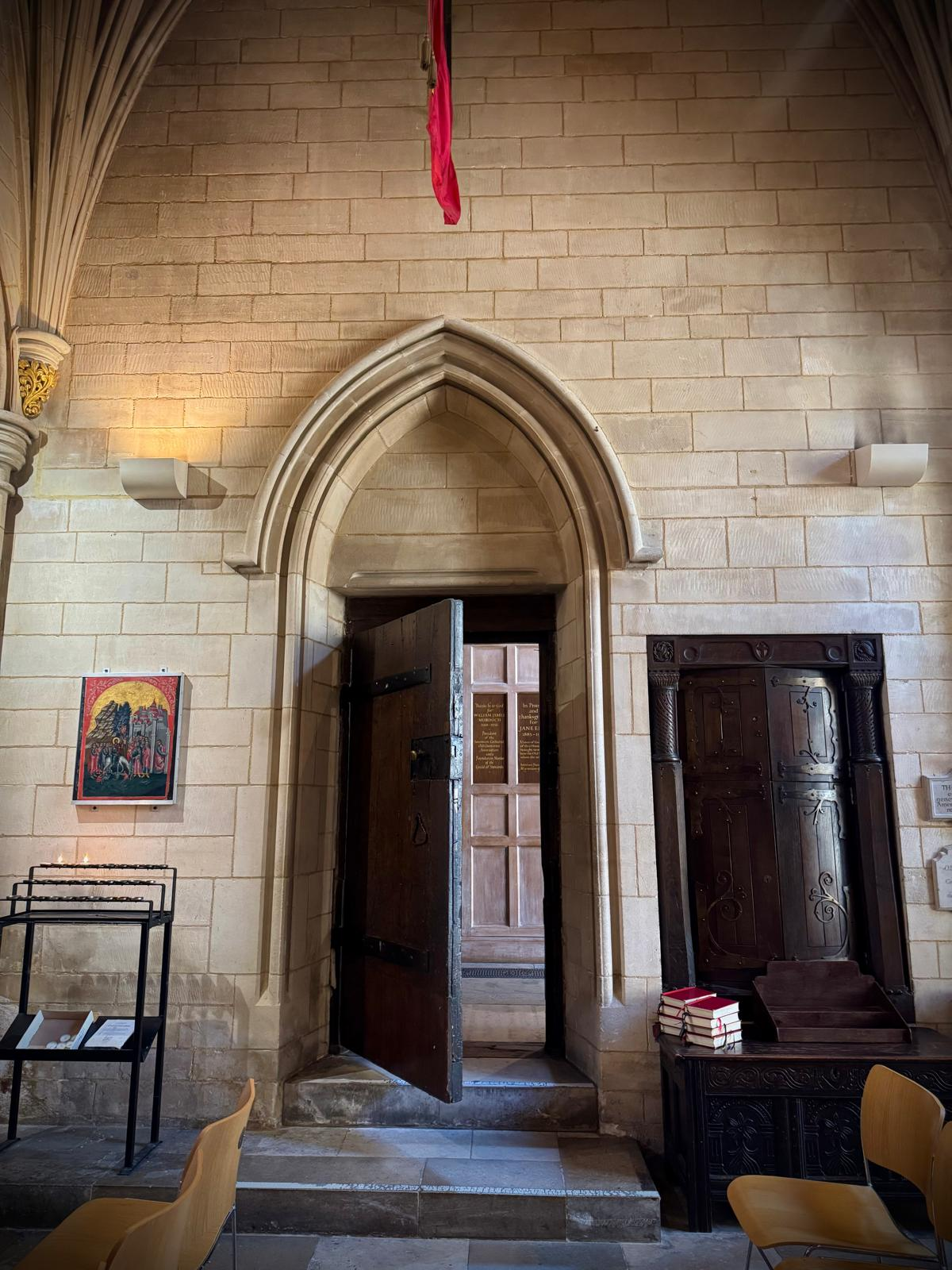
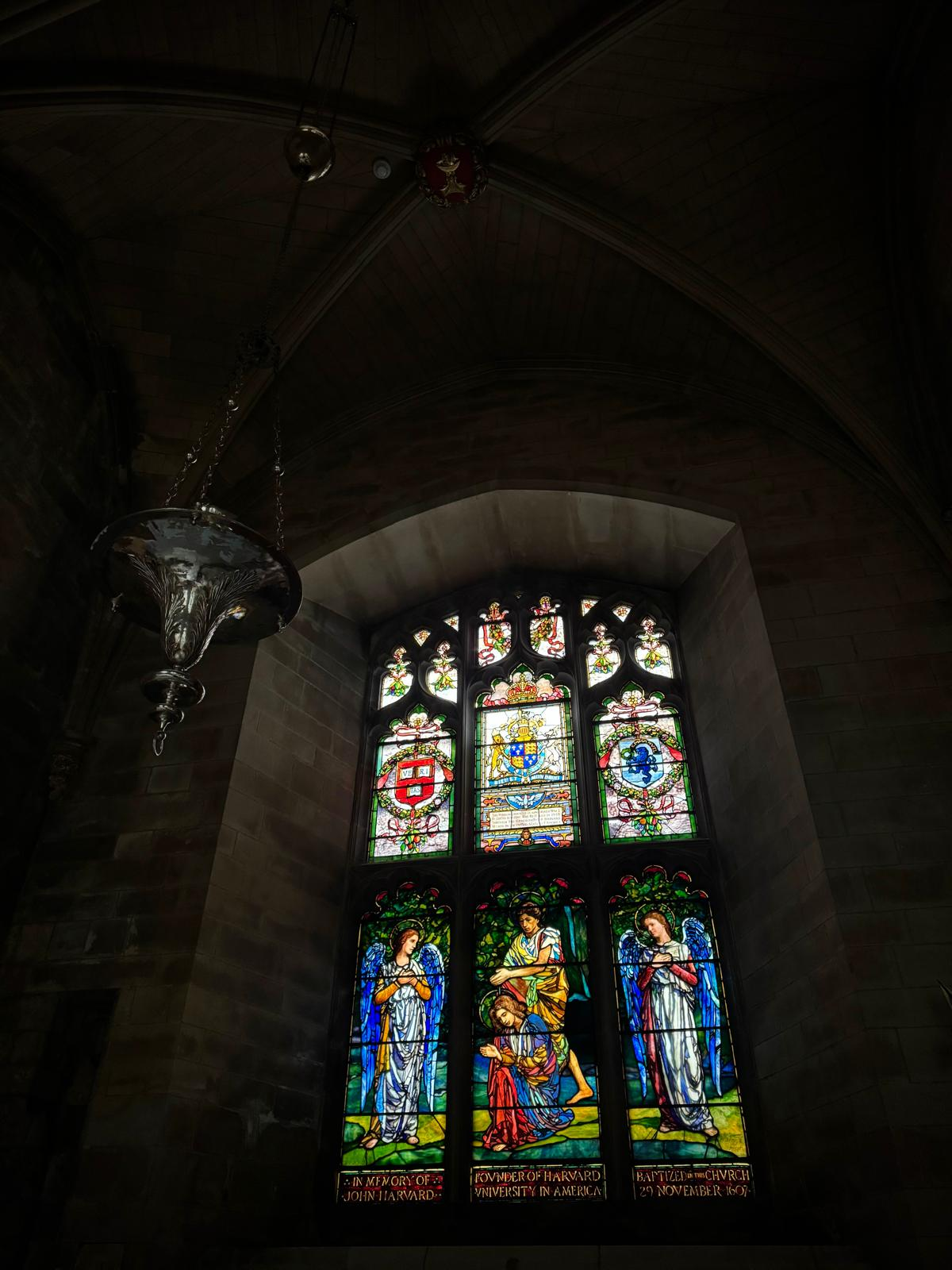
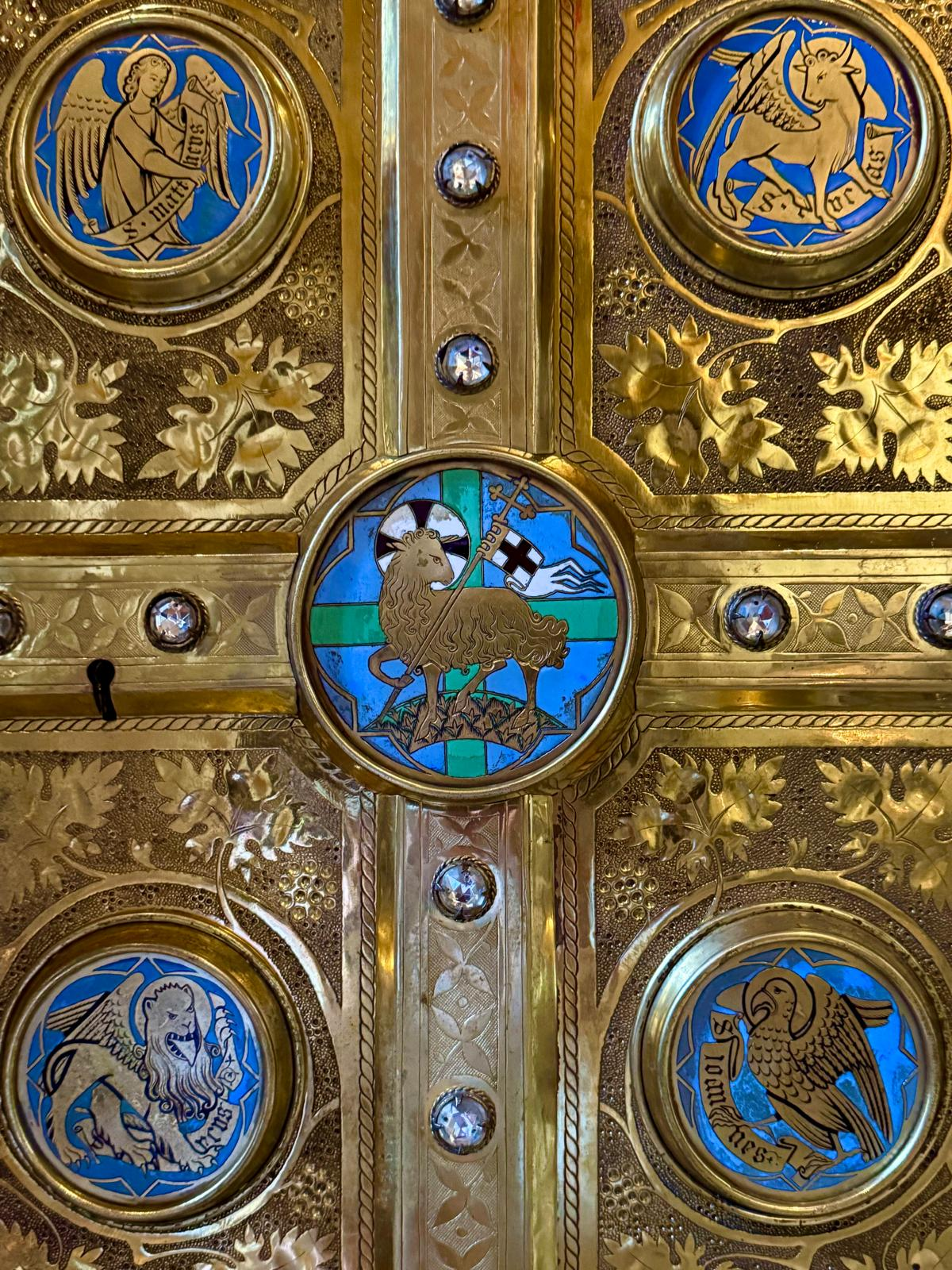
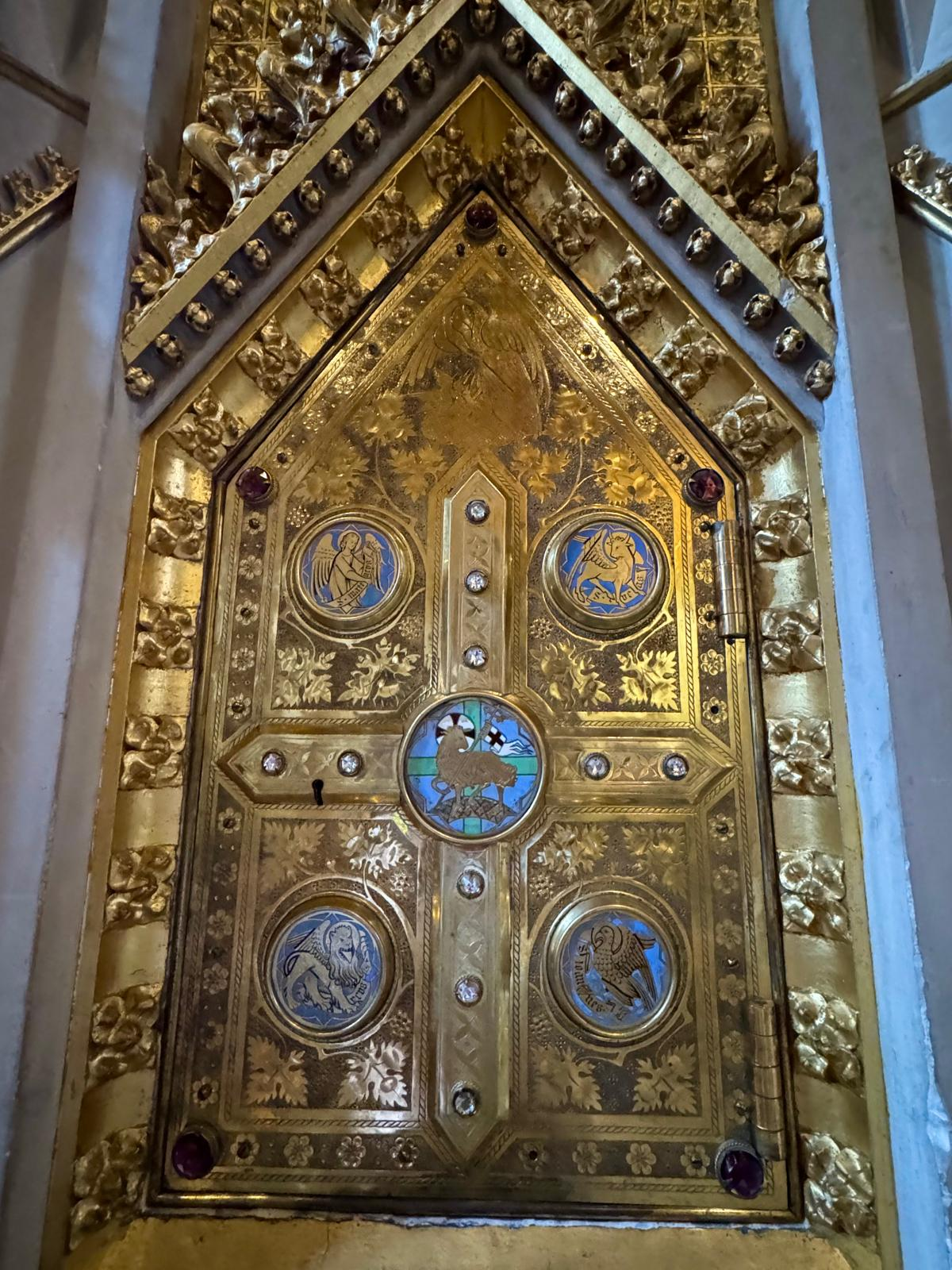
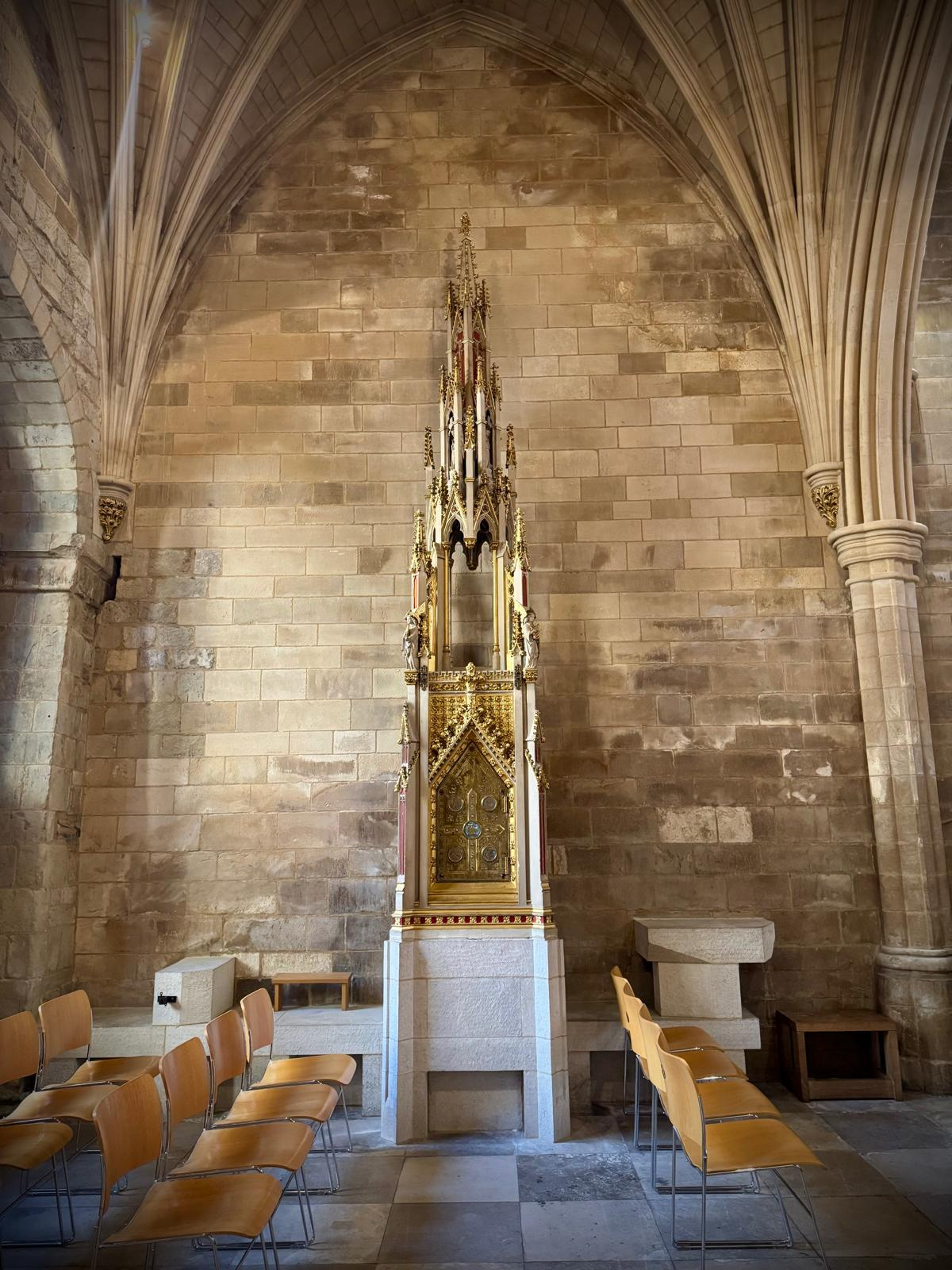
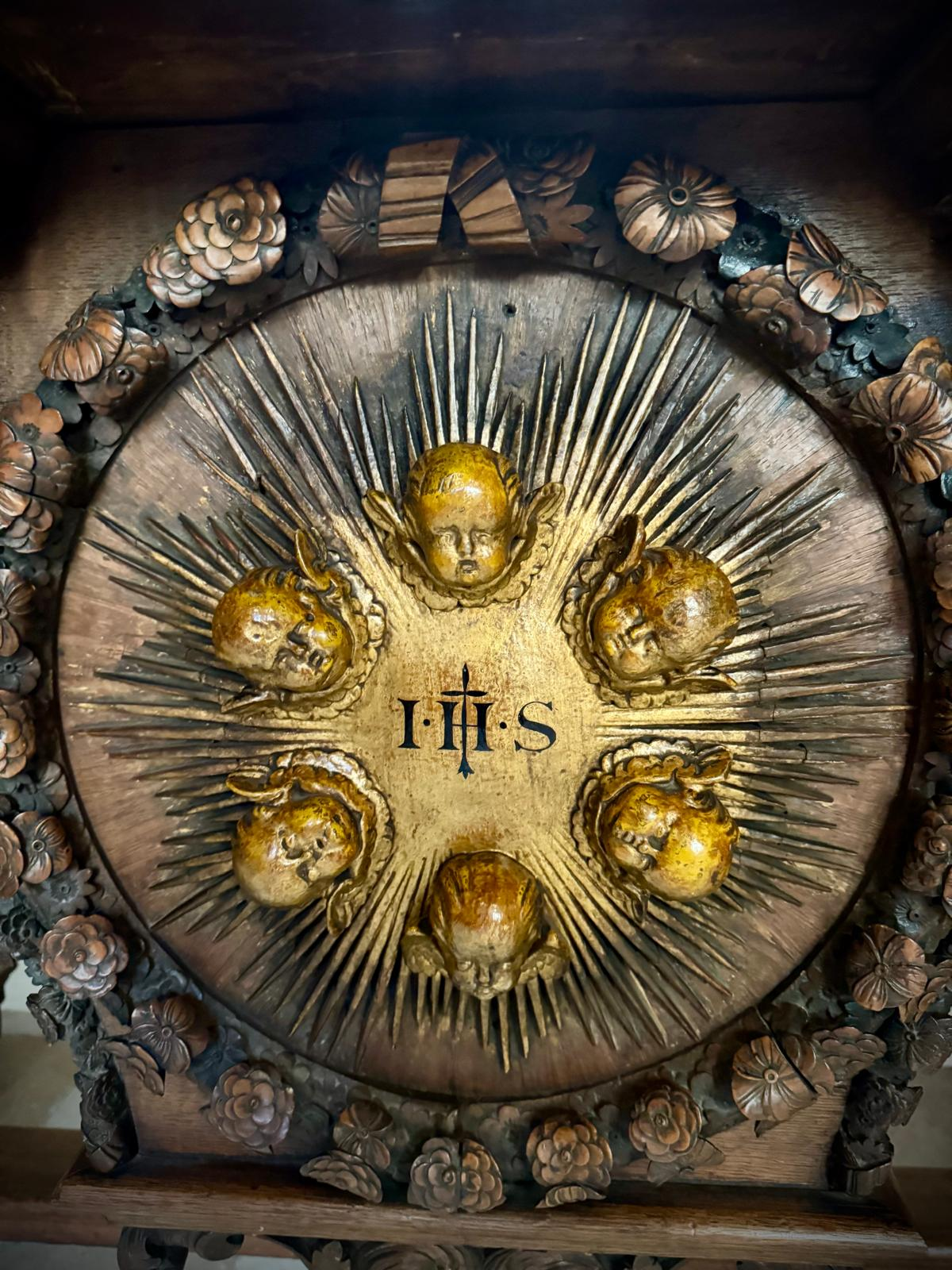
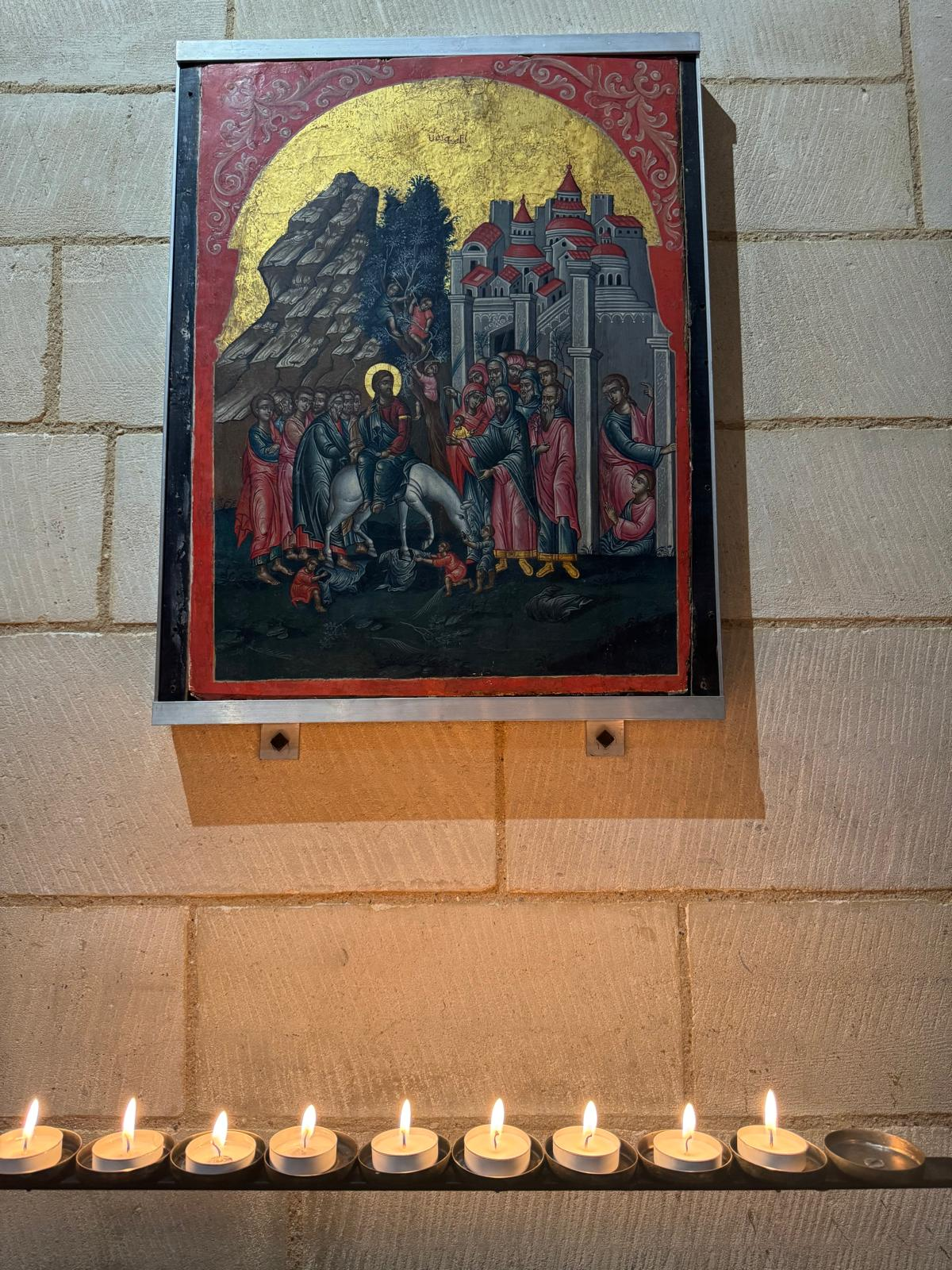
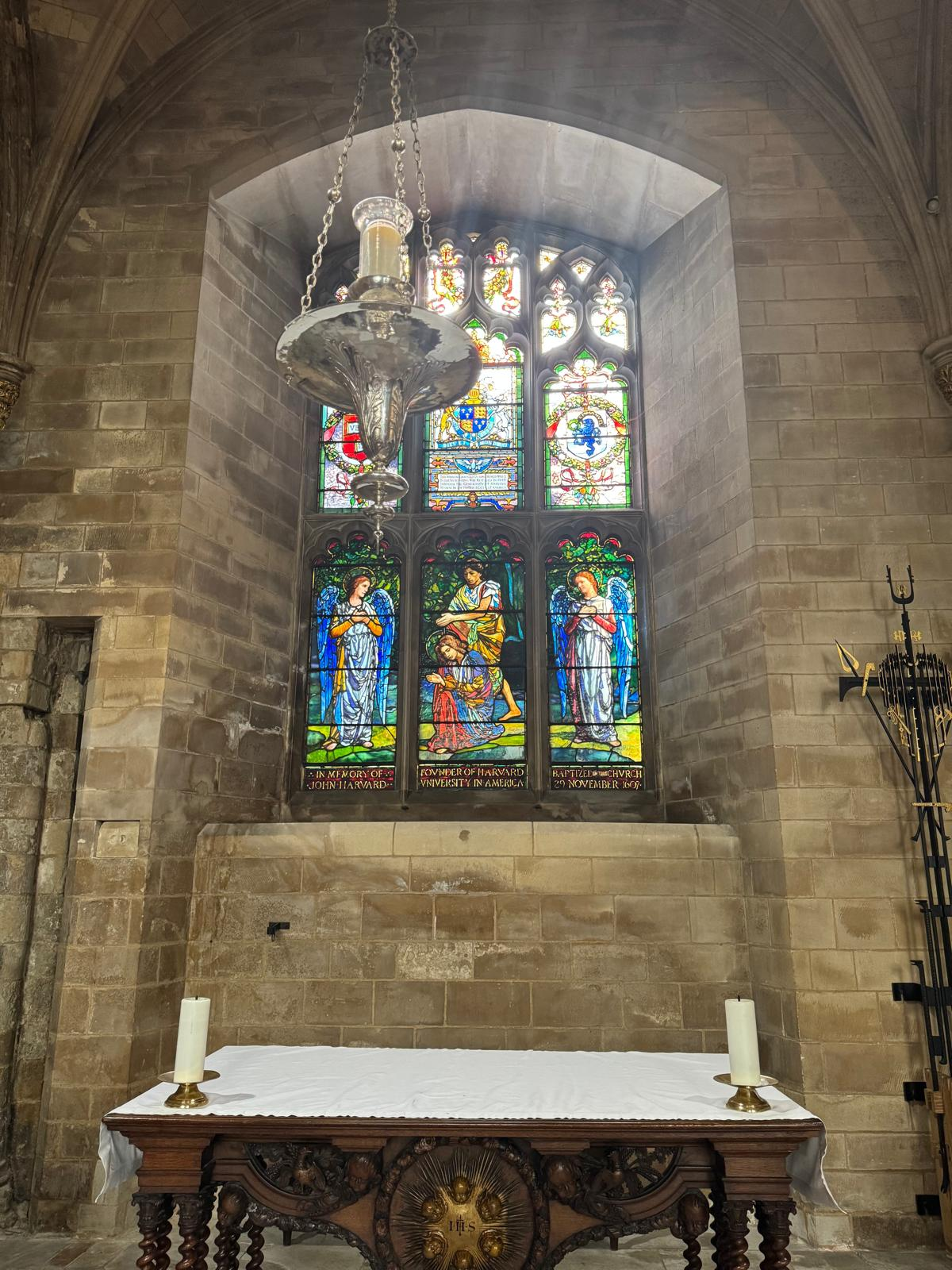
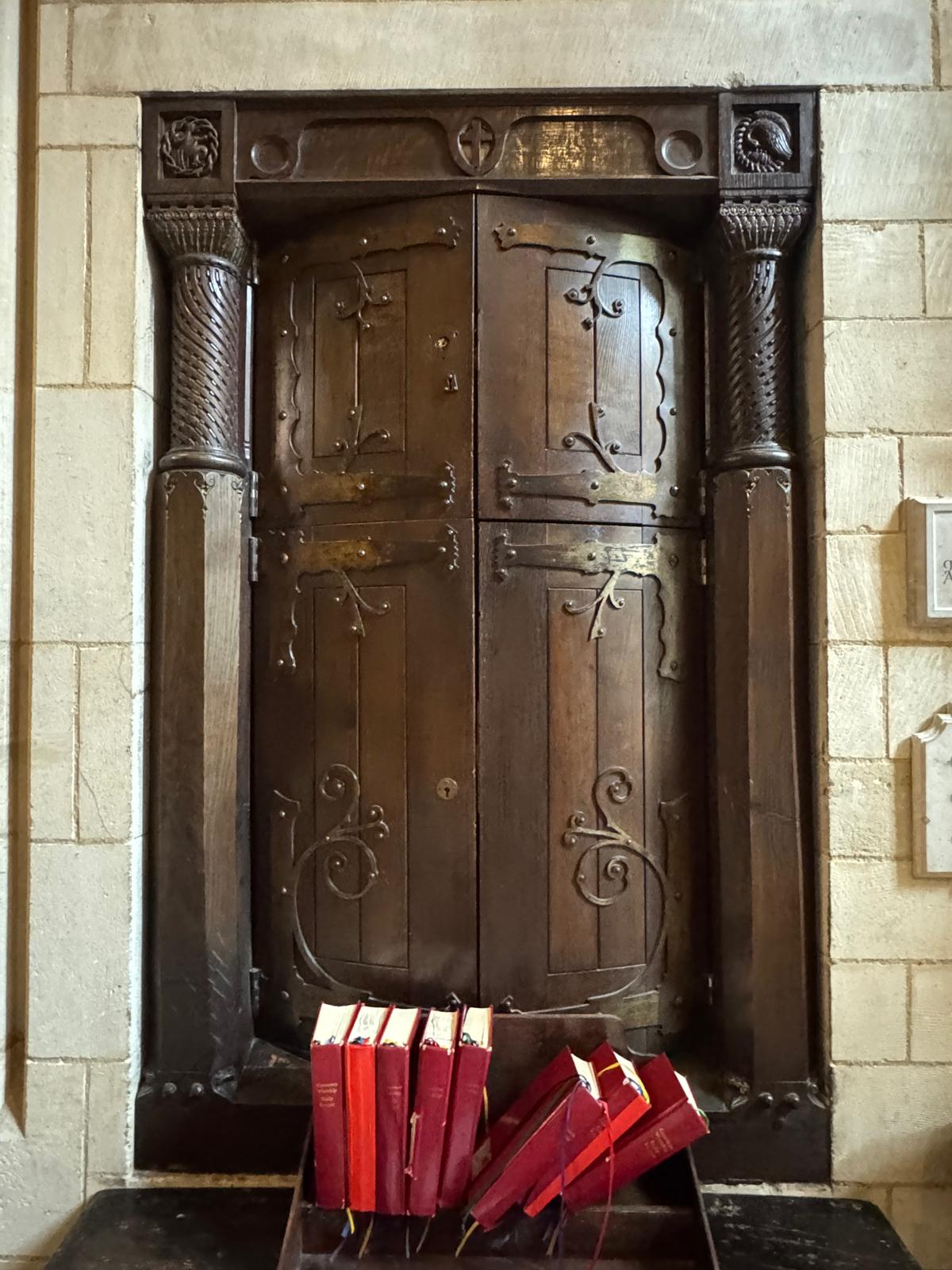
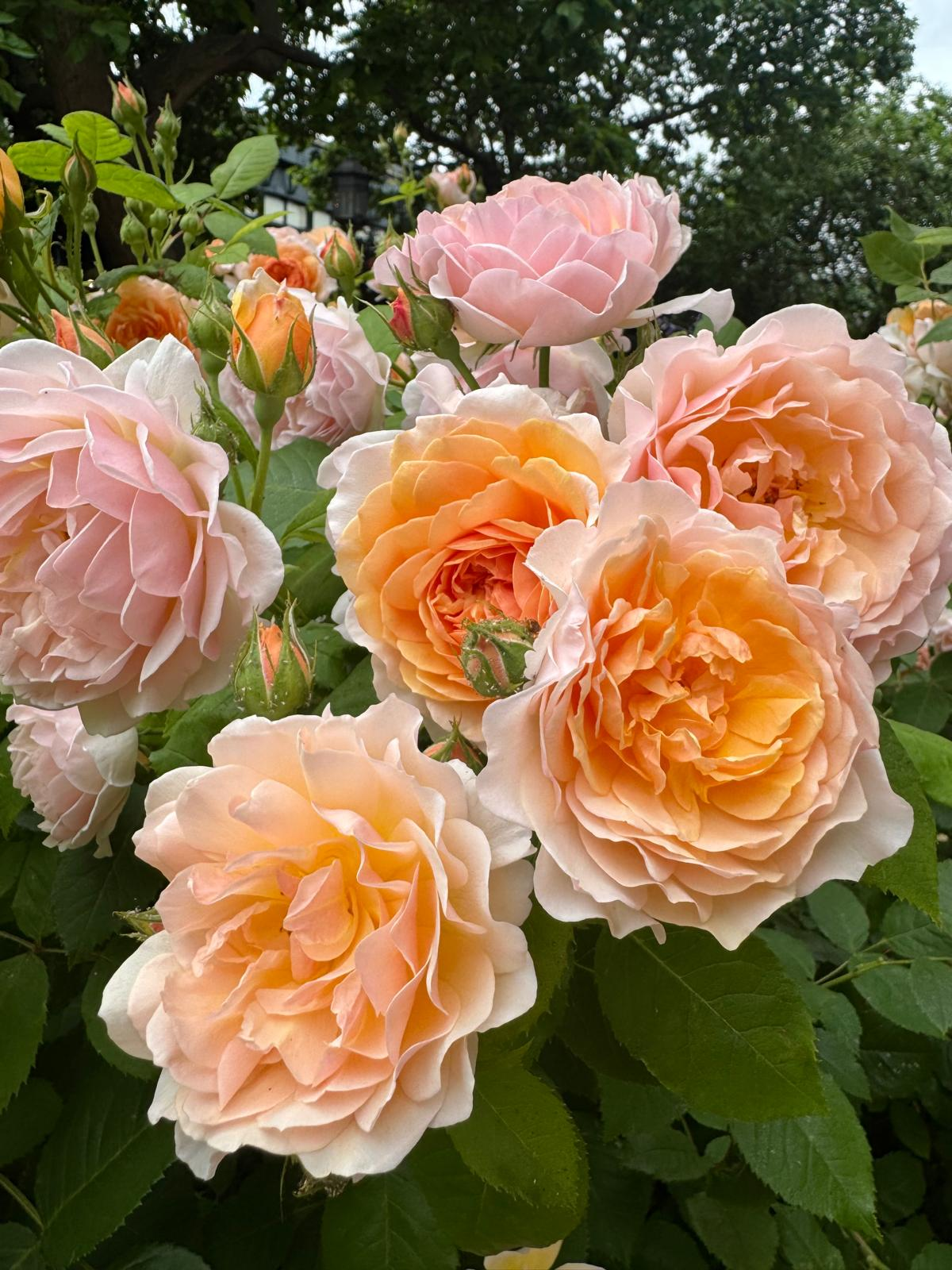
1) Southwark Cathedral — My new anchor, on the south bank by London Bridge. This is London's oldest Gothic church, begun as the priory of St Mary Overie ("over the river") and rebuilt after a fire in the 1210s, which makes parts of it older than Westminster Abbey's present nave. Shakespeare worshipped in this parish when the Globe stood minutes away; his brother Edmund is buried here, and John Harvard — yes, that Harvard — was baptised here in 1607 before crossing the Atlantic. The private chapel kept in his honour — the Harvard Chapel — is my favourite place in the building, and if luck would have it, you might catch a glimpse of me there. The cathedral sits beside Borough Market, which means the holiest trick in London: market bustle on one side of the wall, medieval stillness on the other. They also keep an amazing selection of foods and baked goods from Comptoir Gourmand. I treat myself from time to time, after some prayers and meditation. Hodge the cat is the cathedral's famous mascot — technically, he owns the place. If you are lucky, he will let you stroke him.
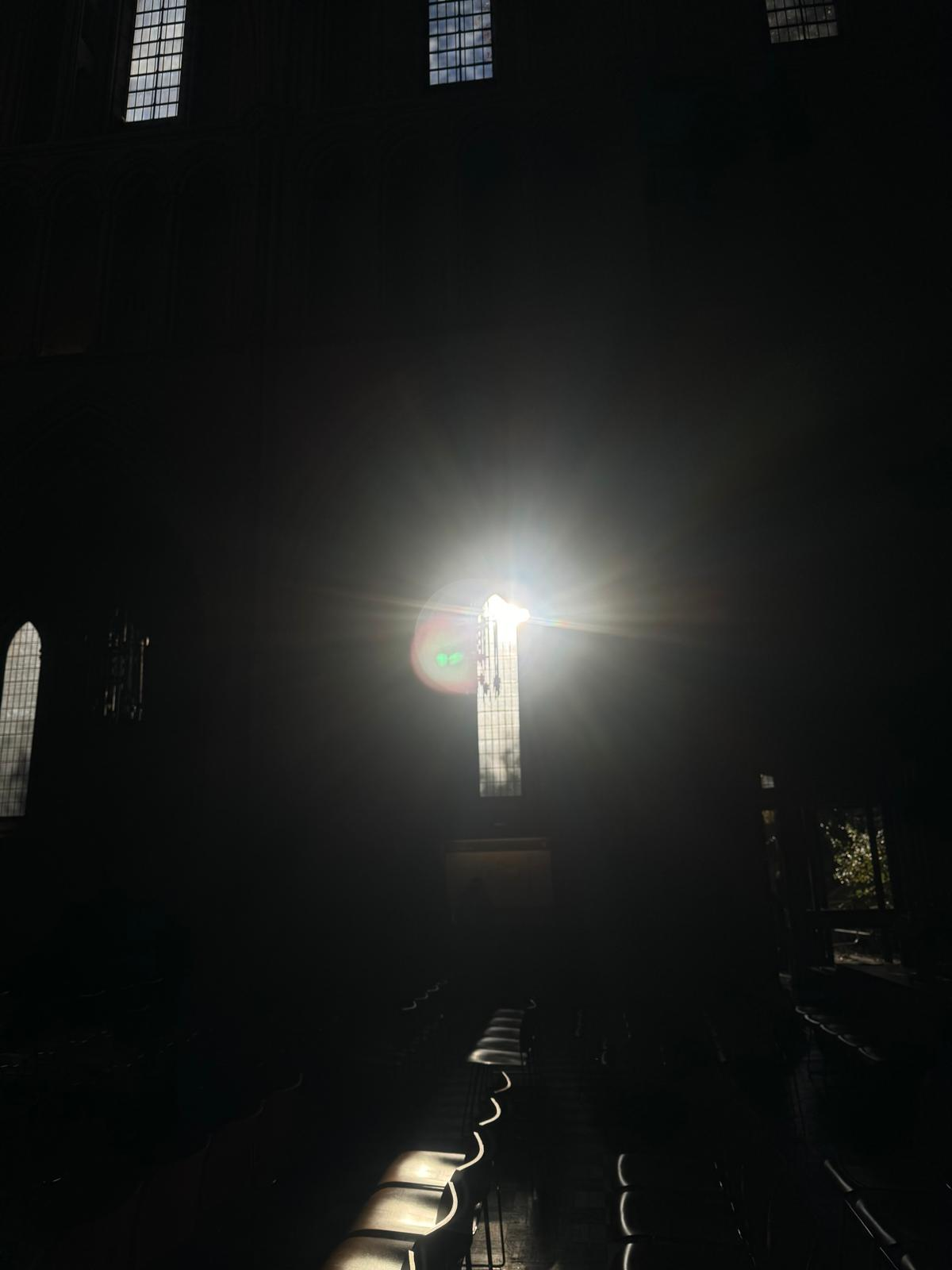
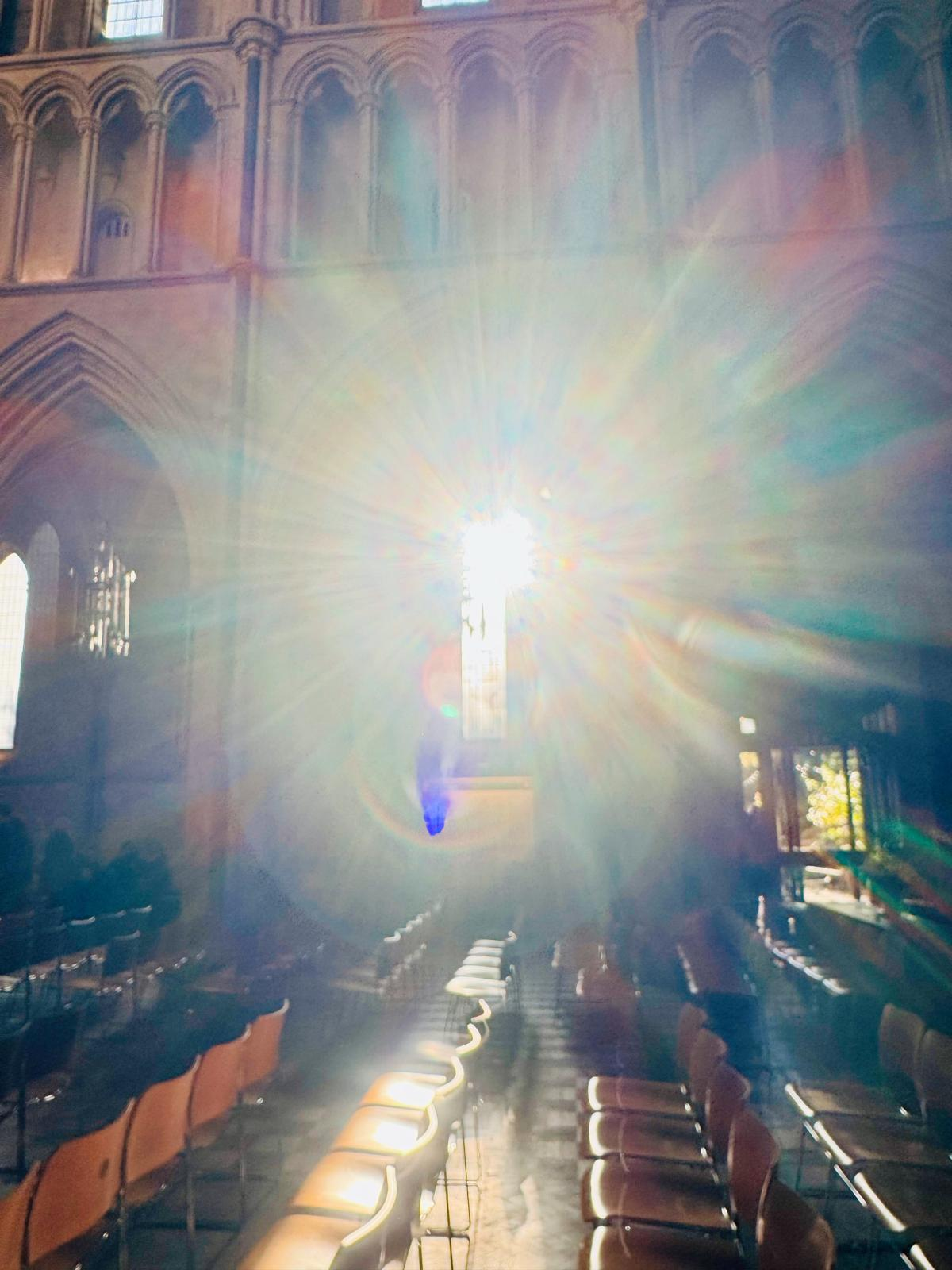
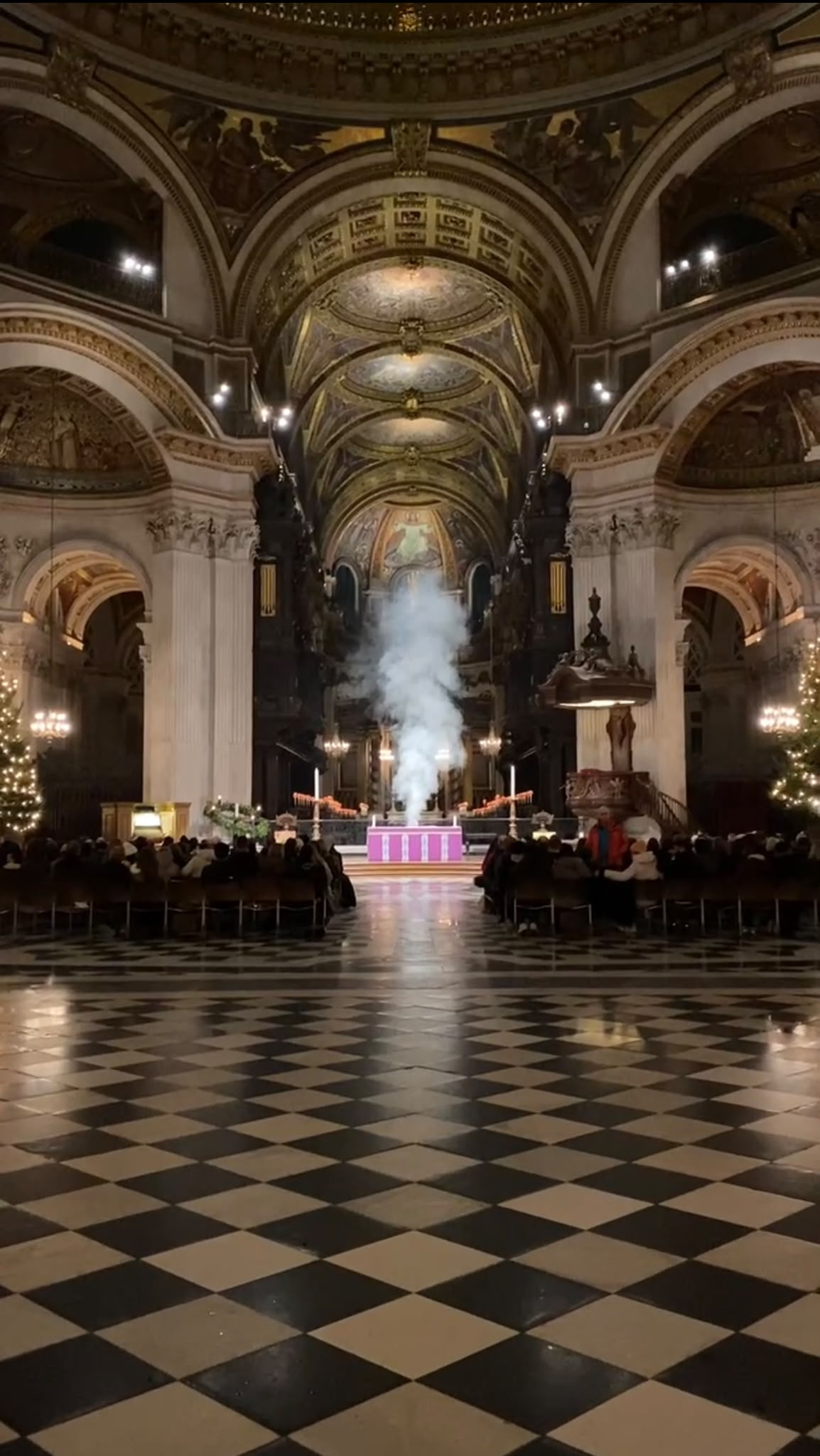
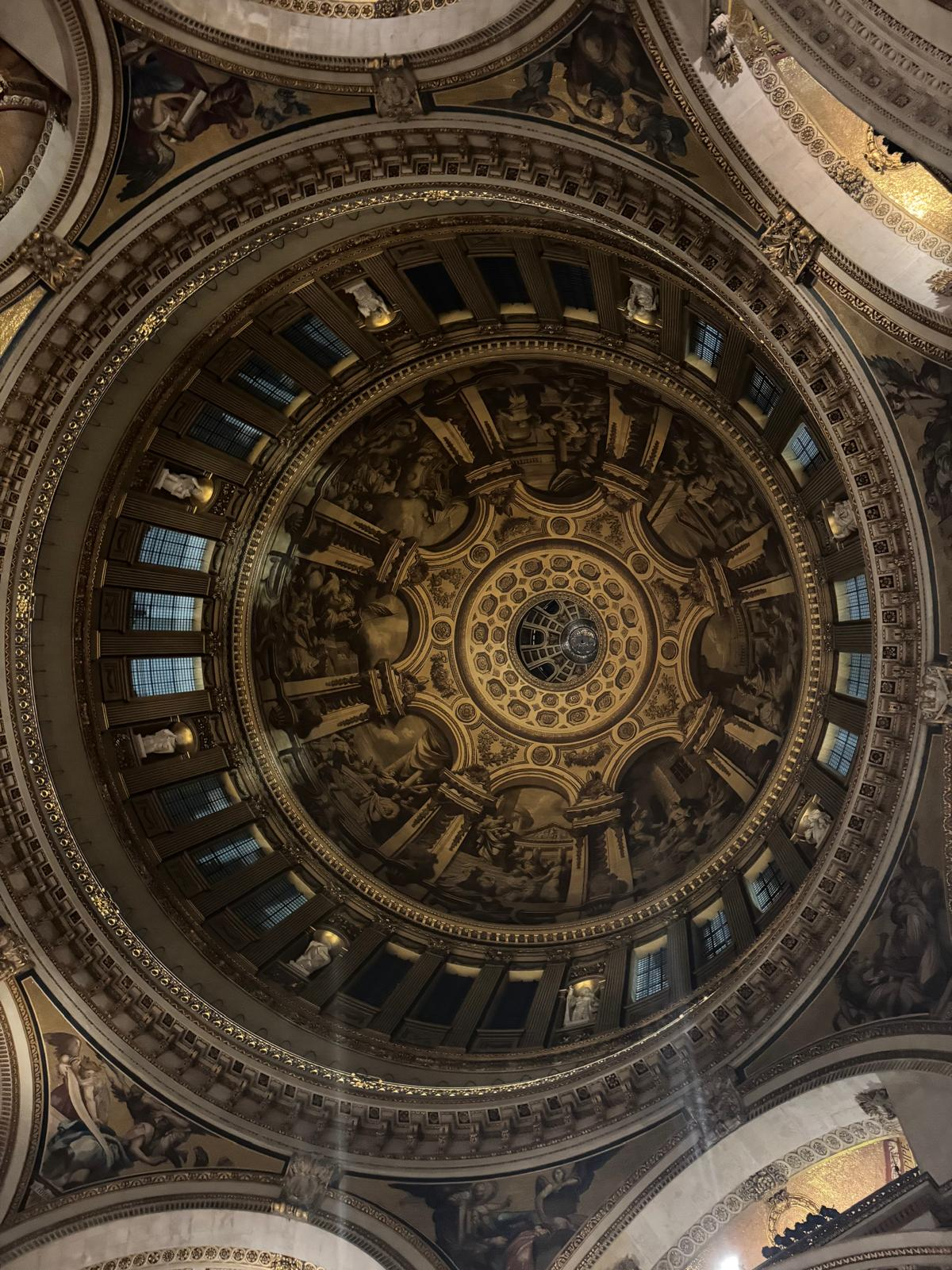
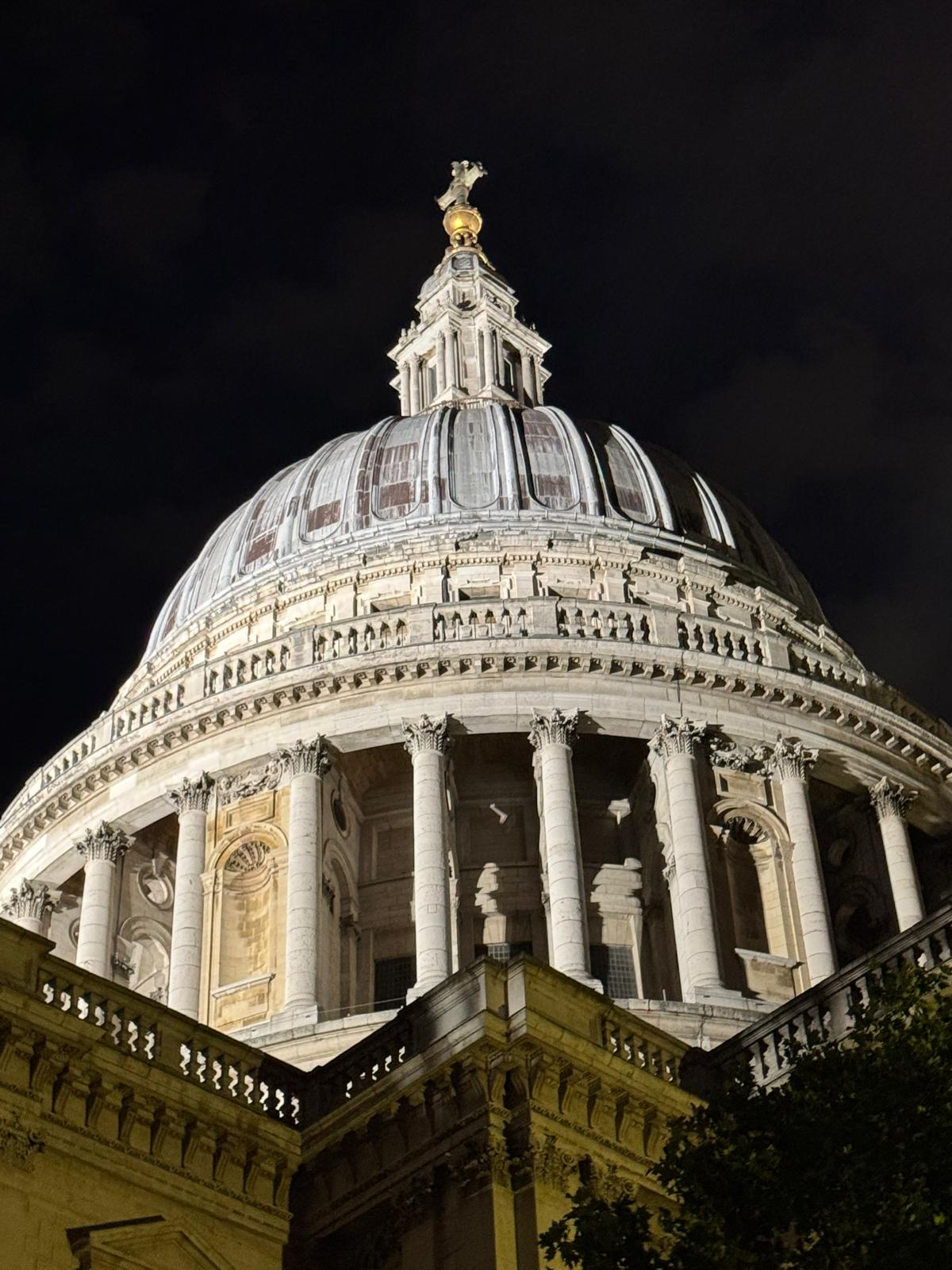
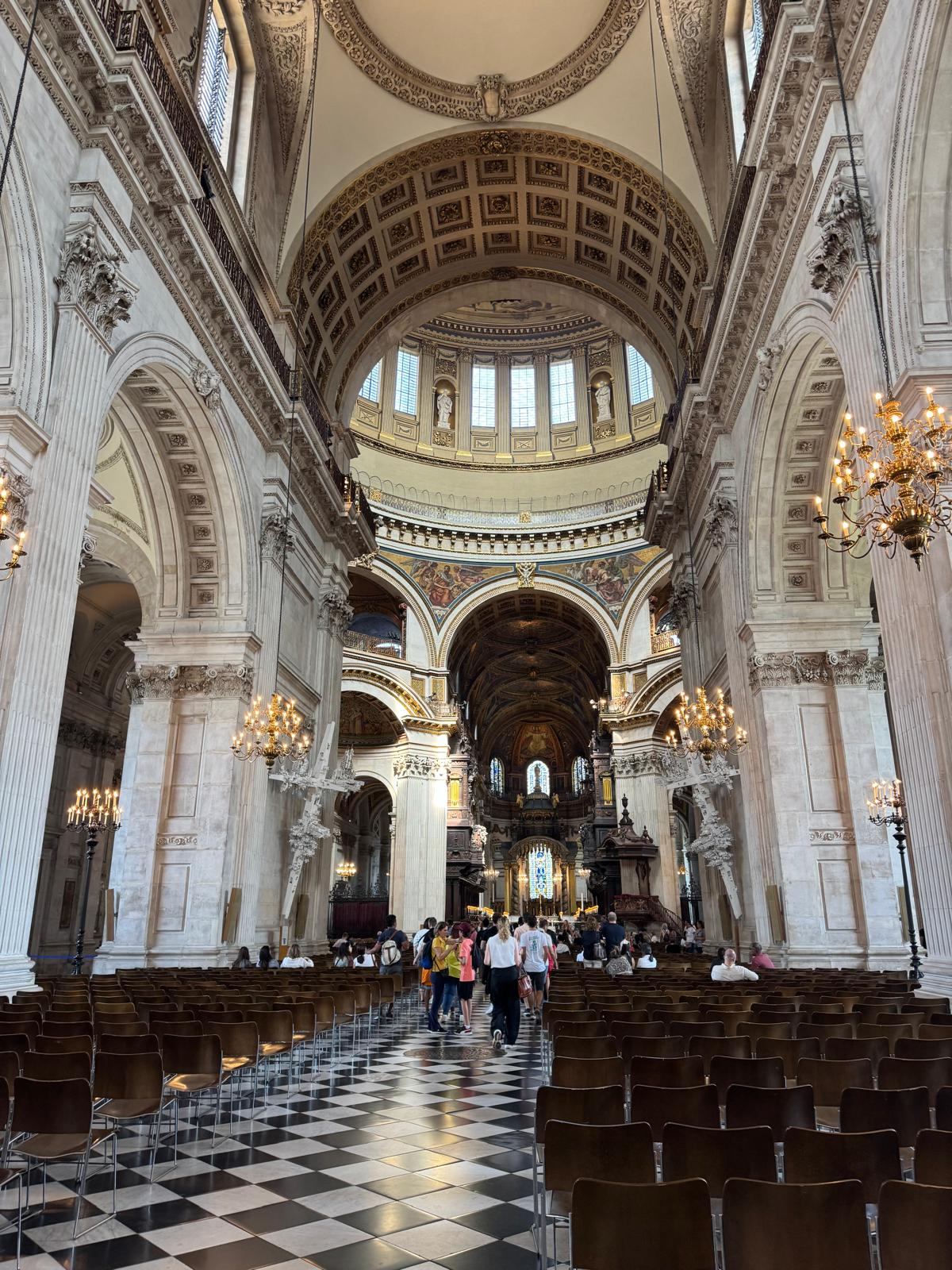
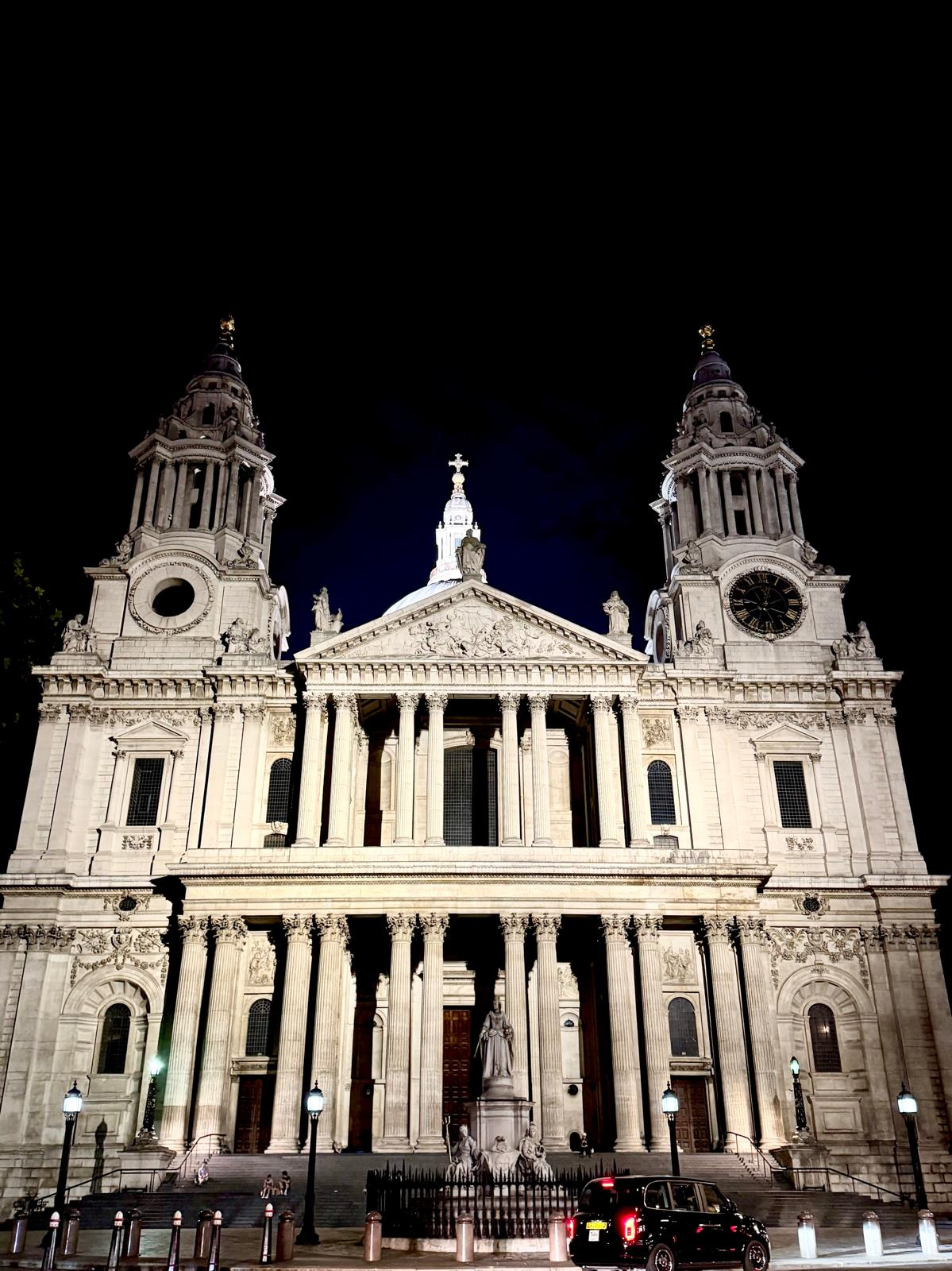
2) St Paul's Cathedral — The famous one, and I've been going here regulalry for 9 years. MAJESTIC! is the right word to describe this place. But, it is too big, too touristy, and too fleeting to have a real sense of community and settlement. But I still go — to pray in the quiet side chapels, away from the flow. There has been a cathedral to St Paul on Ludgate Hill — the City's highest point — since AD 604, and Wren's masterpiece, completed in 1710 after the Great Fire, holds one secret: Wren rotated the entire building on its site, aligning it not with true east but with the sunrise on Easter morning of the year construction began. When workmen brought him a stone to mark the centre of the dome, it turned out to be a fragment of old gravestone carrying a single word: Resurgam — "I shall rise again." He had a phoenix carved above the south door with that word beneath it. Take the guided tour — it earns its time, taking you down into the crypt and up the tower. And go to Choral Evensong: it is free, and if you arrive early enough to queue, you can sit inside the quire itself and attend the service from within, under the dome, in candlelight and music. You will be sitting in the church where Princess Diana was married and where Winston Churchill's funeral was held — and behind the high altar, the American Memorial Chapel honours the Americans who gave their lives while serving alongside Britain in the Second World War, rebuilt from Blitz damage as a deliberate act of gratitude. During the war, volunteer fire-watchers — the St Paul's Watch — slept in the cathedral to save it, and it rose out of the smoke in the most famous photograph of wartime London.
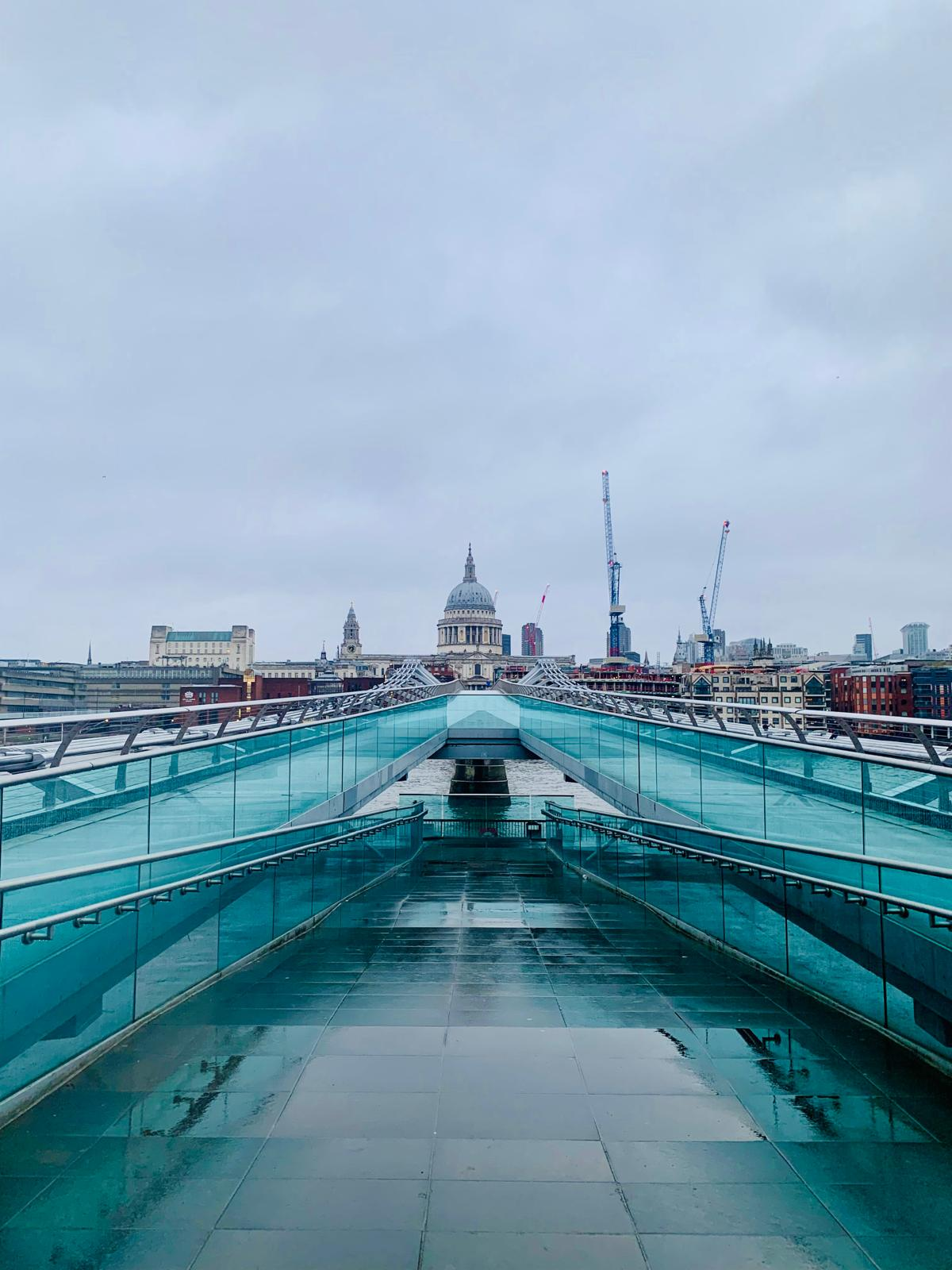
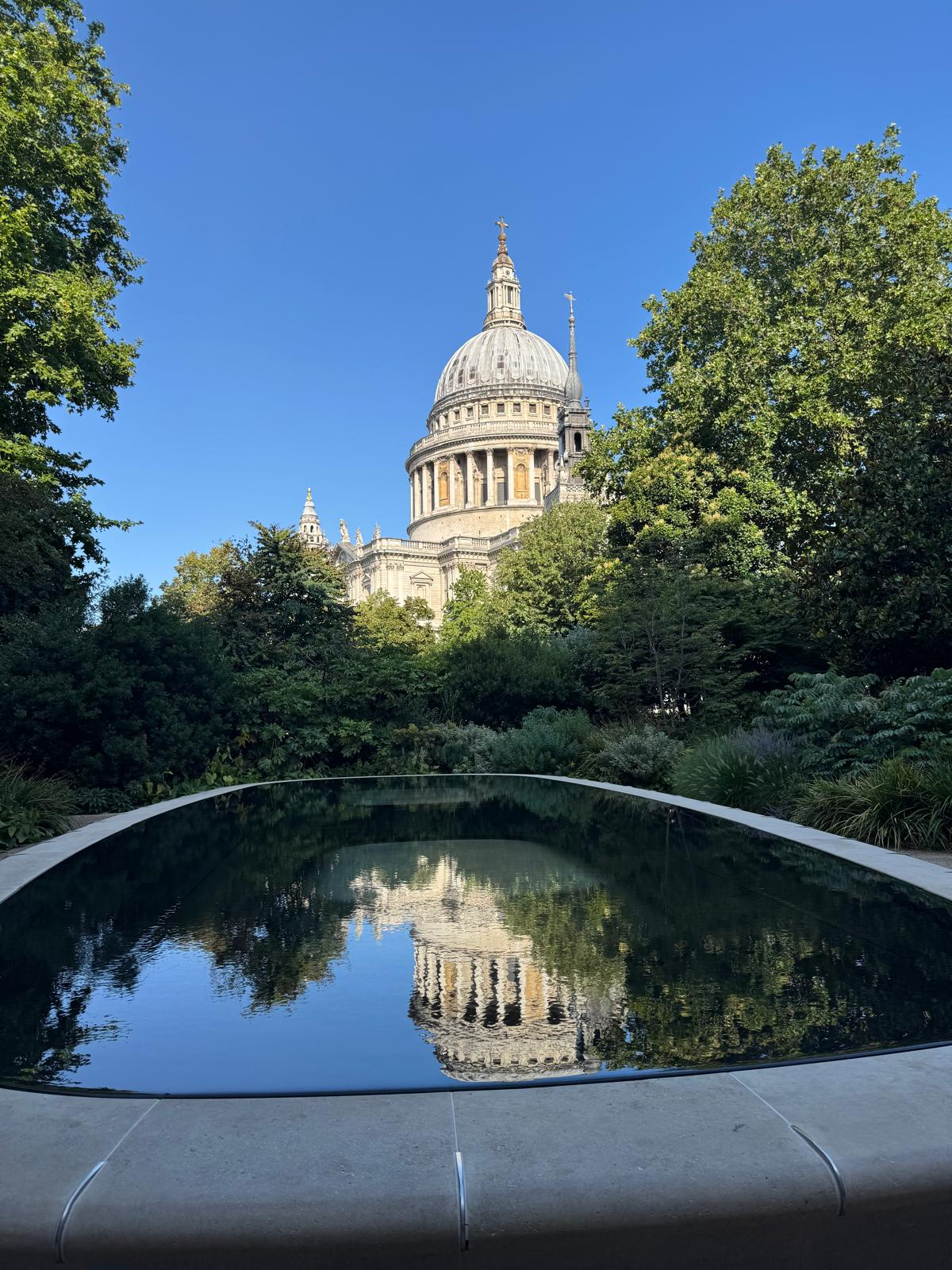
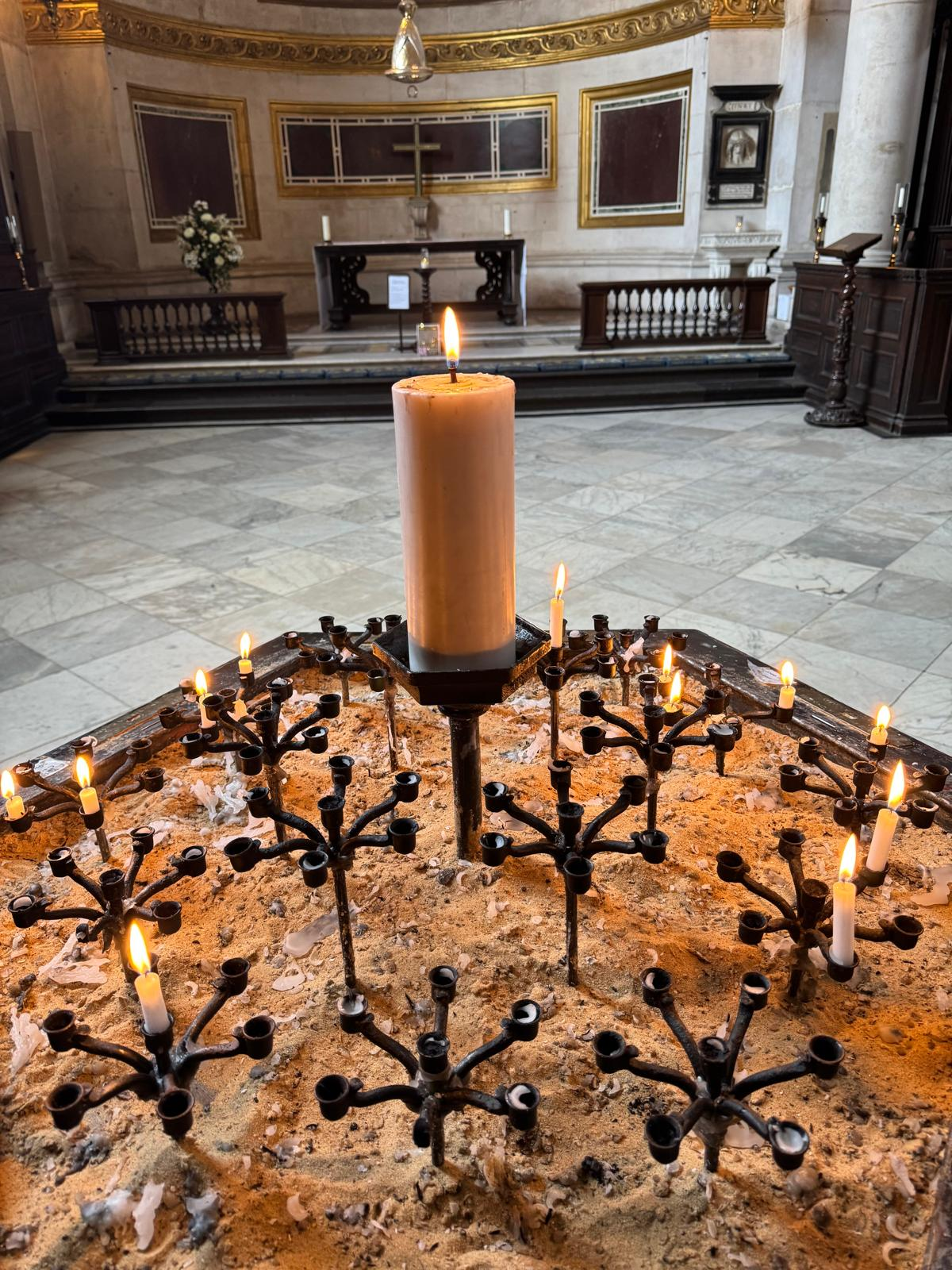
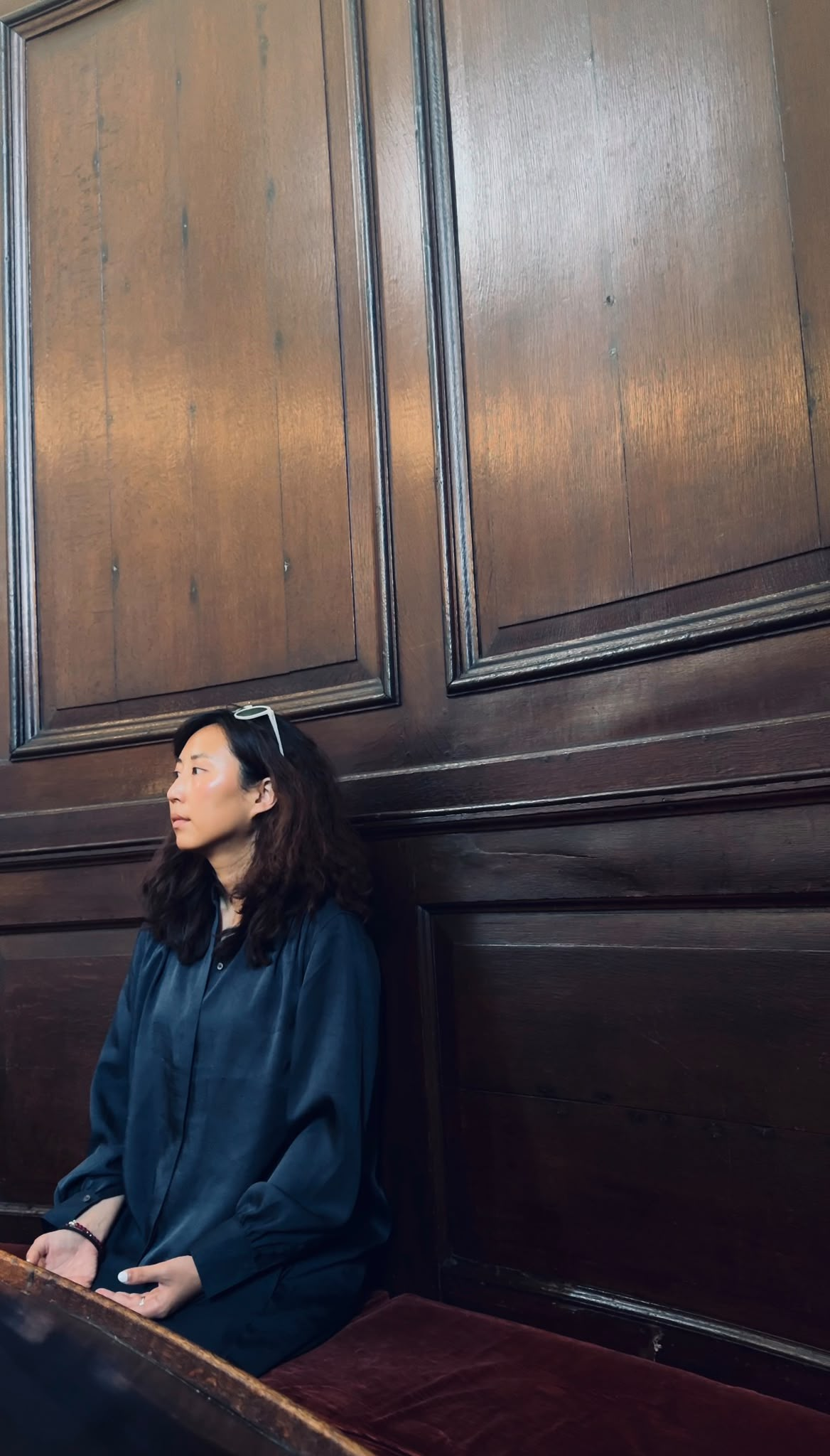
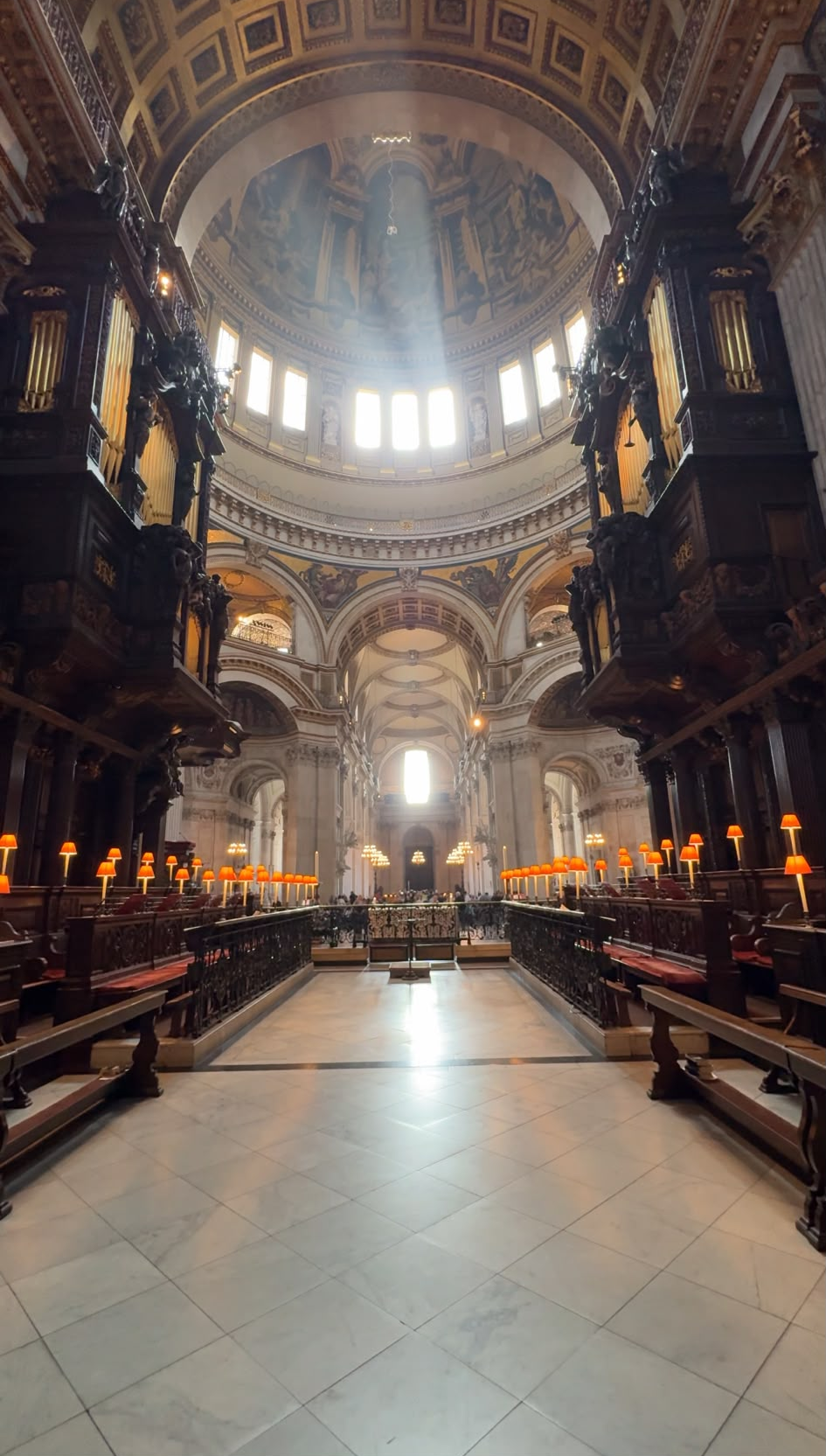
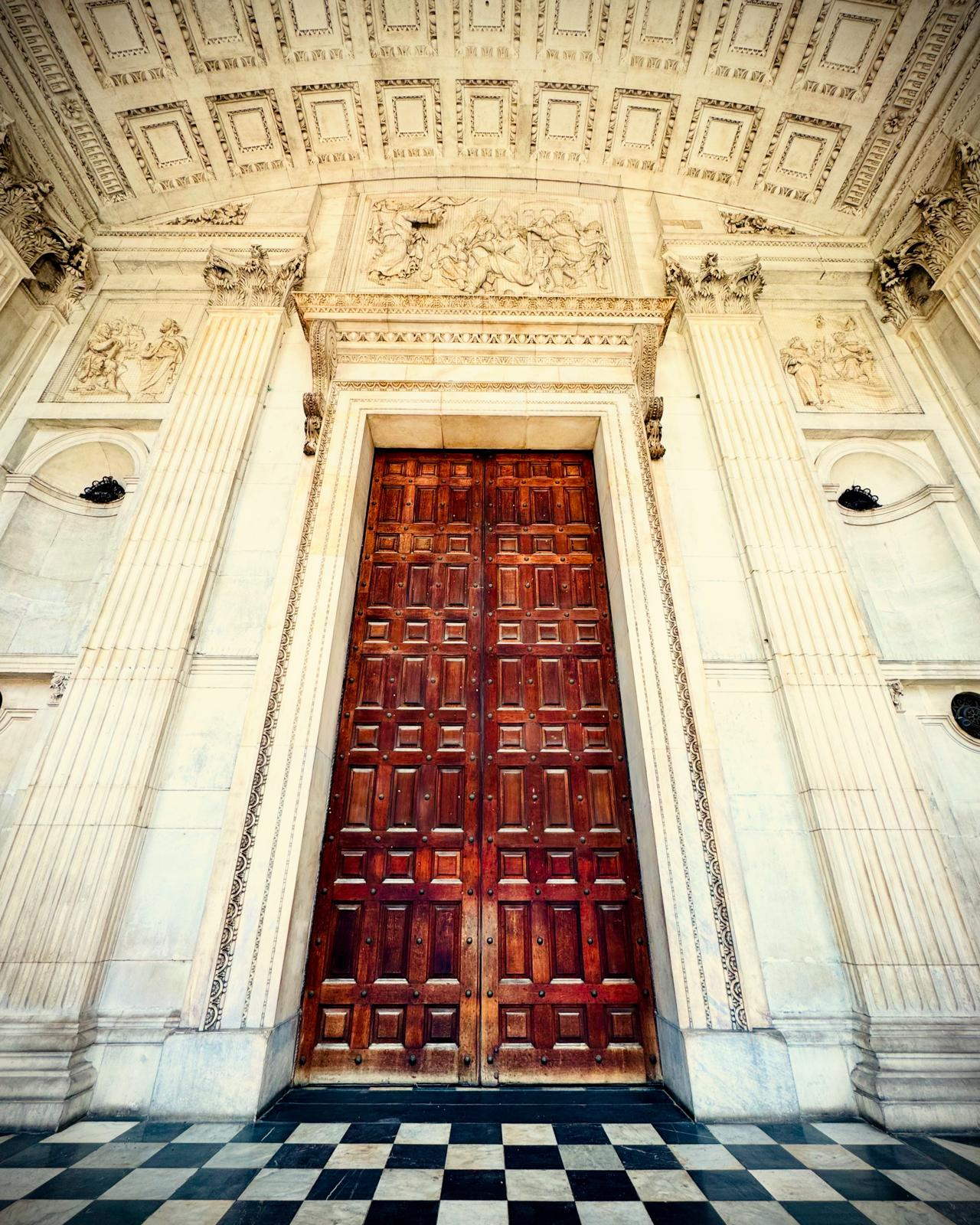
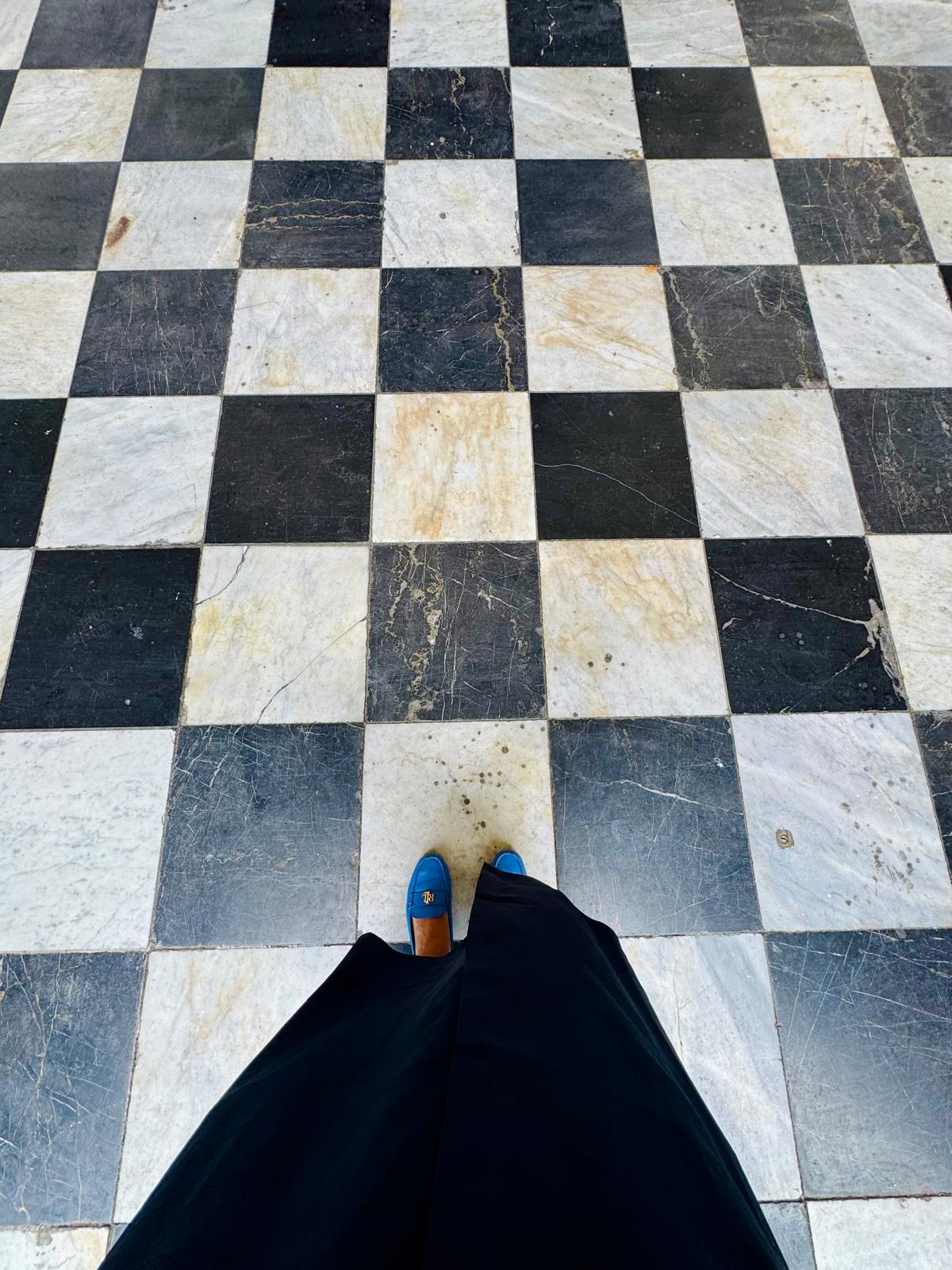
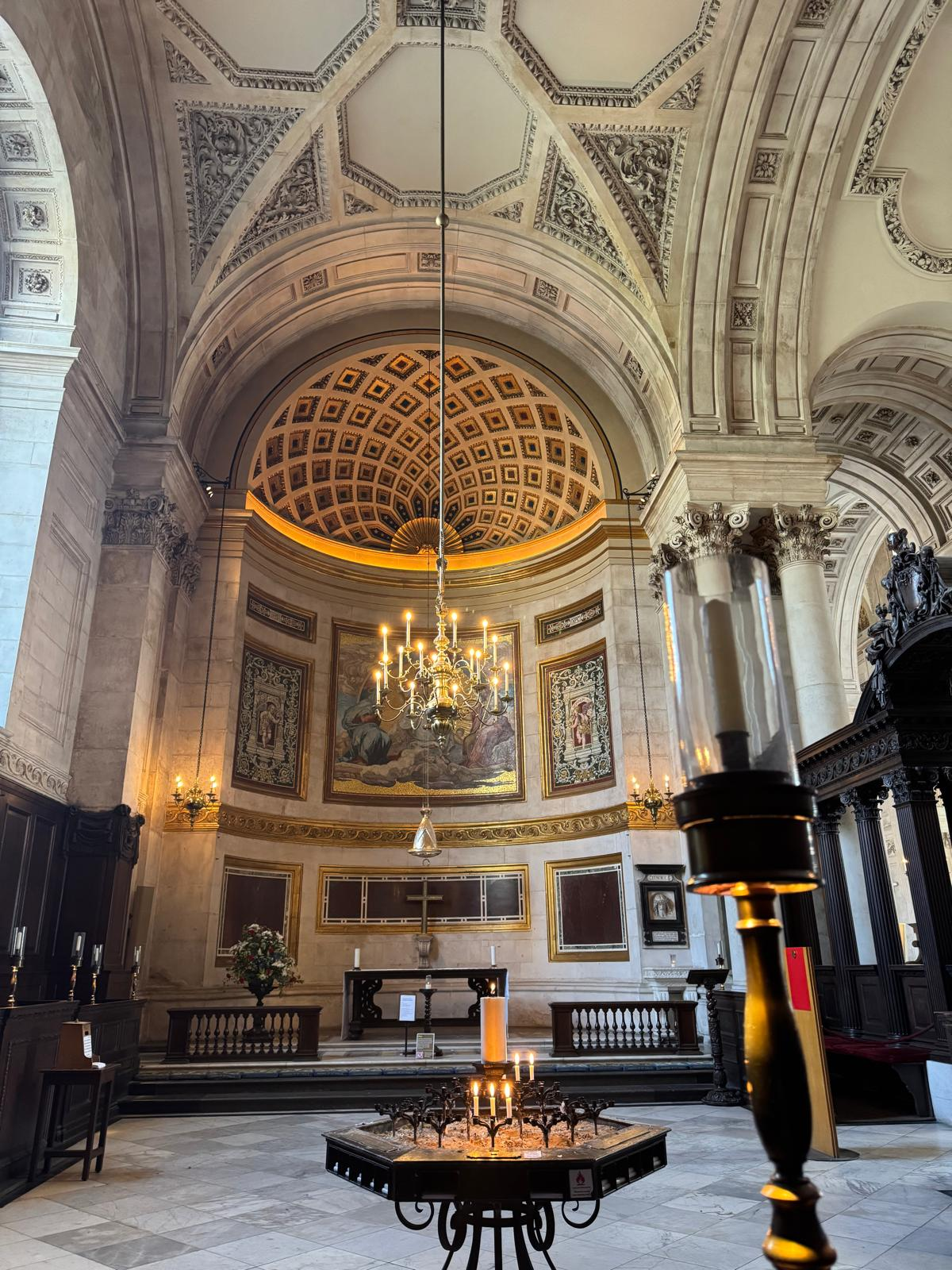
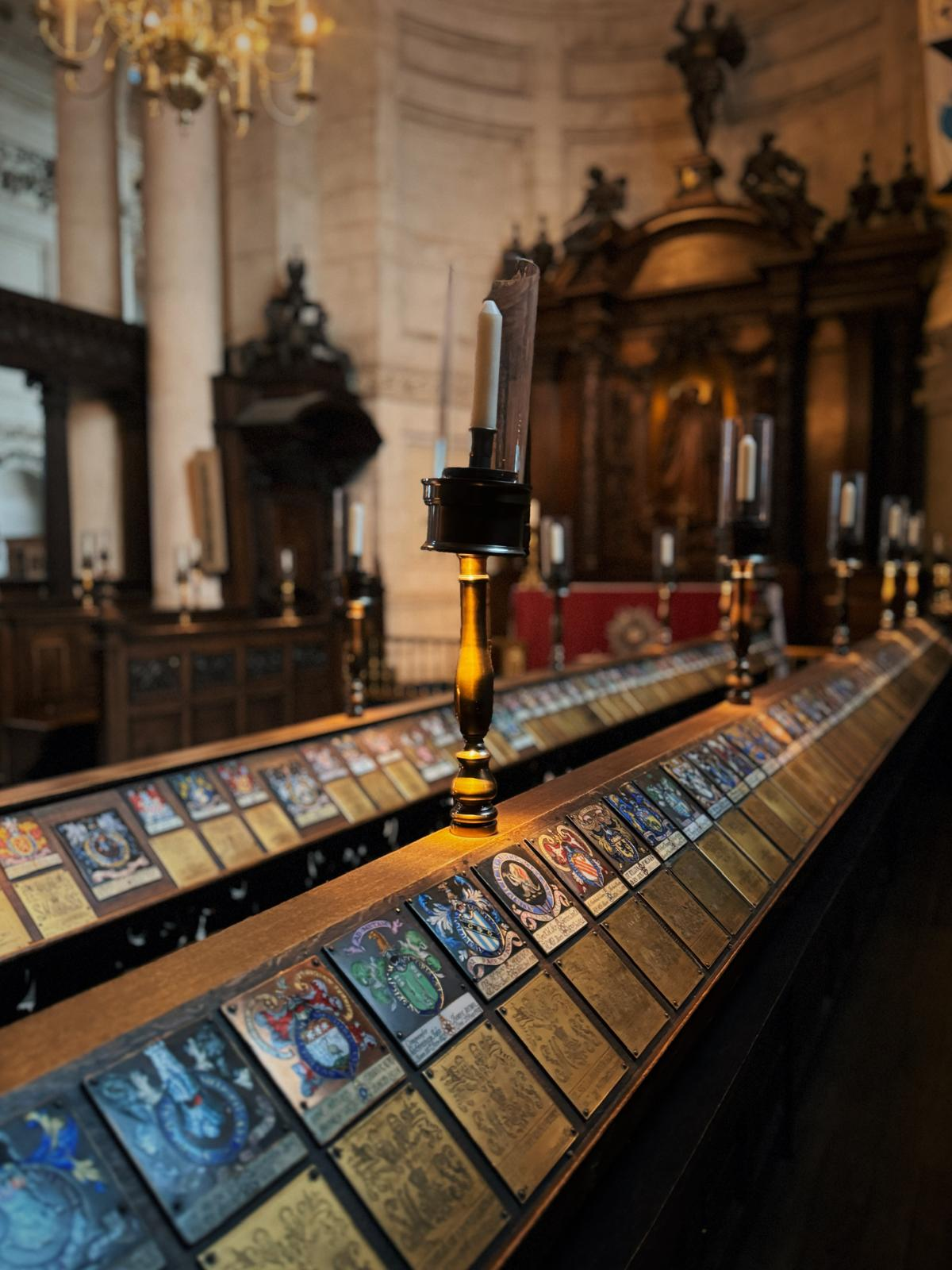
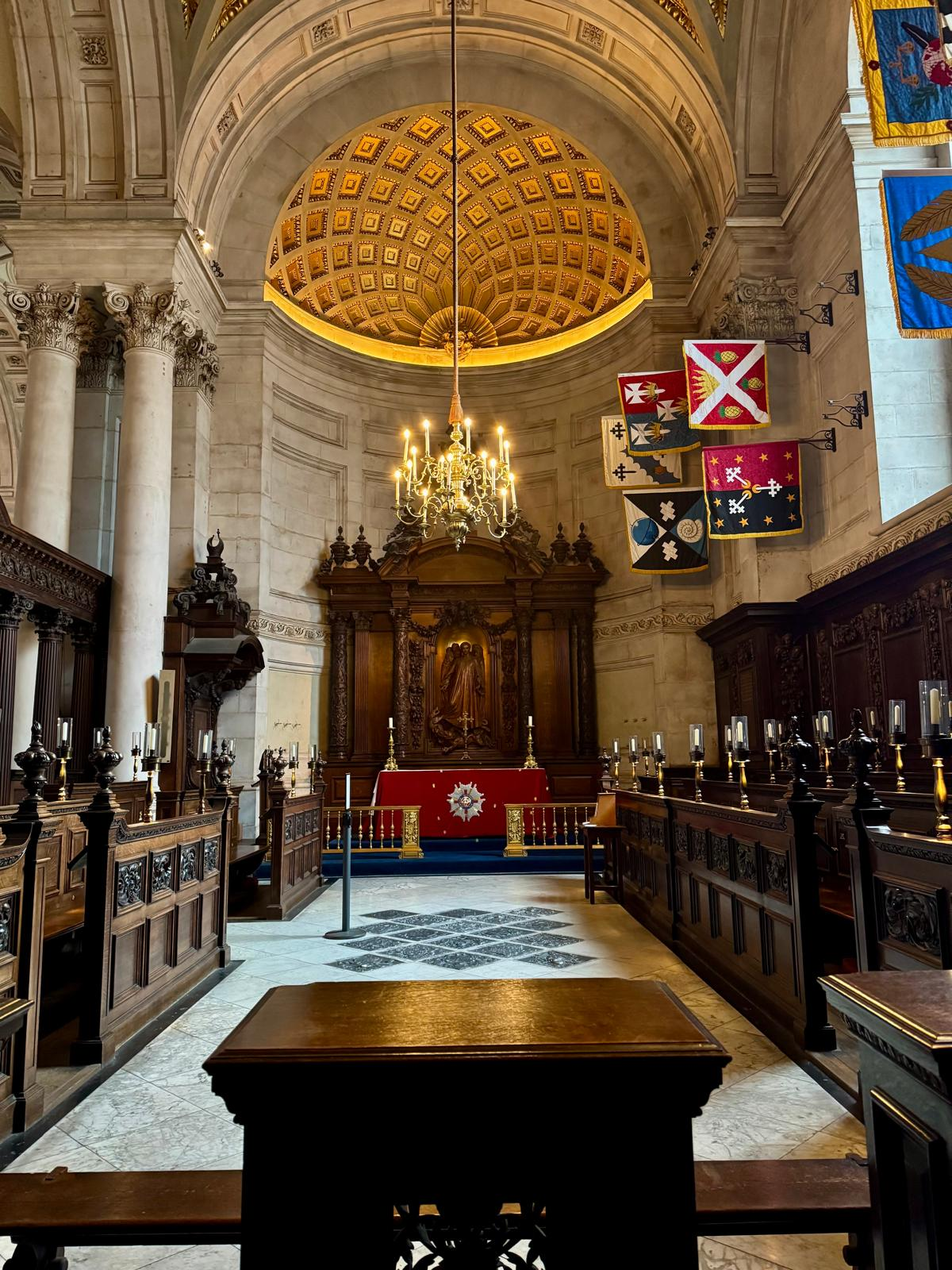
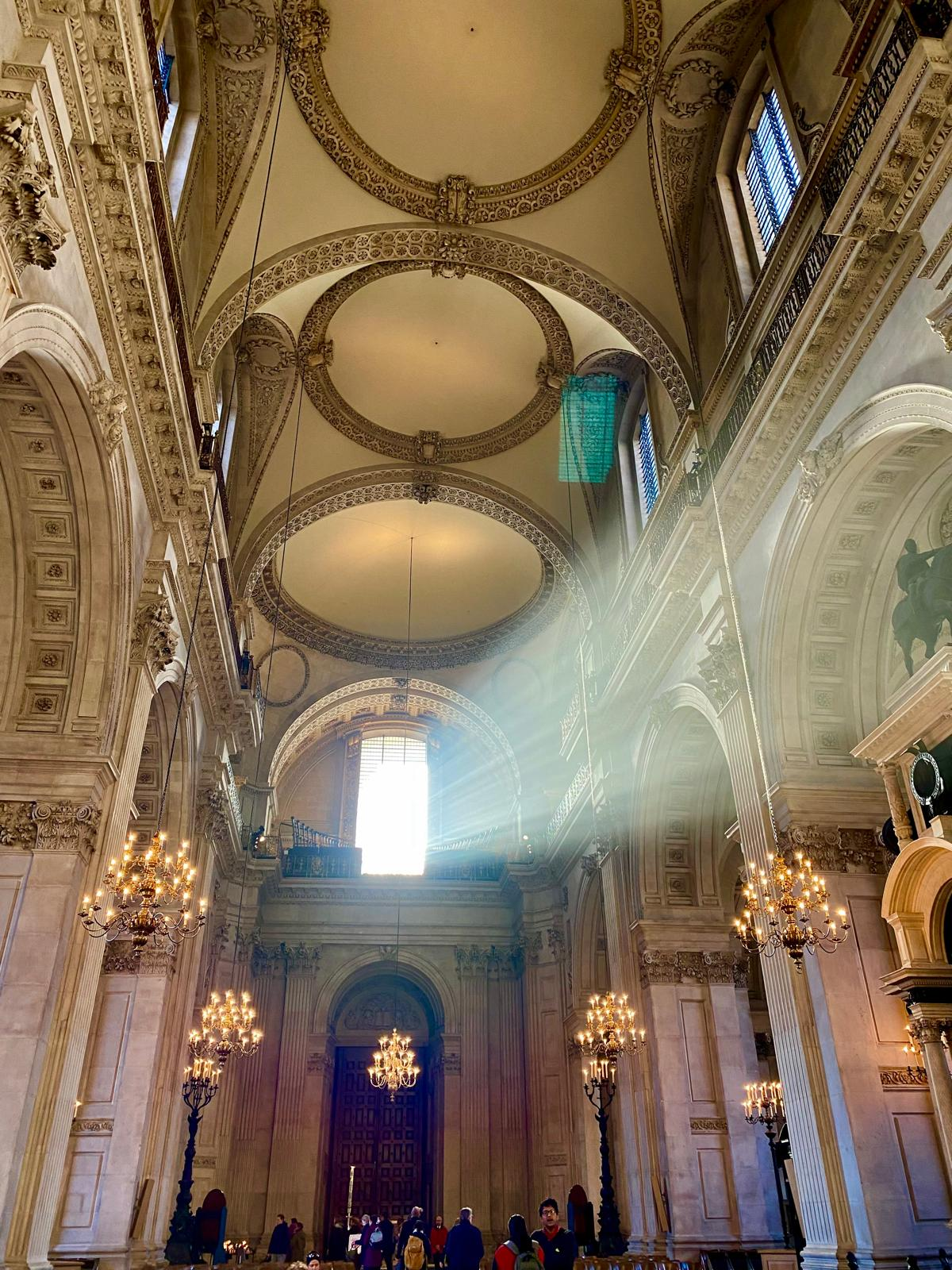
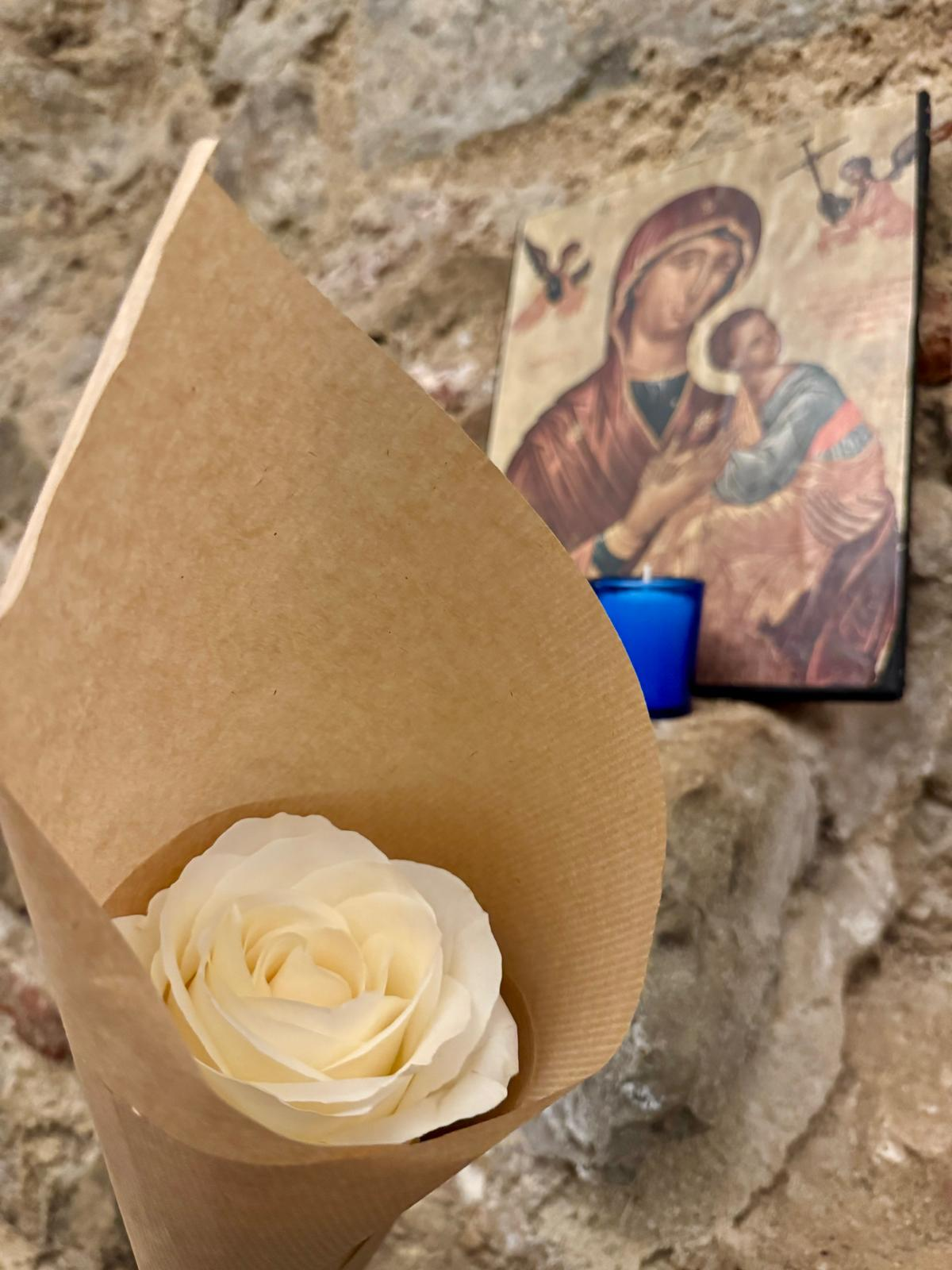
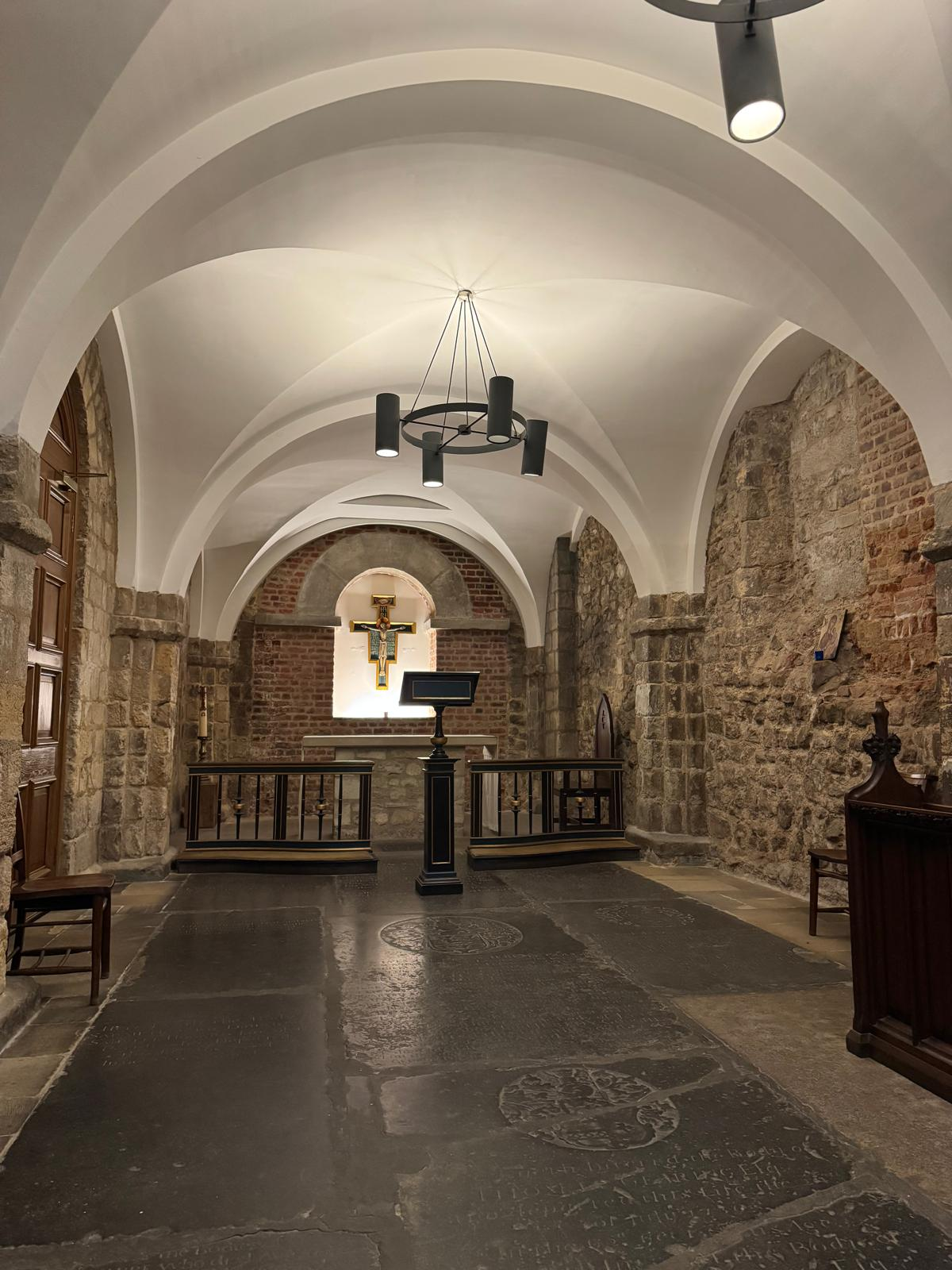
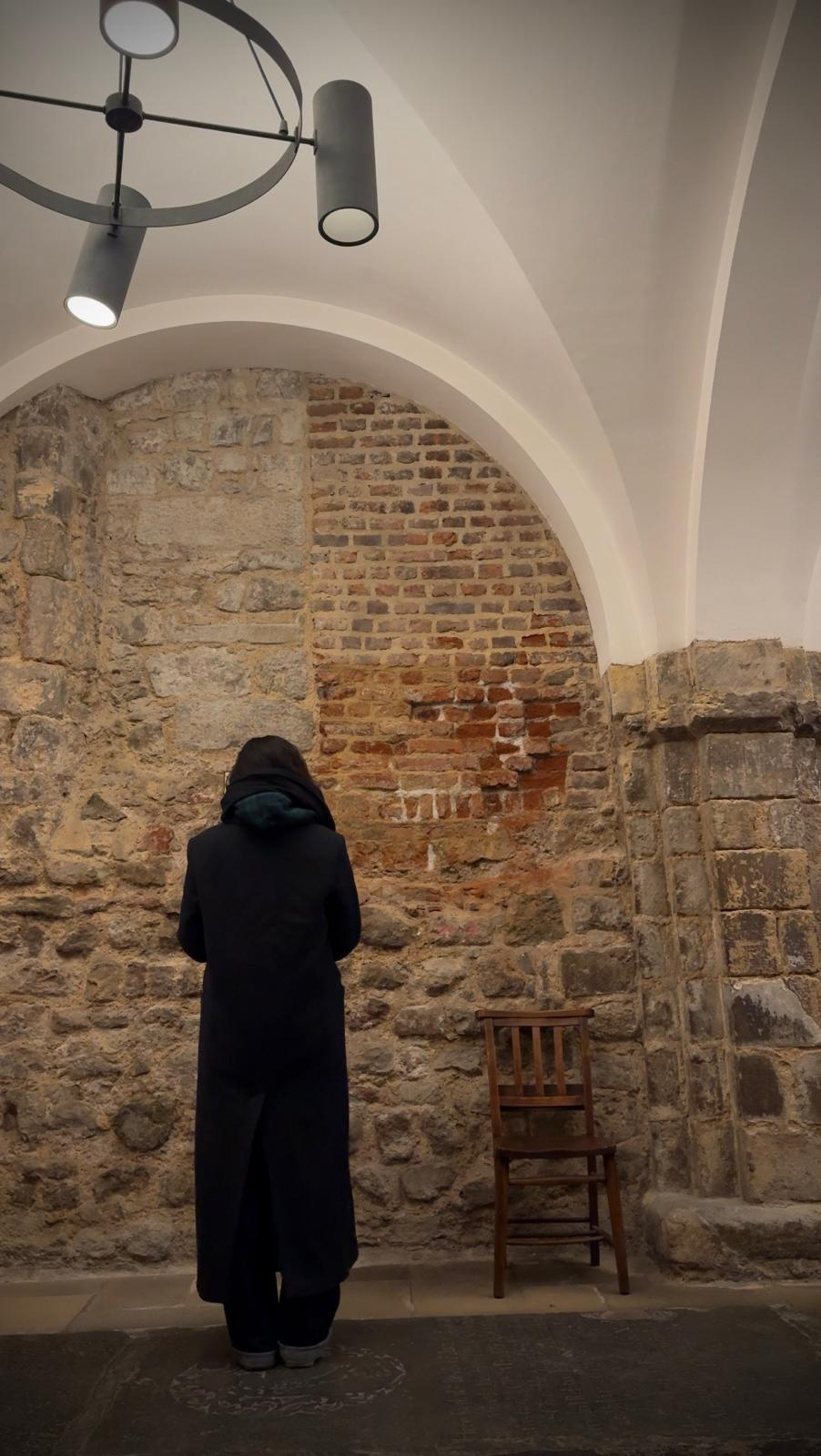
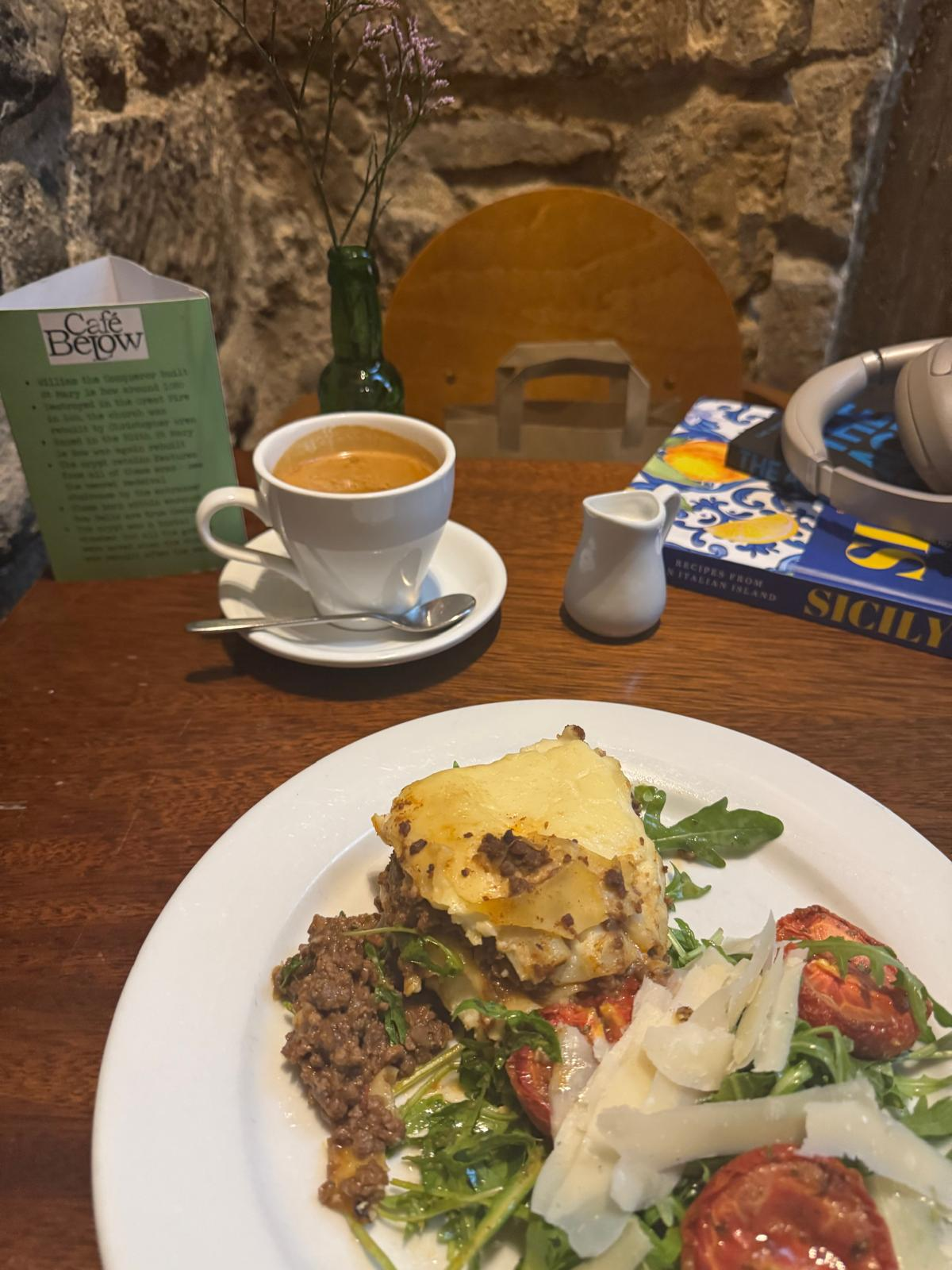
3) St Mary-le-Bow, Cheapside — The sound of London, literally: a true Cockney — a working-class Londoner of the East End, traditionally defined as anyone born within earshot of Bow Bells — takes their very name from this church, and it was these same bells that legend says called Dick Whittington* back — "Turn again, Whittington, thrice Lord Mayor of London." Wren rebuilt the church after the Great Fire above a Norman crypt of c. 1080 — an underground stone chamber from the era of William the Conqueror's Normans, built to carry the church above it — whose rounded arches, or "bows," gave the church its name. Down in that crypt, entered from outside the church — you will have to find it — is a small private chapel. It is simple. Rustic. Private. Hidden. Unassuming. And that is precisely the point. I have a small ritual here: I buy a flower from the booth outside the church, carry it down, and pray and meditate with it. A single stem in a nearly empty crypt — that is the whole ceremony, and it is enough. If you're lucky, you might catch me there, praying in private. The crypt also holds Café Below, their restaurant serving breakfast, lunch, and dinner — highly recommended, and genuinely yummy: good food under nine-hundred-year-old vaulting. Sacred and practical, in the same room. Very London.
Note) *Dick Whittington is the semi-legendary figure based on Richard Whittington, a real medieval merchant who became Lord Mayor of London (in fact four times) — folklore turned him into the poor boy who, leaving London in despair with his cat, heard Bow Bells ring out "Turn again, Whittington" and returned to make his fortune, a story so beloved it's still performed as a Christmas pantomime today.
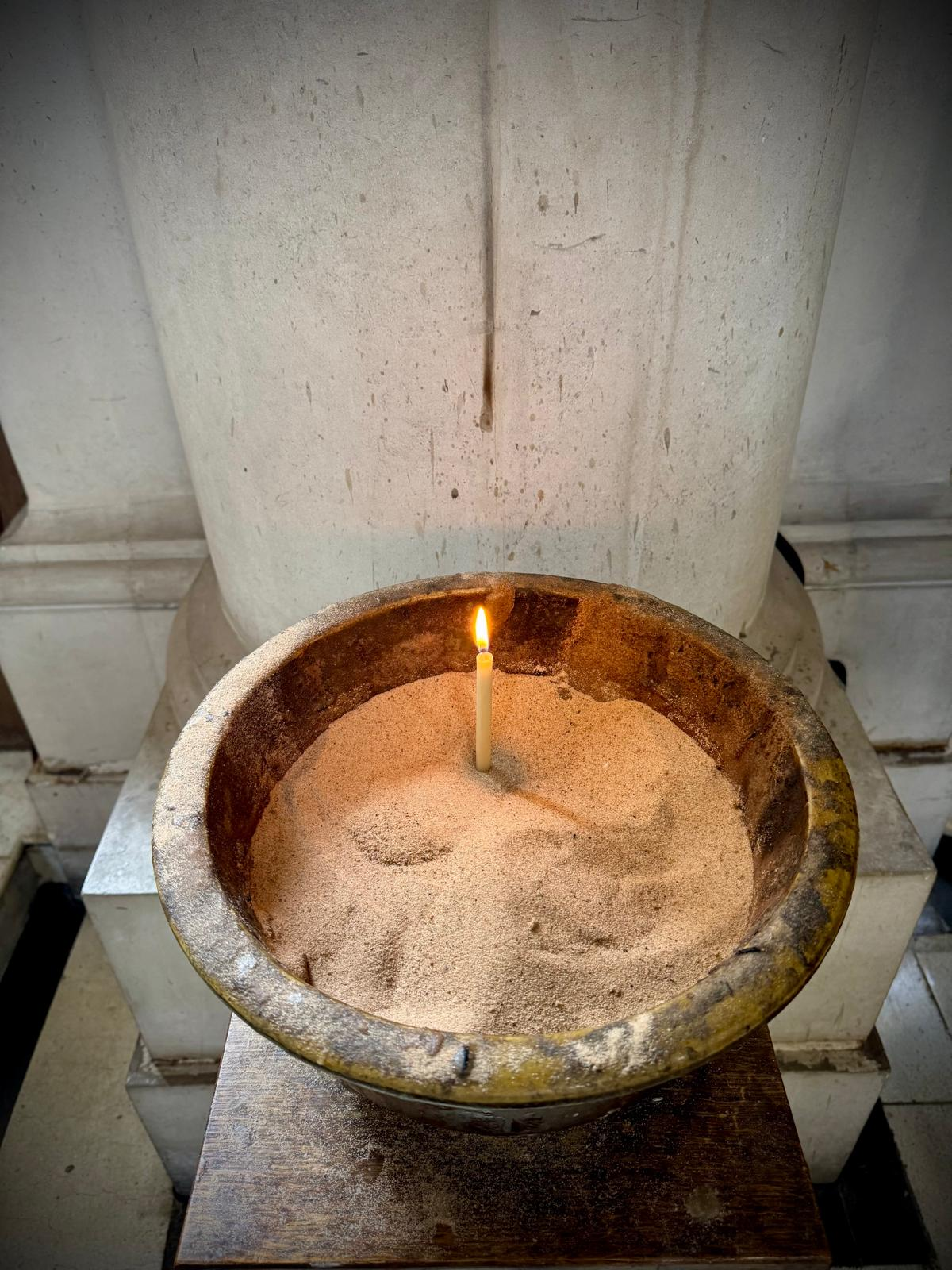
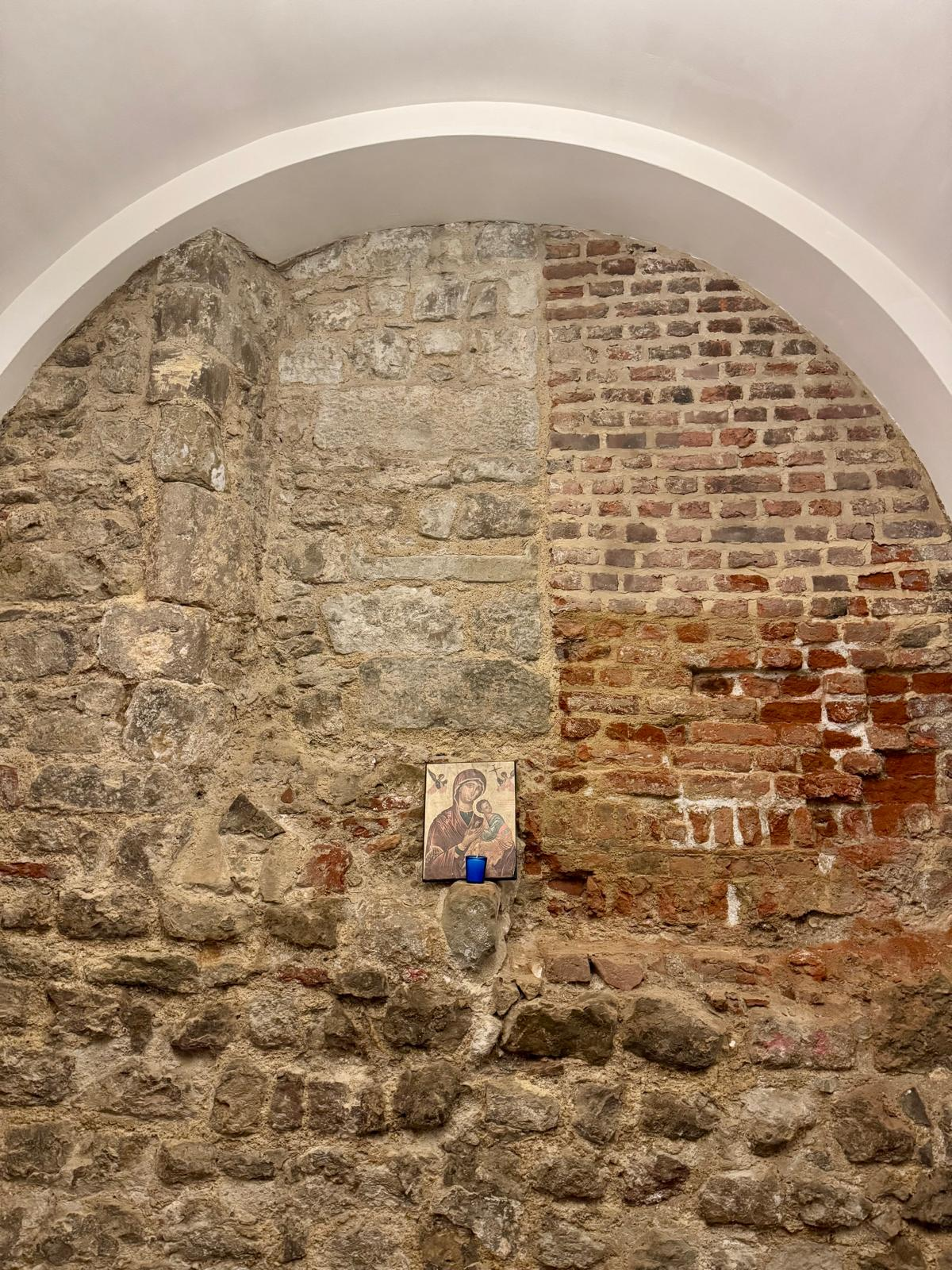
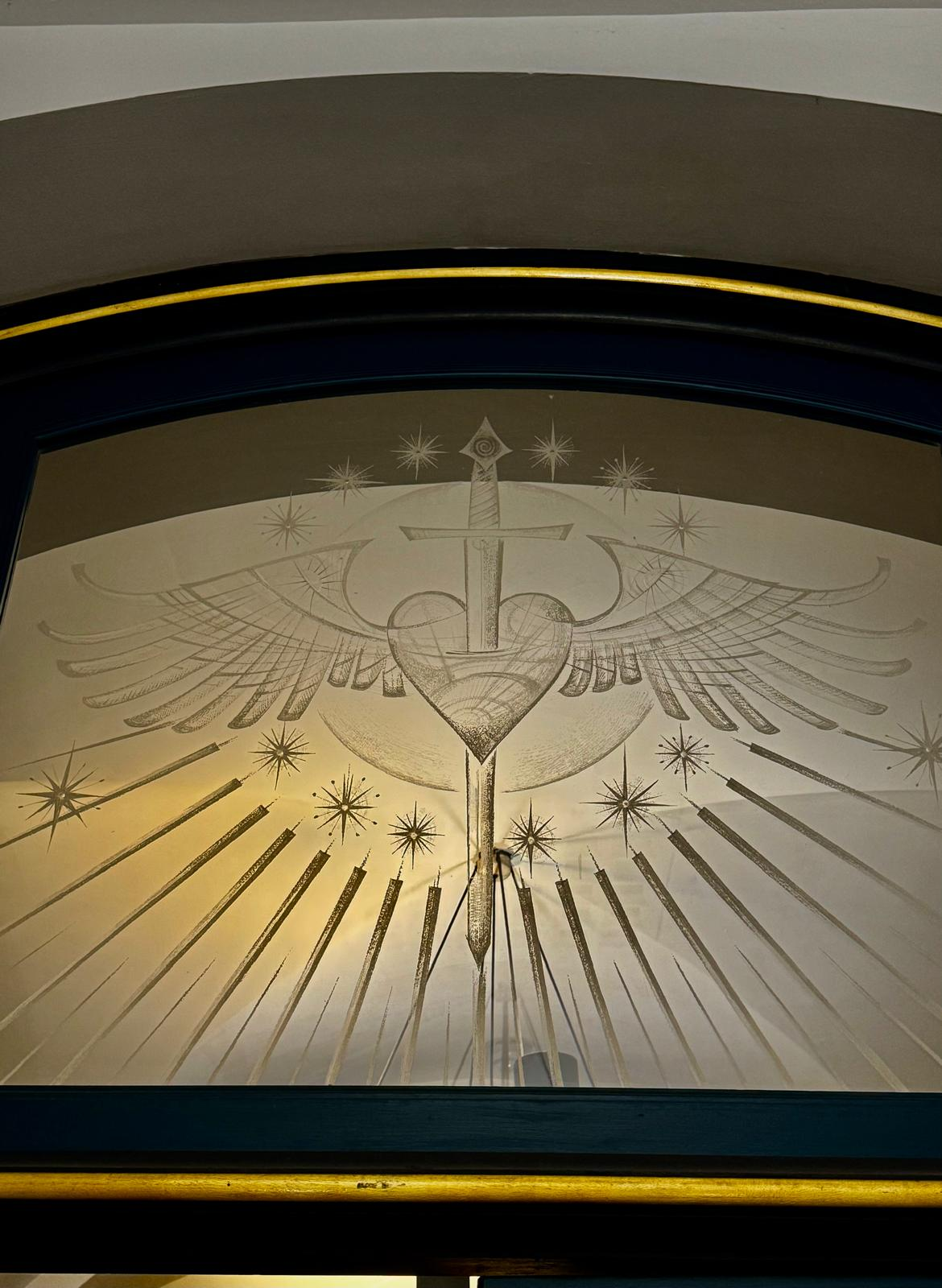
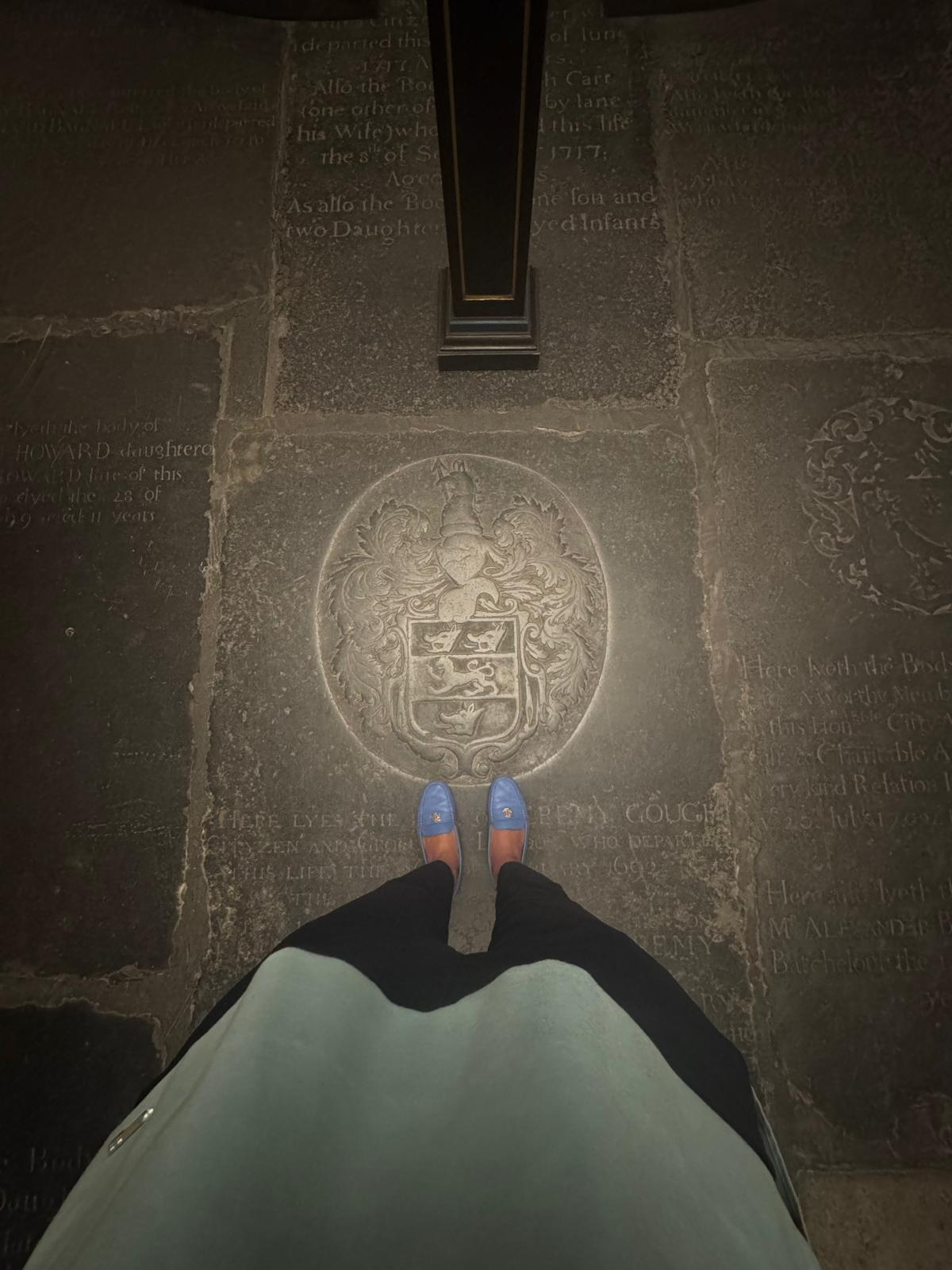
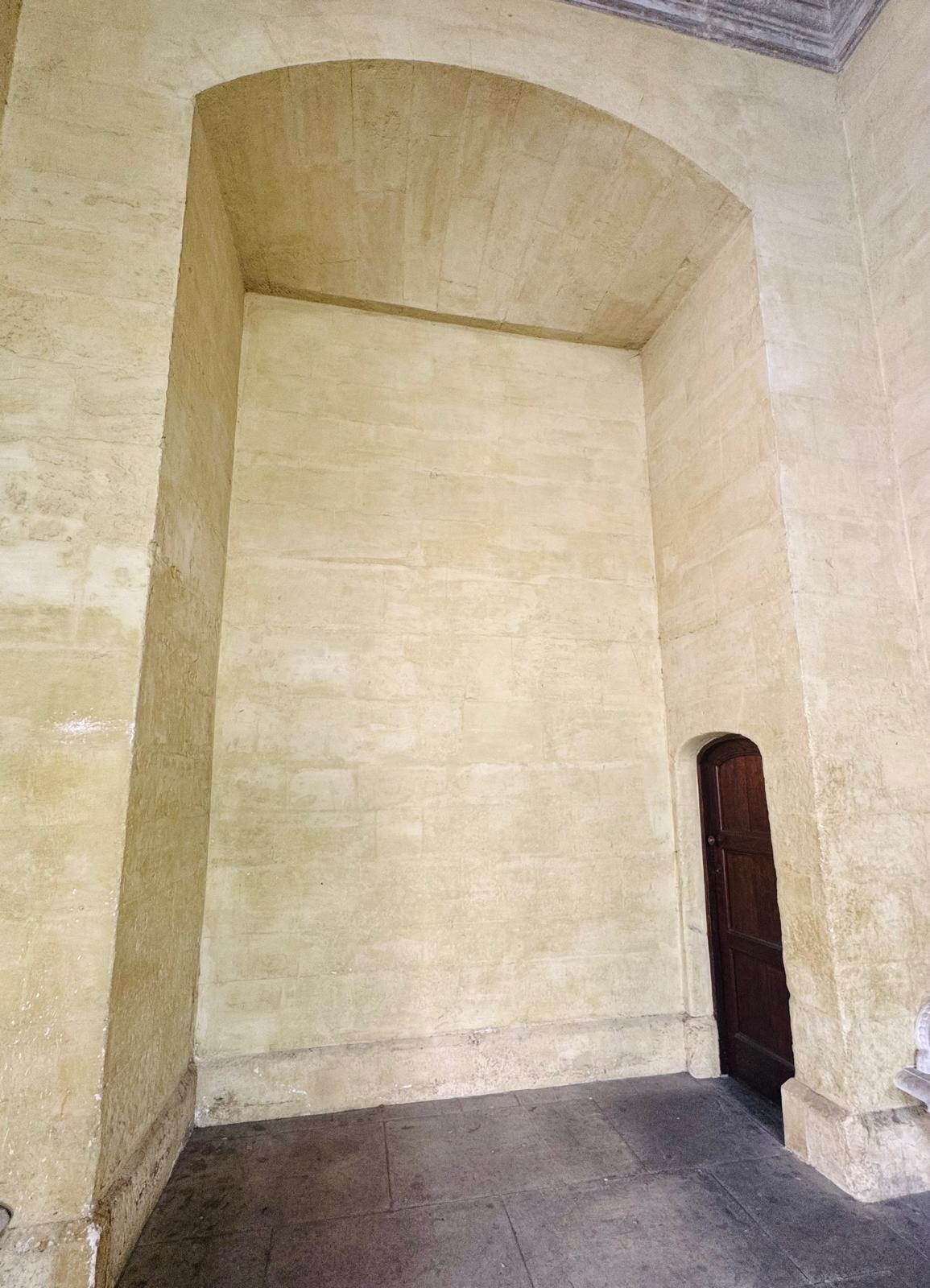
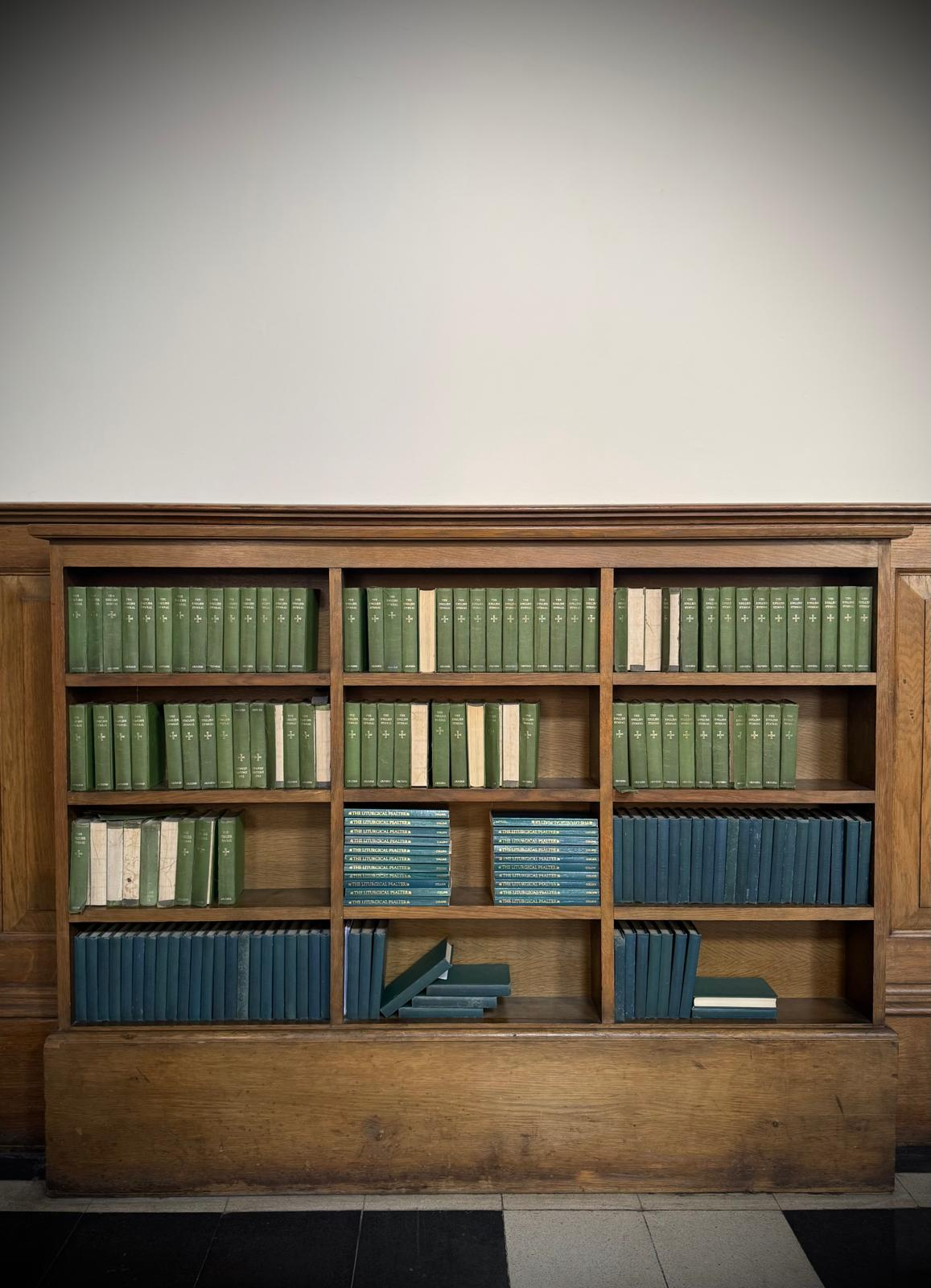

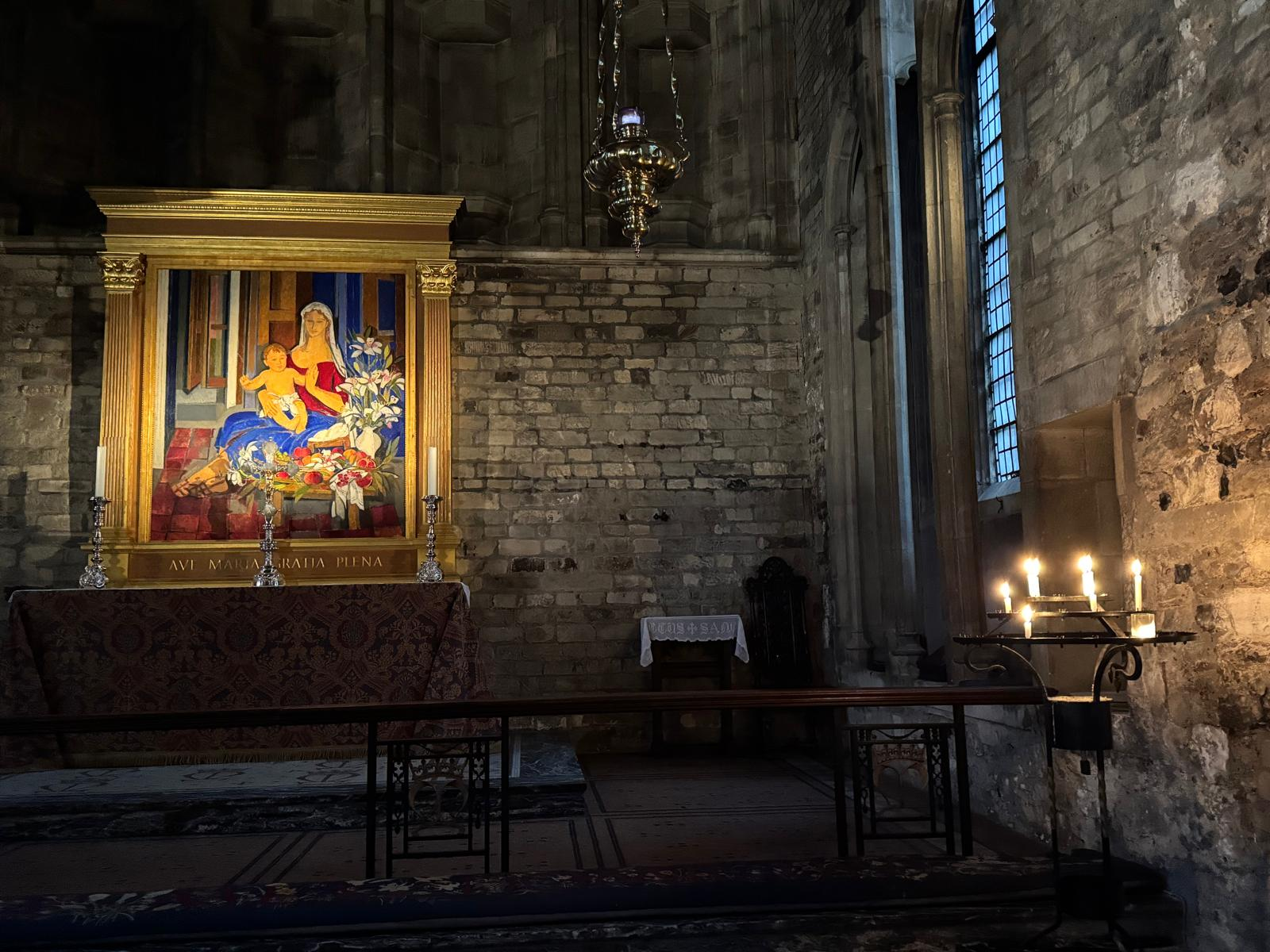
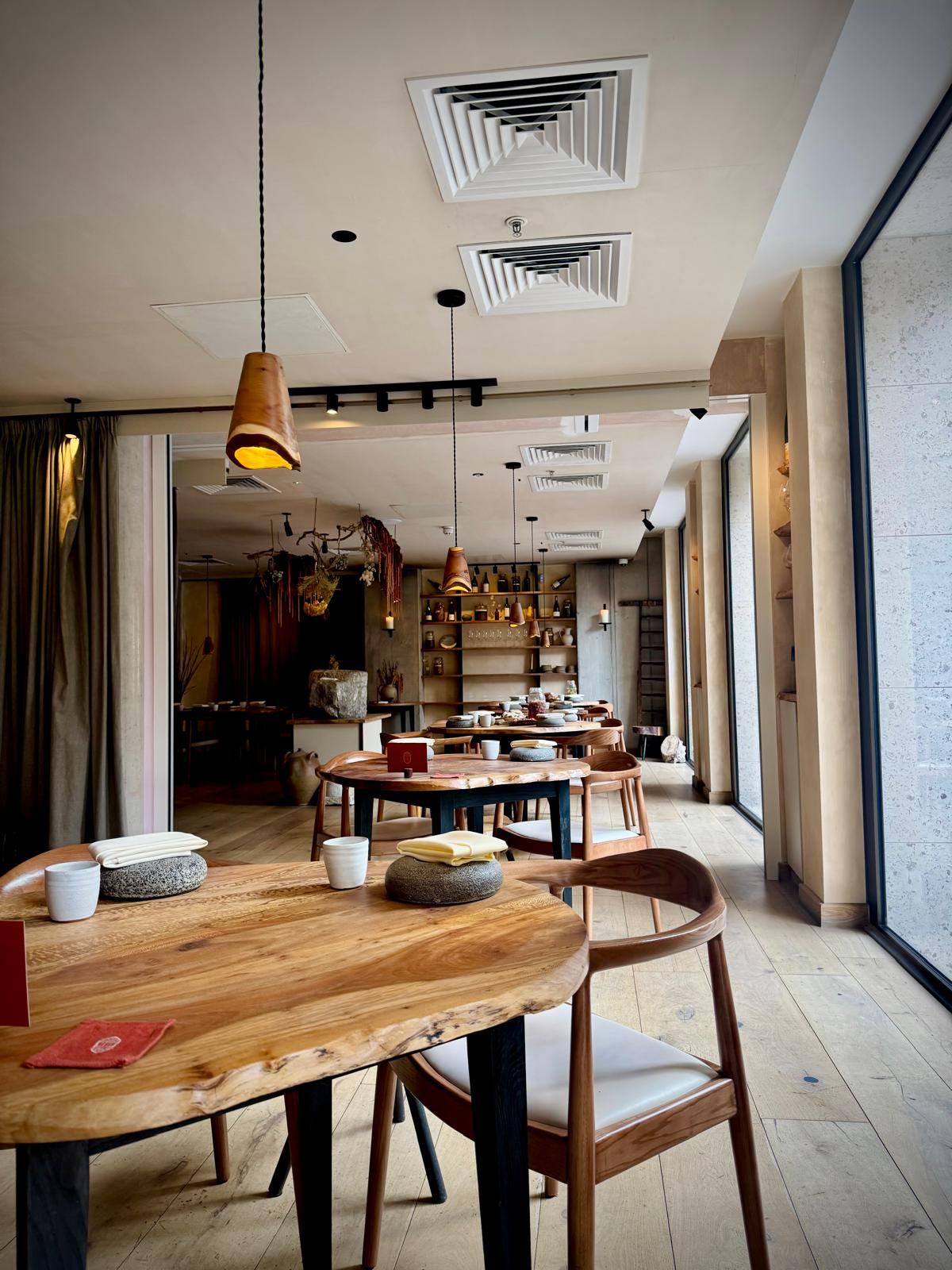
4) St Bartholomew the Great — The oldest parish church in the City, and the one I know best: this is the church I used to visit often when I lived in the Barbican for six years — my parish of the heart, just a few minutes' walk through Smithfield. It also holds my favourite origin story in all of London: Rahere, a courtier — some say jester — of Henry I, fell gravely ill on pilgrimage to Rome and vowed that if he lived, he would build. St Bartholomew came to him in a fever dream and told him where. Nine hundred years later, the church still stands at Smithfield — and so does the hospital Rahere founded next door, still treating Londoners. You can see the theme: this has been a place of healing since medieval pilgrims came to Rahere's shrine for cures. Go here when you want to pray for the unwell. And at the back of the church, in the Lady Chapel, is something no other place in London can claim: the only recorded apparition of the Virgin Mary in the capital. She appeared to an old monk named Hubert in the twelfth century — to complain, the account says, that the monks' praises had grown lazy. They sang harder ever after. Centuries later, in that same chapel, a young Benjamin Franklin worked as a printer when it housed a print shop. One small room; an apparition and a founding father. Inside, the church is dark, Norman — the massive, round-arched stone style the Normans brought to England after the Conquest of 1066 — candlelit, and utterly silent. And when I want to extend the pilgrimage into an occasion, St. Barts sits beside the church — Michelin-starred, and the only restaurant in London to also hold the Green Star for sustainability, its dining room overlooking the cloisters. This is where I would take my precious friends, guests, and beloved family members. But that story deserves its own letter — I will cover it separately.
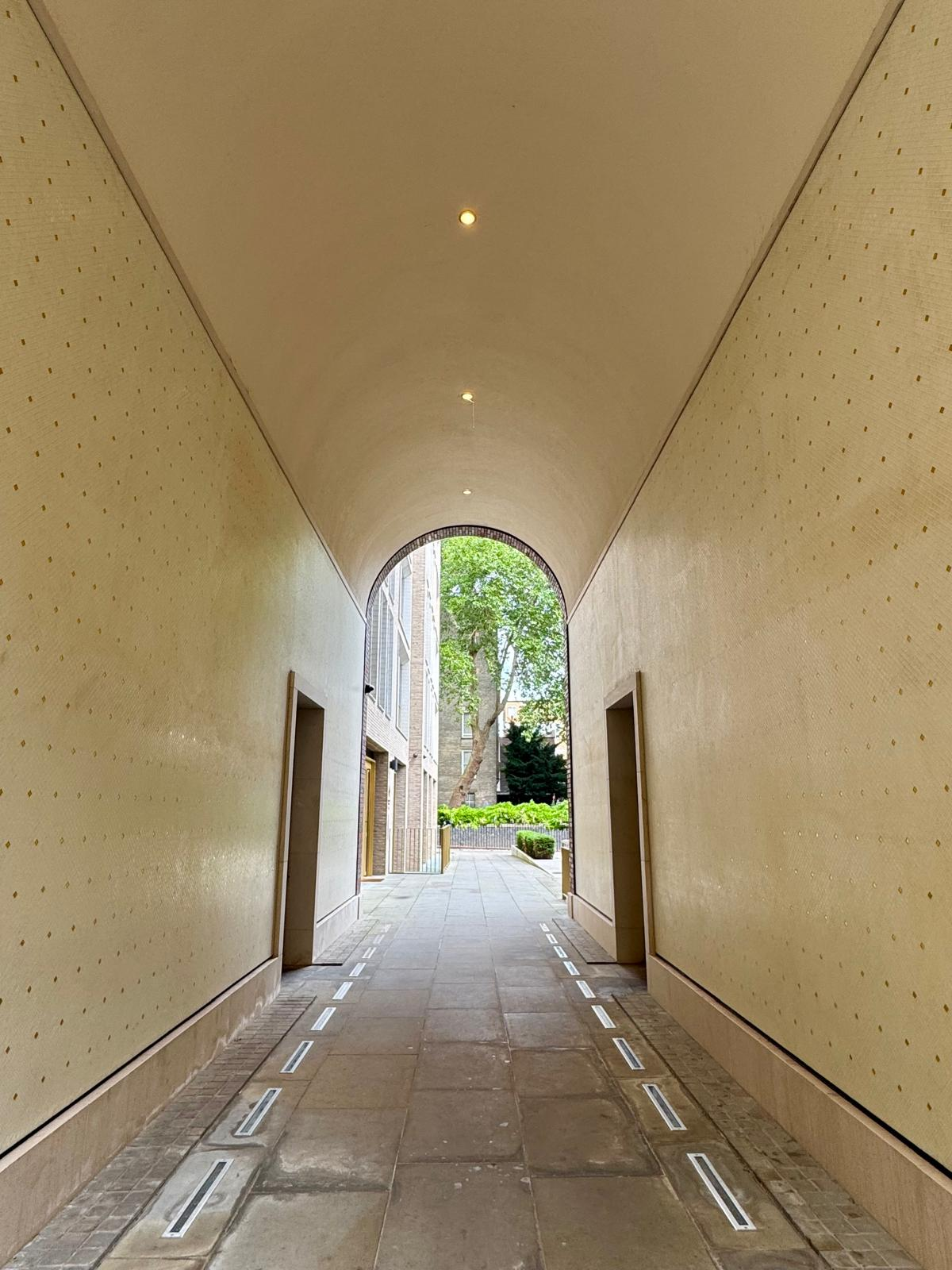
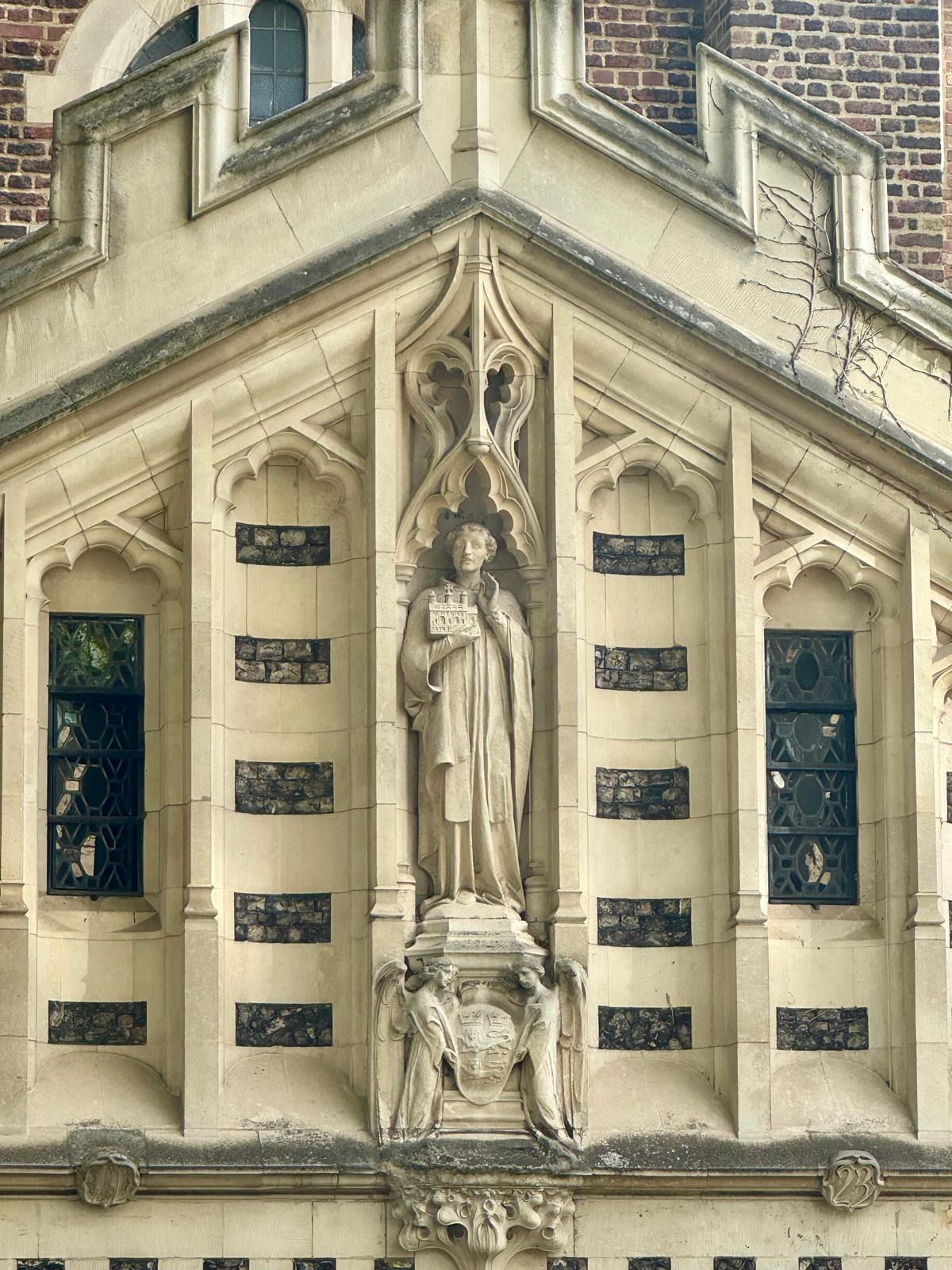
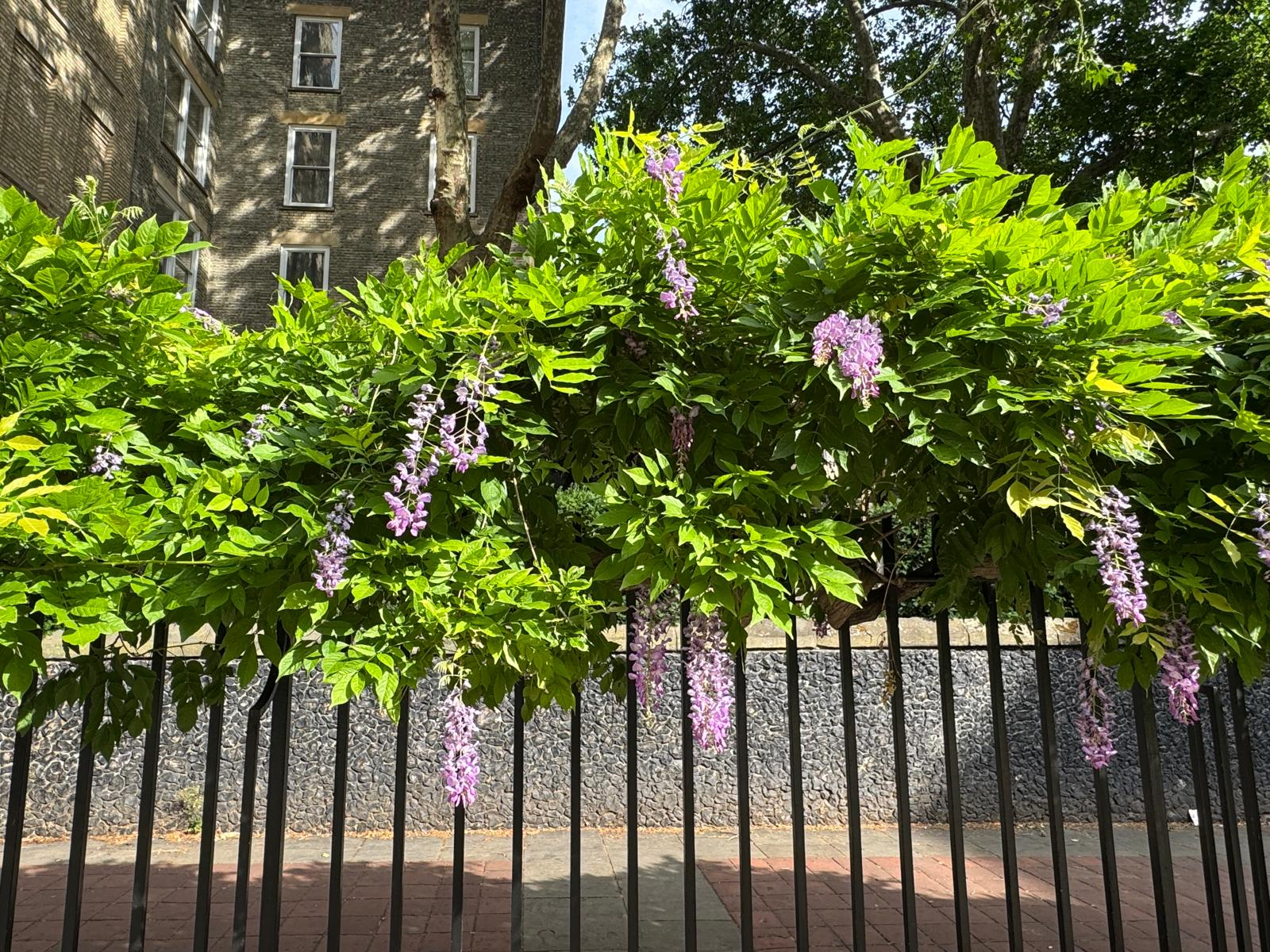
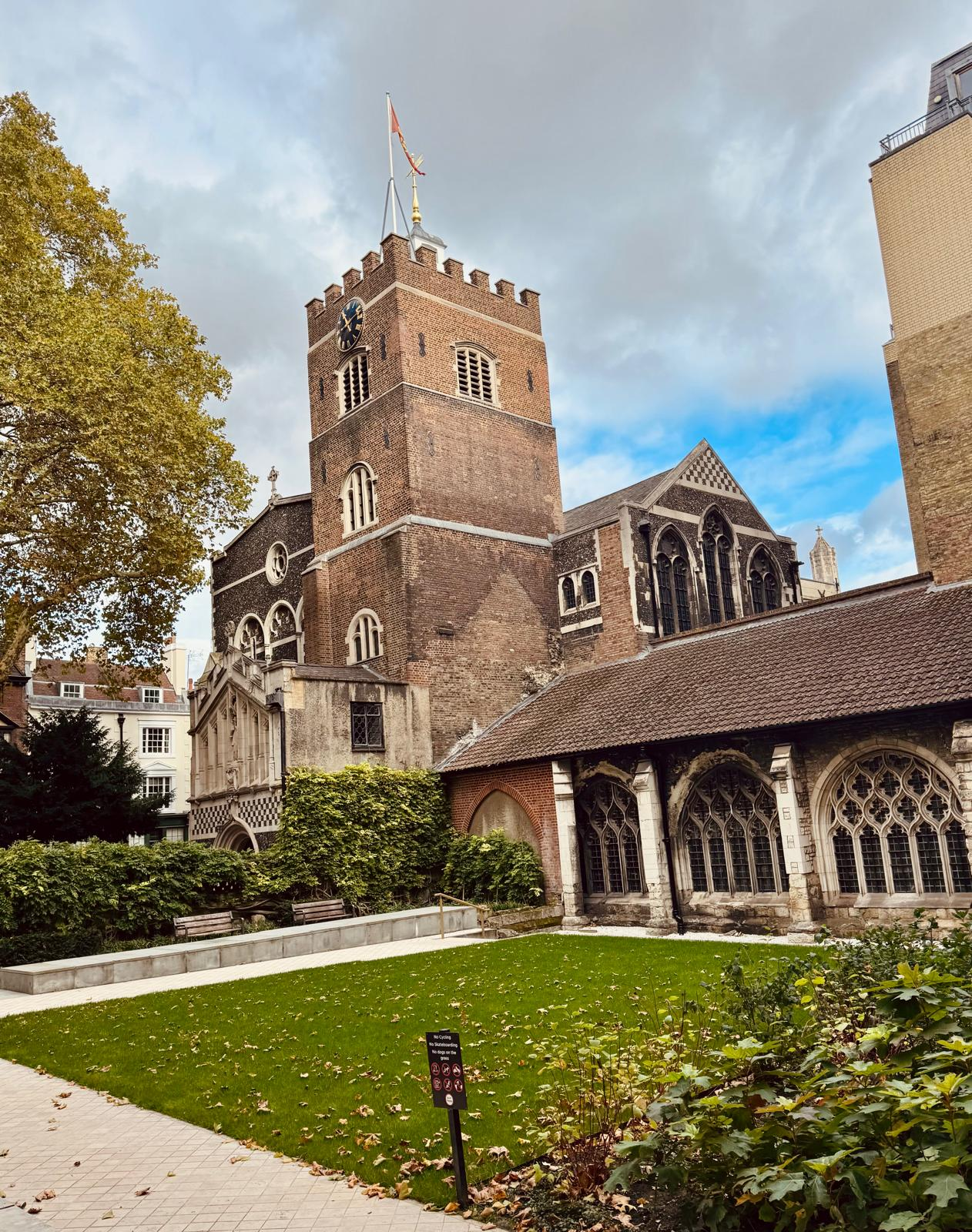
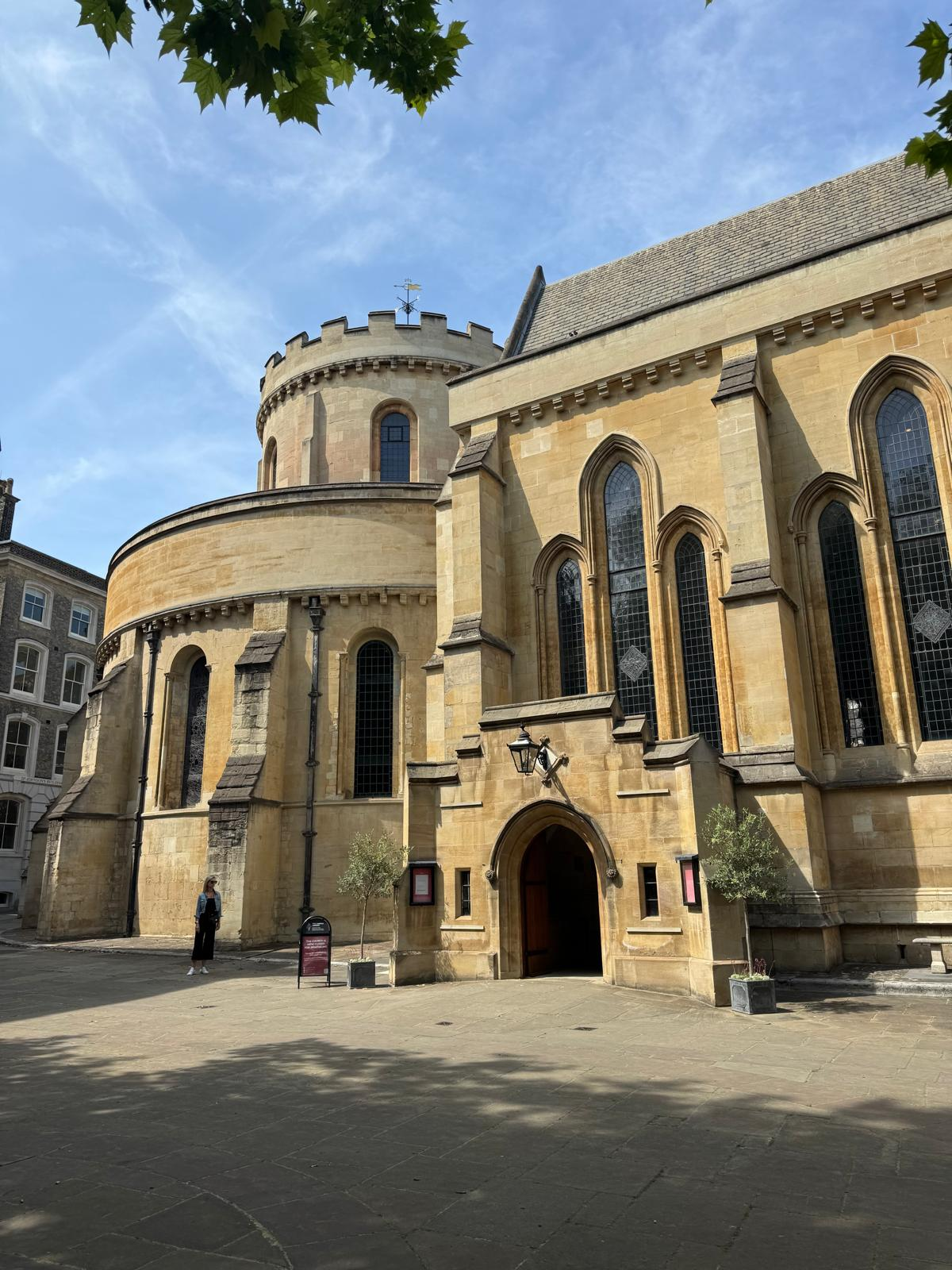
5) Temple Church & the Temple — I have been fascinated by the Crusaders since I was little, and this quiet corner off Fleet Street is where that story lives in London. You enter past Temple Bar — the old ceremonial boundary of the City, where even today the monarch pauses to be received by the Lord Mayor before crossing, because the Square Mile admits even sovereigns on its own terms. Slip through the lanes behind it, and you reach the church the Knights Templar — the warrior monks of the Crusades — built as their English home. Its round nave was deliberately modelled on the Church of the Holy Sepulchre in Jerusalem, so that a knight kneeling in London knelt, in spirit, at the holiest site of his order. Stone knights still lie on the floor, eight hundred years on. And the ending is the part that gripped me as a child: the Templars grew so rich that the King of France, deep in their debt, had them all arrested at dawn — on a Friday the 13th, the date legend blames for the superstition — and the order was gone. Their London home passed to the lawyers, whose Inns of Court still keep these courtyards and gas-lit lanes — along with the Temple Garden, rolling down to the Thames, which deserves its own letter and will get one. Go on a weekday afternoon, when the lawyers are at their desks and the round church is nearly empty. Jerusalem, France, and London, folded into one hidden precinct.
III. In Closing...
Practically: Southwark Cathedral is at London Bridge station; St Paul's has its own stop on the Central line; St Mary-le-Bow is between St Paul's and Mansion House; St Bartholomew the Great sits between Barbican and Farringdon; the Temple is at Temple station (District and Circle). As a half-day: begin at Southwark Cathedral early, coffee at Borough Market, walk the river west and cross the Millennium Bridge to St Paul's, lunch in the crypt at Café Below, finish in the Norman dark of St Bartholomew — or, if your legs agree, walk down Fleet Street to the Temple as the light goes gold. Go on a weekend, when the Square Mile empties and the dragons have the streets to themselves.
The noise of this city is real, and so is the counter-current running beneath it — in stone, in bells, in private rooms that have absorbed a thousand years of people sitting quietly with their hearts. You don't have to believe anything. I hope you can also enjoy my favorite sacred places in London for a quiet reflection.
If you have time...
![Life] What is your comfort food?](https://images.unsplash.com/photo-1605926637412-b0cd5a3e3543?crop=entropy&cs=tinysrgb&fit=max&fm=jpg&ixid=M3wxMTc3M3wwfDF8c2VhcmNofDR8fGNvbWZvcnQlMjBmb29kfGVufDB8fHx8MTc4ODY1MTQ1NHww&ixlib=rb-4.1.0&q=80&w=720)
![Life | London Sanctuary] The Grove: Place of Restoration #Retreat](https://storage.ghost.io/c/2a/9e/2a9e2b04-30f6-4166-8010-a3730d2eb719/content/images/size/w720/2026/08/WhatsApp-Image-2026-08-07-at-21.51.41.jpeg)
![Life] Local's Guide: London for Family with Little Ones and/or Grandparents](https://storage.ghost.io/c/2a/9e/2a9e2b04-30f6-4166-8010-a3730d2eb719/content/images/size/w720/2026/09/Gemini_Generated_Image_dkfatmdkfatmdkfa.jpg)
Comments ()