Art] What Cities Make of Us: Art, Power & the Human Condition Across Europe | The Grand Tour: When Europe's Elite Went to School (00/22)
What a 17th-century gap year in Europe can teach us about power, legitimacy, and the education that money can't buy
![Art] What Cities Make of Us: Art, Power & the Human Condition Across Europe | The Grand Tour: When Europe's Elite Went to School (00/22)](https://storage.ghost.io/c/2a/9e/2a9e2b04-30f6-4166-8010-a3730d2eb719/content/images/size/w1200/2026/03/Gemini_Generated_Image_sbowymsbowymsbow-13.png)
What Cities Make of Us: Art, Power & the Human Condition Across Europe | Post 0 of 22
What a 17th-century gap year can teach us about power, legitimacy, and the education that money can't buy
| Series | What Cities Make of Us — Post 0 of 22 |
| Reading Time | 7 minutes |
| Region | Europe-wide |
| Era | 1660s – 1850s |
| Key Figures | Goethe, Rubens, Velázquez, Mendelssohn, Winckelmann |
| Core Argument | The Grand Tour was not tourism — it was the original leadership education program, and its logic has never stopped operating |
Imagine you are twenty-two years old, the son of an English duke, and the year is 1680. You have never left your country. You speak passable Latin and serviceable French. You have read Virgil but never stood in the Forum where he walked. You know the paintings of Raphael only from engravings — pale, secondhand ghosts of the real thing.
Your father, a man who has survived a civil war, a regicide, and the restoration of a monarchy, sits across from you at breakfast and tells you something that will change your life: You are going to Italy. Take two years. Come back educated.
This was the Grand Tour. And for nearly two centuries — from the 1660s to the 1850s, when the railways finally made it obsolete — it was the most consequential educational institution in the Western world. No campus, no curriculum, no degree. Just a young aristocrat, a tutor, a carriage, and the overwhelming reality of a civilization far older and far more beautiful than anything back home.
The Education That Classrooms Cannot Give
The Grand Tour was not tourism. It was closer to what we would now call an immersive leadership program — except the lessons were not taught in seminar rooms but in the ruins of empires, the studios of living artists, and the courts of foreign princes.
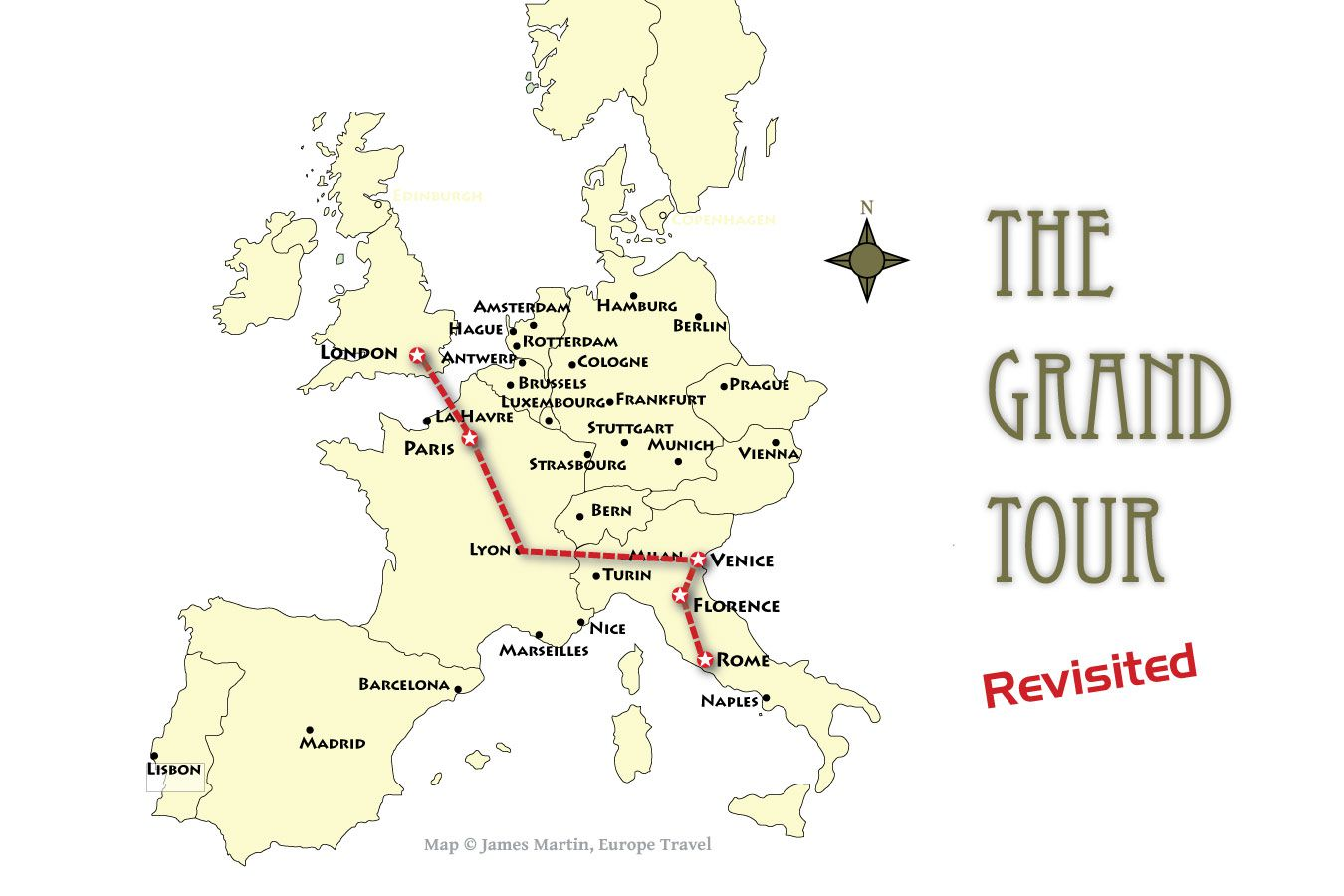
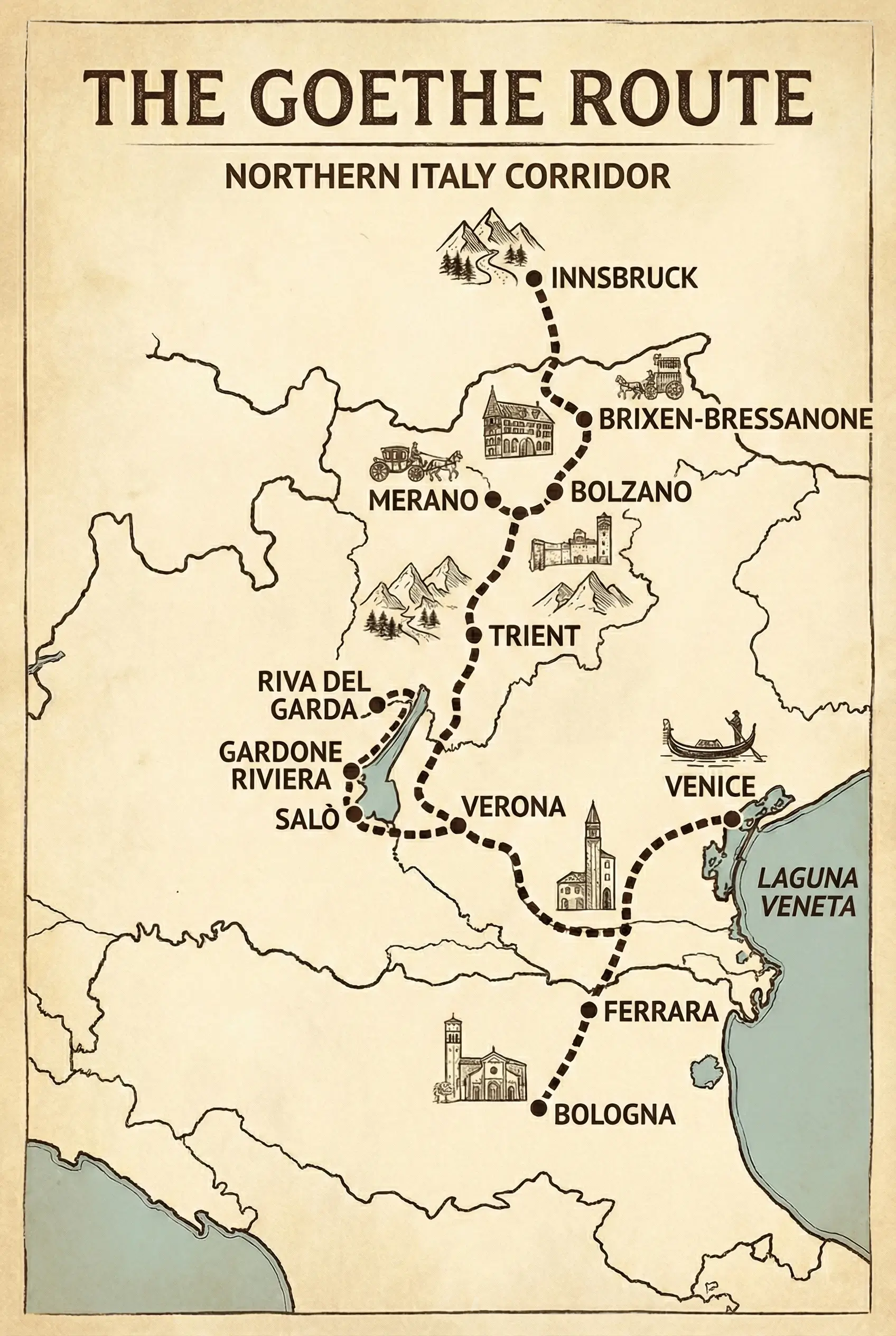
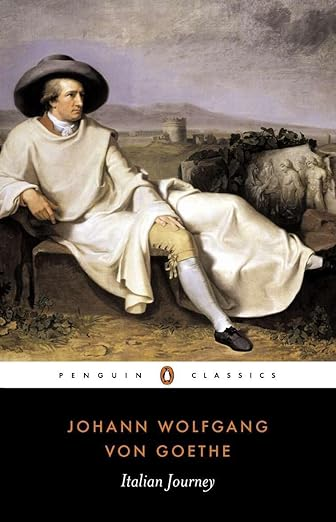
The route was roughly fixed (you can also refer to Goethe's Italian Journey route): Paris first, then across the Alps, then Florence, Venice, Naples, and finally Rome — always Rome, the gravitational center of the whole enterprise. The journey could take anywhere from several months to several years. Goethe took twenty-one months and wrote a book about it that shaped European Romanticism. Velázquez went twice, funded by the Spanish crown, and came back each time a different painter. Rubens spent eight years in Italy as a young man and emerged as the most powerful visual artist in Europe.
What did they learn that they could not have learned at home?
Three things, mostly. First, they learned to see — really see, in the way that standing before a Titian for an hour teaches you something about color and light that no reproduction ever could. Second, they learned that their own culture was provincial, contingent, one answer among many to the question of how civilized people should live. Third, and perhaps most importantly, they learned how to perform — how to move in rooms with powerful people, how to speak about art and ideas with confidence, how to present themselves as men of the world rather than products of a damp island.
This third lesson was not incidental. It was the point.
The Grand Tour as Soft Power Training
Consider what the Grand Tour was actually producing. Not scholars. Not artists. Statesmen.
The young men who made the Tour went home to run parliaments, command armies, and govern colonies. The art they brought back — and they brought back enormous quantities of it, filling the country houses of England with Canalettos and Roman antiquities — was not mere decoration. It was a statement of membership. It said: I have seen what civilization looks like at its best. I am qualified to lead.
This is not so different from what elite education does today. The purpose of a degree from a great university is partly the education and mostly the signal — the proof of passage through a recognized gauntlet, the network forged in the process, the shared cultural vocabulary that makes a room of strangers feel like colleagues.
The Grand Tour was simply more honest about this. Nobody pretended the young duke was going to Italy to become an art historian. He was going to acquire the cultural legitimacy that power, in the European tradition, has always required as its justification.
What changed is not the dynamic but the currency. In 1700, that currency was classical art and Italian antiquity. Today it might be a year at the IMF, a fellowship at a Washington think tank, or the particular fluency that comes from having lived in three countries before you are thirty. The Grand Tour never ended. We just renamed it.
Imitation as the Beginning of Mastery
There is something else the Grand Tour produced that we tend to undervalue: a culture of deliberate imitation.
Rubens copied Titian. Goethe read everything Winckelmann wrote about Greek sculpture before he took a single step toward Rome. Mendelssohn traveled on Goethe's recommendation and came home with three symphonies worth of inspiration. The young men of the Tour were not expected to be original. They were expected to absorb, to imitate, to understand deeply before they presumed to contribute.
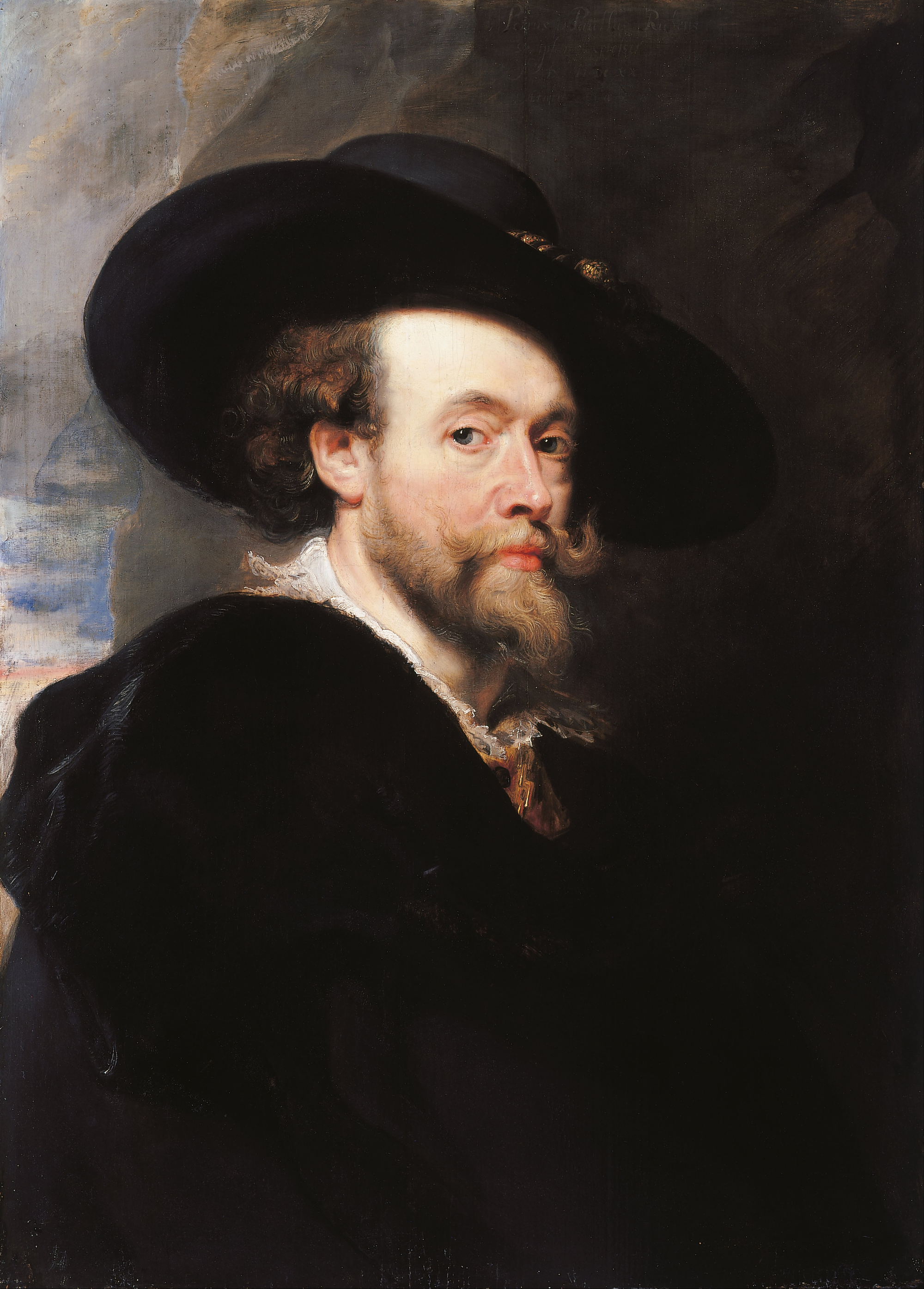
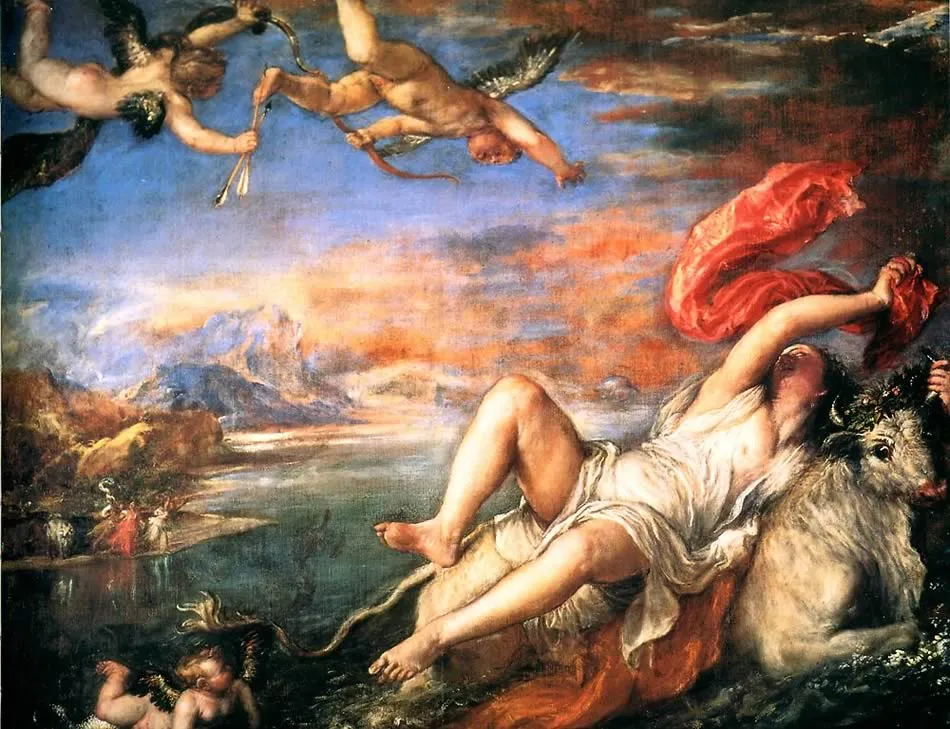
 Keith Miller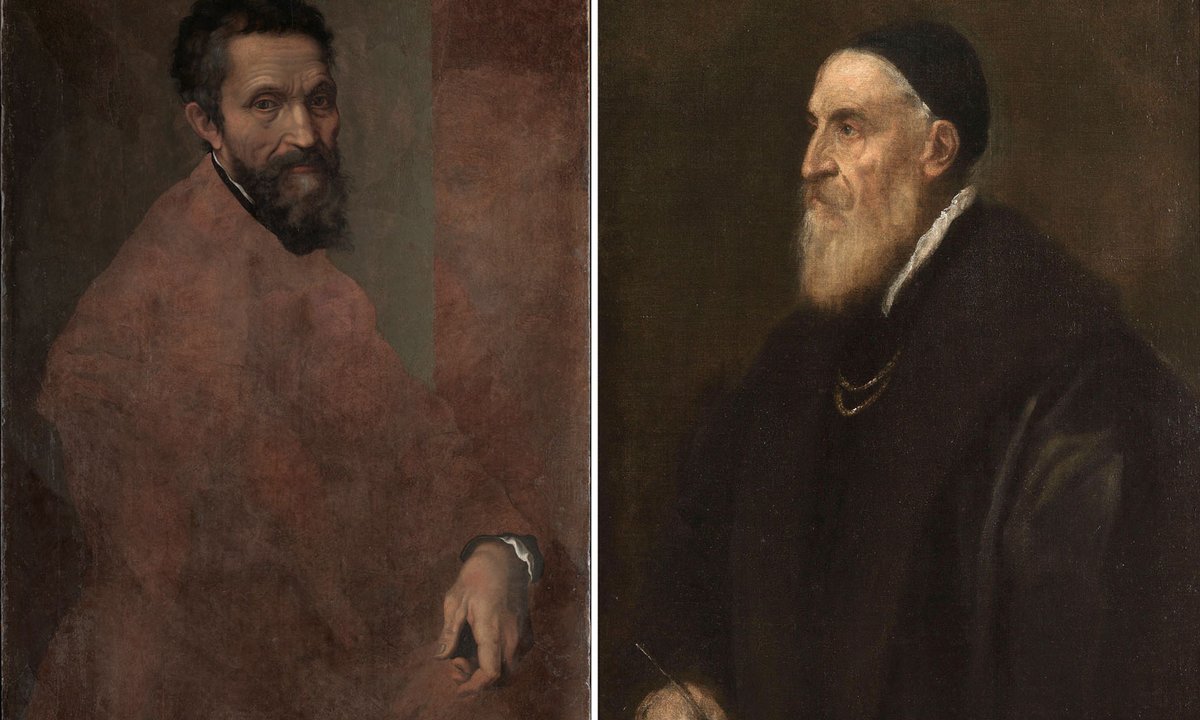
 The National Gallery, London
This runs counter to everything we tell young people today, where originality is fetishized and influence is sometimes treated as contamination. The Grand Tour tradition understood something more accurate: that genuine originality is almost always the product of deep immersion in what came before. You have to know the tradition before you can transcend it. You have to stand in front of the Pantheon before you can build something that earns the comparison.
Velázquez did not become Velázquez by ignoring Titian. He became Velázquez by understanding Titian so completely that he could see exactly where to depart from him.
This is as true in finance as in painting. The analysts who eventually reshape how their industry thinks are rarely the ones who arrived with grand theories. They are the ones who spent years learning the existing frameworks so thoroughly that they could see the places where the frameworks failed.
What Was Lost When the Tour Ended
By the 1850s, the railways had compressed the journey from months to days. Photography had made the visual record of Rome accessible to anyone. The Grand Tour aristocrats gave way to Thomas Cook package tourists, and something was lost in the transition.
Not the access — the access improved enormously. What was lost was the duration. The slow overland journey, the weeks in Florence living among the art rather than passing through it, the forced confrontation with a world that did not adjust its pace to your schedule. The Grand Tour worked in part because it was long enough to change you. You could not do it in a week and return the same person who left.
There is a version of this problem in how we consume information today. We have more access to more ideas than any generation in history, and we are, in many ways, less formed by what we encounter. The feed moves too fast. Nothing has time to become a Pantheon.
The Question It Leaves Behind
The German art historian Winckelmann, whose writing sent a generation of Grand Tourists to Rome with fresh eyes, argued that the highest form of beauty achieved by human civilization was Greek sculpture — and that the only way to understand it was to go and see it. Not read about it. See it.
He was right about something deeper than aesthetics. There are things you cannot learn secondhand. There are rooms you have to stand in. There are ruins you have to walk through slowly, in the early morning, before the crowds arrive.
The Grand Tour was built on that conviction. And in an age where everything can be streamed, translated, and delivered in a summary, it may be more radical than it sounds.
What is the equivalent, in your own field, of standing in the Roman Forum? What knowledge are you acquiring secondhand that you should, at some point, go and see for yourself?
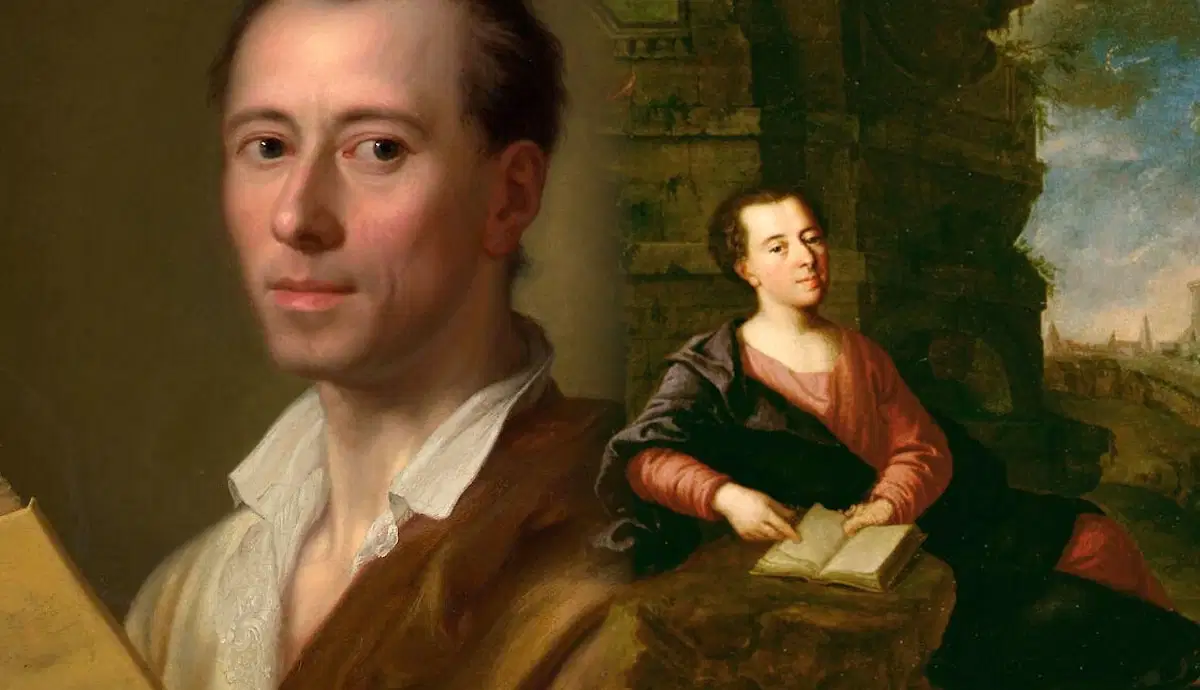
 Celine Jarrar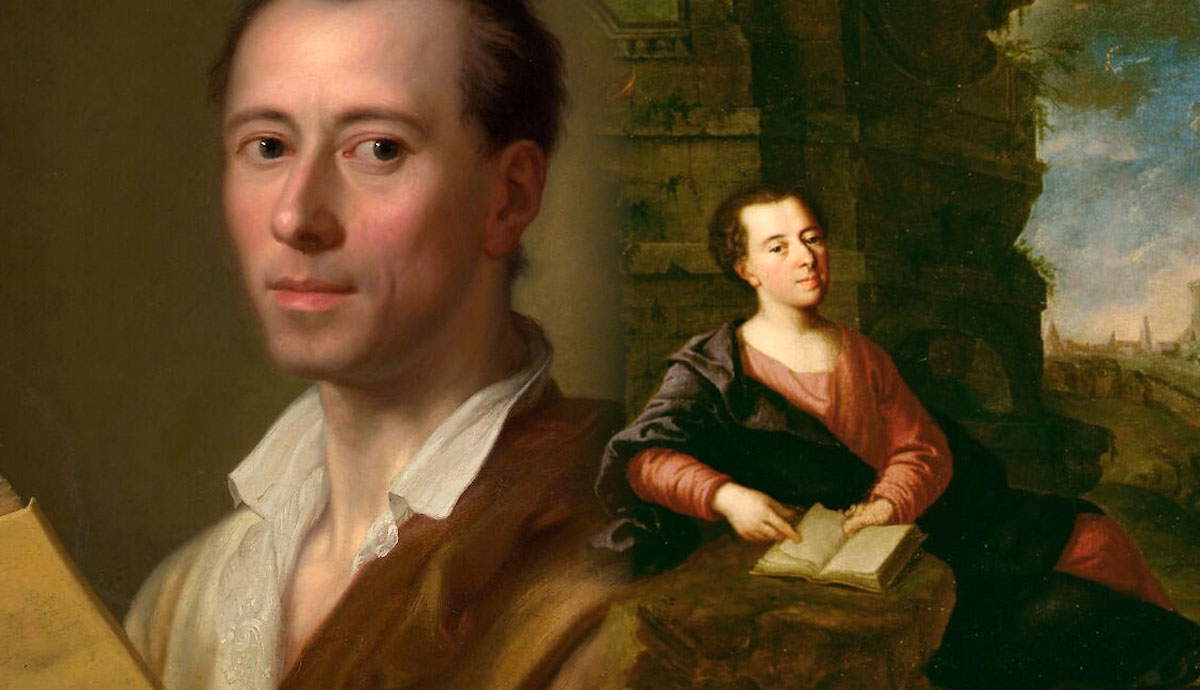
One artwork to sit with: Canaletto, Venice: The Basin of San Marco on Ascension Day (c. 1740) — painted specifically for Grand Tour collectors, it shows Venice performing its own magnificence for foreign eyes. Look at how a city learns to see itself through the gaze of visitors. It tells you something about how every great institution manages its reputation.
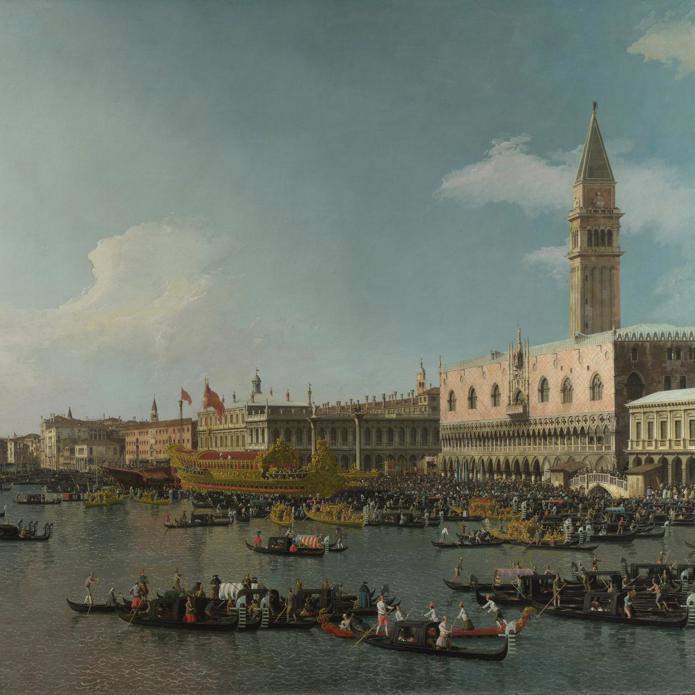
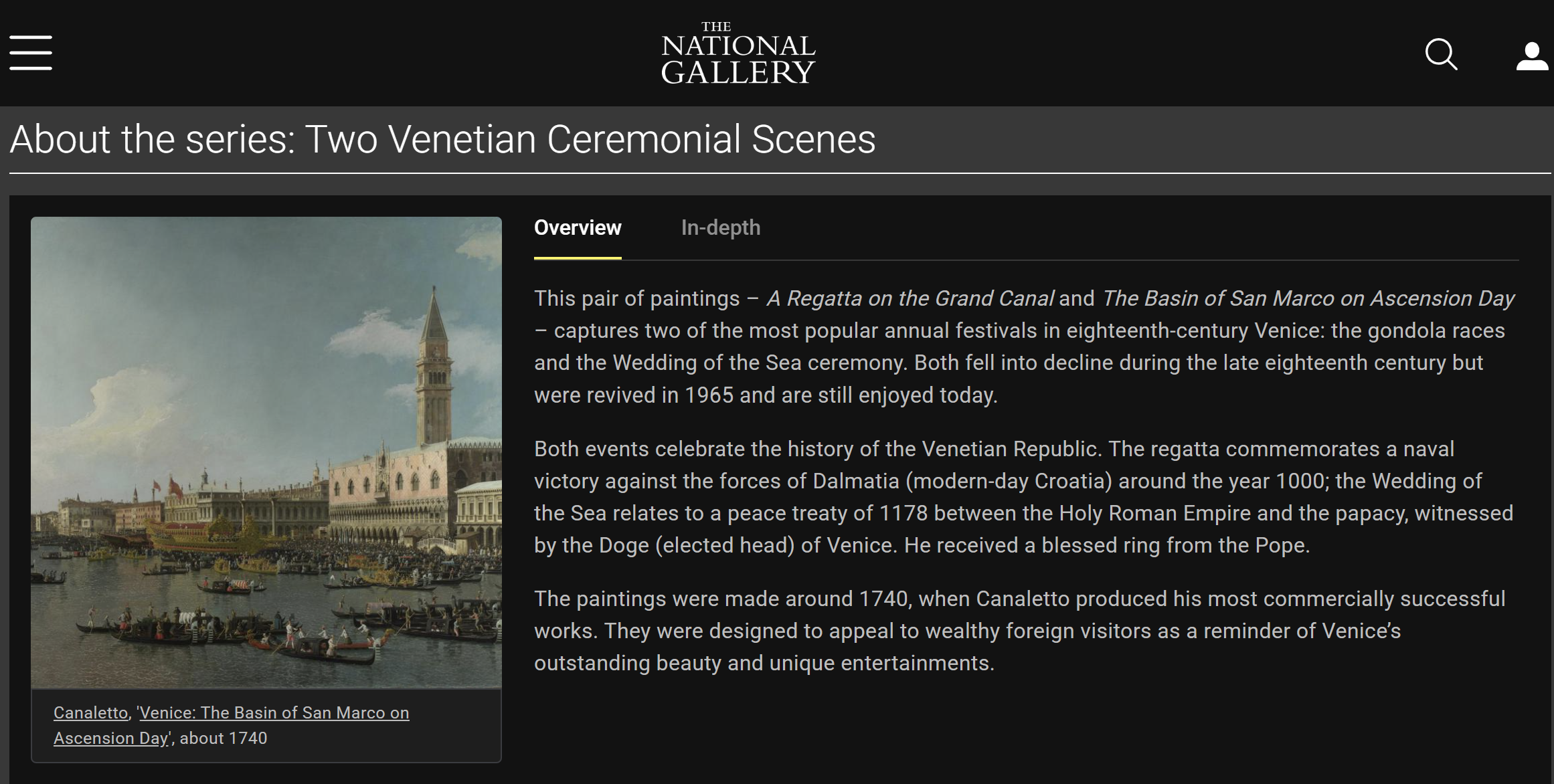
Note) If you are in London, you can see the art at the National Gallery.
Next: Post 1 — London: The Fog, The Fire, and The Market
![Life | Greece Sanctuary] Skiathos #Escape](https://storage.ghost.io/c/2a/9e/2a9e2b04-30f6-4166-8010-a3730d2eb719/content/images/size/w720/2026/09/Skiathos.jpg)
![Life] What is your comfort food?](https://storage.ghost.io/c/2a/9e/2a9e2b04-30f6-4166-8010-a3730d2eb719/content/images/size/w720/2026/09/WhatsApp-Image-2026-09-18-at-10.11.32.jpeg)
![Life | London Sanctuary] The Grove: Place of Restoration #Retreat](https://storage.ghost.io/c/2a/9e/2a9e2b04-30f6-4166-8010-a3730d2eb719/content/images/size/w720/2026/08/WhatsApp-Image-2026-08-07-at-21.51.41.jpeg)
Comments ()