Obsidian Essay | Leadership] THE KENNEDYS: Leadership Lessons Behind the Screen
![Obsidian Essay | Leadership] THE KENNEDYS: Leadership Lessons Behind the Screen](https://storage.ghost.io/c/2a/9e/2a9e2b04-30f6-4166-8010-a3730d2eb719/content/images/size/w1200/2026/07/7b3e2e4e6c8fec59ff2351819a61a7d3.jpg)
EJ's note
How do you learn about a country?
It is a Summer vacation season. My friends are talking about taking family vacations in other countries. How do you learn about a country you visit? Some people find a nation through its novels. Some through its food, its music, the way people behave on public transport. I have never managed any of those. Because of how I grew up, the language of politics is the language and the terms of reference I can actually understand.
I have written before about the expat and diplomatic rhythm of my childhood/teenage years — the constant assembly and dissolution of communities. What I did not say is what it does to your mental furniture. When your world reorganises itself around who has been posted where, politics stops being a subject you have opinions about and becomes something closer to weather. Treaties, elections, ambassadors, the machinery of states were not abstractions in my house.
It goes further than vocabulary. I grew up with security protocols and confidentiality norms that most civilians never encounter and would find faintly absurd — what you say, where you say it, what does not go in writing, who needs to know. When I travelled somewhere new, I did not reach for a guidebook. I read the CIA World Factbook. Government type. GDP composition. Borders and disputes. Transnational issues. That was my idea of preparing for a country visit - whether for pleasure or business.
It took me a good many years of deliberate work to unwind that. I am pleased to report I am considerably more civilised now that none of the protocols apply.
But the vocabulary stayed. For Britain, that means Churchill and the monarchy. For Germany it means Goethe — its own essay, since a country whose central reference point is a poet rather than a statesman is telling you something. And for America it has always meant the Kennedys. My bookshelves are full of books about them. I wake up in the morning staring into their faces and titles and fall asleet at night again, catching the glimpse of their faces on the cover page of books.
The problem is where to start. The glamour sits in front of that family like a screen. The boats. The clothes. The compound. The marriages, the affairs, the endless documented scandals. It is so well made that you can spend years admiring it and never get behind it.
The glamour was not an accident. It was a political act.
A week after Dallas, Jacqueline Kennedy called the journalist Theodore H. White to Hyannis Port and gave him the interview that ran in Life. She was the one who reached for the musical. She supplied the line about one brief shining moment. She handed American memory the word Camelot and it has held for over 60 years.
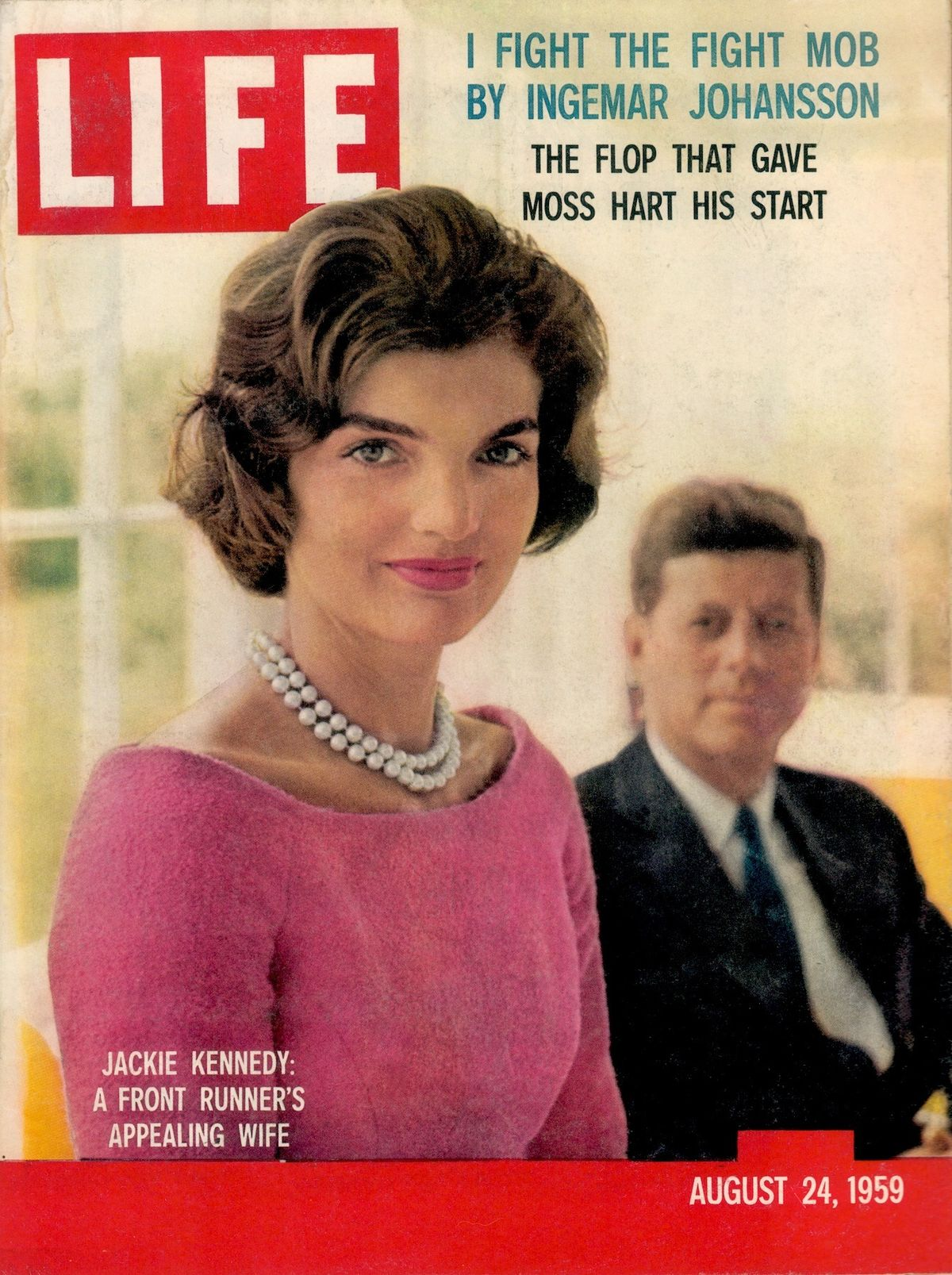
She was 34 years old. She had been a widow for 8 days. And she was already thinking about how the record would read.
So the screen is not sitting in front of the legacy. It is part of the legacy — built by the best communicator of the three. Once you see that, you can look underneath without feeling naive about it.
Here is what I find underneath.
Enjoy!
I. John: fix the room, not the decision
The most useful thing about John Kennedy is that he failed badly first.
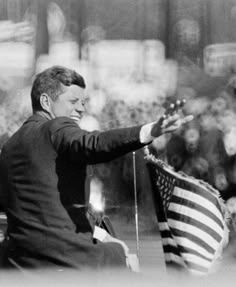
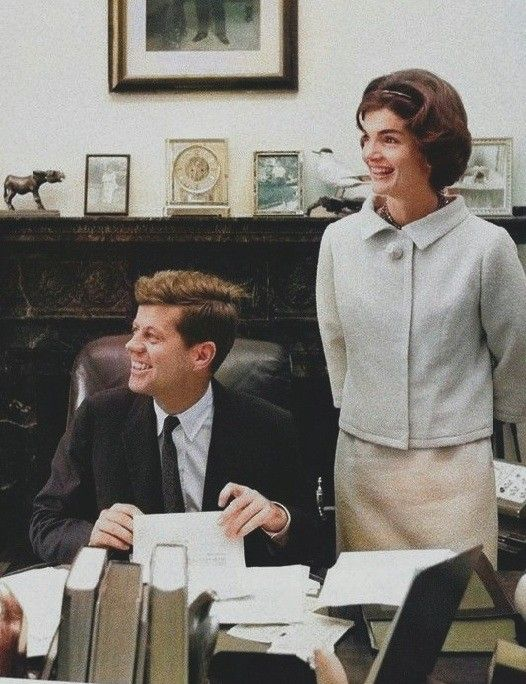
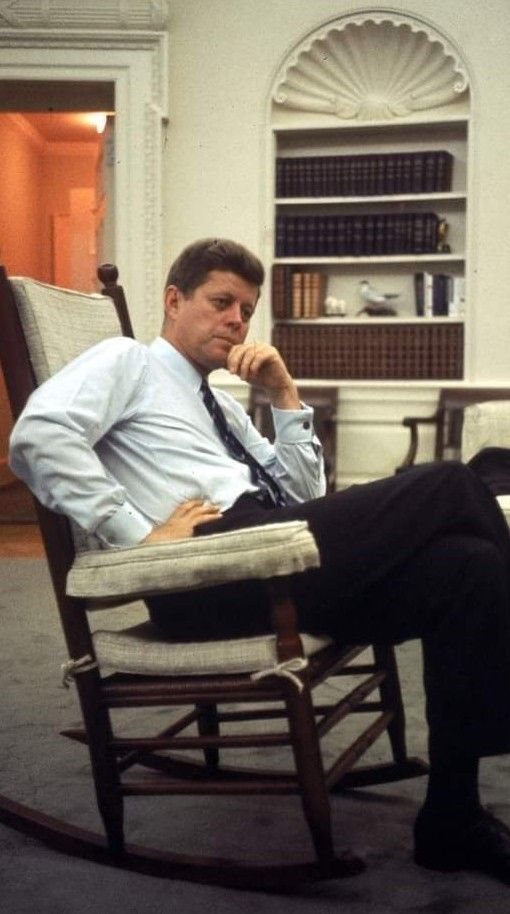
The Bay of Pigs, April 1961. He inherited a plan, asked his experts, got near-unanimous confidence, approved it. Disaster. He took public responsibility, which was decent. But the important part happened privately: he decided the problem was not the advice. It was the room.
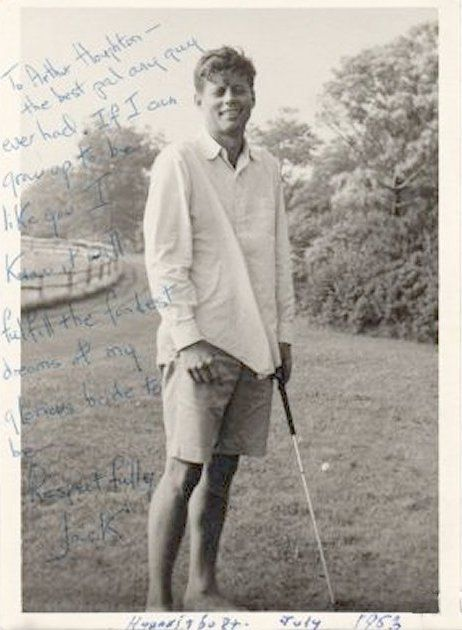
So he rebuilt it. Eighteen months later, during the Cuban Missile Crisis, he ran a deliberately different process — wider group, no fixed hierarchy, and he stayed out of some sessions because he had worked out that his presence made people agree with him. His own Joint Chiefs pushed hard for air strikes and invasion. He said no, and built an exit that let Khrushchev step back without humiliation.
There is a version of that fortnight that ends in nuclear exchange.
Unanimity in a senior room is usually a design failure, not a signal.
Then, 10 June 1963, American University. 27 minutes. He did not argue the Soviets were wrong — he talked about what they had suffered in the war and what we had in common, and said that if we could not end our differences we could at least make the world "safe for diversity." Pravda and Izvestia printed it in full. Khrushchev, who had refused anything short of a comprehensive ban for 6 years, moved. The Partial Test Ban Treaty was signed that August, ratified 80–19 in September. You cannot persuade anyone whose position you have not first taken seriously in public.
The next day he went on television and stopped treating civil rights as a legal problem. He called it a moral one. That bill became the Civil Rights Act of 1964. Nothing about the facts changed in 24 hours. The frame did, and the frame decided what was possible.
II. Robert: change in public, then build something that outlives you
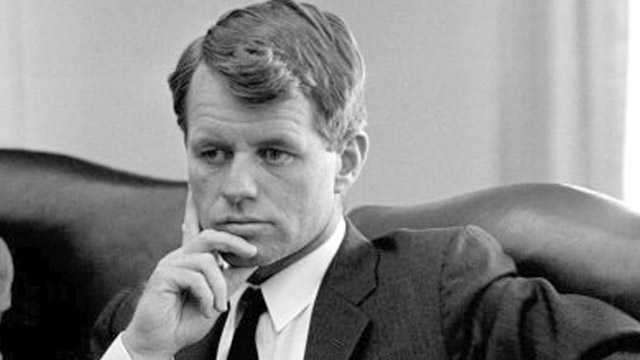
Robert is the one I find most useful, because he is the only one who visibly changed.
He started as his brother's enforcer. A hard campaign manager. An Attorney General who authorised surveillance he should not have. A hawk on Vietnam before he became its most serious critic. We reward leaders for never moving. He moved, on the record, and it is the reason he is still worth reading.
In 1967 he toured the Mississippi Delta and sat on a dirt floor with children who had visible malnutrition. He went to Appalachia. He walked Bedford-Stuyvesant. He already had the statistics. The statistics had not done it.
On 1 April 1967 he founded the Bedford-Stuyvesant Restoration Corporation with Mayor Lindsay, Senator Javits and Judge Thomas R. Jones — the first community development corporation in the United States. His presidential campaign died with him in June 1968. The corporation is still operating. Hundreds of others exist because it worked.
And on 18 March 1968, in a fieldhouse at Kansas in front of 20,000 people, he took apart the gross national product. It counts cigarette advertising, ambulances, the locks on our doors and the jails for the people who break them. It does not count the health of our children. It measures "everything, in short, except that which makes life worthwhile."
Almost nobody noticed. It is now credited as the start of the entire Beyond-GDP movement. What you measure becomes what you optimise — anyone who has watched a KPI quietly deform an organisation knows exactly what he meant.
"In our sleep, pain which cannot forget falls drop by drop upon the heart until, in our own despair, against our will, comes wisdom through the awful grace of God." - Aeschylus
Then, on 4 April 1968, he stood on a flatbed truck in Indianapolis and told a Black crowd that Martin Luther King had been shot. The police had told him not to go. Cities burned across America that night. Indianapolis did not.
He said his favourite poet was Aeschylus, and recited from memory: "in our own despair, against our will, comes wisdom through the awful grace of God."
He was not a reader of the classics until his brother was murdered. At Easter 1964, in Antigua, Jacqueline Kennedy handed him her own copy of Edith Hamilton's The Greek Way. He barely left his room until he had finished it. The Greeks were her consolation first. He carried them for 4 years, and that night he handed them on again — to strangers, in the dark, who had just been given the worst news of their lives.
He got it slightly wrong, incidentally. Hamilton's translation says despite. He said despair. From memory, without notes, on that night — and almost everyone agrees the mistake improved it.
The other Greek line in that speech, about taming the savageness of man, is also Hamilton. It is carved on his memorial at Arlington. A book one grieving person gave another ended up on his gravestone.
III. Jacqueline: power without office
She held no office at all, and has the most durable legacy of the three. I think about this more than the other two combined. I am always curious about the wives of politicians, heads of state and diplomats — women who knew exactly what they were signing up for, and who carried the duty silently, without ever making a scene. Personal life sacrificed, no complaints, all in the name of family honour and their husbands' political careers.
If only we knew.
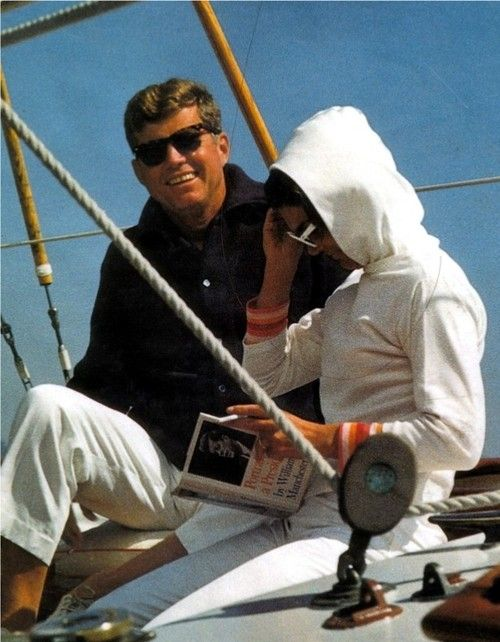

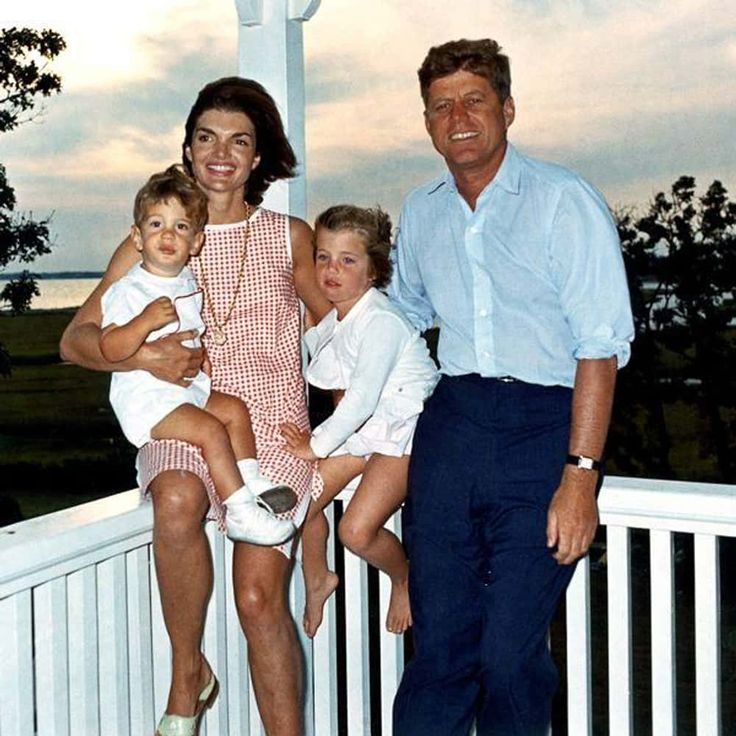
When she arrived in 1961, almost nothing in the White House predated 1948 and no law governed its contents. Departing administrations had simply sold things.
She built the Fine Arts Committee, hired the first curator, founded the White House Historical Association, and got federal legislation passed giving the house museum status permanently. A win that is not institutionalised is temporary. She also refused taxpayer money — the guidebook funded the restoration instead, because public money is an argument every four years.
On 14 February 1962 she walked the country through the house on television, on all three networks, in front of tens of millions. She was 32. She did not make a case for preservation. She took people around a building and let them conclude they owned it.
Then, 1975. A court voided Grand Central Terminal's landmark status. She phoned the Municipal Art Society and asked how she could help. She had exactly one currency — attention — and she spent all of it. In 1978 the Supreme Court upheld New York's Landmarks Law. Grand Central is standing because of that. So is a great deal of the rest of the city, including 8 blocks I later walked through daily without once thinking of her.
Then 20 years as a book editor at Viking and Doubleday. Around 100 books. In an office, five days a week.
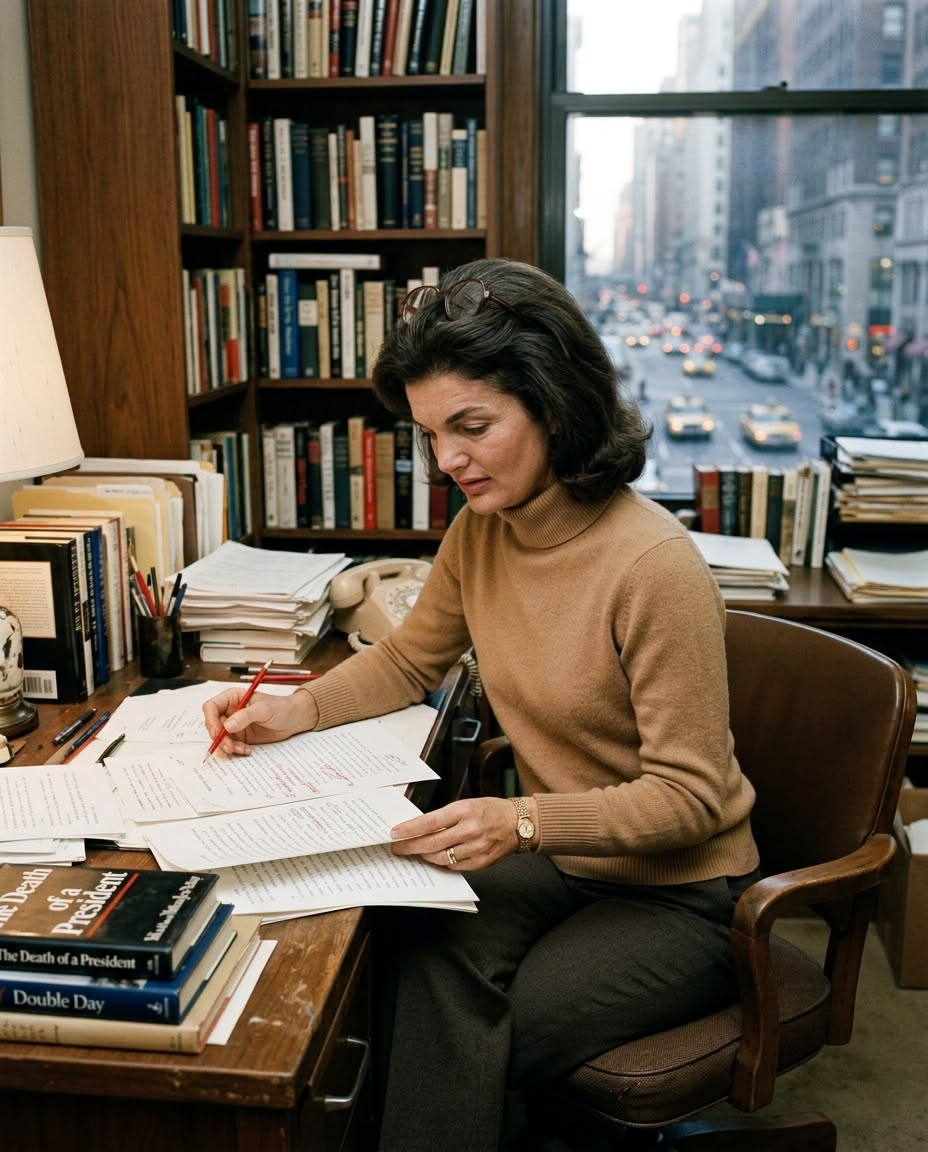
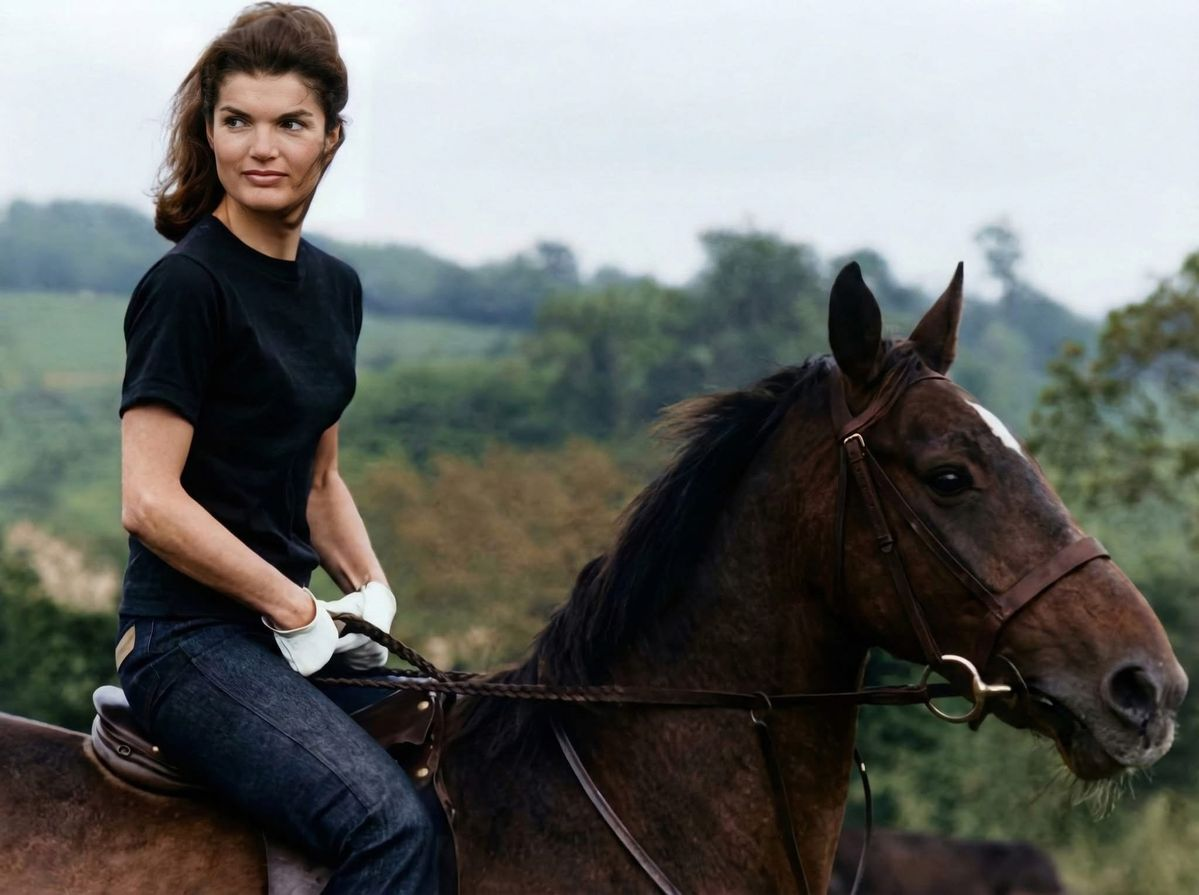
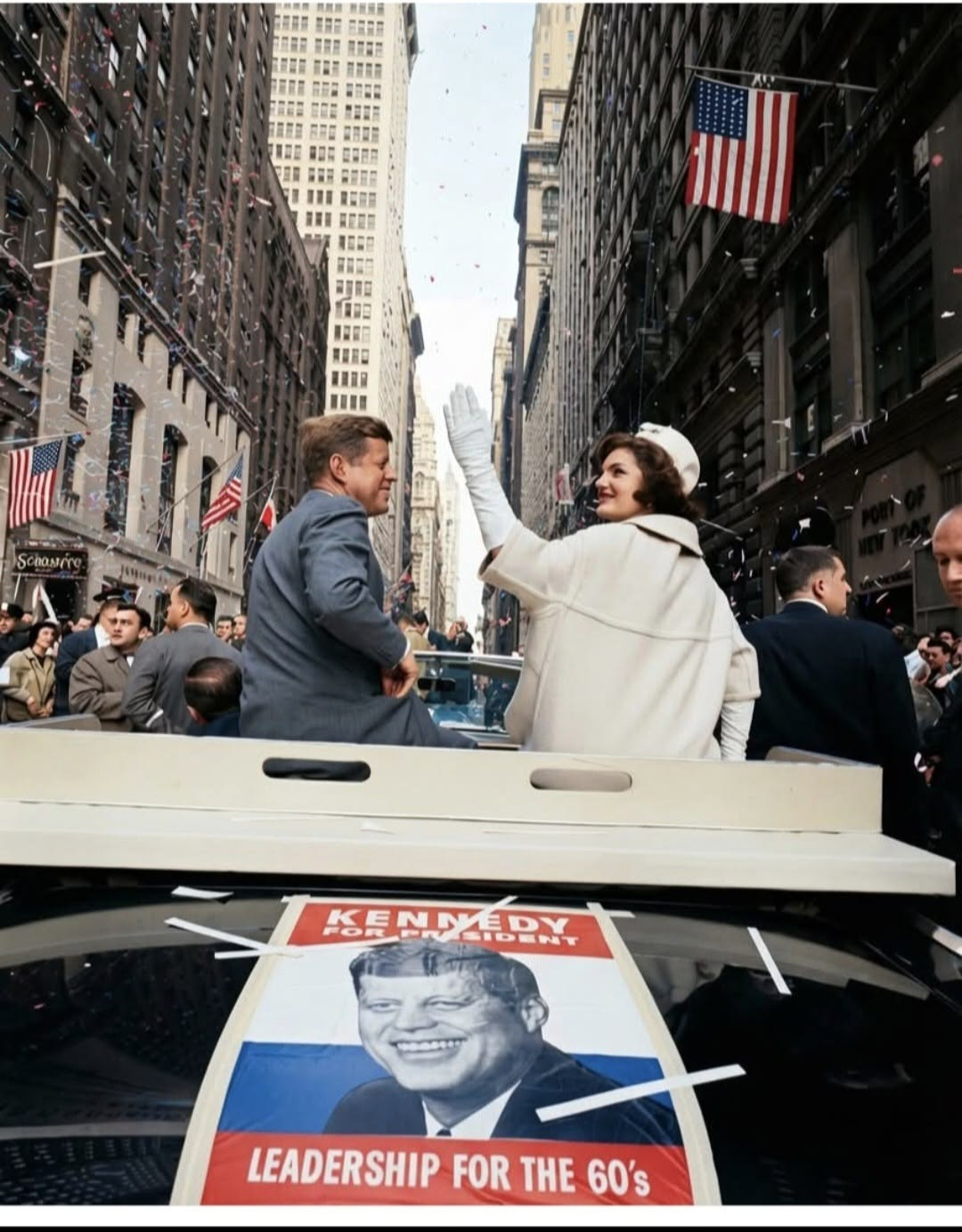
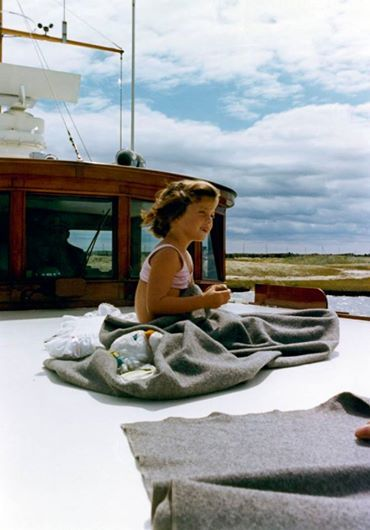
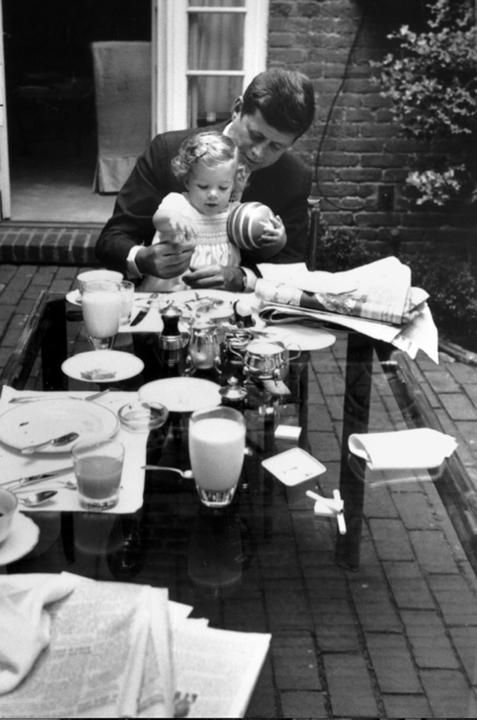
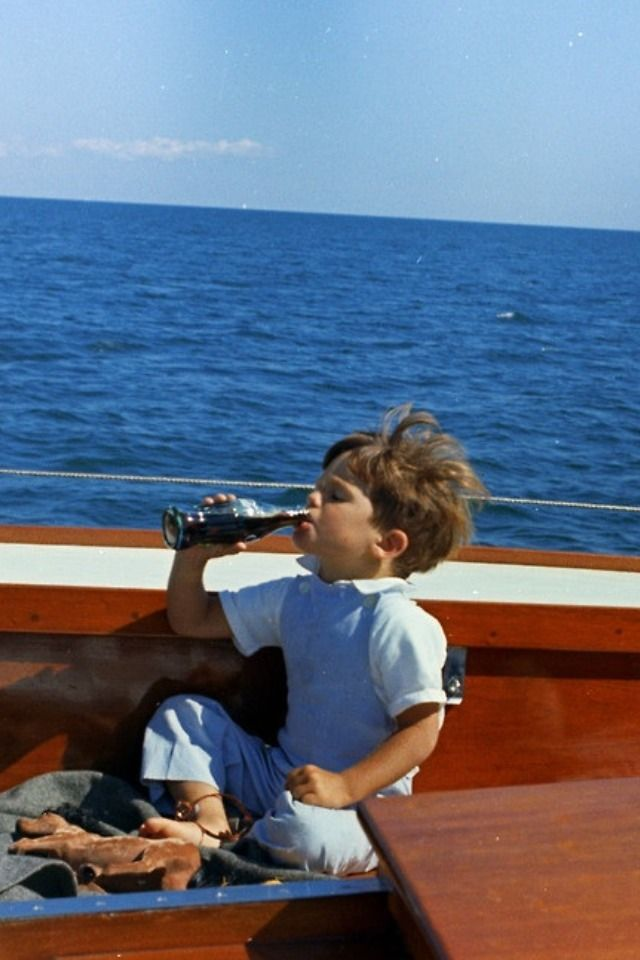
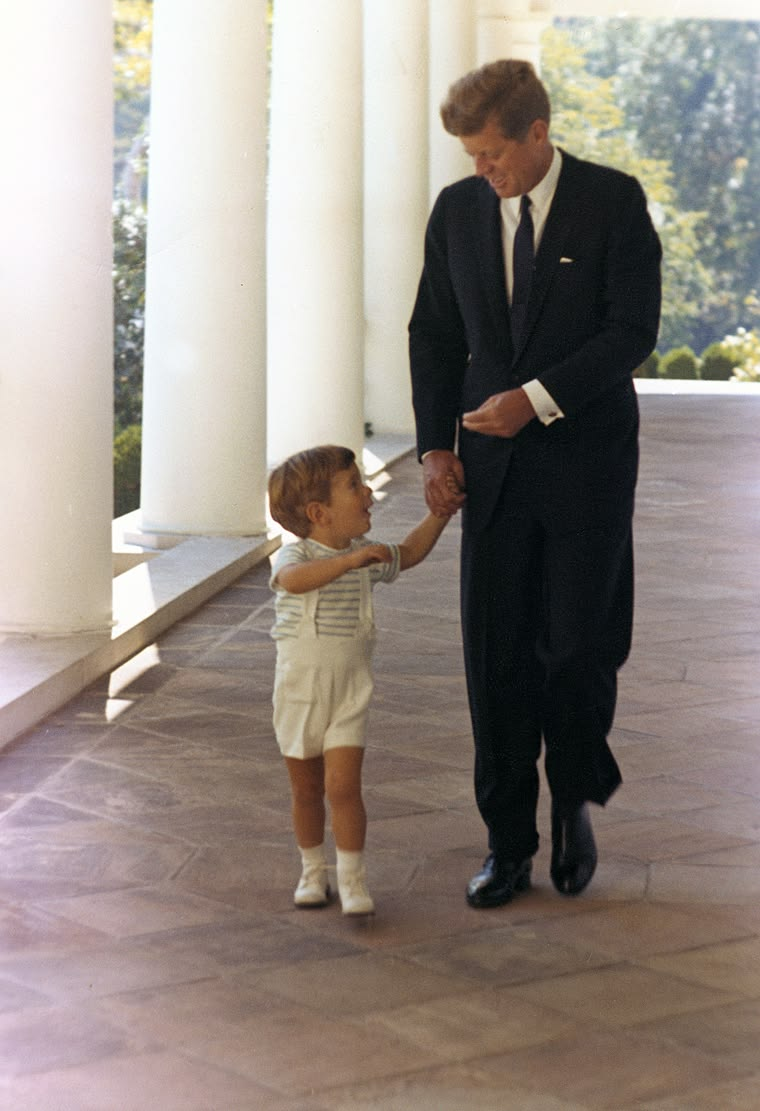
III. The children - Caroline & John Jr. Kennedy
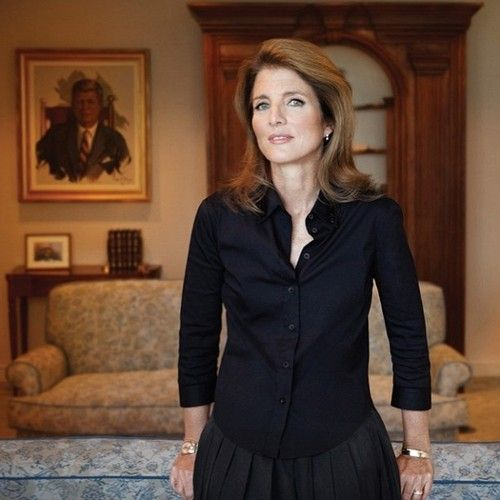
- Caroline decided what got carried forward, which is its own kind of leadership. She set up the Profile in Courage Award in 1989 — institutionalising a value rather than defending a reputation — wrote two books on constitutional law, and edited Profiles in Courage for Our Time in 2002, where the one profile she wrote herself was of Kofi Annan, then living at 3 Sutton Place (my neghborhood!). Then she did the job: Ambassador to Japan, then Australia. She could have written a memoir. Everyone would have read it. She wrote about the Bill of Rights instead.
- John Jr. read the medium of his time correctly and was mocked for it. Assistant District Attorney in Manhattan, 1989 to 1993 — 6 cases, 6 convictions. Then George in 1995, built on the premise that politics and popular culture were the same conversation. People thought it was frivolous. Looking at where American politics went, I am not sure it was.
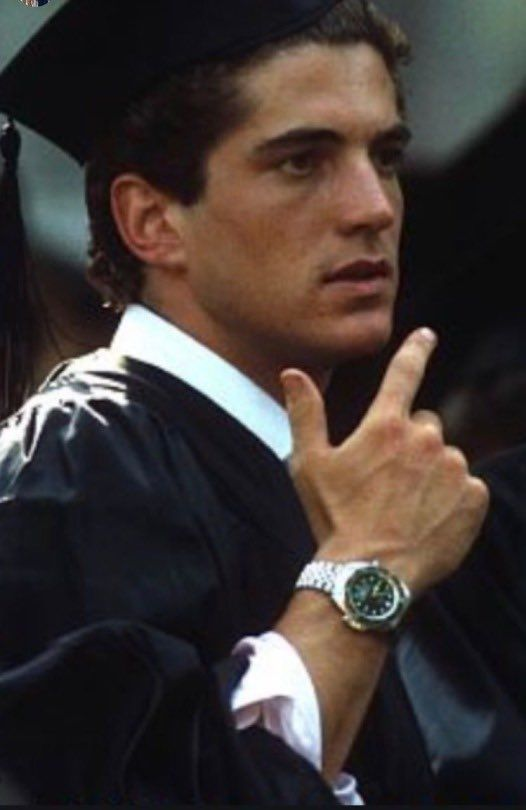
IV. What they mean now
- Stewardship, in an age of extraction: None of them treated what they were given as theirs. A presidency, a Senate seat, a house, a name — held in trust, handed on in better condition. I cannot think of a value more out of fashion, in politics or in business.
- Institutions over content: Robert's campaign is a memory; his corporation is an operating entity. Jackie's broadcast is a curiosity; her legislation is still law. We live in a period that rewards output and ignores structure.
- Measuring the right things: Kansas reads better now than in 1968. We are automating and indexing at a speed that makes what exactly are we maximising the most practical question in the room.
- And the screen: Jackie invented modern image management on 8 days of grief, and it worked so well we are all still inside it. Every one of us now runs a version of what she built at Hyannis Port. That is not a Kennedy problem any more. It is a general condition — which is exactly why it is worth learning to look underneath.
One should note though - the private lives were often careless and sometimes cruel. The image was managed with a sophistication that should make anyone careful. They were not better people than their contemporaries; some were worse. Hagiography is not respect. It is a way of not paying attention.
But the record is the record. A treaty that took the tests out of the sky. A moral argument that became the Civil Rights Act. An institution in Brooklyn still working. A speech that started a school of economics. A law that saved a house, and a phone call that saved a train station.
None of that is glamour. All of it outlived them.
Who are your reference points for the countries you love? And do you trust the method — or do you suspect, like I sometimes do, that we pick our people first and build the reasoning afterwards?
If you have time...
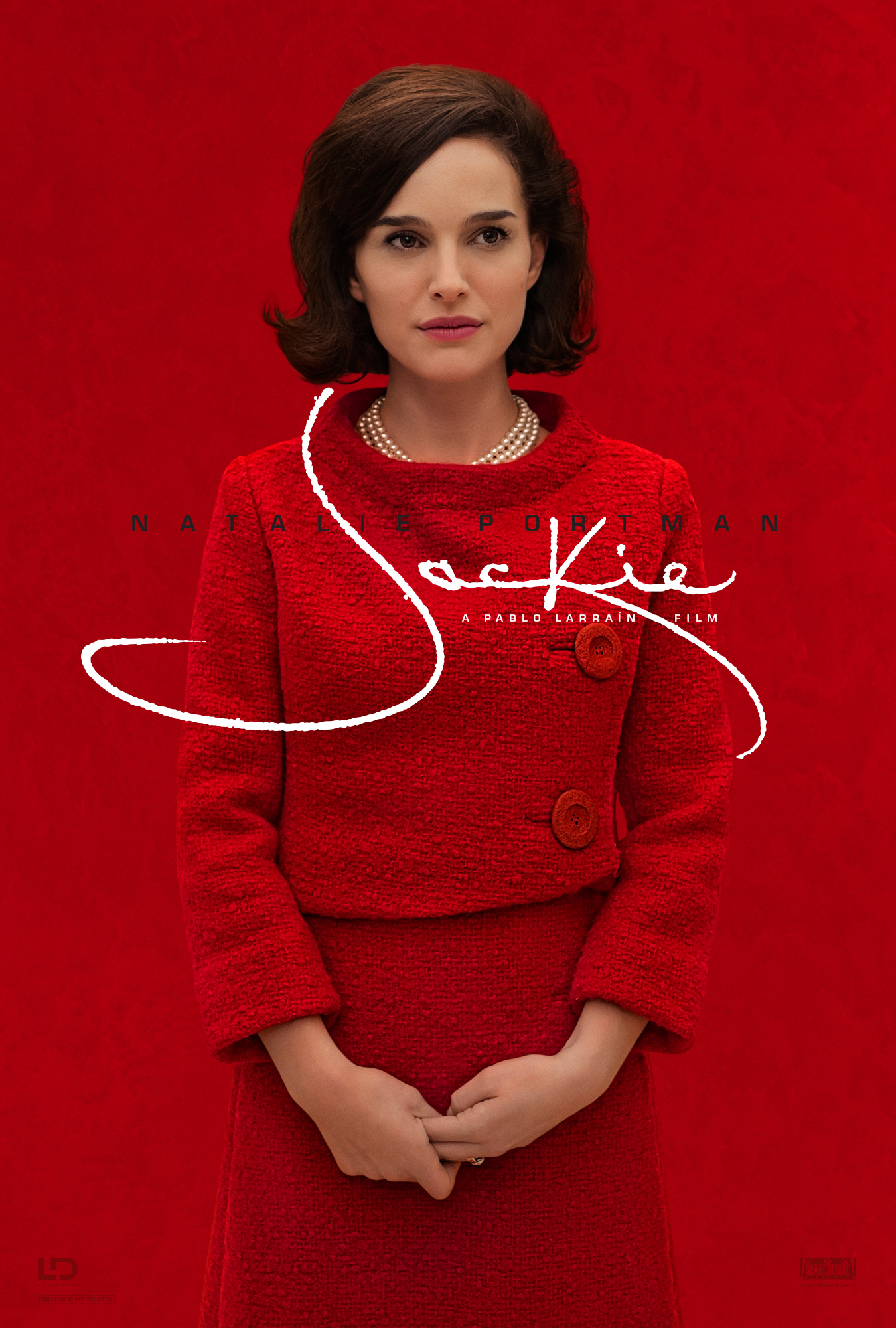
https://www.imdb.com/title/tt1619029/
 Robert F. Kennedy and Theodore J. Lowi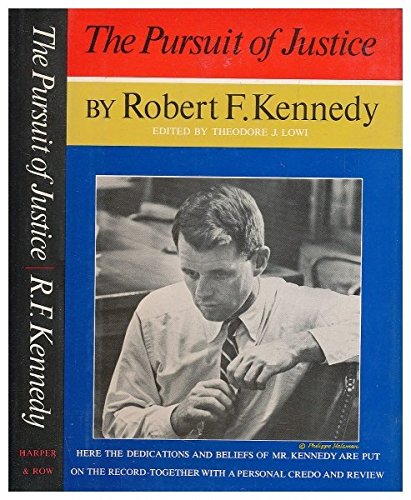
 Robert F. Kennedy and Martin Sheen and Edwin O. Guthman and C. Richard Allen
 John F. Kennedy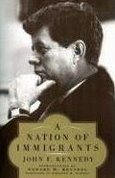
![Leadership] The Odyssey and Superhuman](https://images.unsplash.com/photo-1728076992371-659f5540a27c?crop=entropy&cs=tinysrgb&fit=max&fm=jpg&ixid=M3wxMTc3M3wwfDF8c2VhcmNofDJ8fGl0aGFjYSUyMGdyZWVjZXxlbnwwfHx8fDE3ODg0MTA0OTZ8MA&ixlib=rb-4.1.0&q=80&w=720)
![Obsidian Essay | Leadership] JFK.](https://storage.ghost.io/c/2a/9e/2a9e2b04-30f6-4166-8010-a3730d2eb719/content/images/size/w720/2026/08/231120172101-lead-image-john-f-kennedy-life-career.webp)
![Obsidian Essay | Leadership] The Three Lives of Jackie: Bouvier, Kennedy, Onassis — and What She Would Want Us to Know](https://storage.ghost.io/c/2a/9e/2a9e2b04-30f6-4166-8010-a3730d2eb719/content/images/size/w720/2026/08/230508_r42270.webp)
Comments ()