Obsidian Essay] Death of the Enemy: Notes on UK Citizenship and Sovereignty
Personal Essay.
![Obsidian Essay] Death of the Enemy: Notes on UK Citizenship and Sovereignty](https://storage.ghost.io/c/2a/9e/2a9e2b04-30f6-4166-8010-a3730d2eb719/content/images/size/w1200/2025/12/citizenship-ceremony-7-1.jpg)
I owe nothing to anyone; no one owes me anything. - EJ Elena Shin
CONGRATULATIONS!
Everybody told me so. I was taken aback. I didn’t expect the ceremony to matter.
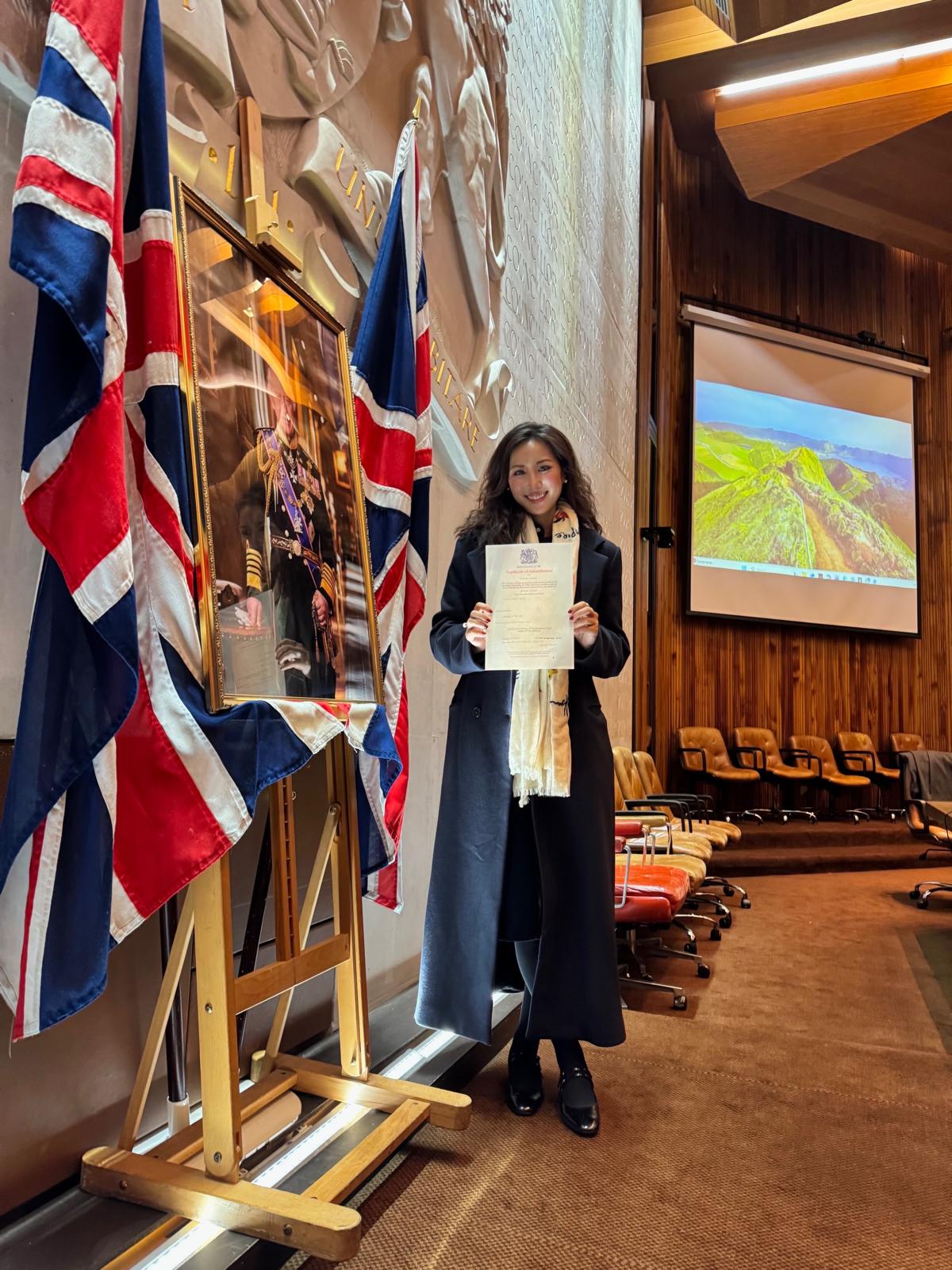
I arrived jetlagged, nearly late, and emotionally flat. In my mind, it was meant to be administrative—show up, sign, leave. No sentiment, no reflection. I was going to show up in my hoodies and jeans with no make-up until my friends told me I should wear something like a cocktail dress with a fascinator. But the moment I was handed a fountain pen to sign my name in the record book, something in me shifted. A tremor moved through my chest.
I almost didn’t make any of this happen. After finally submitting a long-postponed application, I somehow missed the approval email for months—an unconscious self-sabotage my friend Barbara later told me the French have a word for: l'acte manqué. When I eventually found the email again, I was sitting beside my brother in a South Korean ICU, preparing for the possibility of losing him. Panic hit: Had I blown my chance?
I hadn’t. The registrar granted an extension for the ceremony, which officiates my citizenship. And even on the day itself, dizzy with jetlag + all the fatigue from sleep deprivation and care for my family, I went to the wrong venue. Yet somehow, the universe was merciful; it rearranged itself so I arrived at the later ceremony—two hours behind schedule, but on time for my life.
Jan, the registrar at the Chelsea office, was the first to congratulate me. His voice was warm, unfussy, grounding. It reminded me of something I rarely let myself feel: this is worth acknowledging. I have spent much of my life minimizing my own milestones. Celebration once felt unsafe, almost indulgent.
But here, unexpectedly, something in me softened.
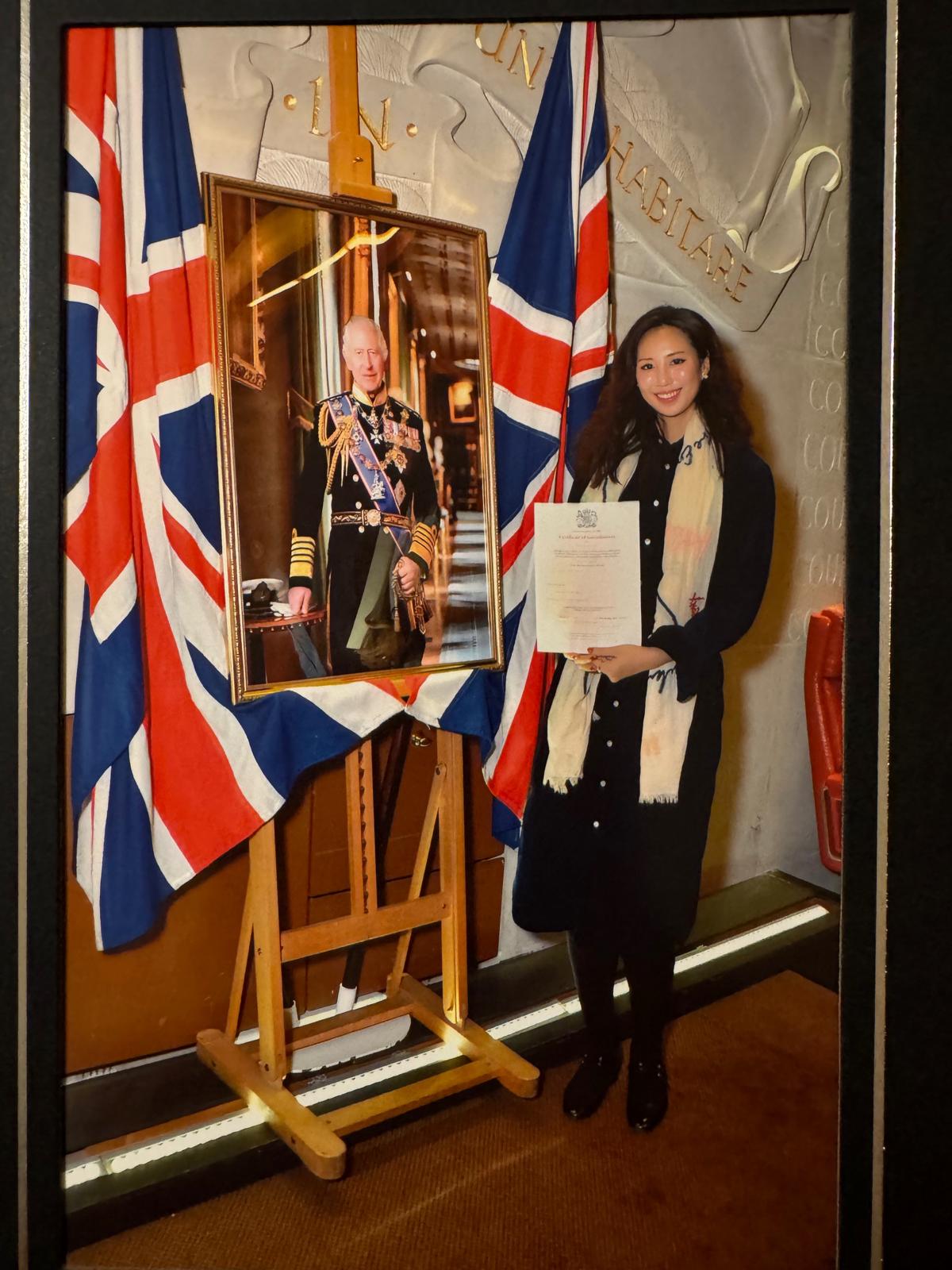
As I sat down, my eyes caught the small Union Jack ornament on the desk, the certificate laid neatly beside it—the flag I would now be affiliated with. The thought startled me. (I know this may sound ungrateful to some, but I am documenting) Oh, I really didn't think the UK flag would be the one to come my way first... If anything, I thought the US flag would come first, because I am most American inside...after all, I spent 15 of my formative years in Canada/NYC, growing up with host families; and yes, somehow it is my 9th anniversary in the UK! The pandemic turned my life upside down, and my plan to return to NYC was pushed back by five good years—or made almost impossible any time soon. I was talking to myself: I am grateful indeed for everything. I should be!
People around me were celebrating with their families. I was alone, hoping the rising emotion wouldn’t spill into tears. Laura, a Russian lady with striking model-like features, sat beside me—noticing, perhaps, my stillness—and turned with a bright smile.
“Congratulations.”
Something opened. Her presence made the room feel less foreign, less formal. She added almost casually, “My little daughter with a Danish passport was turned down. Perhaps they assumed she didn’t need this one.”
That remark brought me back to reality; it reminded me that this moment was not guaranteed. A small, private swell of gratitude rose in my chest. Relief, too. I felt numb at first, then oddly elevated. Light.
This, I realized, was a beginning. And an ending.
When the Enemy Dies, Your Anchor Dissolves
There is a strange moment when the thing you've been running from your whole life finally dissolves.
Your enemy—the very thing that has been unconsciously shaping your life—dies. It no longer defines your identity in opposition to it. Then who are you in the absence of that enemy?
It is a bittersweet paradox. This is the moment you have been waiting for, yet suddenly you no longer know who you are without the resistance.
For much of my life, my momentum came from escape. Escape from expectation. From confinement. From a destiny defined by bloodline and others' projections. My identity was forged in the fire of refusal.
But today, that anchor has disappeared. No enemy to fight. No wall to push against. No script to obey or resist.
Only freedom. And the unsettling responsibility that comes with it. Now I must choose my purpose without using angry resistance as fuel.
I know this may sound detached from the experiences of many for whom a UK passport is a survival lifeline. In my case, the debate was never about security but identity. Naturalising here meant relinquishing my South Korean passport. My parents were firmly against it. In their world, nationality is not paperwork; it is loyalty, lineage, and duty.
Nationality in Korea is entwined with history, pain, duty. For generations, my family upheld a deep sense of responsibility for public service.
“You are to serve the land, the people,” they always said.
For decades, as a daughter of a diplomat and government official, I avoided acquiring citizenship in Canada or the US, even though I lived there longer than in South Korea. It would have been easier for scholarships, work visas, everything. But I couldn’t do it. It felt like betrayal.
Yet here I was, 22 years later, finally stepping into a choice that had always felt too heavy to make.
The New Allegiance
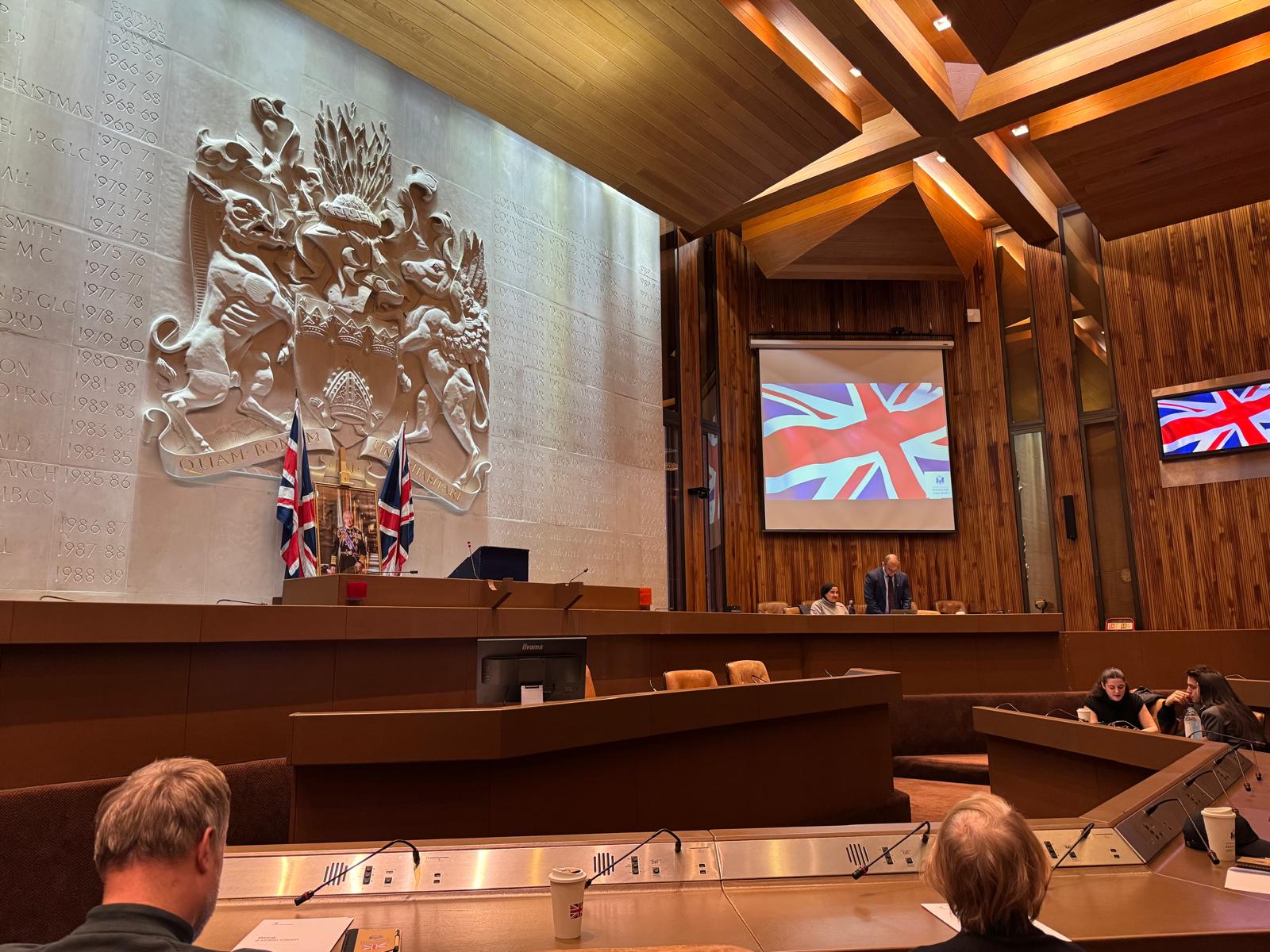
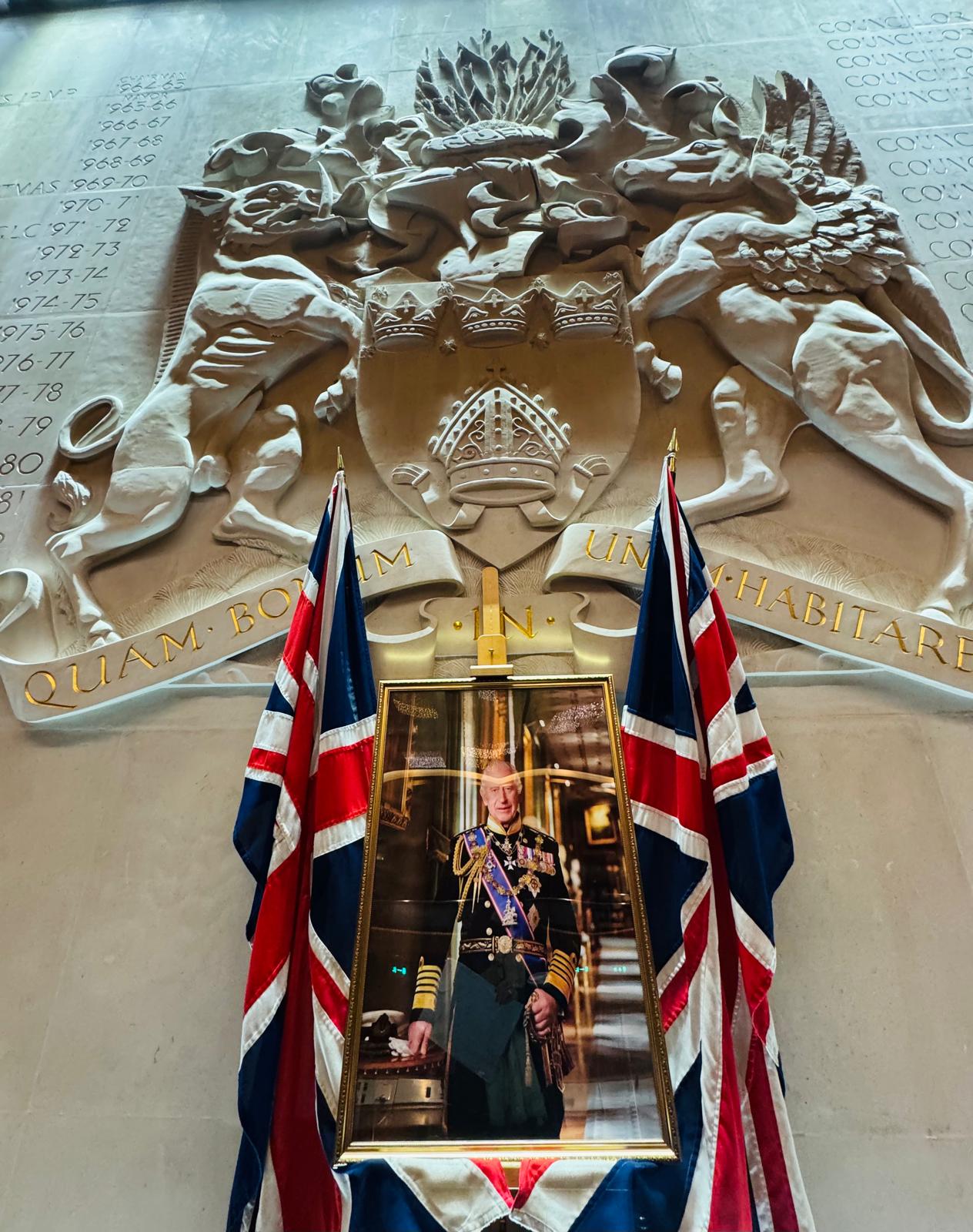
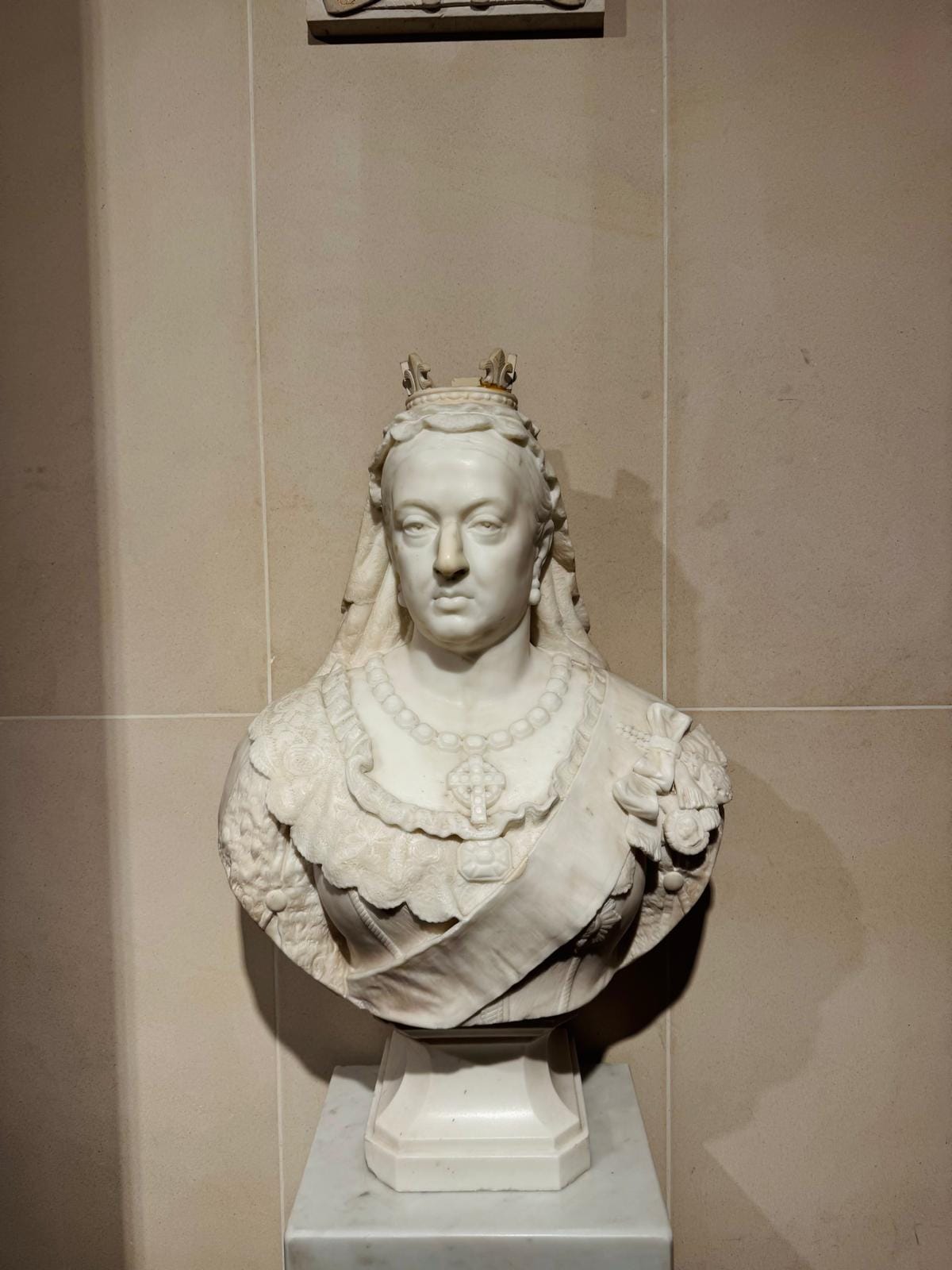
The ceremony took place in the Royal Borough of Kensington and Chelsea—one of the four royal boroughs, the birthplace of Queen Victoria. I hadn’t known that when I walked in, but once I learned it, something clicked deep inside me.
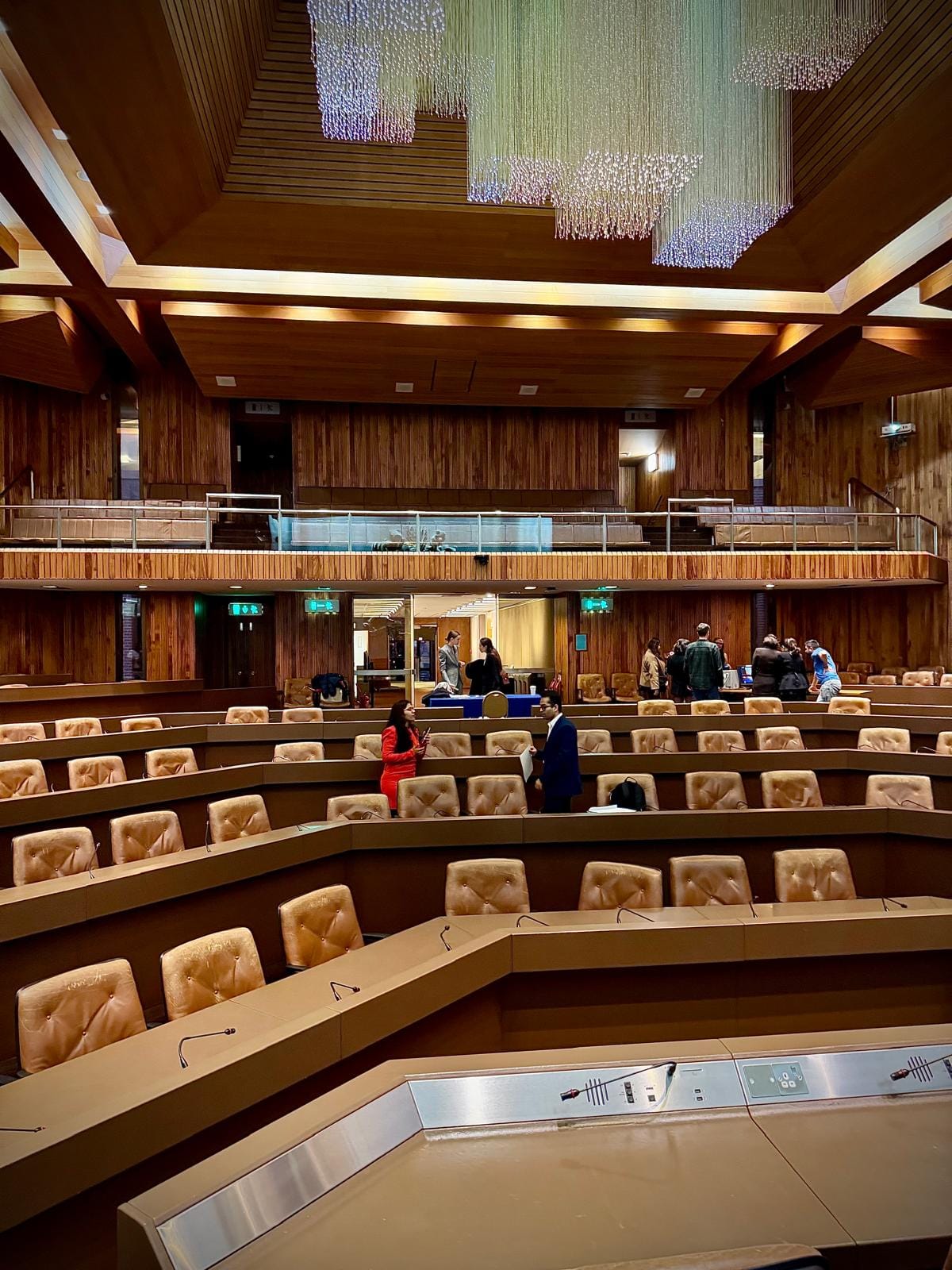
The room reminded me of a miniature UN assembly hall. Flags. Chairs. People from everywhere. Through small smiles and brief glances, I sensed unspoken kinship: each of us had crossed something to arrive here. Each of us had a story. And that choice—because citizenship is always a choice—linked us in an immediate way.
It struck me: this was one of the rare rooms in my life where everyone, in their different ways, was beginning again.
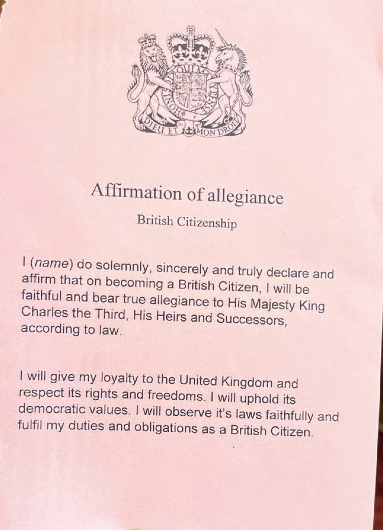
When it came time to swear the oath, an unexpected sincerity rose in my voice. I imagined myself as a kind of knight...guardian—someone who has moved between countries, civilizations, histories, and is now committing to something not as possession but stewardship.
A knight in a parallel universe.
One who guards the integrity of people, nature, land, and the unseen architecture that binds them.
As that image settled, I bowed my head slightly. I meant every word.
To the Women Who Came Before Me
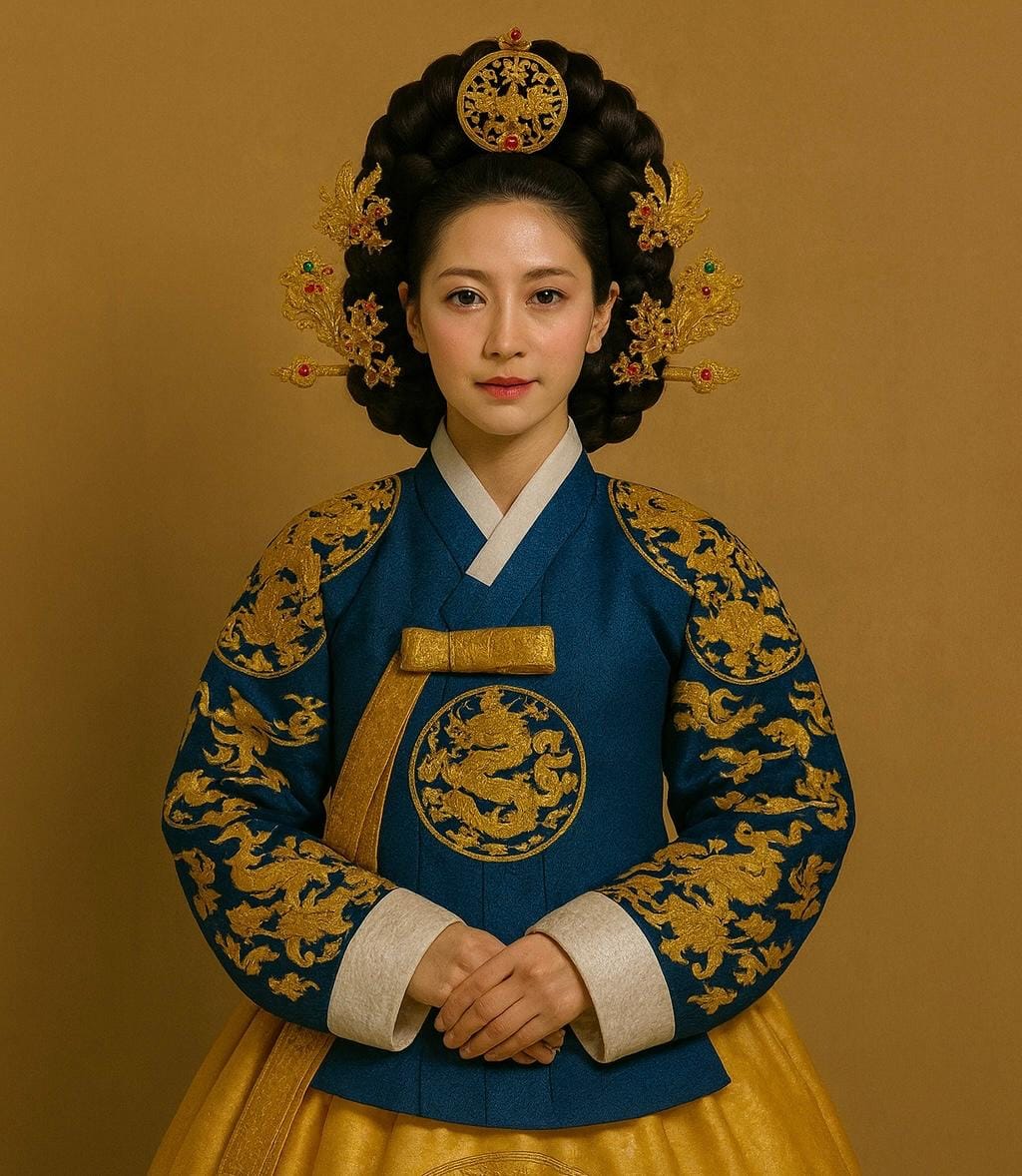
As the ceremony unfolded, my thoughts drifted to the women in my lineage—women whose names barely made it into public memory. Women whose lives were confined to courtyards and palace walls. Women who carried dynasties silently, without recognition or choice.
One particular ancestor—a Joseon-era queen—has followed me as a reference point throughout my life in my head. A reminder of a path I inherited but refused to fully step into.
I realized: I might be the first woman in my family to step entirely outside that script. The first to build a life not as someone’s daughter or wife, but as a person in her own right. The first to redefine duty, not abandon it.
Holding the small UK flag, I felt grief for the lives my ancestors couldn’t live—and release, knowing I no longer needed to carry the weight of their unspoken dreams.
So I offered the moment to them: This is for you. For the choices you never had. And for the lineage I am allowed to rewrite.
Four Worlds Inside One Body
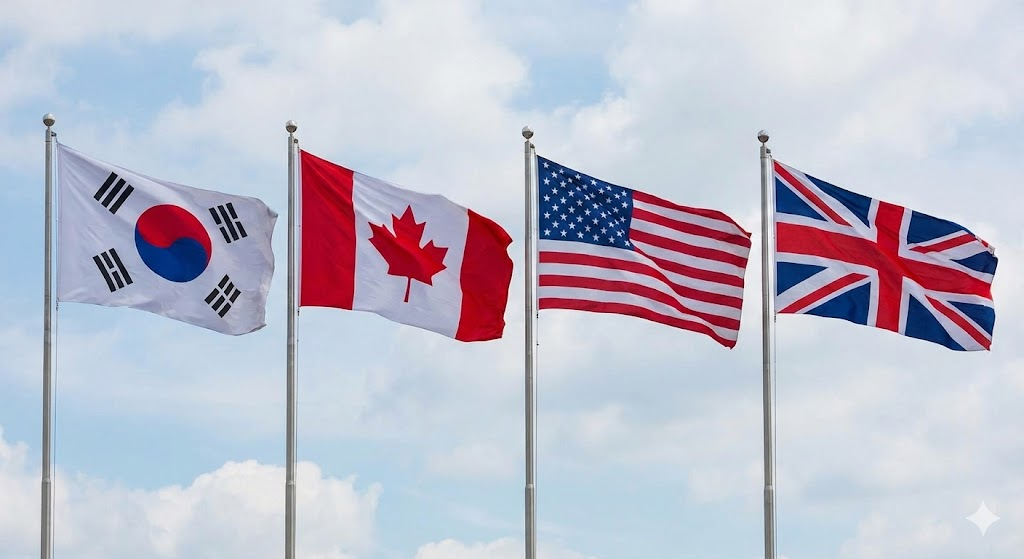
As I stood with the certificate in hand, my mind moved through the four countries that shaped me.
- Canada — My first teacher of survival. I arrived as a teenager, alone. Winter was the first lesson in humility. Canada taught me how to be foreign, how to take care of myself before I knew how, how to keep moving through loneliness. Its gentleness was real, but so were its demands. From Canada, I inherited resilience and the ability to stand alone.
- America — The keeper of my fire. New York sharpened me. I still consider myself a New Yorker through and through. It taught me speed, scale, ambition, and audacity. I watched a new generation of empire-builders rise—Obama, Altman, Musk, Thiel. America taught me to dream without asking permission, to believe in visions that stretch beyond logic. From America, I inherited vision and appetite.
- The United Kingdom — My structure. Here, I encountered an old system with centuries of governance behind it. The birthplace of modern capitalism and democracy. A land marked by empire’s legacy and accountability. A place where capitalism and welfare exist in uneasy but deliberate balance. A nation that has survived collapse, reinvention, and restraint. From the UK, I inherited responsibility, perspective, and institutional clarity.
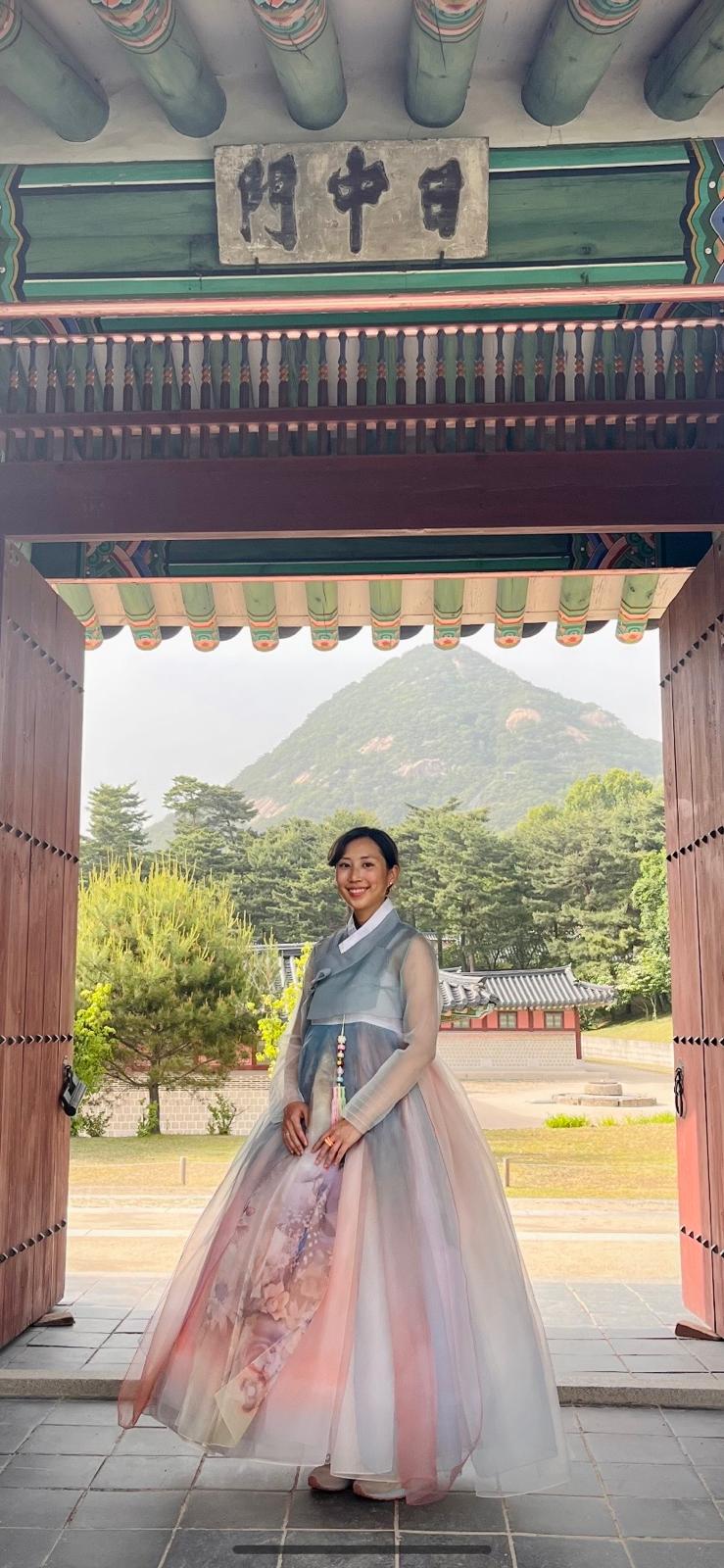
- South Korea — My spine. An ancient, continuous civilization shaped by scarcity, invasion, resilience, and moral rigor. Korea taught me what integrity looks like under compression. What it means to hold values through chaos. What it means to endure without losing humanity. From Korea, I inherited moral clarity and the refusal to break.
These four countries don’t blend smoothly within me. They argue. They contradict. But together, they form the architecture through which I see the world.
I now understand what sovereignty is. Not freedom from responsibility—but the right to choose which responsibilities I carry.
Thank you, Land
When I moved to London nine years ago, I arrived with high hopes. I had begged my manager in NYC to relocate me here, chasing a romanticized vision of Europe and wanting to get closer to the center of sustainable investing. I hoped it would be a permanent settlement.
But the reality was a hard landing.
I am a New Yorker through and through. I struggled with the transition. I felt invisible. I questioned if I had made the biggest mistake of my career by leaving the electric speed of Manhattan for the gray restraint of London. Quickly, I decided this would just be a temporary chapter—a pitstop before Switzerland or a return to the US.
For years, my eyes were fixed on the return flight. The plan was always to go back. But the pandemic pushed the timeline back, then back again.
In hindsight, it all makes sense—though I almost feel ashamed to admit it now.
While I was kicking and screaming to return to the US in a hurry, this mature land was patient with my immaturity. It acted like a wise elder who waited for me to stop throwing a tantrum so I could finally heal. It was patient enough to wait for me to grow into myself, forcing me to sit still and face my own ironies, paradoxes, and limitations.
London became a healing bed and a quiet chamber for me to finally fight the inner demons that have been hunting me for nearly four decades.
And so, here is the irony: I am not receiving citizenship in the city that fired me up, but in the city that forced me to slow down.
This land held me through some of the hardest years of my life. It witnessed my rebuilding. It gave me mentors, friends, teachers, allies. It steadied me when I was fractured.
I never imagined I’d stand in a royal borough one day and sing “God Save the King” with sincerity.
But today, I thanked it back.
New Beginning
Walking out into the December air, certificate tucked under my arm, the world felt strangely new.
I thought of the younger version of me who ran from suffocating expectations. I thought of the women who carried entire dynasties on their backs with no choice. I thought of my future children, whose passports will bear the crest of a country I chose for them today.
This ceremony was never about flags alone. It was about choosing a foundation not defined by fear or inheritance—but by consciousness.
For Korea, for my ancestors, for the girl I once was, and for the woman I am becoming—I accept this new chapter with clarity, calm, and the kind of seriousness that doesn’t need spectacle to be real.
I didn’t run this time. I chose.
![Obsidian Odyssey] Light. Brain. Heart.](https://storage.ghost.io/c/2a/9e/2a9e2b04-30f6-4166-8010-a3730d2eb719/content/images/size/w720/2026/10/nobel-prize-2026.webp)
![Obsidian Essay] Consciousness and the Universal Law...Quantum Computer](https://images.unsplash.com/photo-1614926037384-4159c33e196b?crop=entropy&cs=tinysrgb&fit=max&fm=jpg&ixid=M3wxMTc3M3wwfDF8c2VhcmNofDIzfHxnYWxheHl8ZW58MHx8fHwxNzg4NjEyNTA5fDA&ixlib=rb-4.1.0&q=80&w=720)
![Obsidian Essay] The Walk - Even Commanders Debrief ft. Admiral McRaven](https://storage.ghost.io/c/2a/9e/2a9e2b04-30f6-4166-8010-a3730d2eb719/content/images/size/w720/2026/08/wp-GettyImages-172044198_master.jpg)
Comments ()