Obsidian Essay - Art | Leadership] Wallace Collection
Reflection from the Wallace Collection, London.
![Obsidian Essay - Art | Leadership] Wallace Collection](/content/images/size/w1200/2026/04/WhatsApp-Image-2026-04-06-at-16.03.314-1.jpeg)
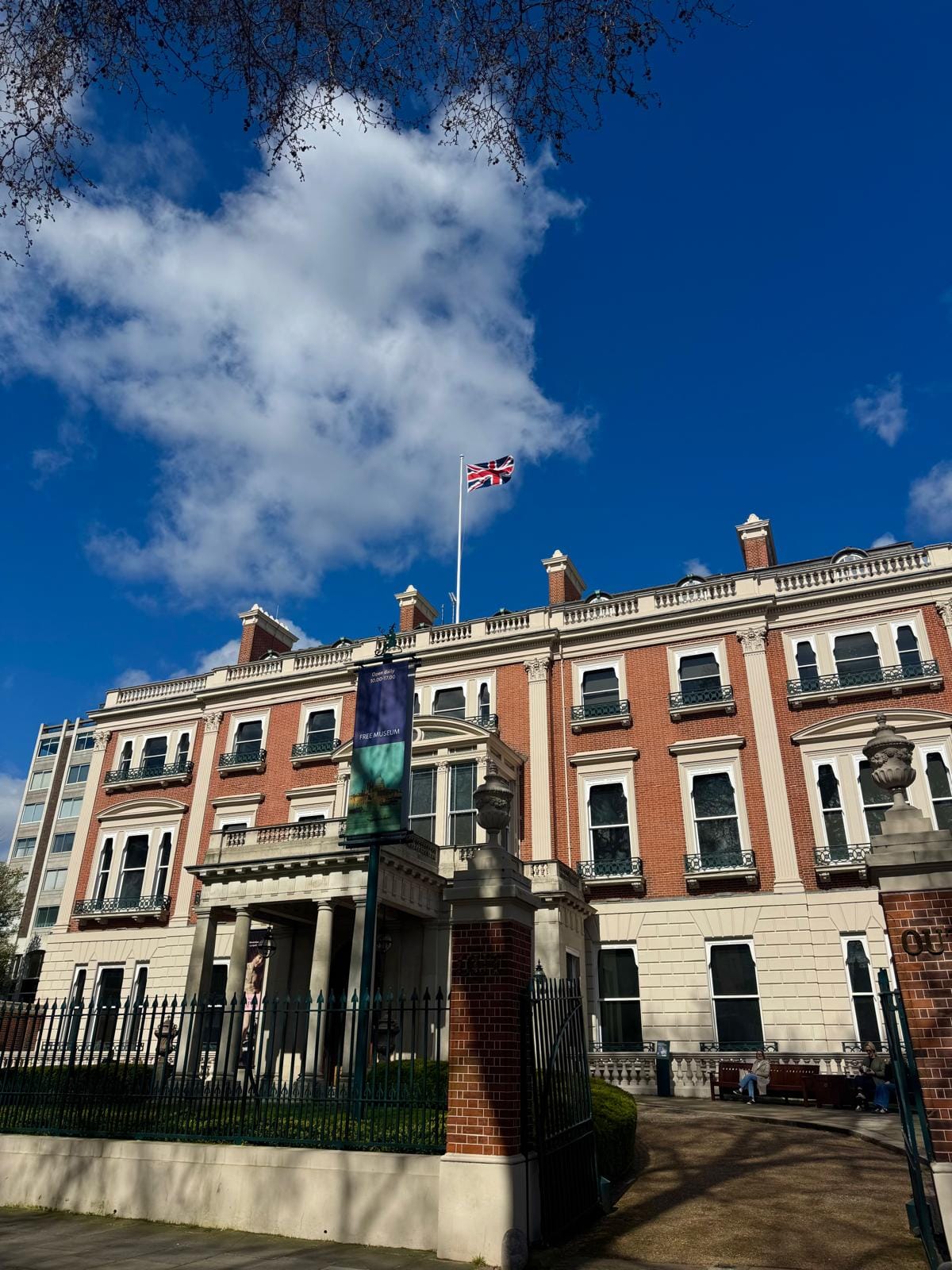
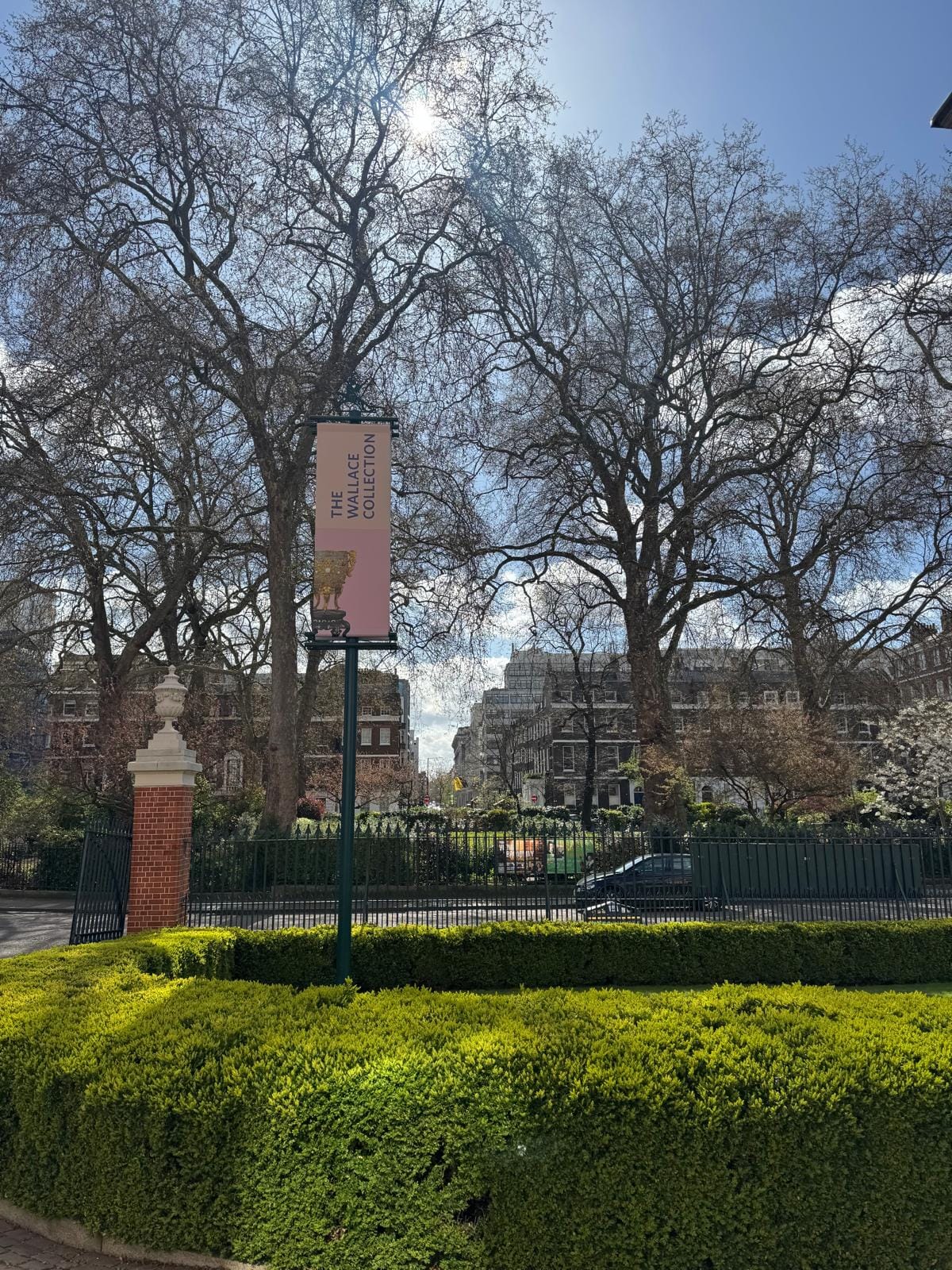
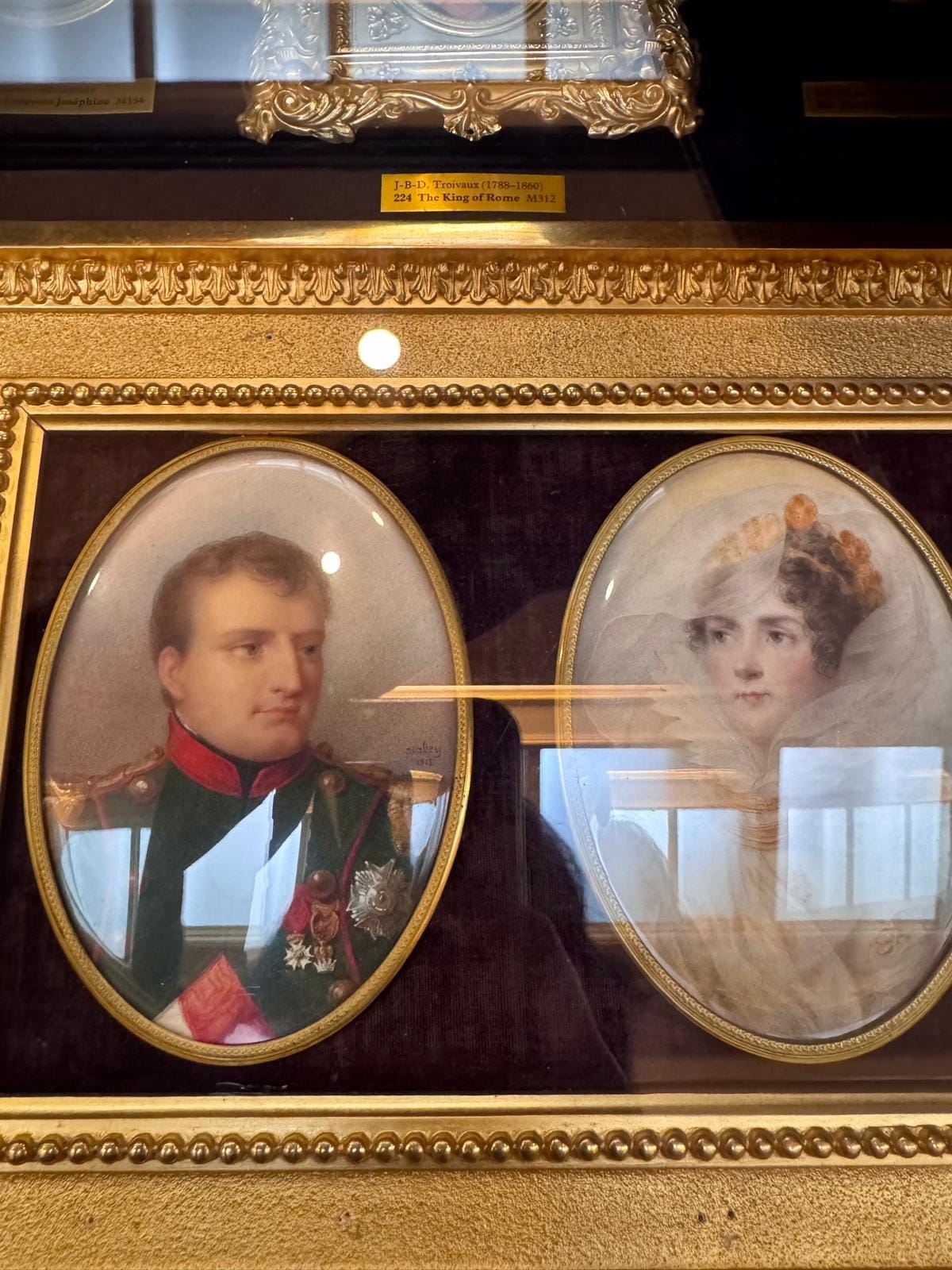
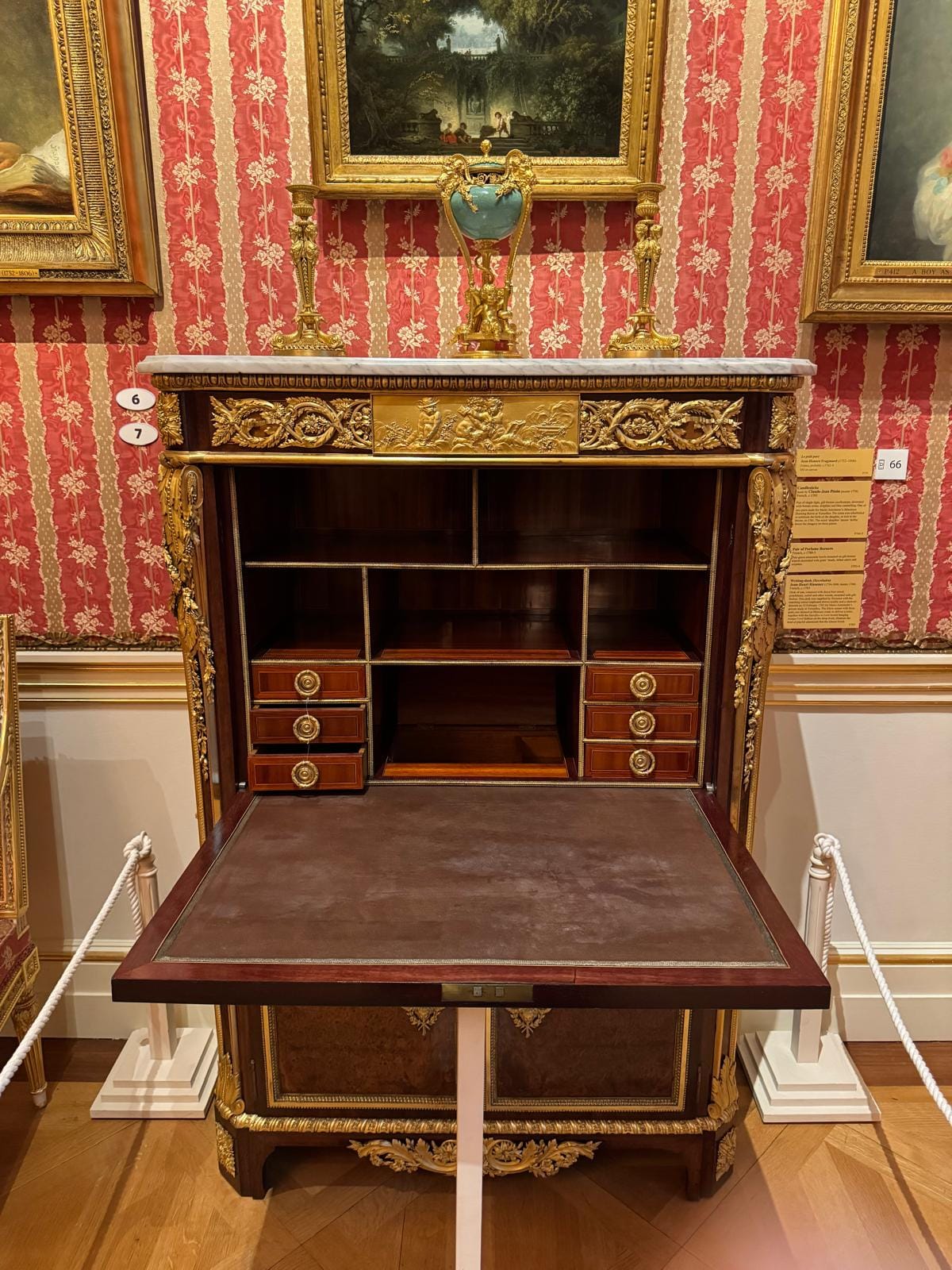
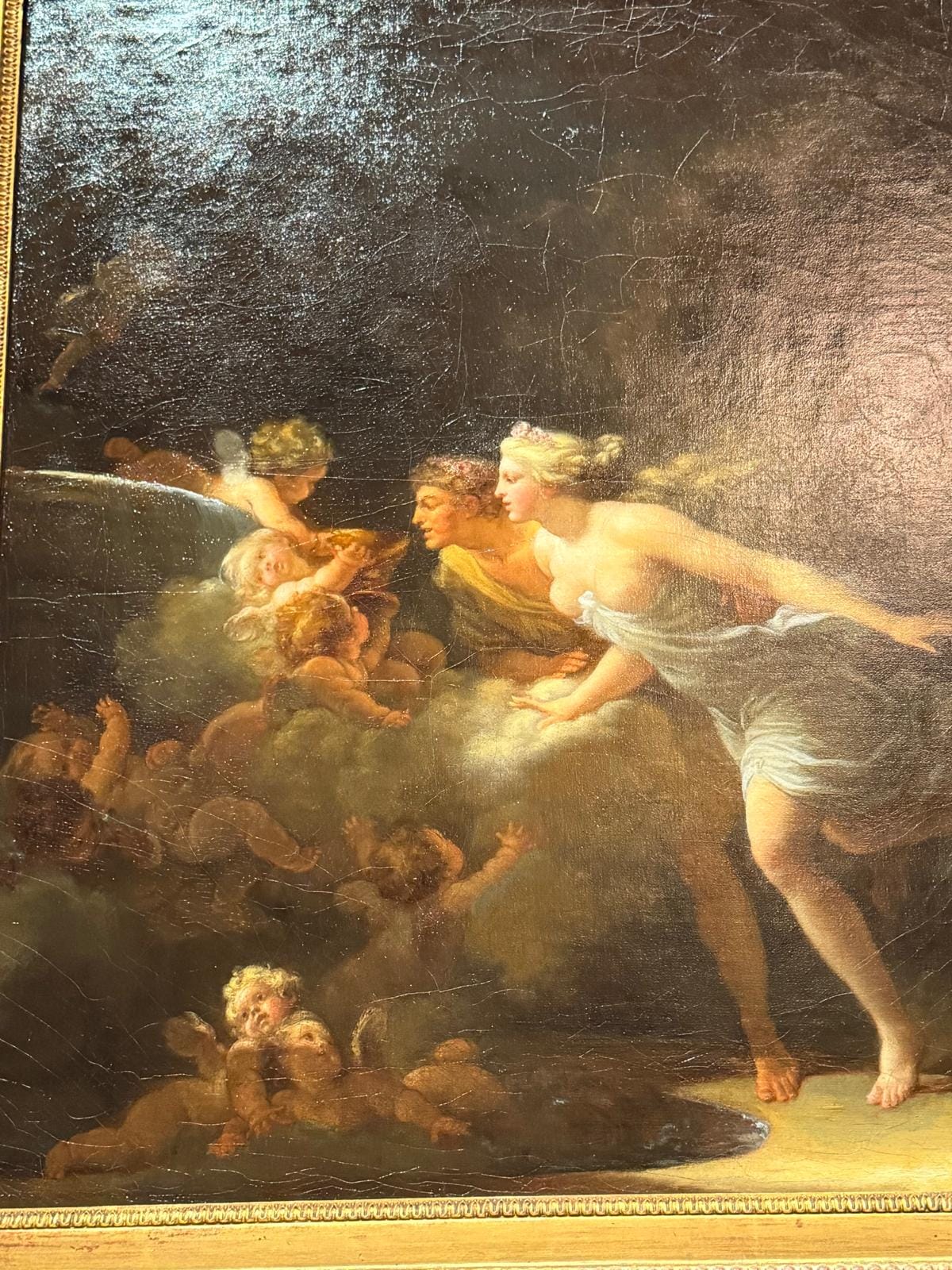
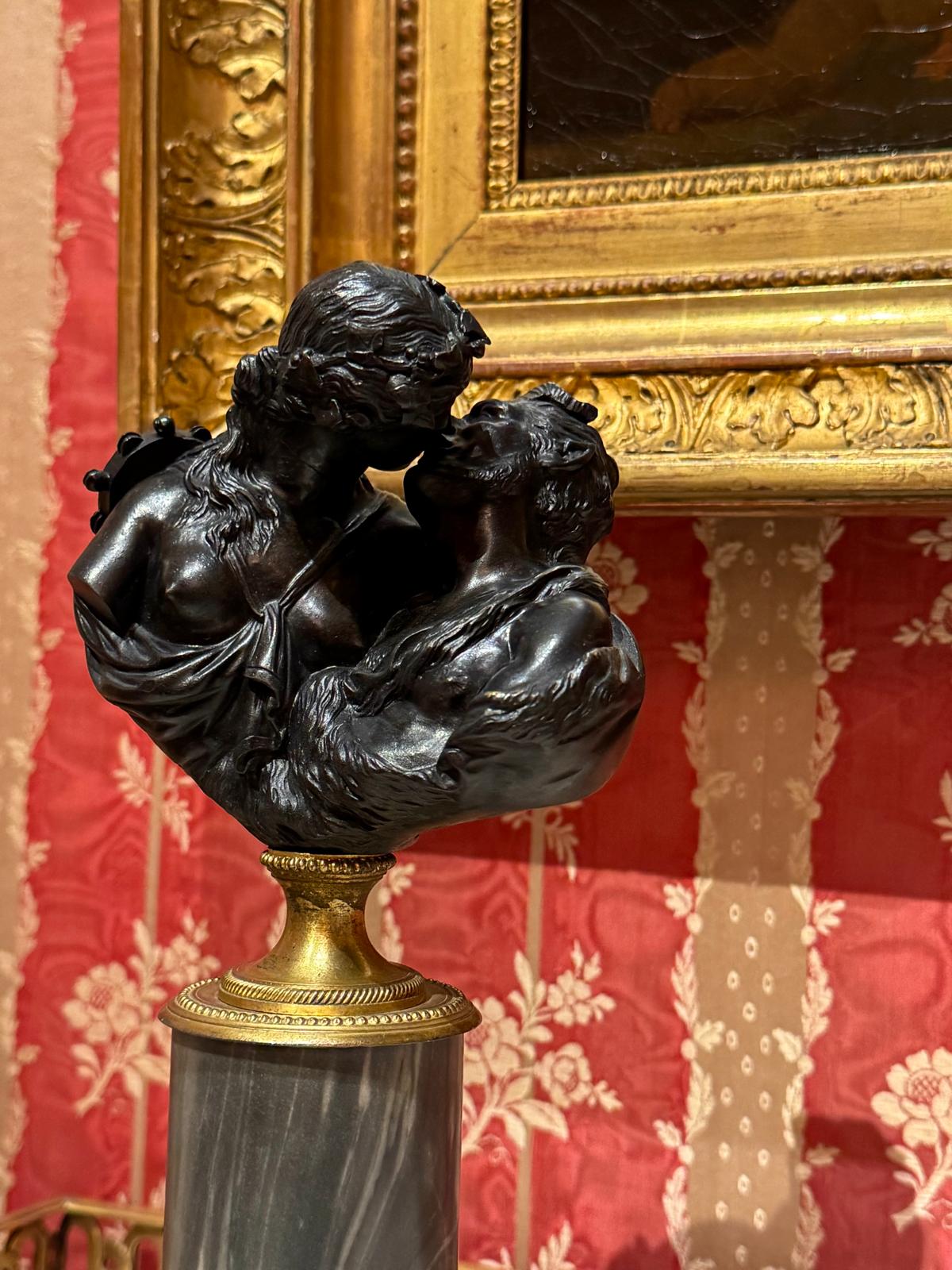
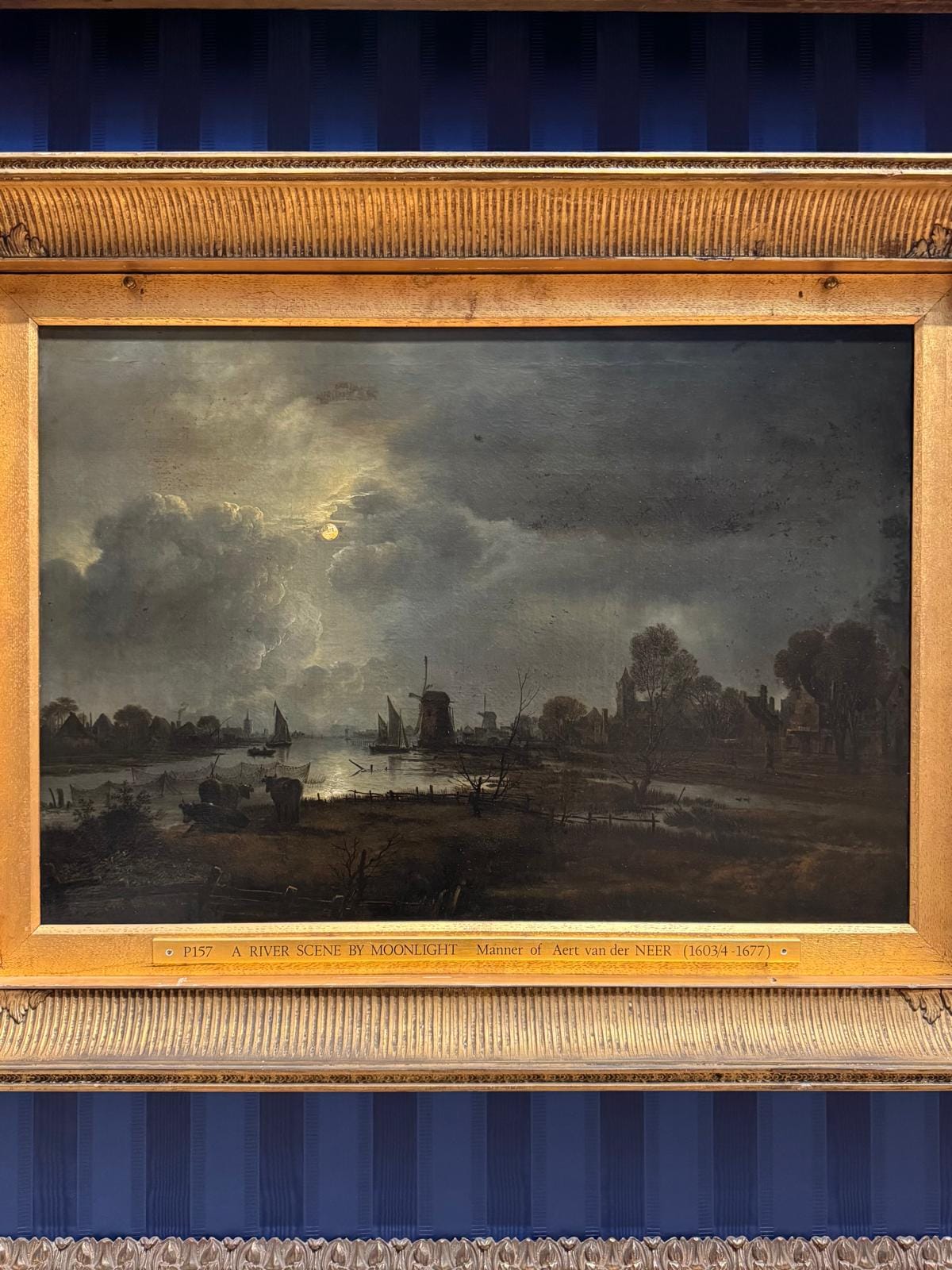
WALLACE COLLECTION-Part 1/2. As part of my London venture, I strolled to the @wallacemuseum in #Marylebone and accidentally found one of those places that feels like it may become one of my regular returns.
Housed in Hertford House, the collection was built by the Marquesses of Hertford and Sir Richard Wallace before being given to the nation by Lady Wallace. And you can feel that lineage the moment you walk in. It does not feel like a cold museum. It feels like a preserved world — almost a private conversation between power, taste, memory, and inheritance.
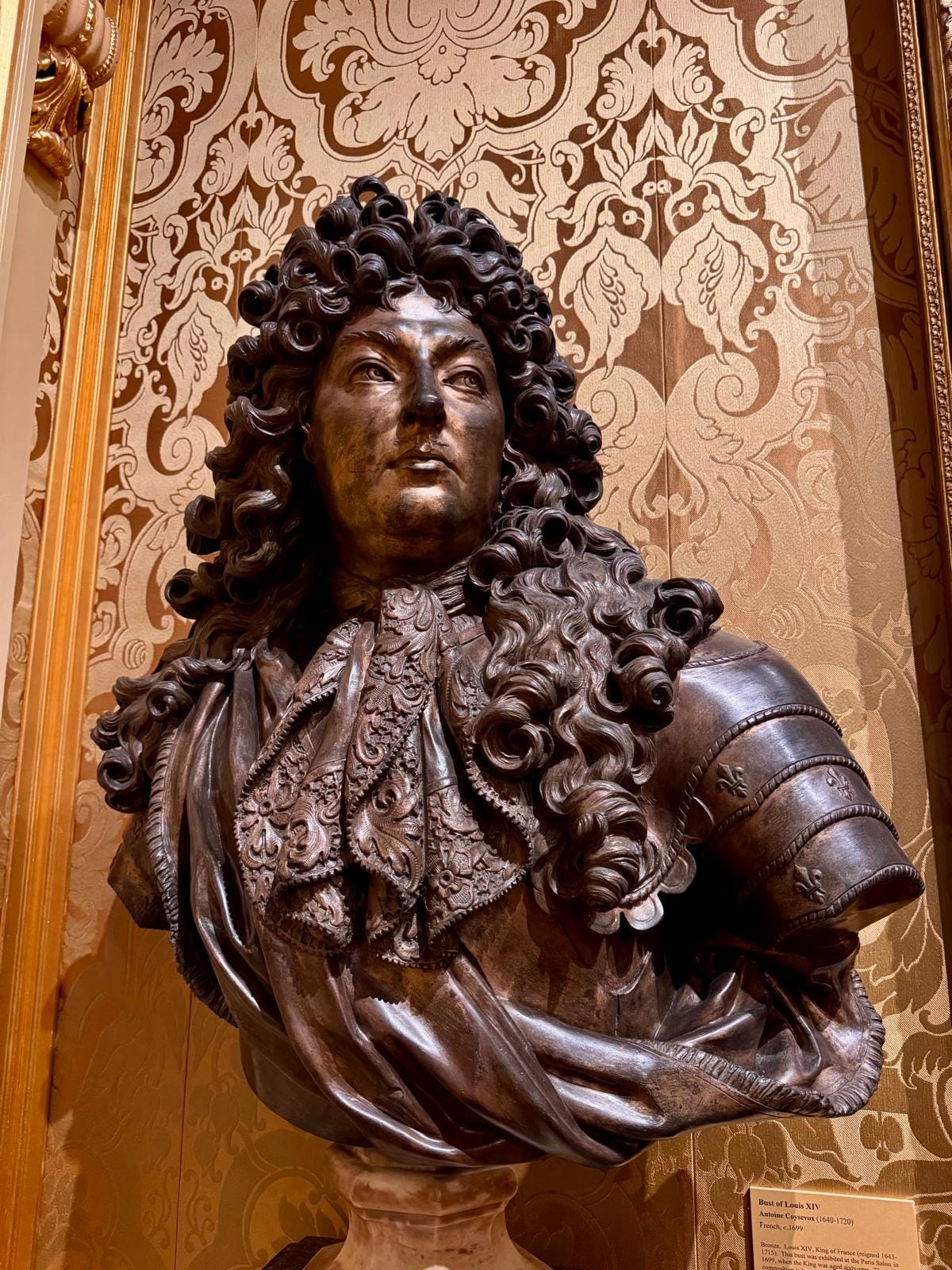
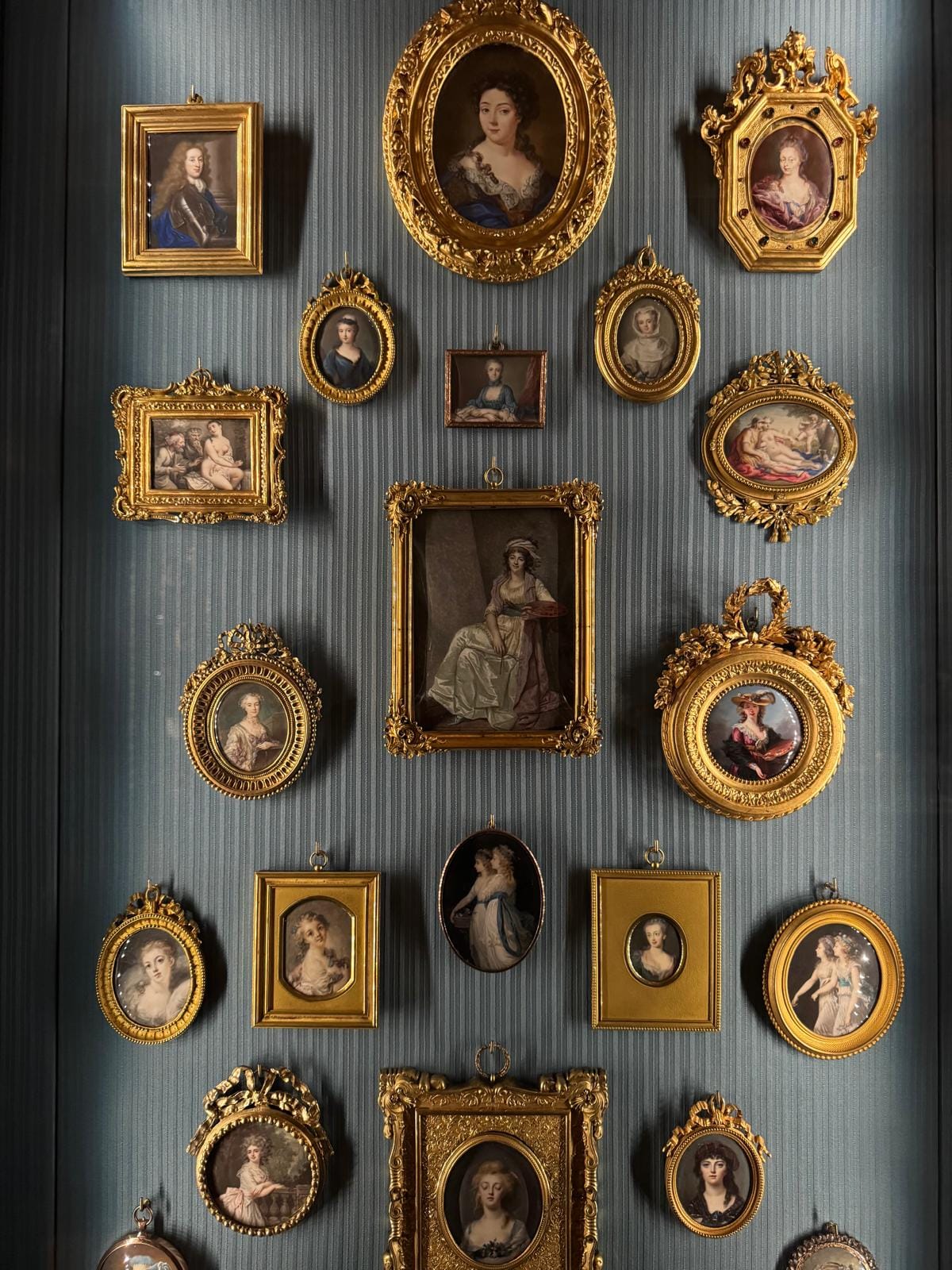
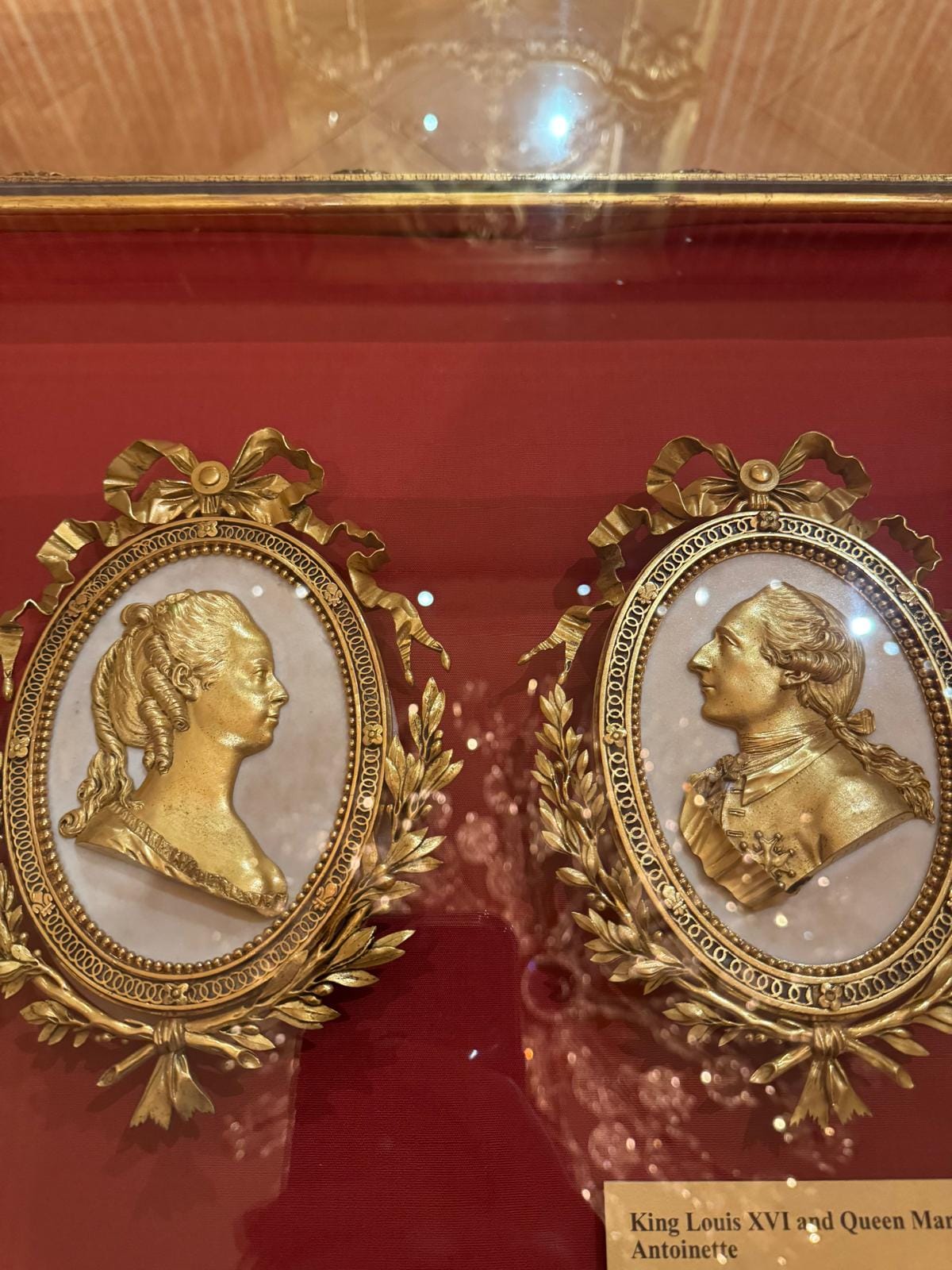
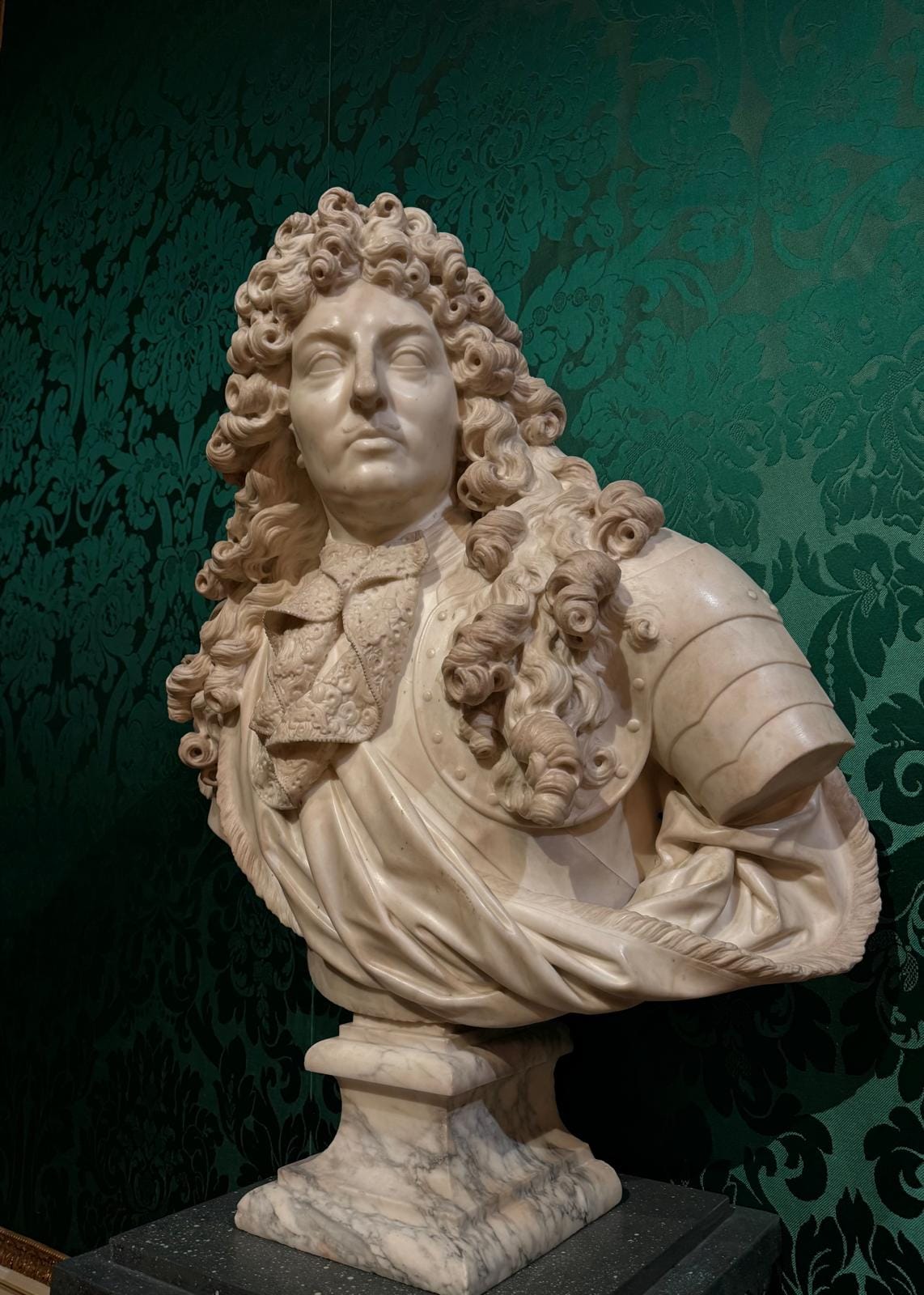
My favorite part was definitely the portraits of great leaders and heroes: Alexander the Great, Queen Victoria, Louis XIV, Marie Antoinette and Louis XVI, King George IV, Napoleon and Josephine, Queen Elizabeth II. I kept wondering why there were so many kings, queens, rulers, and royal objects gathered into one place. What were they building toward? What were they trying to preserve? Legacy? Beauty? Power? Continuity? Some vision of civilization itself?
I’ve always believed objects carry energy — especially the objects worn, held, commissioned, or loved by powerful souls. And as I looked into those portraits, I found myself wondering: who, in their own time, truly looked into the souls of these rulers? Who saw beyond the posture, the crown, the myth, the costume?
I tried to connect with them. To tune into their soul. To channel a message.
I’m still waiting.
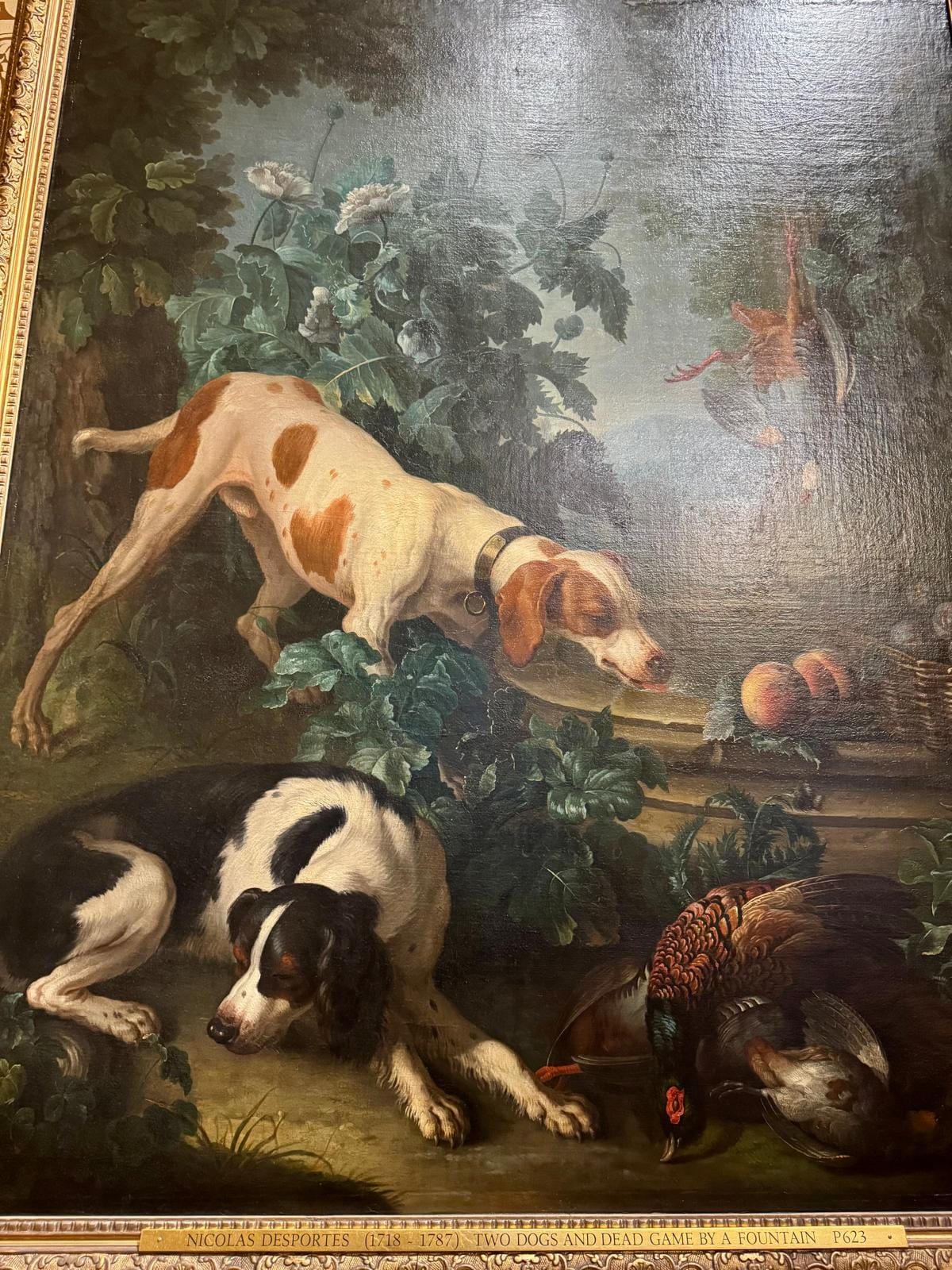
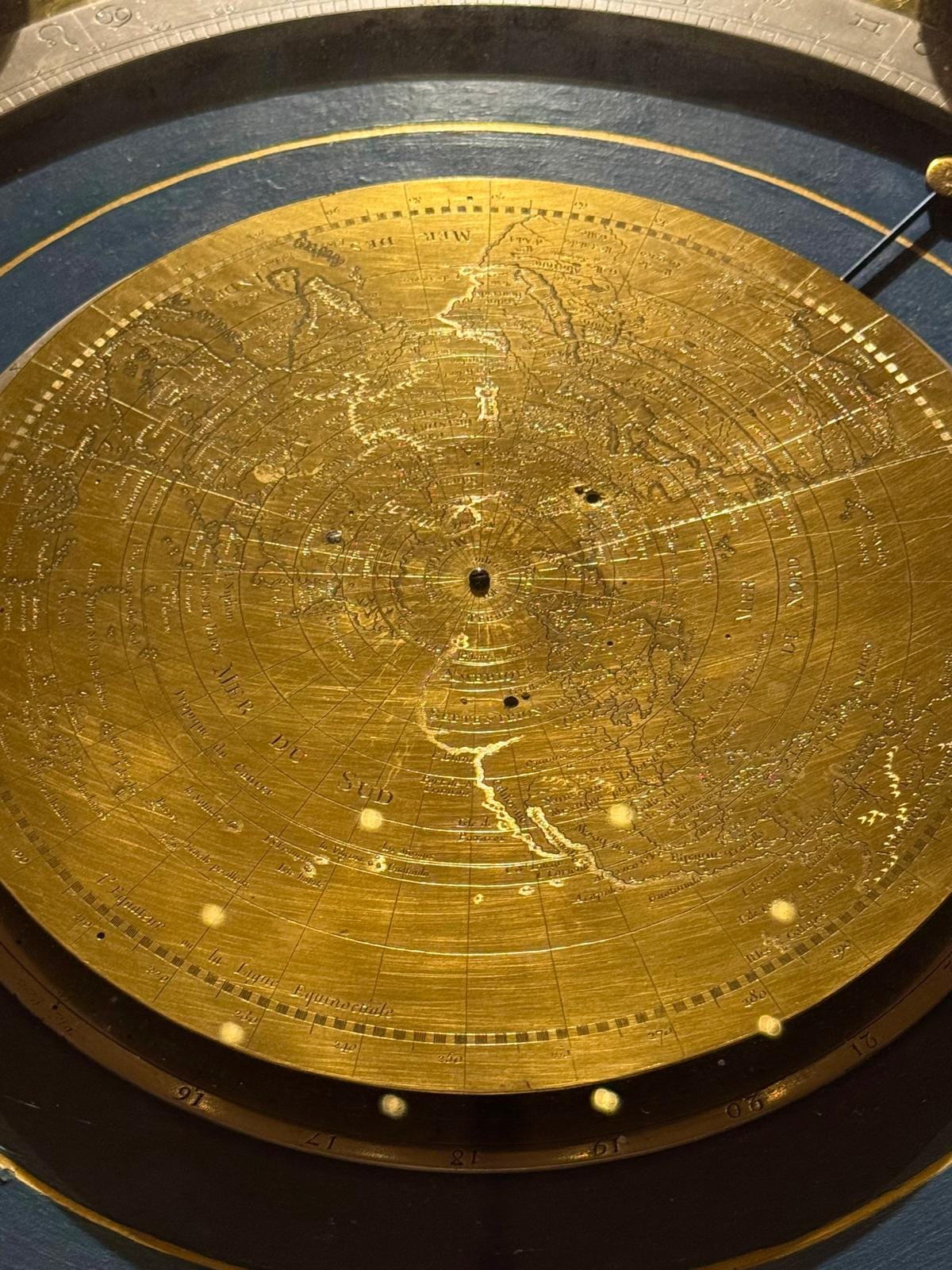
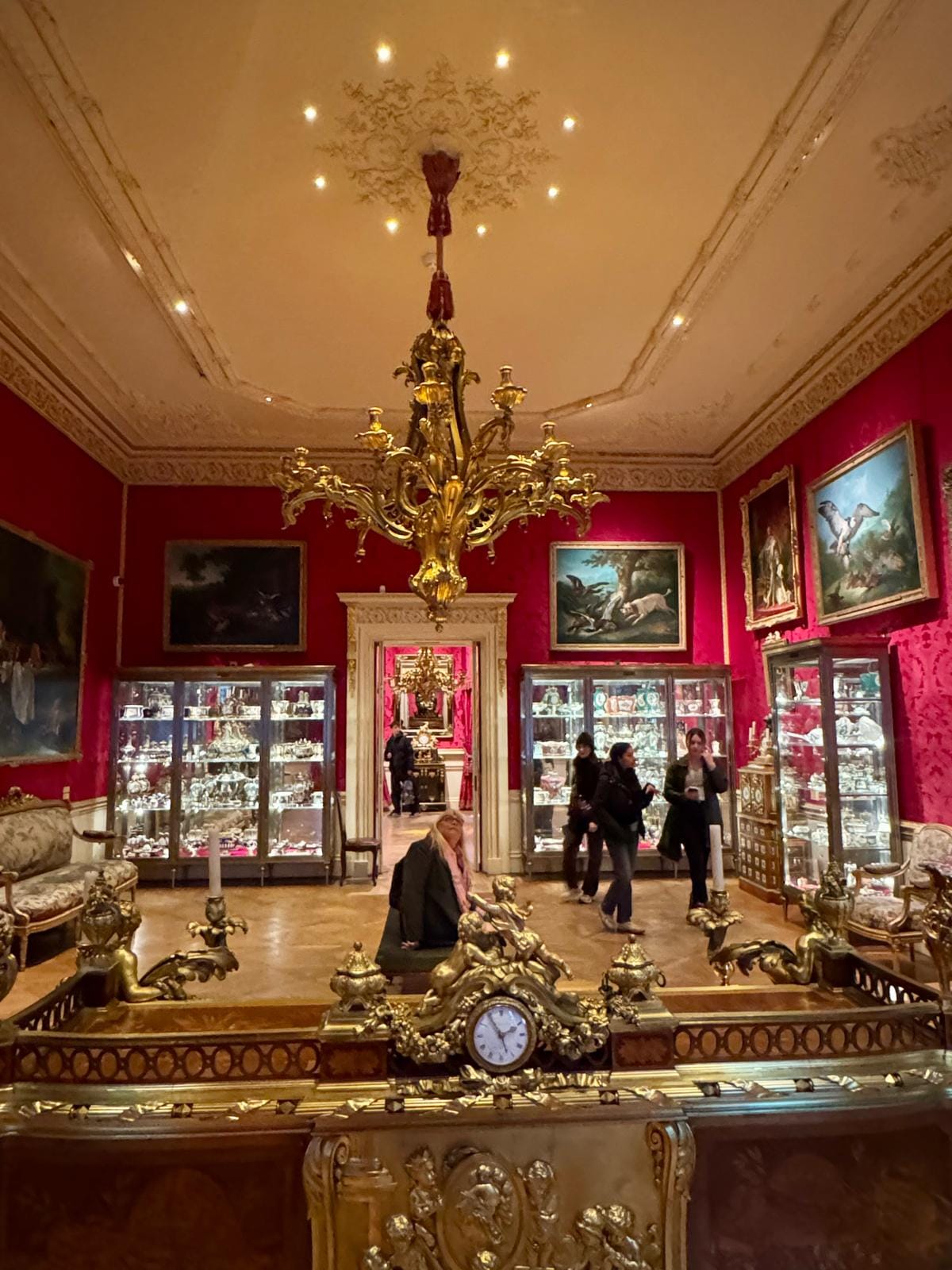
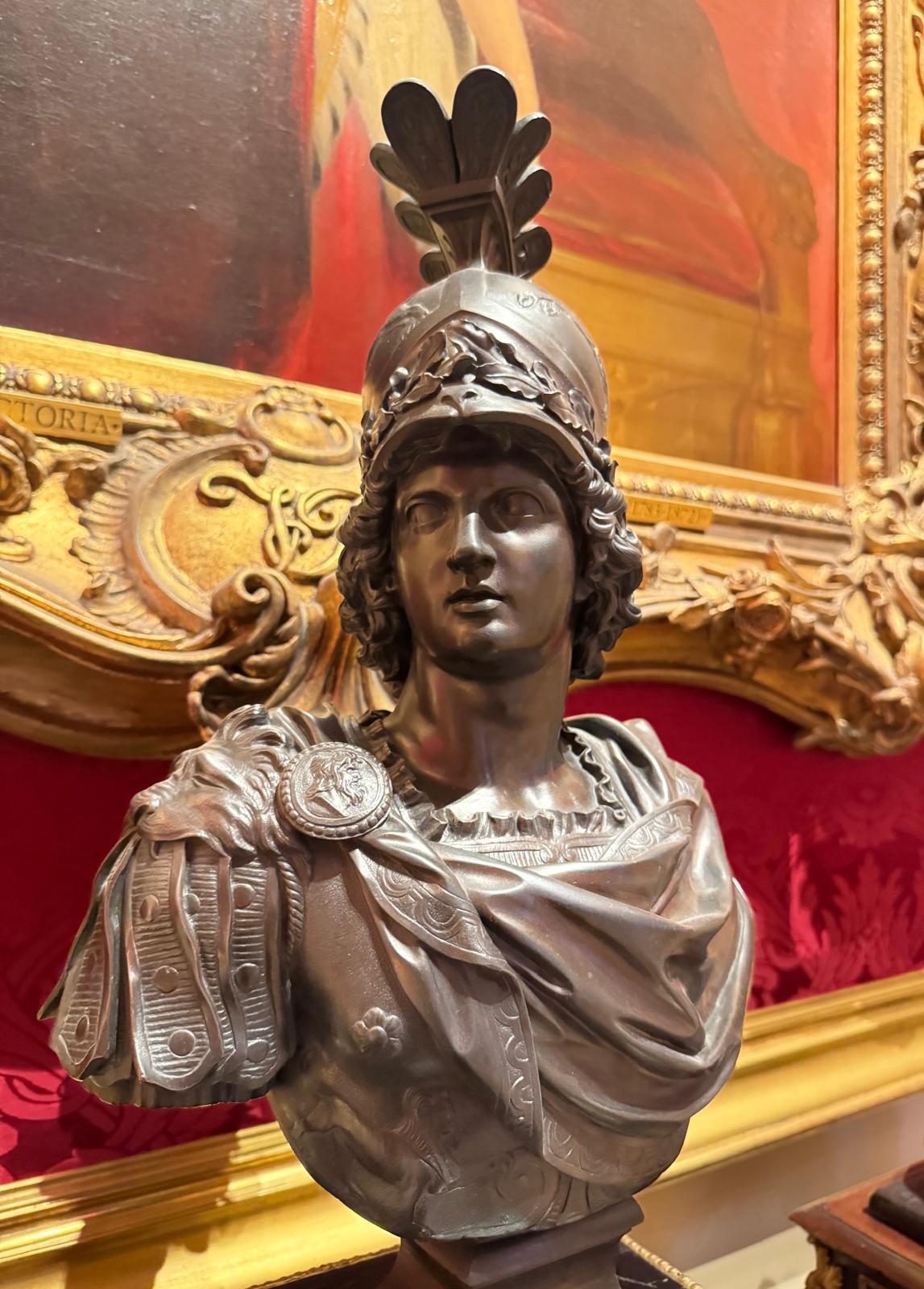
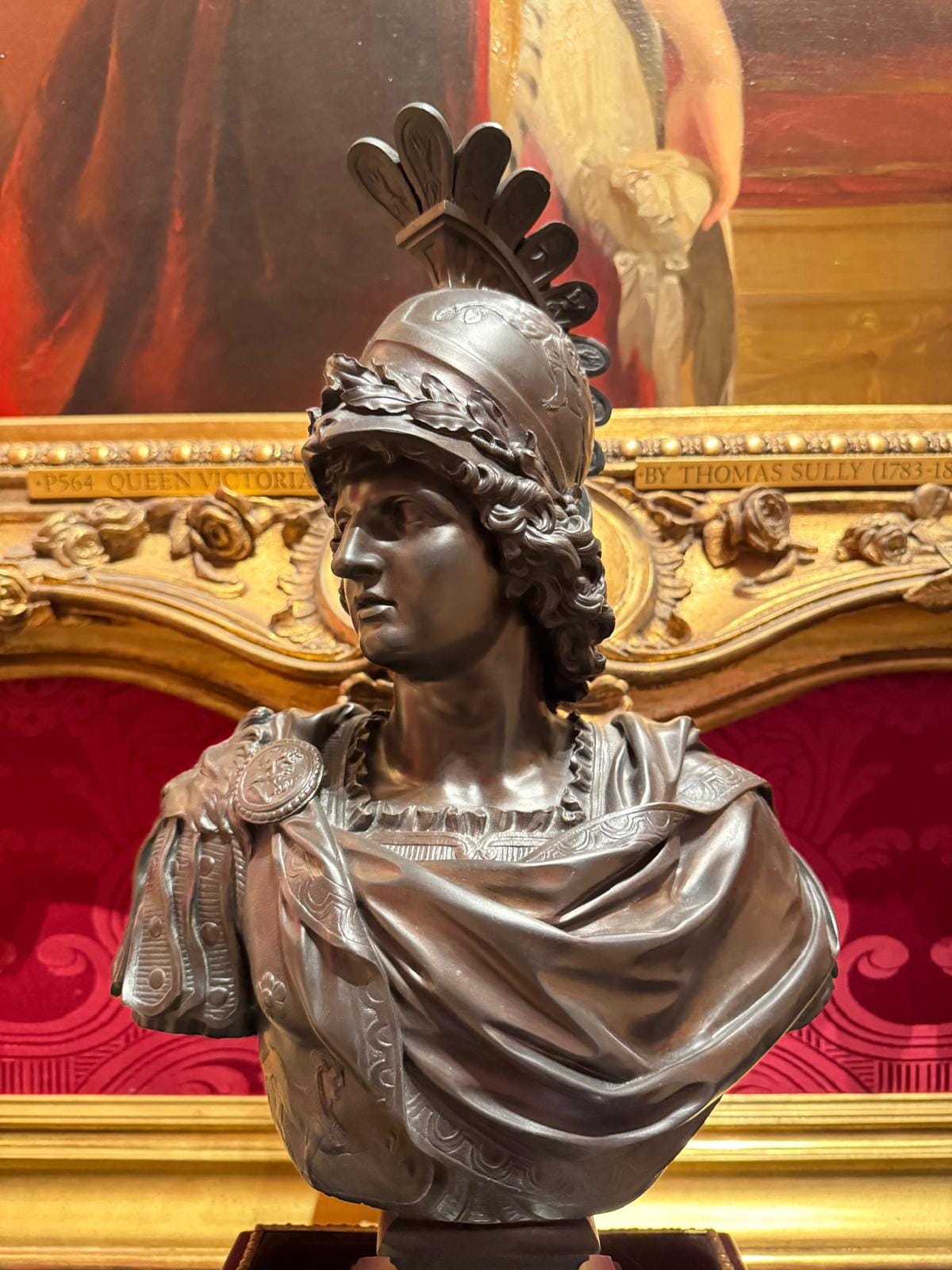
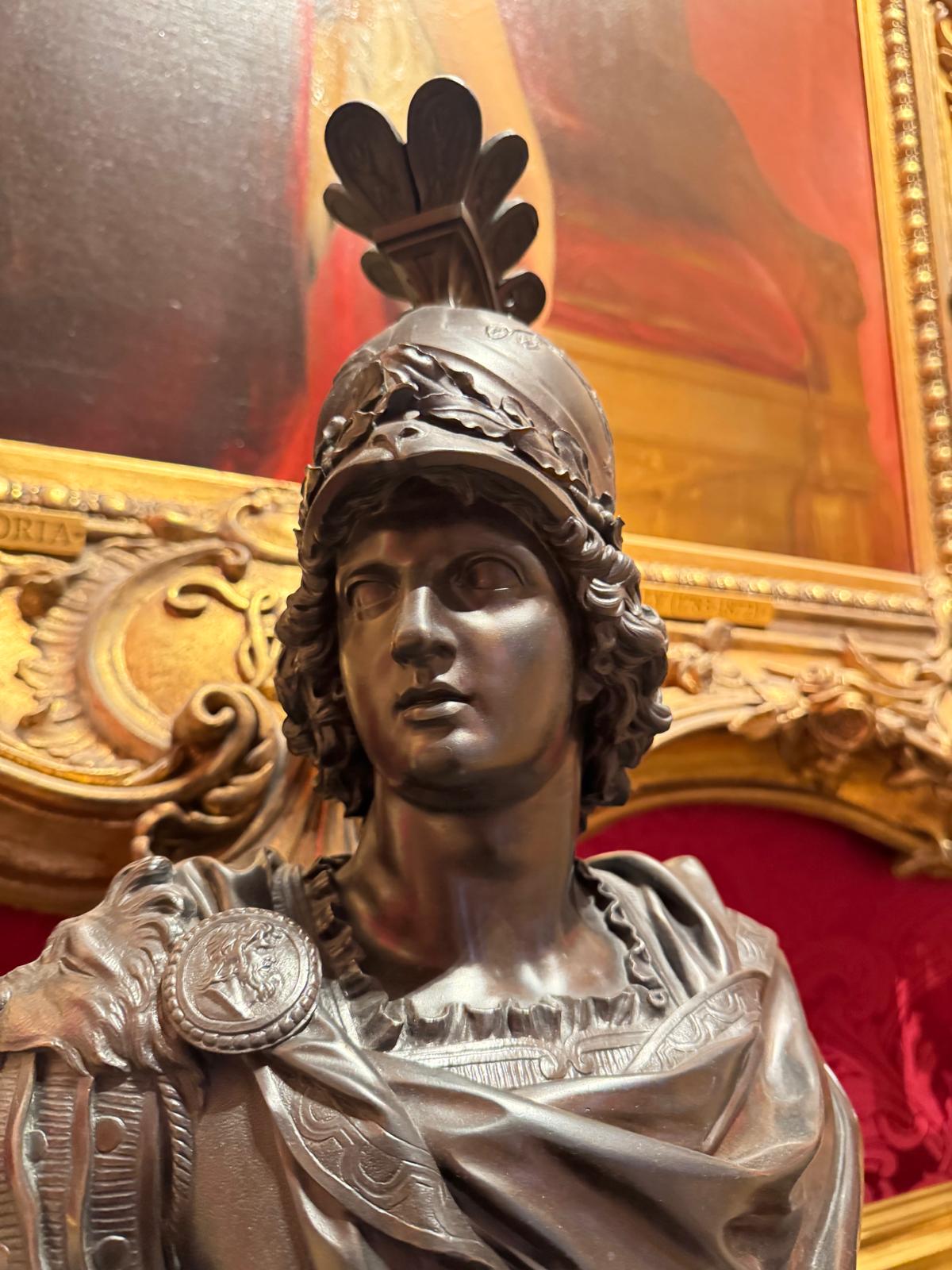
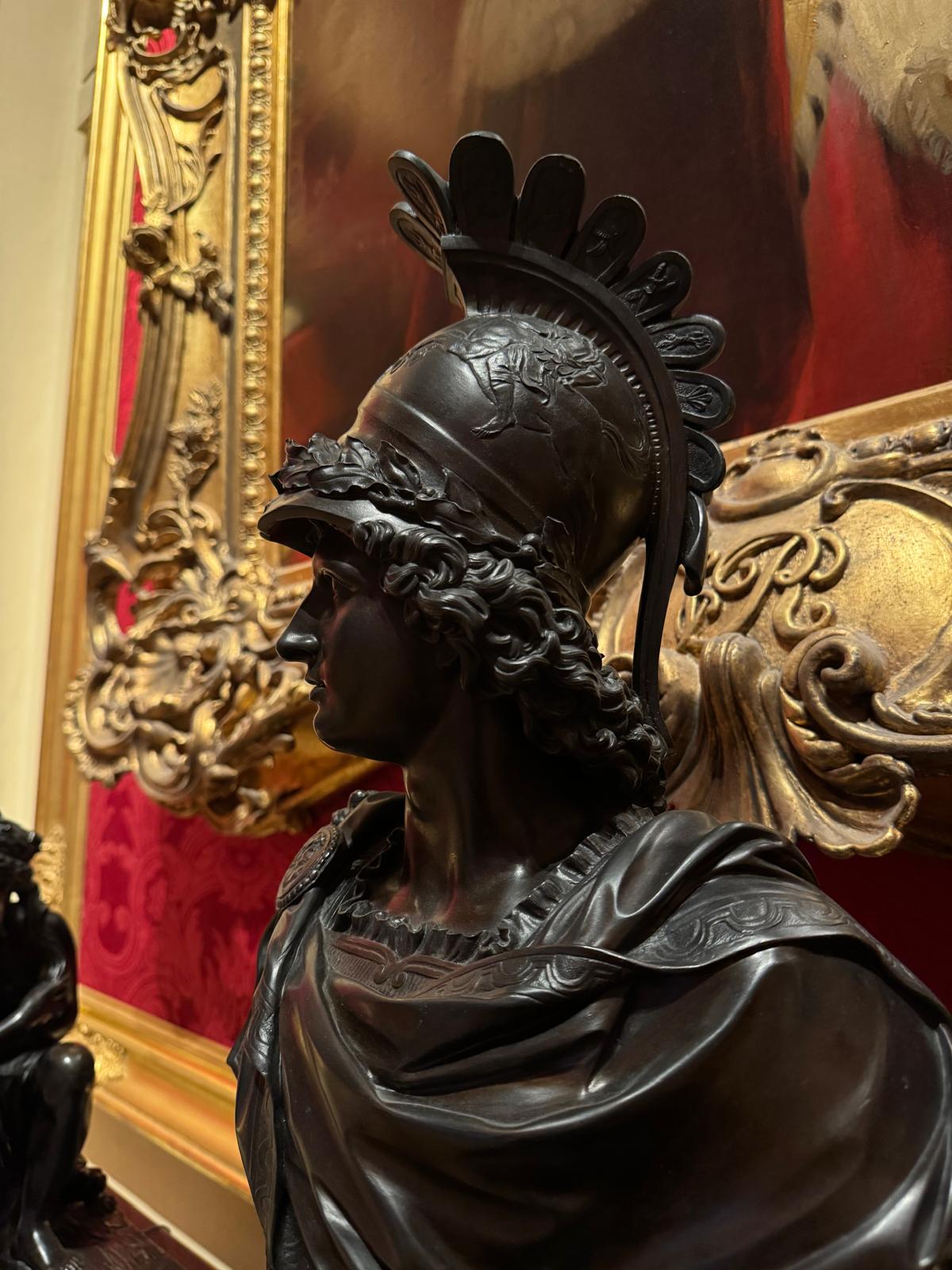
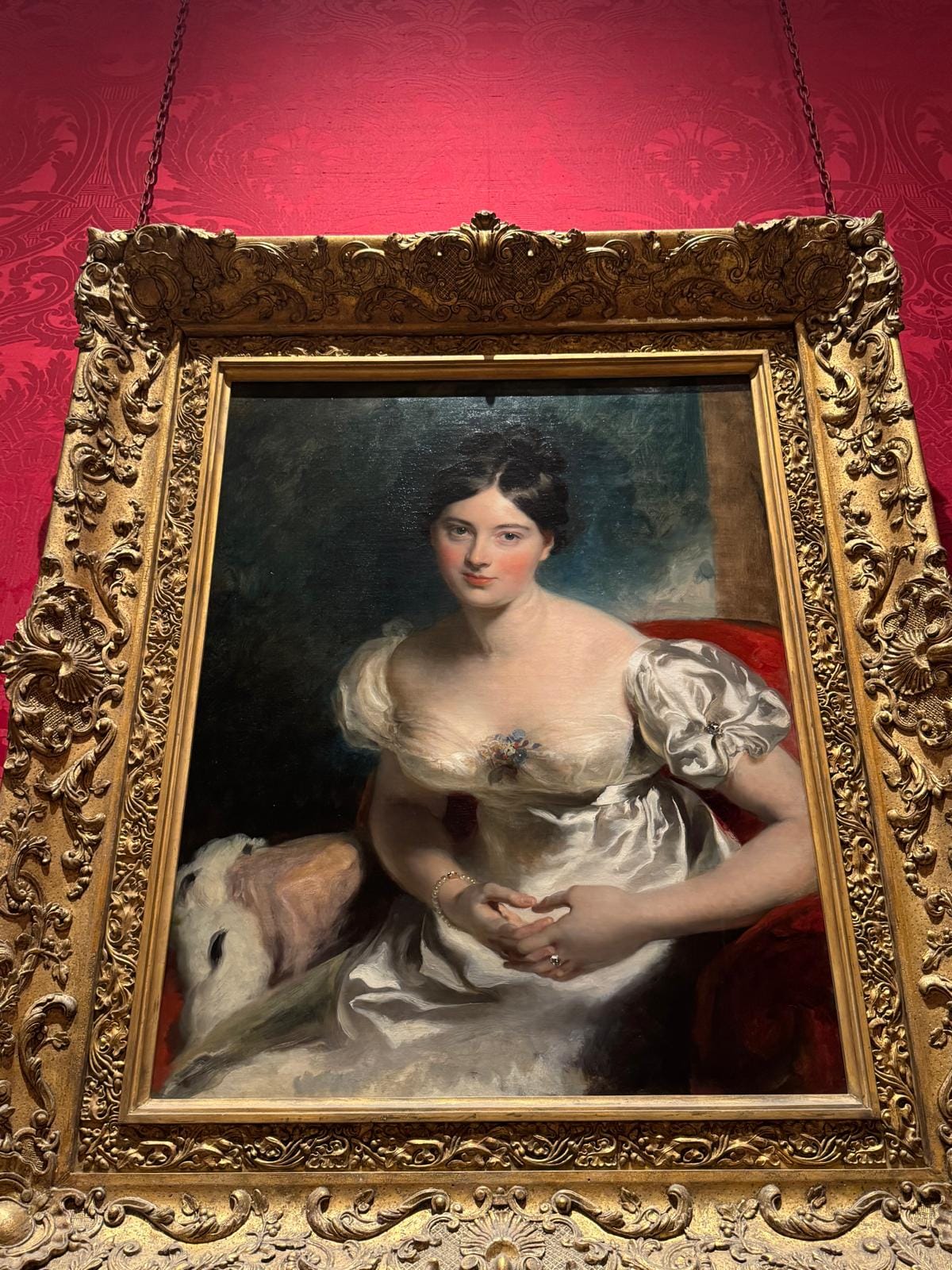
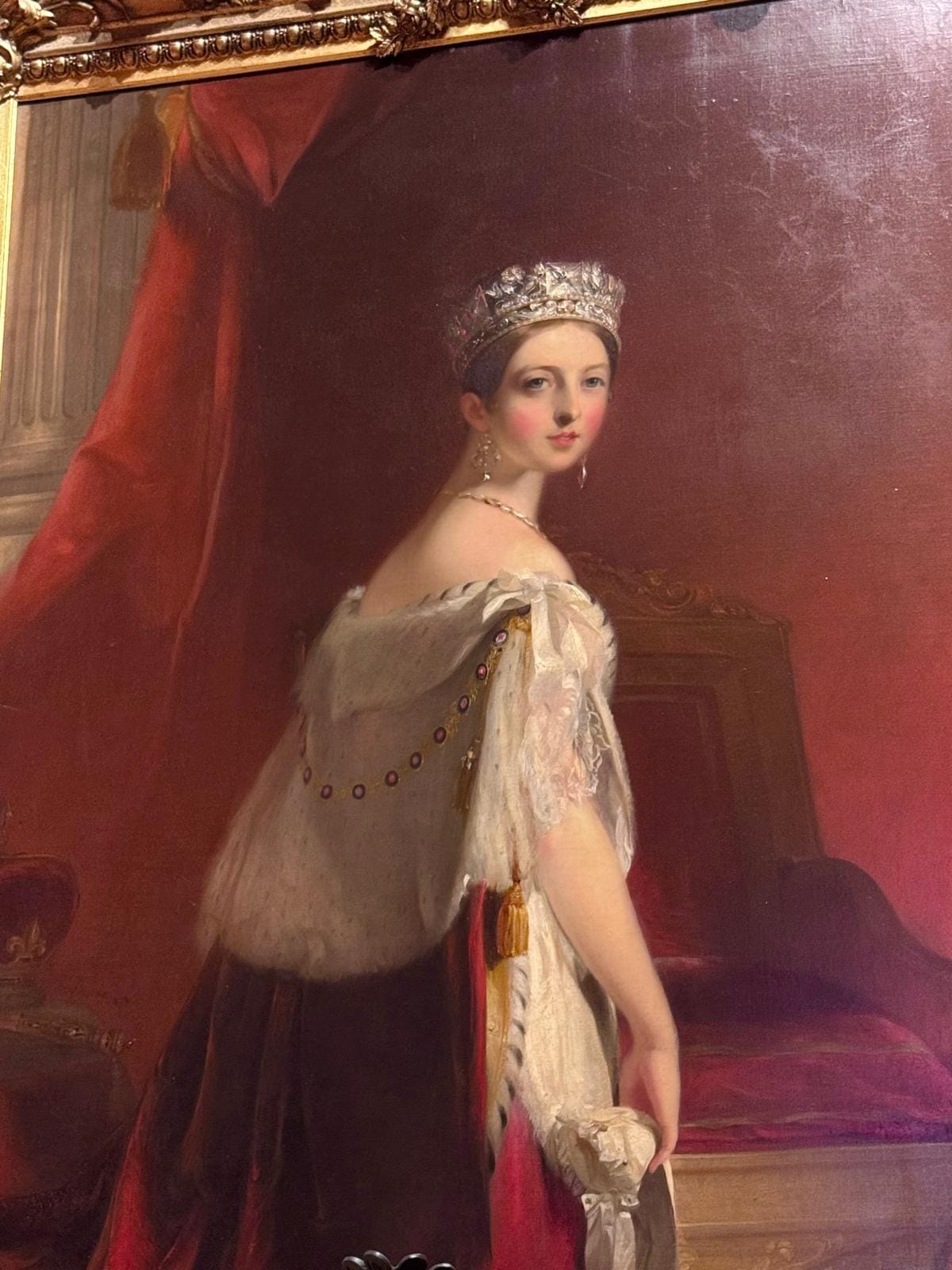
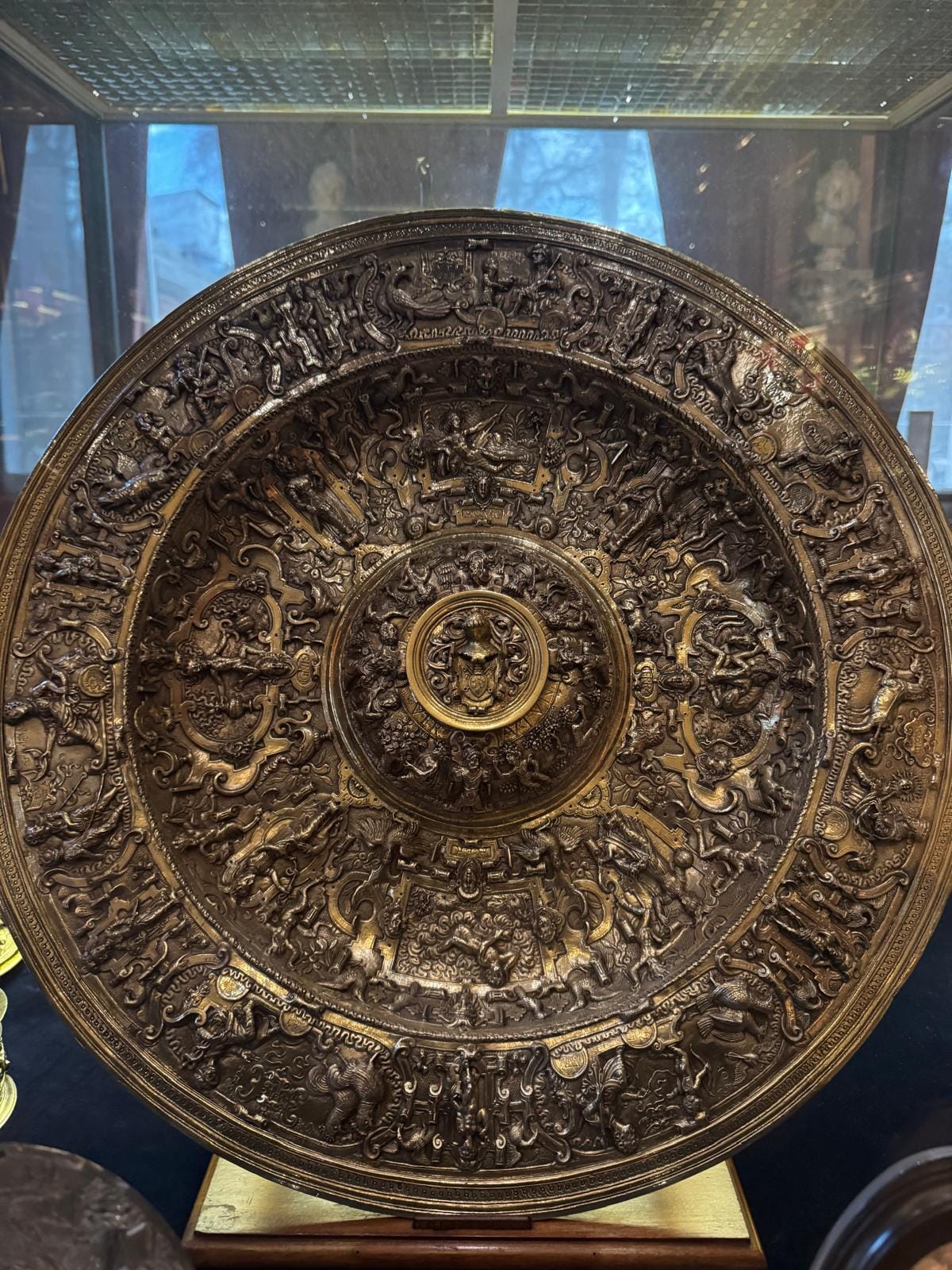
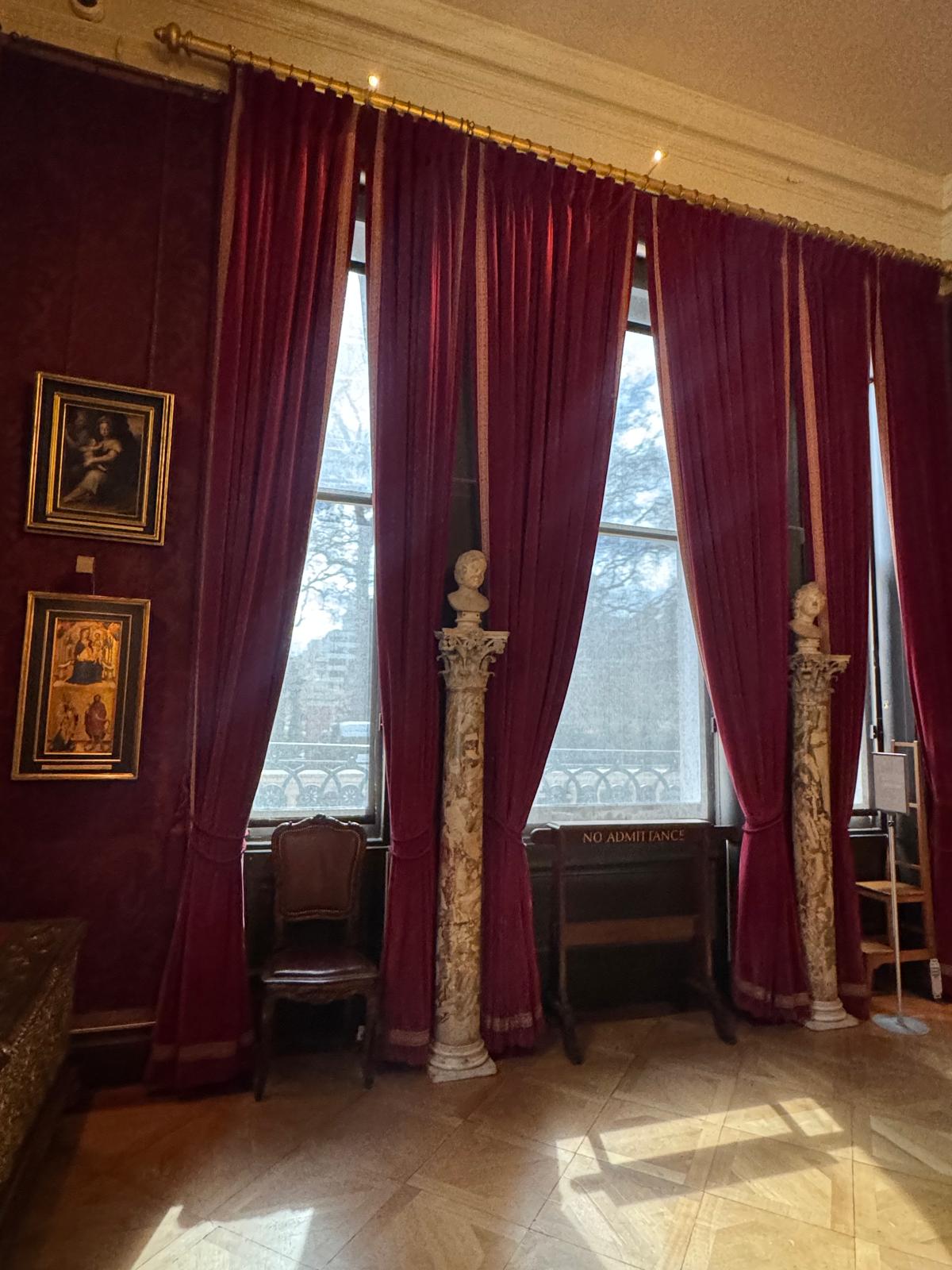
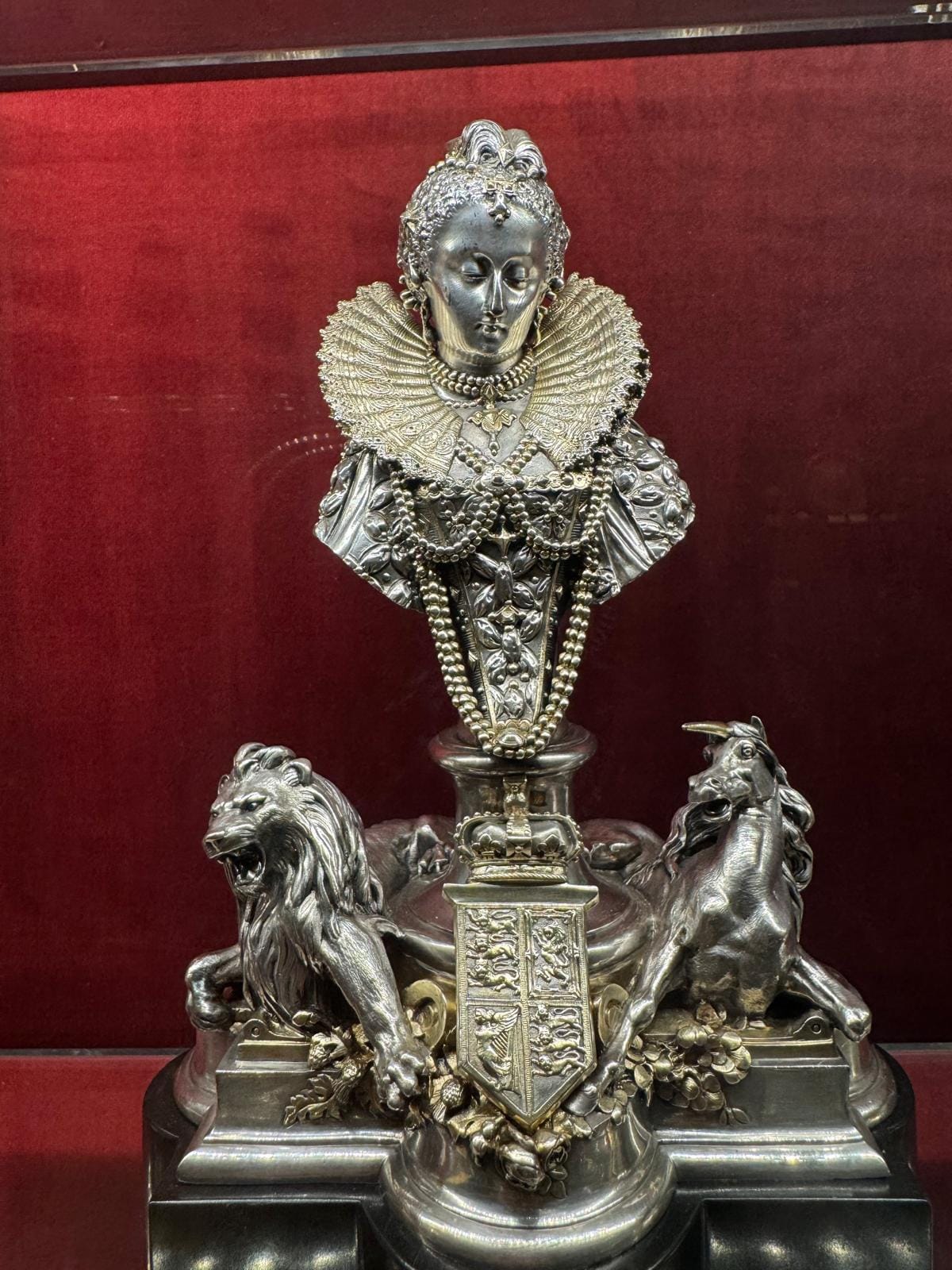
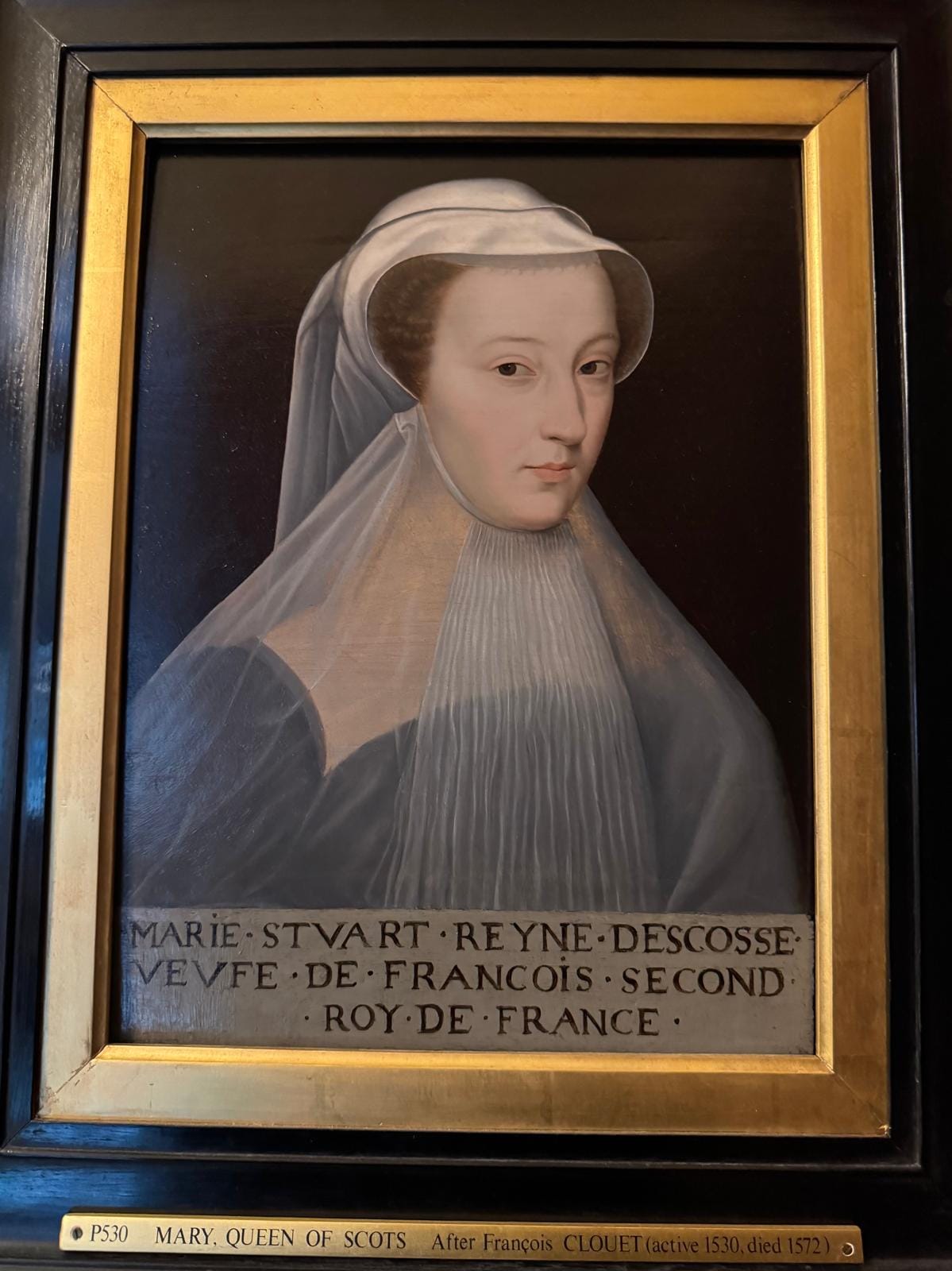
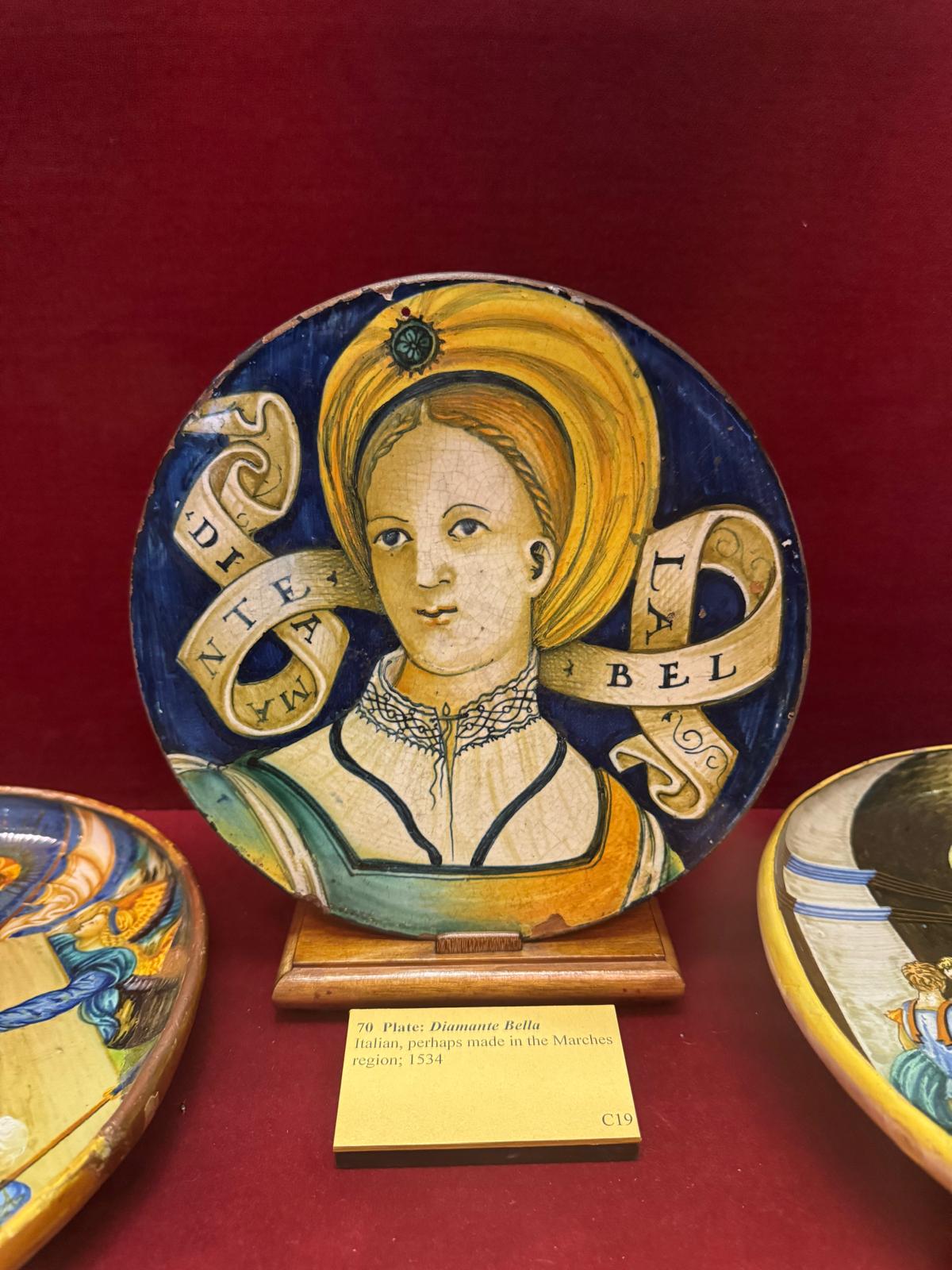
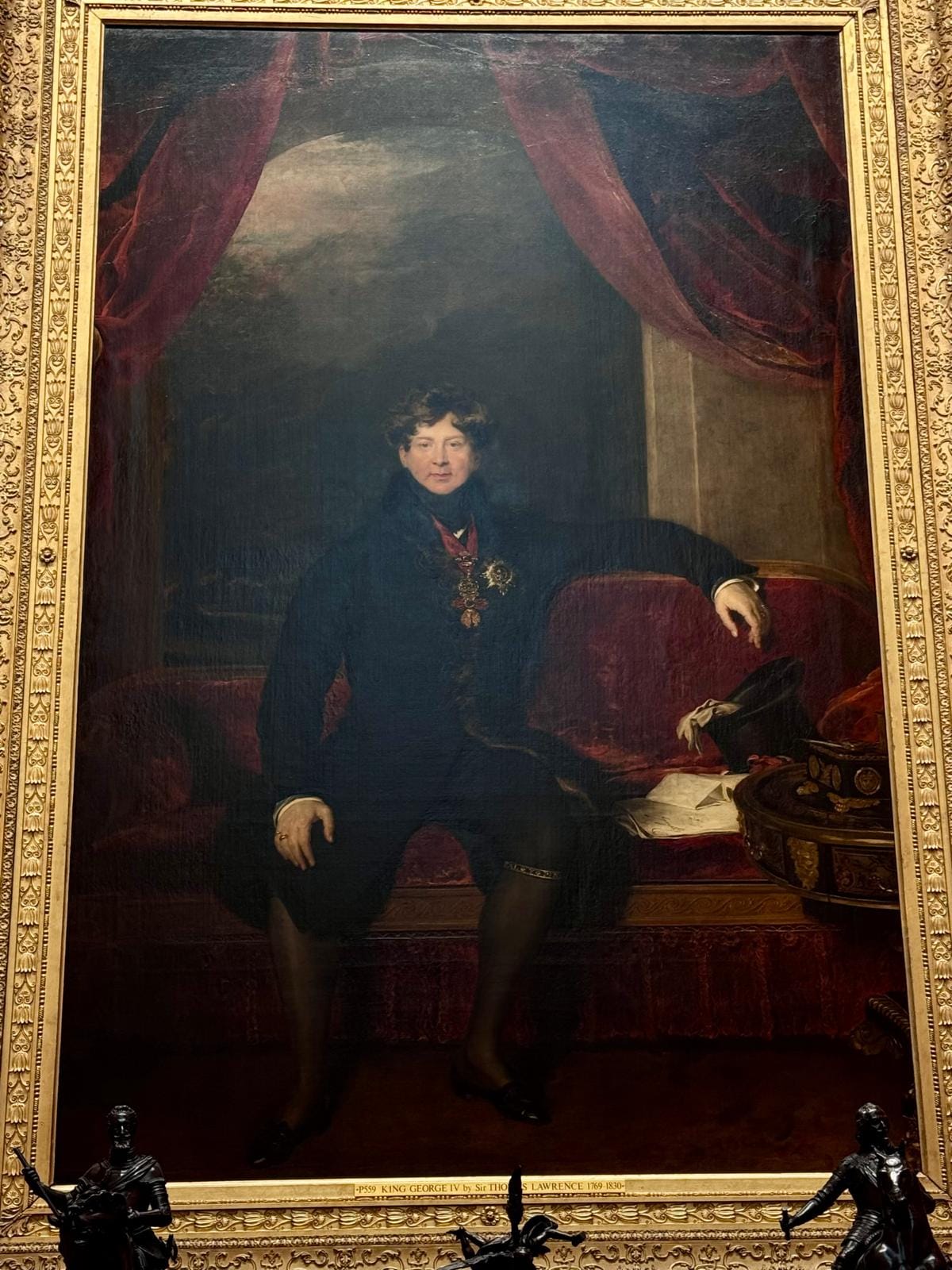
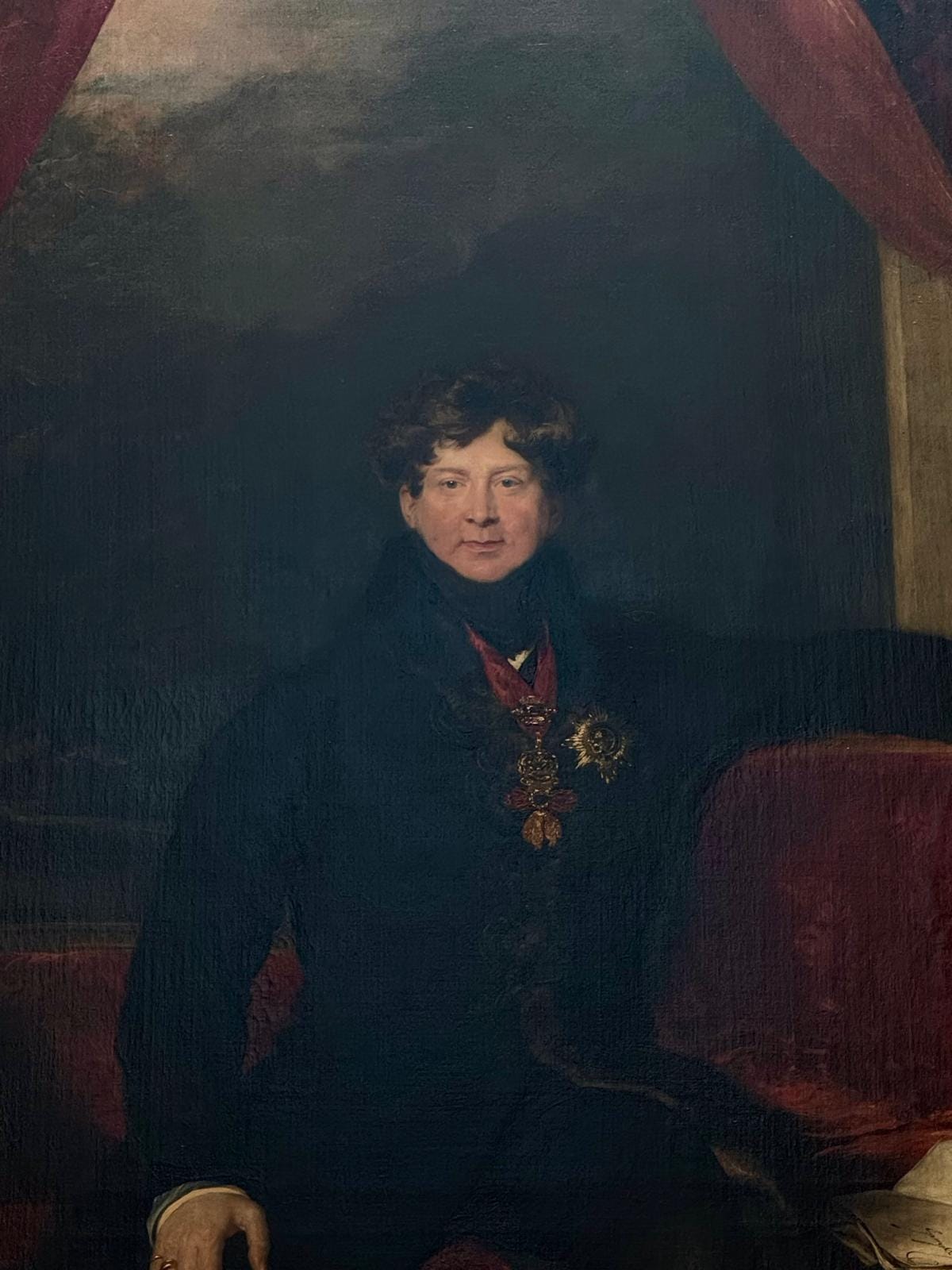
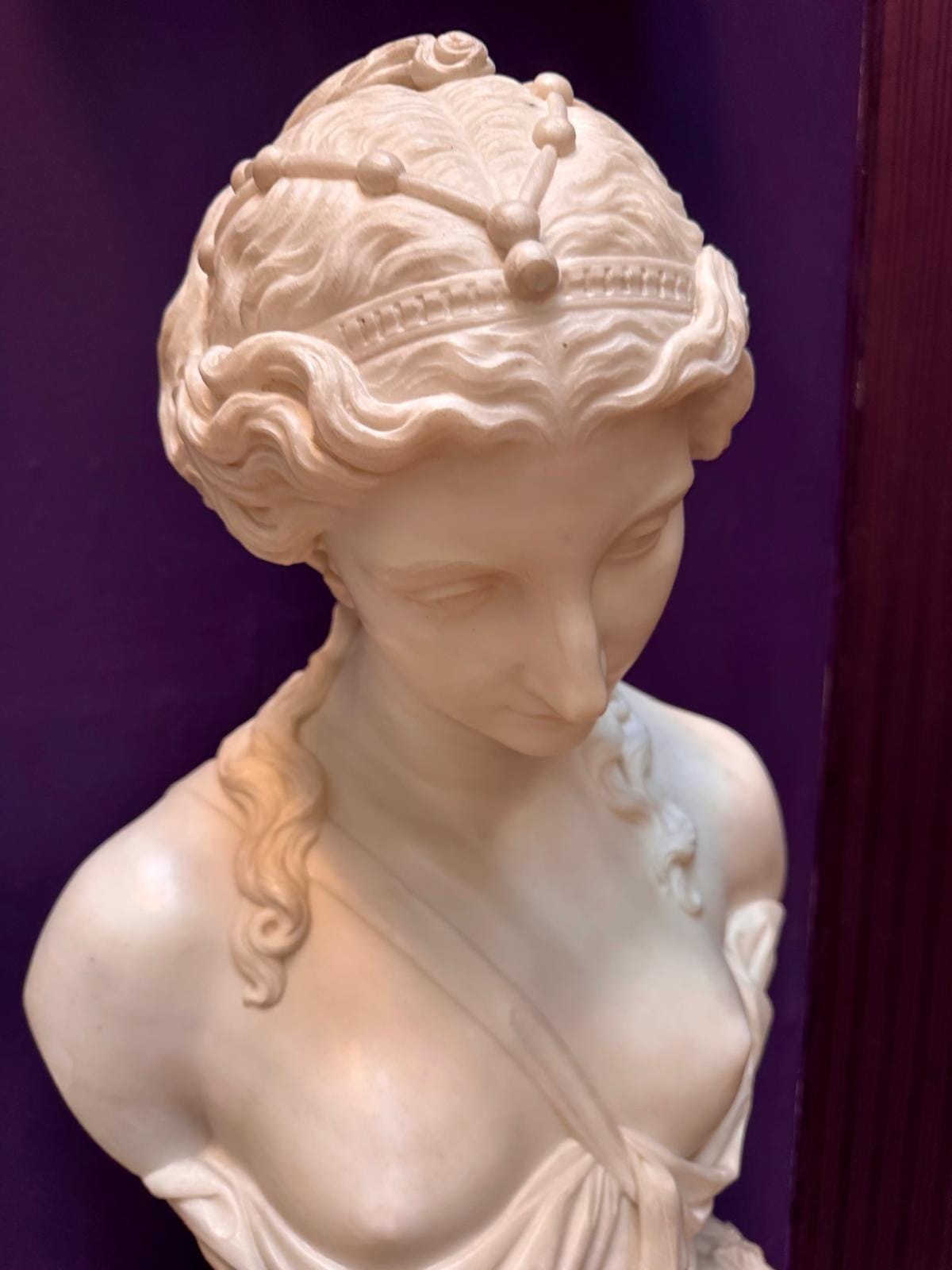
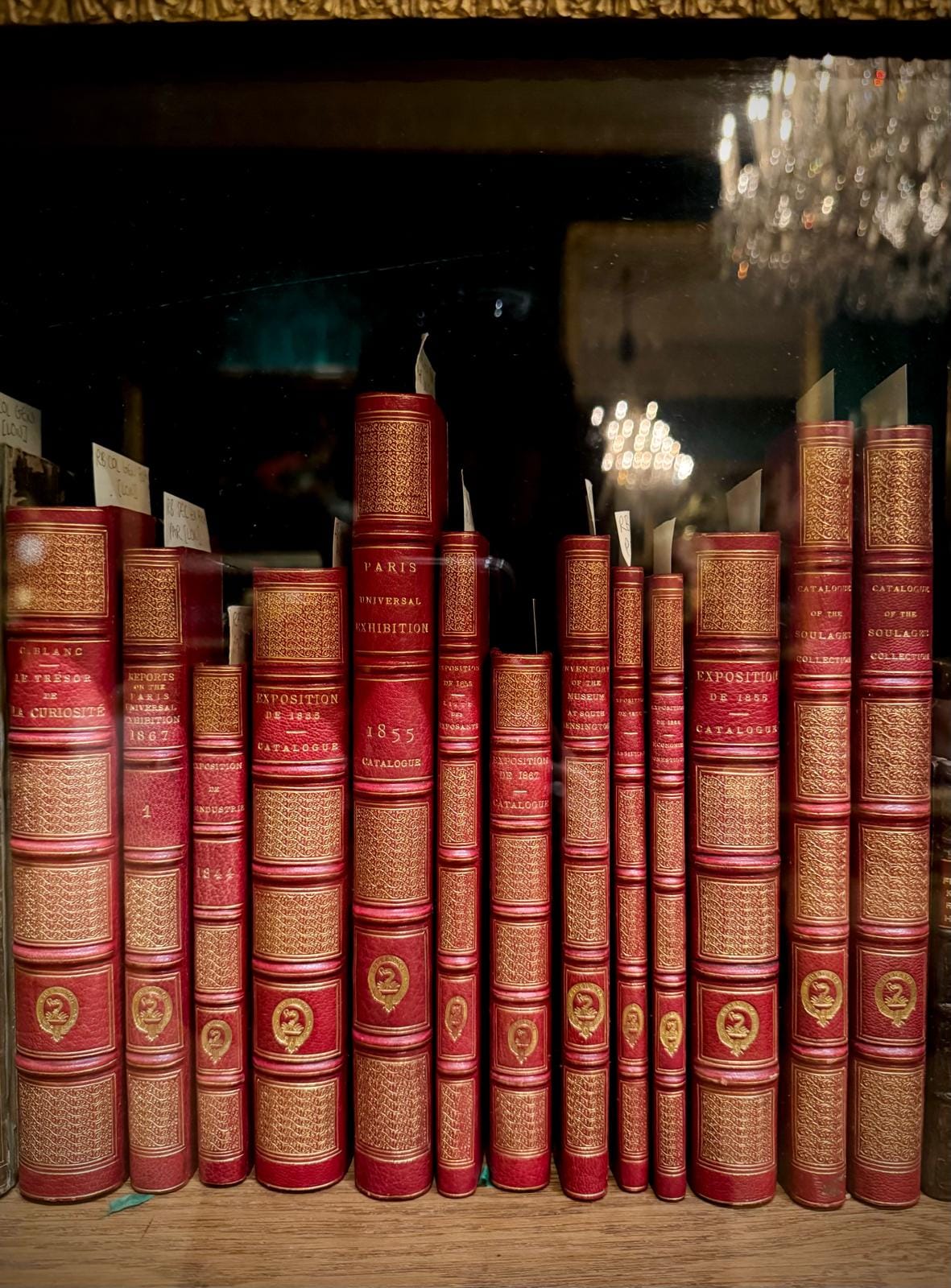
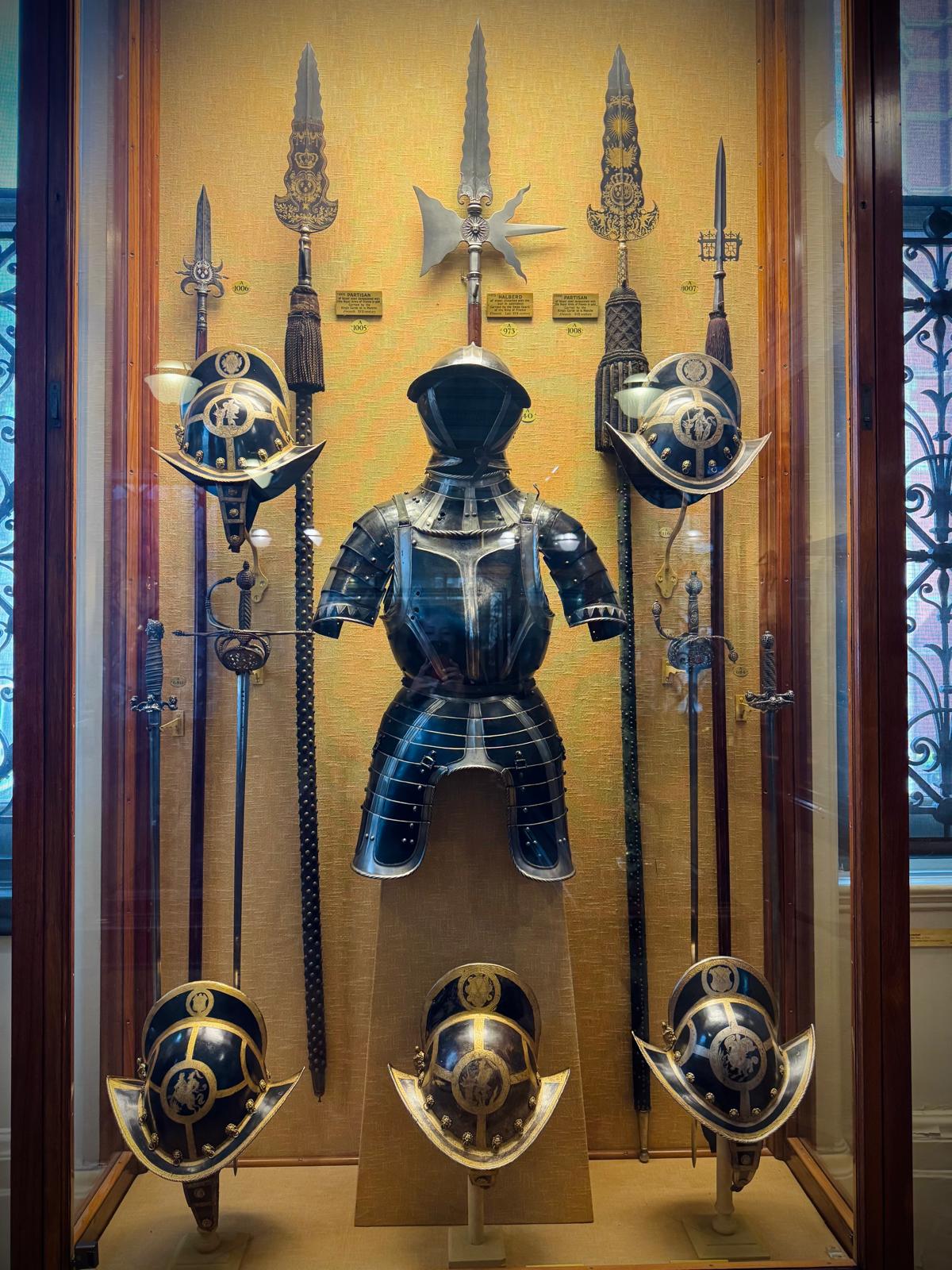
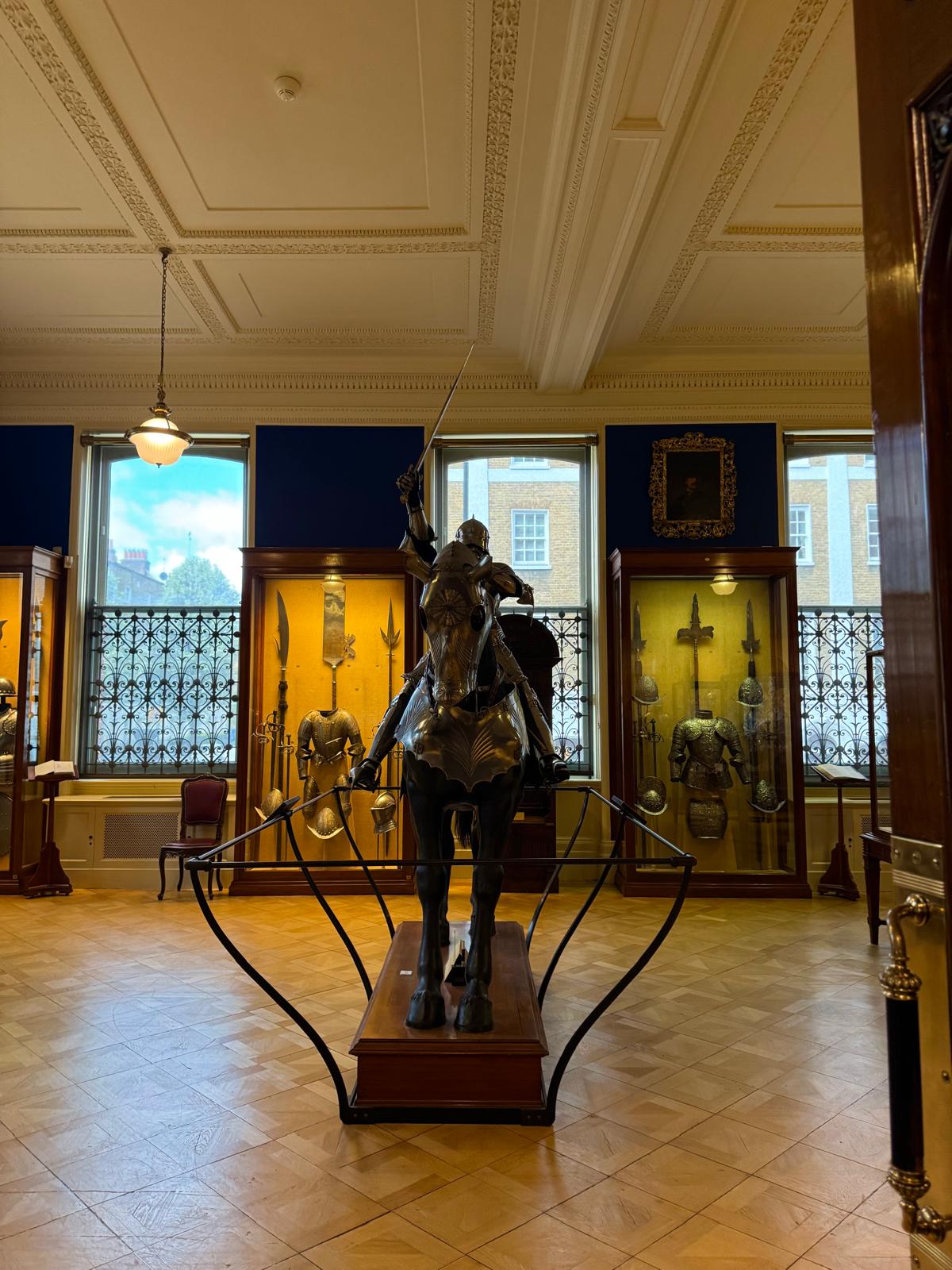
WALLACE COLLECTION-Part 2/2. The other parts of the Collection that stayed with me most were the library and the knight armours.
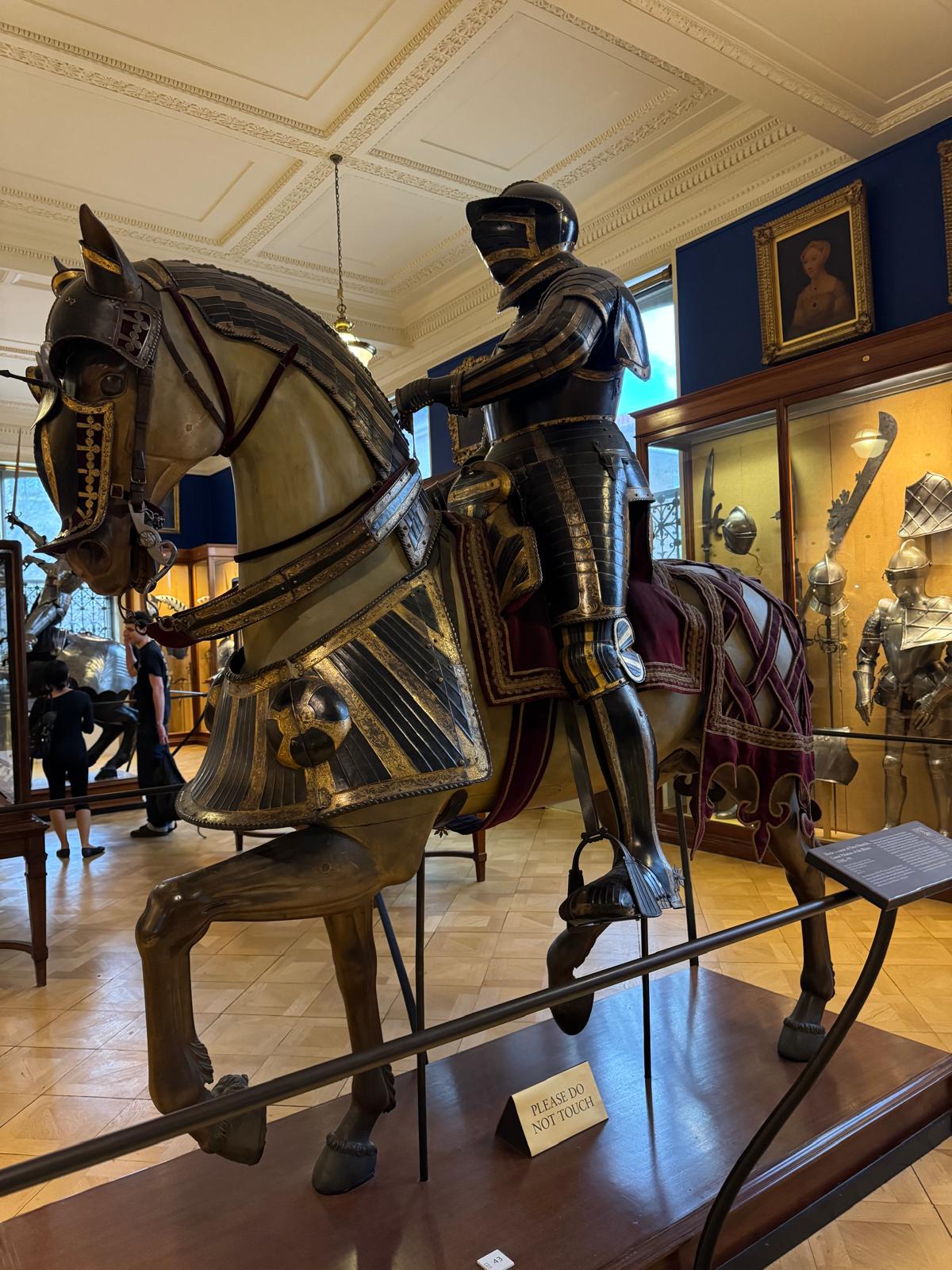
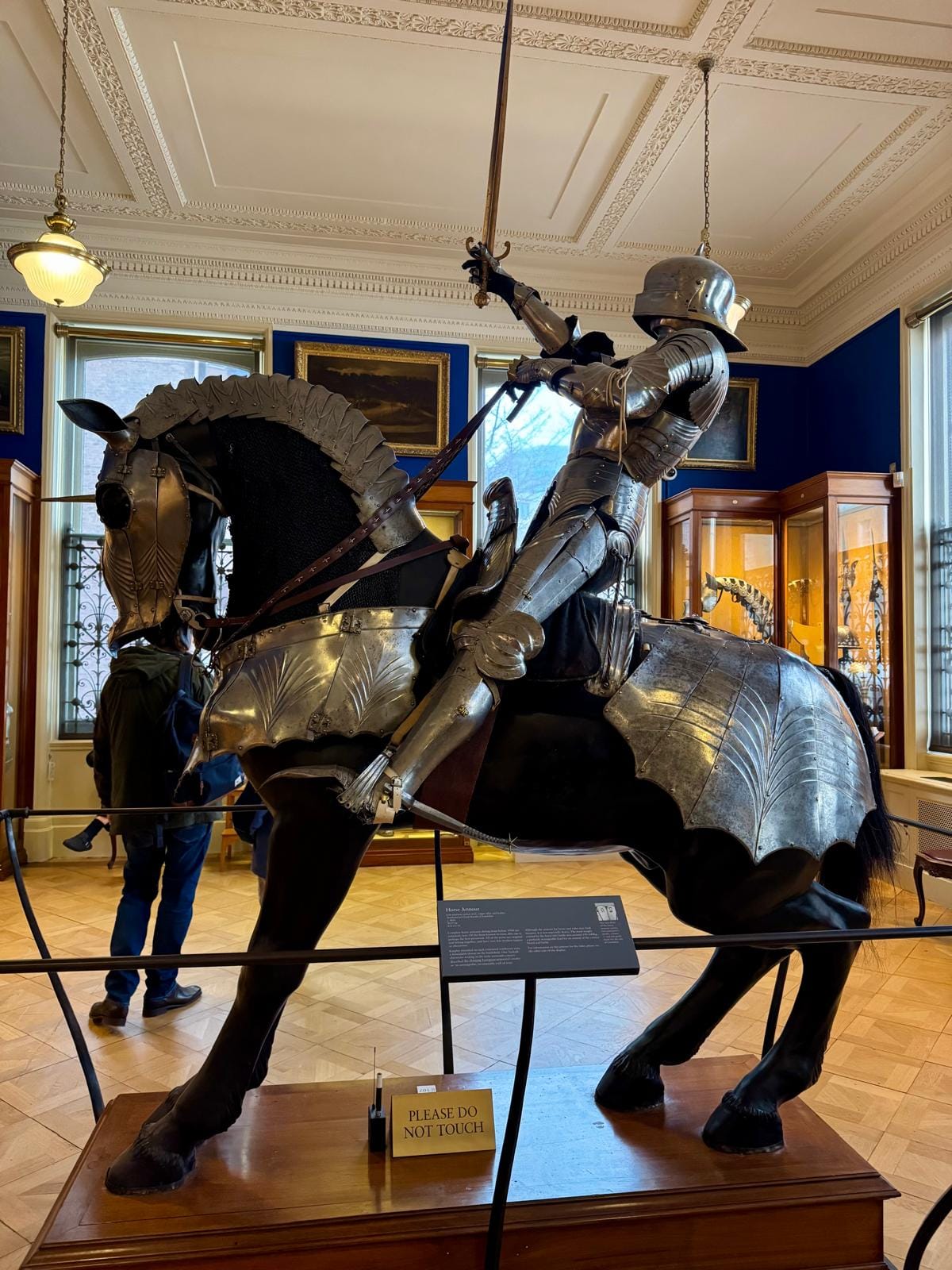
Ever since I was little, I have been obsessed with medieval knights and crusaders. I used to wonder constantly about their battlefields, their horses, their armour, their knives, their codes, their endurance. Standing there, looking at those steel-made armours, I kept thinking about the physical reality of it all. Some full suits weighed around 30 kilos or more. And many of the men who wore them were not giants by modern standards. In fact, many looked like they would have been around my size. I rarely see bigger men than me when I look at some of those armours, and yet they mounted horses and rode into battle in them. I also couldn’t help but notice the differences in armour design across the French, German, and Spanish styles — and of course, the German ones looked the most robust and sturdy, which made me laugh.
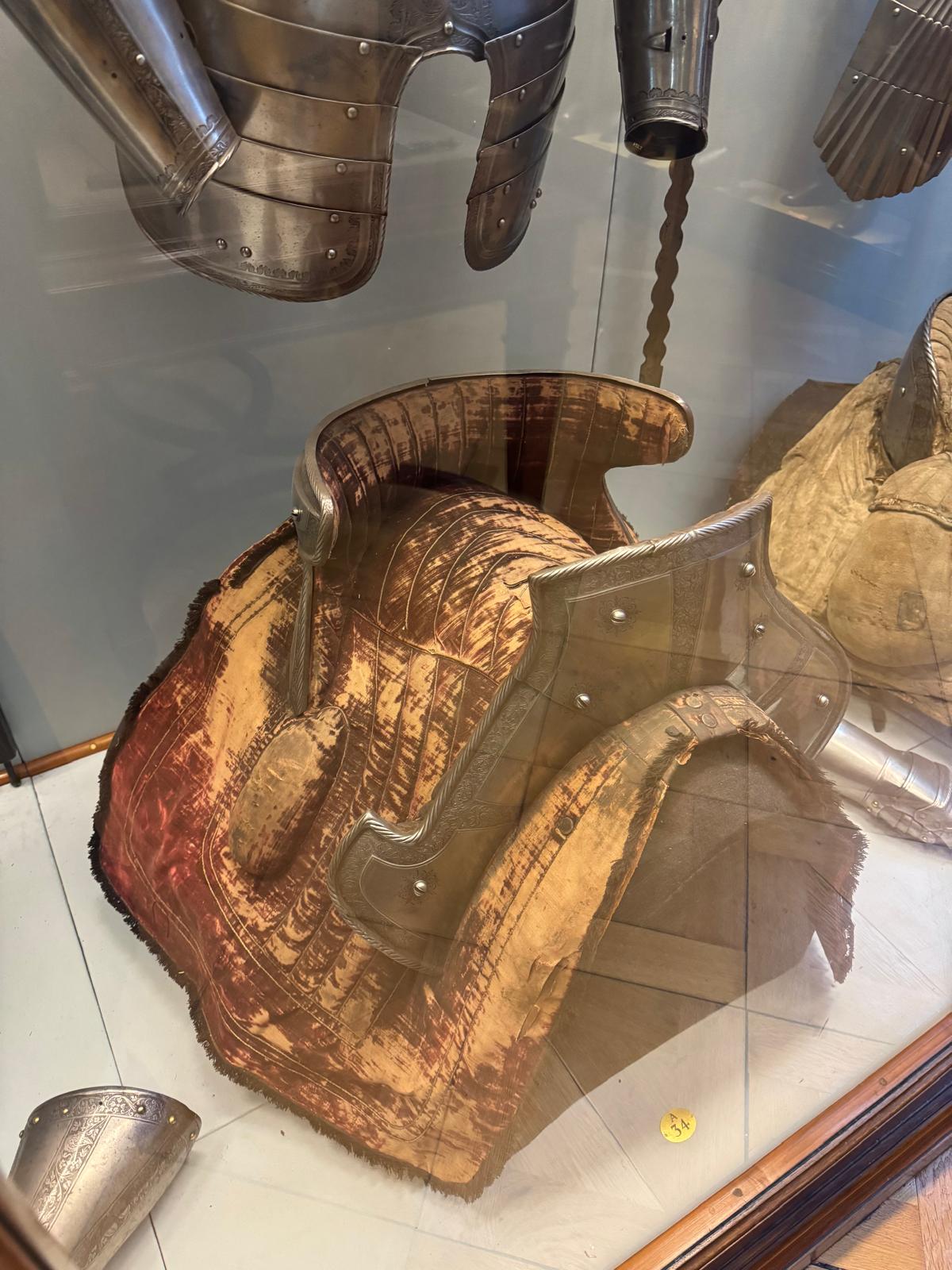
Then there was the worn saddle from the 16th century, still marked by blood. Some armours had holes in their chest areas - probable cause of one's death as the spears pierced through their chests. That really stayed with me. I found myself wondering about the smell of those times — sweat, blood, leather, metal, mud, fear. No showers. No real escape from the elements. Your clothing soaked underneath the armour, freezing in cold weather and suffocating in heat. The battlefield must have been unbearable in ways we can barely imagine now.
And then the sharp prick spurs — the brutal logic of it. I wondered if the horses’ bellies were okay. I genuinely feel sorry for those war horses. What must have gone through their heads? Did the humans riding them understand that horses are sentient beings with high intelligence, memory, and feeling? Or were they too consumed by war, conquest, and survival to care? Did they know, and ignore it? Or were they simply ignorant enough to treat horses as tools?
That part lingered with me most. Not just the heroism of war, but its intimacy. Its weight. And the silent beings who carried human history on their backs.
![Obsidian Essay | Cooking] My Easter Table: A British & New England Tradition](https://images.unsplash.com/photo-1618418359809-0758e4cc4f3f?crop=entropy&cs=tinysrgb&fit=max&fm=jpg&ixid=M3wxMTc3M3wwfDF8c2VhcmNofDN8fGVhc3RlcnxlbnwwfHx8fDE3NzU0Mjk4NzB8MA&ixlib=rb-4.1.0&q=80&w=720)
![Obsidian Essay] On Finding Maria — and Finding Words for a Childhood](/content/images/size/w720/2026/04/I-am-maria-1.webp)
![Obsidian Essay] On Bloodlines and Tatiana Schlossberg](/content/images/size/w720/2026/04/Tatiana-Schlossberg.webp)
Comments ()